01
Makeup Tips
Eyeshadow placement, blending techniques, and common mistakes to avoid for a more open, lifted look.
Explore →
Eye Shape Guide
Understand your eye shape, master makeup techniques, and explore every treatment option — from Botox brow lifts to surgical solutions.
Explore the Site
Eyeshadow placement, blending techniques, and common mistakes to avoid for a more open, lifted look.
Explore →Winged liner, smudge prevention, and techniques that work with hooded lids to make eyes appear larger.
Explore →Non-surgical Botox brow lifts and surgical options including blepharoplasty, explained clearly.
Explore →Five false lash styles suited to hooded eyes, plus curler and mascara guidance for maximum lift.
Explore →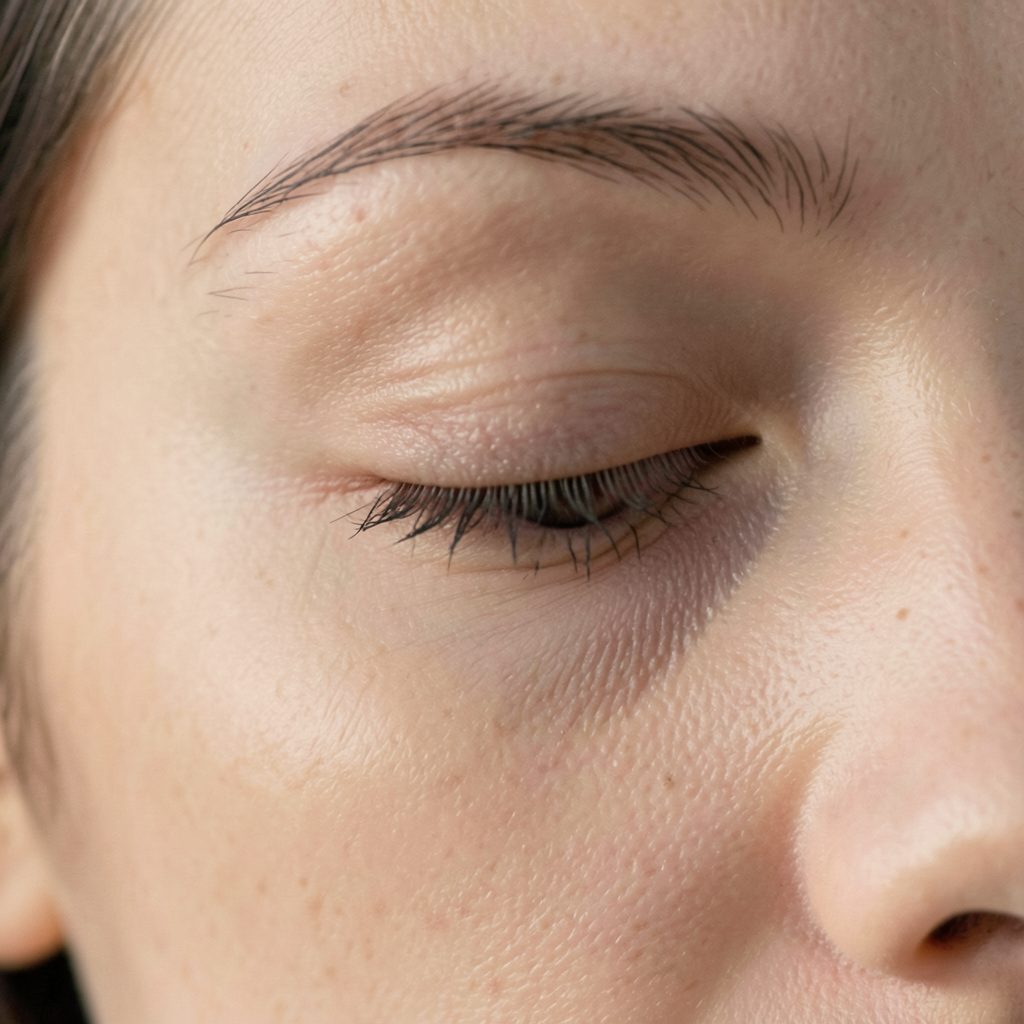
What Are Hooded Eyes?
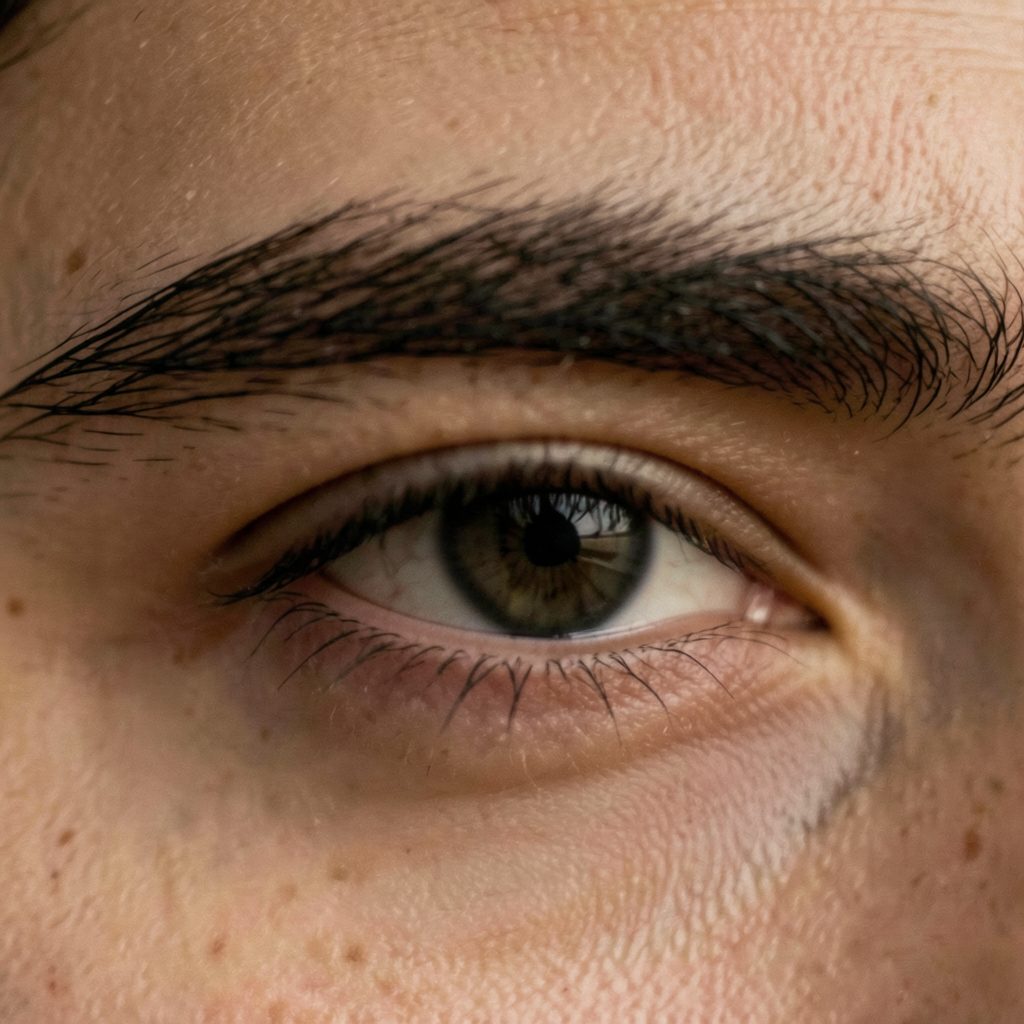
Hooded eyes are a natural eye shape where an excess piece of skin from the brow bone partially or completely covers the eyelid. The result can make eyes appear smaller or more tired than they feel.
This shape can be present from birth due to genetics, or it can develop over time. Known causes include aging, genetic traits, eye rubbing, body fatness, muscle structure, trauma, solar radiation, and sleep apnea.
Hooded eyes are commonly described by a visible fold of upper-lid skin that sits over or partly hides the crease. The fold can look soft and defined in a photo with the eye open, then become much deeper when the eye closes. That changing geometry makes ordinary eye-makeup techniques less predictable, especially for people whose crease seems to disappear whenever they look up.
Matte eyeshadow earns its place in a hooded-lid kit because its low-reflective finish absorbs stray light rather than bouncing it back across the skin fold. Shimmer can be beautiful elsewhere, but on a hooded lid it may draw attention to the crease you hoped to soften. Matte colour gives the eye a surface that appears flatter, cleaner and more even.
Matte does not mean heavy, chalky or one-dimensional. The useful effect comes from controlled placement, sheer-to-medium build-up and careful blending. A soft matte transition shade can make the visible lid space look larger, while deeper matte colour at the outer corner can add lift without chasing a crease that is hidden under the fold.
The goal is depth without weight. Keep the mobile lid quiet, place definition where it can be seen from a normal angle, and allow brows, liner and lashes to support the shadow. This approach suits everyday office wear, camera-ready makeup and hooded-eye shapes across Australian beauty communities.
A hooded lid and a deep-set eye are not interchangeable. A deep-set eye often has a clearly visible socket and crease; a hooded lid has skin overlapping that crease. Makeup balanced with the eye fully open may disappear when the eye closes, and shadow placed directly in the crease can become a dark stripe once the fold drops over it.
Viewing angle also matters. Bathroom lighting can flatten the fold, while overhead office lights or a phone camera pointed slightly downward may reveal it. Taking open-eye and closed-eye pictures in the same light helps you judge placement rather than relying on a mirror alone. For phone-camera checks, hooded-eye selfie tips offer a useful way to compare angles before a photo or event.
Try mapping the visible space instead of imagining an ideal crease. Use the exposed socket to create a soft gradient, then keep the mobile lid lightly powdered or clear. This preserves lid space and stops colour gathering where the skin folds. It also makes subtle liner or a softly extended lash line easier to see without enlarging the shadowed area.
A matte surface scatters light instead of reflecting it in one concentrated patch. That matters because the strongest highlight on a hooded lid often falls on the rounded fold itself, which can make the eye look smaller or heavier. Velvety mattes redirect attention towards the shape of the shadow, while fine shimmer catches on texture and may migrate into fine lines as the day goes on.
However, dryness can make a beautiful matte shade look patchy. If the upper lid is flaky, a thin hydrating primer and a little concealer can smooth the surface, but let each layer settle before tapping on powder. Avoid caking the whole mobile lid; a finely milled formula and a light hand will give the most even finish.
Matte also makes colour placement more important. A pale matte close to the brow bone can look washed out, while a single dense shade over the entire lid can flatten the eye. Use a range from a soft taupe or warm beige to a deeper cocoa, then vary the placement and concentration. On deeper skin tones, richer mattes and crisp edges often need less product than lighter shades to create visible depth.
Begin with a clean, oil-free base, but oily skin is not the only reason shadow can crease. Set only where needed and keep product away from the wet line. If you conceal the mobile lid, apply a thin layer with a damp sponge and press rather than rub; heavy rubbing can drag the skin and leave a dry-looking area.
Place a light matte transition shade just above the fold rather than in a hidden crease. This creates a gentle haze that remains visible when the eye is open. Add a slightly deeper matte to the outer third, keeping the darkest colour below the point where the fold begins. A soft, rounded edge will look more natural than trying to outline a crease you cannot consistently locate.
When the crease vanishes as you open your eye, change the order of your layers instead of adding more colour. For detailed guidance on layering a disappearing crease, build from the outer corner inward, test with both eyes open, and check the look in side light. This is particularly useful for a work meeting, where a hard line seen only in a compact may disappear by lunchtime.
Use a clean, slightly fluffy brush to soften the upper edge, then remove excess product before it becomes fallout. Tapping the brush lightly through the crease keeps intensity where you placed it. If matte powder falls beneath the eye, collect it with a small angled brush rather than rubbing it across the lower lashes, which can make the eye look tired.
Because the lid fold visually compresses the upper eye, the brow carries a lot of the apparent lift. Fill sparse areas with a brow pencil that matches your hair, then brush the hairs upward with a clear or tinted brow gel. Avoid a very sharp, high arch directly above the fold; a softly defined lower edge usually gives the eye more breathing room.
Eyeliner can be used to reopen the eye, but its thickness should follow the visible opening, not the hidden crease. Tightline between the lashes with a waterproof formula and extend a short wing from the outer corner. A lifted flick balances a downturned outer edge, while a rounded flick suits a more upward or neutral shape. Keep the line from becoming a heavy band under the fold.
Gently curled lashes and separated mascara create visible definition at the lash line, counteracting the shadowed lid without more shadow. Waterproof mascara is useful in humidity, but remove it thoroughly to avoid irritation. The practical techniques in this hooded-eye makeup guide can be paired with a restrained matte wash for a balanced result.
Australian conditions add another variable. Summers in Sydney and Brisbane can be humid, while Melbourne can swing between warm afternoons and dry, air-conditioned offices. Perth often brings intense sun and dry indoor air. Oiliness, dryness and temperature can therefore change how a matte formula wears in the same week. Gently blot around the brow and outer eye to remove shine without rubbing away the shadow.
The local market makes it easy to compare mattes across Priceline, Chemist Warehouse, Ulta Beauty, Myer and Sephora, with products sold in Australian dollars and some pharmacy chains offering exclusives. Test on the brow bone rather than the eyelid, because shades that look subtle at the counter can become stronger over the fold.
Cosmetics sold in Australia are overseen by the Therapeutic Goods Administration for ingredient safety and labelling. Check the ingredient list for known sensitivities and patch test a new powder on your jawline before using it near the eye. “Cruelty-free” does not automatically mean hypoallergenic, and a natural-looking shade can still irritate if fragrance or another ingredient does not suit you.
High UV levels make daily sun protection a practical part of eye makeup. Broad-spectrum SPF 30 or higher facial sunscreen, plus shade and a hat outdoors, helps prevent UV-related skin damage. Keep sunscreen off the immediate lash line, let it set, and then apply concealer or primer; otherwise the layers can pill and undermine a matte finish.
Matte shadow is not the only useful finish, and a completely flat look is not the only flattering choice. A satin or soft-shimmer shade placed high on the brow bone can add light without reflecting directly from the mobile lid. Cream shadow can also brighten a small area, provided it is set and kept away from the crease. The finishing rule is simple: place sheen where you want light to travel, not where it will expose the fold.
If a low or heavy brow position creates the appearance of hooding, a medical brow lift may be considered. In Australia, botulinum toxin injections are prescription medicines and should be discussed with and administered by an appropriately qualified registered health practitioner. The consultation should cover expected movement, bruising, headache, eyelid droop and spread beyond the intended site, along with preparation and aftercare.
Blepharoplasty is more invasive, changing the upper-lid skin and sometimes the crease itself. It requires assessment by a qualified surgeon, discussion of scarring, dry eye, asymmetry, infection and recovery, and clear pre-operative instructions. Swelling and temporary dryness are common, while the final result can take months to settle. No makeup technique creates the same structural change, and neither treatment should be chosen solely from a photograph.
Try a simple sequence: a soft matte transition shade above the fold, a deeper matte at the outer corner and a clean blend through the outer edge. Keep the mobile lid quiet, use restrained liner and finish with separated lashes. This creates definition that remains visible across a room rather than disappearing whenever you open your eyes.
Choose one transition shade and one deeper shade in daylight, apply them in that order, and photograph the result before adding more product. If the fold looks heavy after a full day, blot, groom the brow and refresh the outer corner instead of fighting it with extra shadow. Keep the finish matte where it counts.
Surgical Option
For those seeking a more lasting result, plastic surgery — including blepharoplasty — is covered as a treatment option for hooded eyes. Surgery addresses the excess skin directly and is considered an alternative to non-surgical approaches like Botox.
The site's surgery guide explains the procedure, what to expect, and how it compares to non-surgical routes, helping readers make informed decisions about their options.
Read the Surgery Guide →Famous Faces
Hooded eyes can enhance facial expressions and contribute to a distinctive, memorable look. These ten well-known figures all share the eye shape.
Jennifer Aniston
Leonardo DiCaprio
Solange Knowles
Taylor Swift
Michelle Williams
Robert Pattinson
Blake Lively
Selena Gomez
Gigi Hadid
Benicio del Toro
Side by Side
False Lash Guide
Varied length spikes create texture and the illusion of depth without weighing down the lid.
Longer outer-corner lashes draw the eye outward and upward, counteracting the hood effect.
A uniform, moderate length that adds definition without overwhelming a hooded lid.
Applied only to the outer half, these open up the eye shape and are easier to manage on hooded lids.
A strong upward curl (D or L curl) lifts lashes away from the hood, keeping them visible throughout the day.
The guide also covers lash curlers, mascara recommendations, and step-by-step instructions for fixing false lashes on hooded eyelids.
Full Lash Guide →Get in Touch
Whether you are just beginning your makeup journey or have been experimenting with different looks for years, we are glad you are here.
General Feedback
Share your thoughts on the site or suggest topics you'd like covered.
Looking for a Specific Tip?
Ask about a particular technique or eye-shape challenge.
Product Questions
Questions about products mentioned across the site.
Human Resources or Business Inquiries
Partnership, collaboration, or business-related correspondence.