What Are Hooded Eyes?
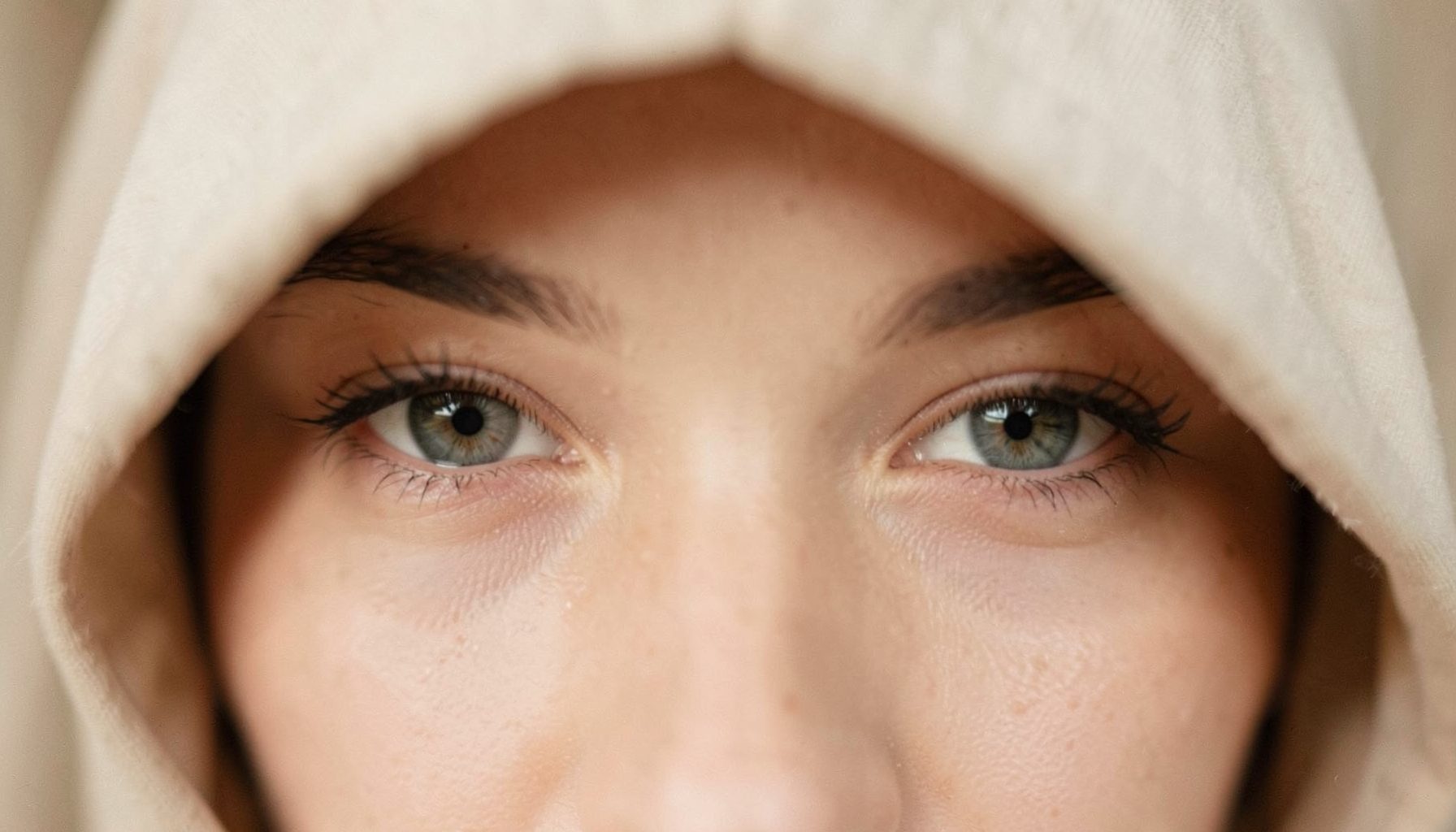
Hooded eyes are a natural eye shape where an excess piece of skin from the brow bone partially or completely covers the eyelid. This extra skin can make the eyelid crease less visible or entirely hidden when the eyes are open. It is a common trait — not a flaw — and many people embrace it as part of their unique look.
While hooded eyes are often associated with aging, they can appear at any age due to genetics. The condition is sometimes called "hooded eyelids" and differs from droopy eyes (ptosis), which involve the eyelid margin itself sagging rather than excess skin folding down from the brow.
What Causes Hooded Eyes?
Several factors contribute to the development of hooded eyes. Some are within your control, while others are simply part of who you are.
Aging
As skin loses collagen and elasticity over time, the brow area can begin to droop, creating a hooded appearance.
Genetics
Many people are born with hooded eyes. It is an inherited trait that can run in families across generations.
Eye Rubbing
Frequent or aggressive rubbing can stretch the delicate skin around the eyes, contributing to laxity over time.
Body Fatness
Changes in body weight and fat distribution can affect the fullness of the upper eyelid area.
Muscle Structure
The natural positioning and strength of the muscles around the brow influence how much skin folds over the lid.
Trauma
Injury to the eye or brow area can alter skin tension and lead to a hooded appearance.
Solar Radiation
Long-term sun exposure breaks down collagen and elastin, accelerating skin sagging around the eyes.
Sleep Apnea
This condition can affect facial tissue and circulation, potentially contributing to changes around the eye area.
Effects of Hooded Eyes
Hooded eyes can make the eyes appear smaller or more tired than they actually are. The hidden eyelid crease reduces visible lid space, which can affect how eyeshadow and eyeliner look. Some people also find that hooded eyes give a heavier, more mature appearance to the upper face.
On the positive side, hooded eyes can create a sultry, mysterious look that many find attractive. Numerous celebrities with hooded eyes have turned this feature into a signature part of their beauty.
Hooded Eyes vs Droopy Eyes
Not the Same Condition
Hooded eyes and droopy eyes are often confused, but they are distinct. Hooded eyes involve excess skin folding down from the brow bone over the eyelid. Droopy eyes (ptosis) occur when the upper eyelid margin itself sags lower than normal, sometimes affecting vision.
Hooded eyes are generally a cosmetic concern, while droopy eyes may require medical attention if they interfere with eyesight. The treatments for each also differ — hooded eyes respond well to makeup techniques, Botox brow lifts, and blepharoplasty, whereas ptosis may need specialized surgical correction.
How to Get Rid of Hooded Eyes
There is no single "right" way to address hooded eyes — the best approach depends on your goals, budget, and comfort level. Here are the main paths people explore:
Makeup Techniques
Strategic eyeshadow placement, tightlining, and specific eyeliner styles can create the illusion of a more open, lifted eye without any procedure.
Explore Makeup Tips →Botox Brow Lift
A non-surgical cosmetic procedure that injects Botox into the outer corner of the eye to lift the eyelid a few millimeters. Low-cost and minimally invasive.
Learn About Botox →Plastic Surgery
Surgical options such as blepharoplasty remove excess skin and reposition tissue for a longer-lasting result. More involved but offers dramatic change.
Read About Surgery →