01
Makeup Tips
Eyeshadow placement, blending techniques, and common mistakes to avoid for a more open, lifted look.
Explore →
Eye Shape Guide
Understand your eye shape, master makeup techniques, and explore every treatment option — from Botox brow lifts to surgical solutions.
Explore the Site
Eyeshadow placement, blending techniques, and common mistakes to avoid for a more open, lifted look.
Explore →Winged liner, smudge prevention, and techniques that work with hooded lids to make eyes appear larger.
Explore →Non-surgical Botox brow lifts and surgical options including blepharoplasty, explained clearly.
Explore →Five false lash styles suited to hooded eyes, plus curler and mascara guidance for maximum lift.
Explore →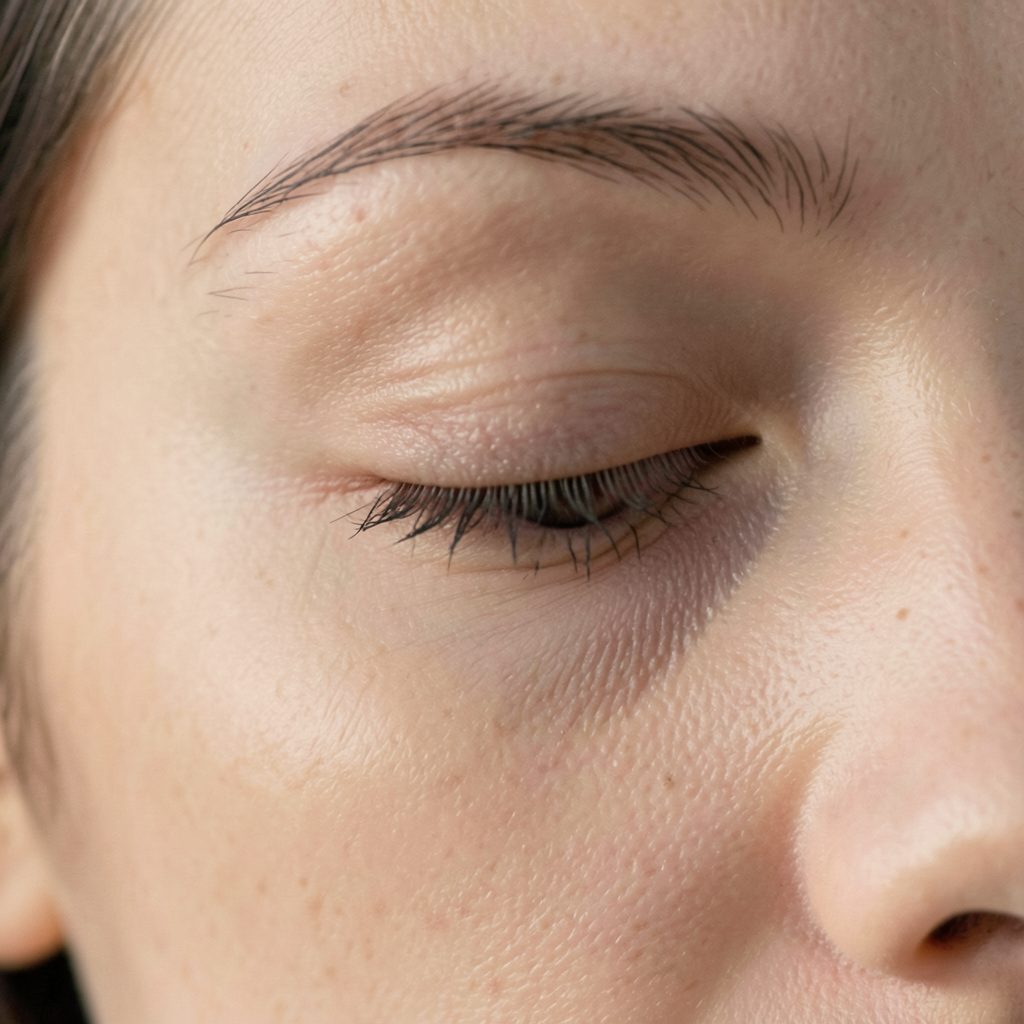
What Are Hooded Eyes?
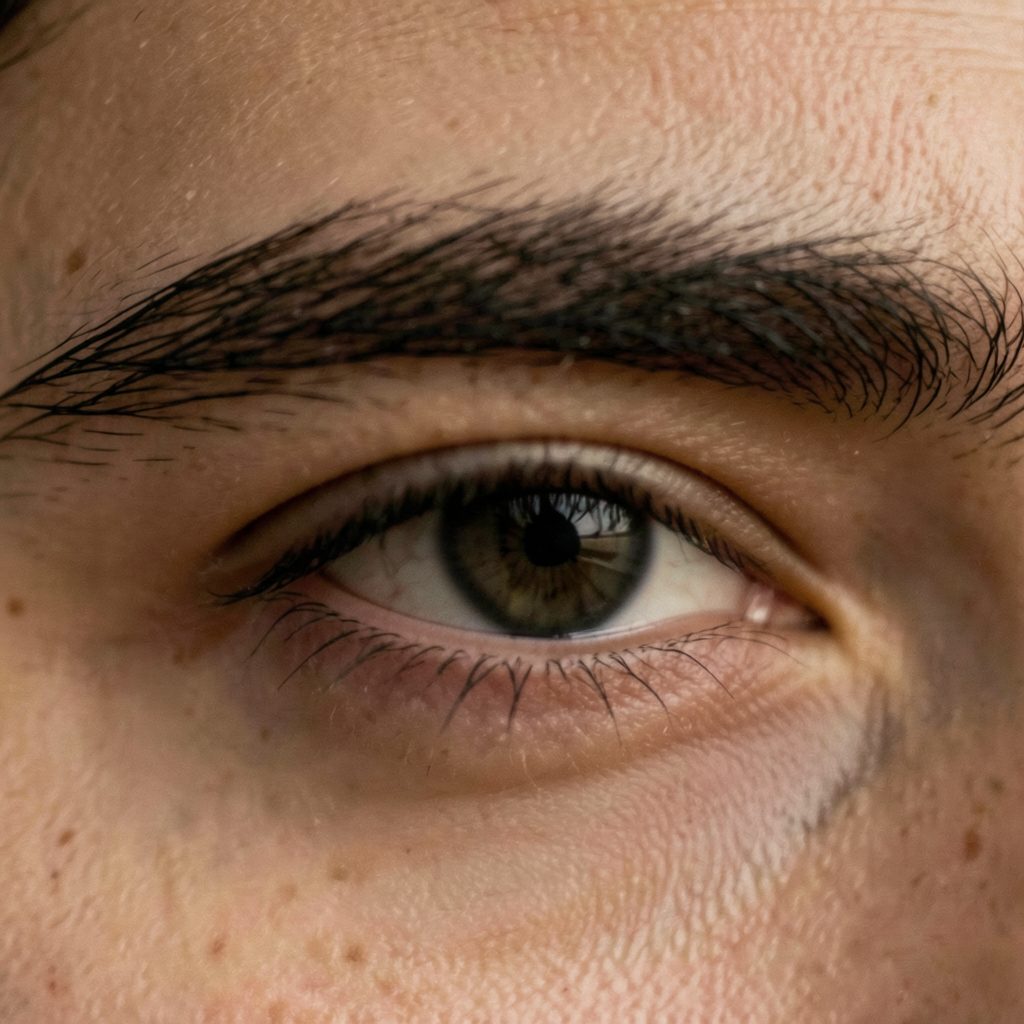
Hooded eyes are a natural eye shape where an excess piece of skin from the brow bone partially or completely covers the eyelid. The result can make eyes appear smaller or more tired than they feel.
This shape can be present from birth due to genetics, or it can develop over time. Known causes include aging, genetic traits, eye rubbing, body fatness, muscle structure, trauma, solar radiation, and sleep apnea.
A selfie can make hooded eyes look heavier, smaller or less even than they appear in person. The front-facing camera sits close to the face, wide-angle lenses alter proportions, and overhead light can place a shadow across the mobile eyelid. None of this means your eyes are unattractive or difficult to photograph. It simply means that small changes in light, distance and expression can reveal their natural shape more accurately.
Hooded eyes have a fold of skin that partially covers the crease or eyelid when the eyes are open. The amount of hooding varies from person to person, and it may be influenced by genetics, age, brow position and facial structure. Learning what hooded eyes mean can make it easier to choose a flattering camera position instead of trying to force your eyes to look like a different shape.
Before taking photos, look at your eyes in a relaxed position rather than lifting your brows or widening them. With hooded eyes, the visible lid may be narrow while the brow bone and upper fold remain prominent. A phone image can exaggerate this because the lens captures the closest parts of the face with slightly greater scale.
Take a few test photos from arm’s length and from a little farther away. A distance of about 60 to 90 centimetres generally creates a more balanced result than holding the phone directly against your face. If your phone has a rear camera and a timer, use it for a clearer image with less wide-angle distortion.
The image preview may also reverse your face, depending on your camera settings. A reversed selfie can make familiar asymmetries feel more noticeable, even though they are normal. Compare the mirrored and unmirrored versions before deciding that one eye is significantly different from the other.
The most reliable lighting for hooded eyes is bright, diffused light coming from in front of you. Stand near a window with a sheer curtain, or face an open doorway in the shade. This illuminates the eye area without creating a hard line beneath the brow fold.
Australia’s strong sunlight can be helpful outdoors but unflattering when it is directly overhead. On a bright day in Brisbane, Perth or Sydney, harsh midday sun may deepen the hood shadow and make you squint. Early morning, late afternoon or open shade usually gives a softer result. Avoid staring straight into the sun, both for comfort and for eye safety.
Indoor bathroom lighting often comes from ceiling downlights, which can cast shadows over the upper eyelids. If that is your everyday setting, move closer to a window or place a small lamp at face level behind the phone. Warm bulbs can change eyeshadow and skin tones, so neutral white light is preferable when you want to assess makeup accurately.
Hold the phone slightly above eye level, but keep the difference subtle. A camera positioned a few centimetres higher can reduce the appearance of the upper lid shadow and show more of the lashes. If the phone is too high, your eyes may look narrowed and your chin may disappear.
Turn your face a small amount rather than presenting it perfectly straight to the lens. A quarter turn can add dimension and let the nearer eye catch more light. Try both sides, because brow height, cheek structure and eyelid folds are rarely identical.
Keep your forehead relaxed. Raising the brows may temporarily reveal more lid space, but it can create tension and an expression that does not feel like you. Instead, look towards the lens with a soft gaze, then take several frames while breathing normally. The most confident image is usually found between a fully neutral expression and a forced wide-eyed pose.
Makeup should support the shape of your eyes rather than disappear into the fold. A matte or softly satin shade placed slightly above the natural crease can remain visible when your eyes are open. Use a medium neutral colour to create gentle depth, then blend the edges upward without taking the colour too close to the brow.
A light shade on the inner corner can add brightness, while a small amount of shimmer placed on the centre of the visible lid may catch the light. Heavy shimmer across the entire hood can emphasise texture and reflect unevenly in close-up photographs. A clean base around the eyes also helps prevent foundation or concealer from collecting in the fold.
For eyeliner, keep the line thin near the inner corner and slightly thicker towards the outer edge. Draw while looking straight ahead so you can see how much of the line remains visible. If liquid liner is part of your routine, practise a small wing that follows the angle of the lower lash line rather than extending sharply upward; a thin liner technique can create definition without closing in the eyes.
Curl the lashes before mascara and concentrate the first coat at the roots. Lengthening formulas can be useful, but too much product may transfer onto the hood. Waterproof mascara can hold a curl in humid conditions, although it should be removed gently to avoid rubbing the delicate eye area.
Clean the camera lens with a soft cloth. Fingerprints create a hazy glow that reduces detail around the eyes and can make the whole image look dull. Check whether the phone is using a wide-angle setting, portrait mode or a beauty filter, since each option changes the shape and texture of the face.
Tap on the eye area to set focus and exposure. If the image is too bright, lower exposure slightly rather than applying a strong filter afterwards. Overexposure can remove eyelid definition, while underexposure may make the hood appear darker than it is.
Use a timer or a small tripod so you can hold the phone farther away. Many Australian households use compact phone tripods or ring lights bought through local electronics retailers, beauty stores or online marketplaces. A ring light should be placed at eye level and used at a moderate brightness; a very strong circle of light can create distracting reflections in the pupils.
Portrait mode can soften the background, but inspect the edges around lashes and brows. Artificial blur sometimes cuts into fine hairs or produces an unnatural outline. For makeup photos, the standard camera mode may preserve more realistic detail.
Place your chin slightly forward and down instead of pulling your head back. This gives the jawline definition while keeping the eyes directed towards the lens. Keep your shoulders loose and turn your body a little to match the angle of your face.
Try looking at the camera lens, then just beside it, while keeping the same relaxed brow. Looking a fraction above the lens can create a lifted appearance, but looking too high may make the eyes look tense. A gentle half-smile can soften the lower face and balance the natural shadow around the upper lids.
Take a short burst of images rather than relying on one frame. Hooded eyes can look different when you blink, speak or shift your gaze, and a burst catches the moment when the lashes are separated and the brows are at rest. Select photographs based on expression and clarity, not on whether every fold has disappeared.
If you wear glasses, clean the lenses and angle your face slightly to avoid glare. Move the phone a little to the side rather than tilting your head dramatically. Sunglasses can be stylish in an outdoor selfie, but they conceal the eye shape; remove them when the purpose is to show makeup, lashes or eyelid structure.
Small edits can improve a selfie without changing the appearance of your eyes. Crop away excess background, lift the overall brightness slightly and reduce distracting shadows. Avoid reshaping tools that enlarge one eye, raise a brow or smooth away the eyelid fold, because the result may look unfamiliar and make future photos harder to judge.
Privacy deserves attention when using beauty apps. Check what images an app stores, whether facial data is retained and what permissions it requests. Australia’s Privacy Act and the Australian Privacy Principles provide an important privacy framework, but an app’s overseas storage, terms of service and own data practices still matter. Use a reputable editor and avoid uploading close-up identity images unnecessarily.
A photograph can raise questions about cosmetic options, but it cannot diagnose eyelid drooping or determine whether a procedure is appropriate. If you are considering Botox brow treatment or blepharoplasty, consult an appropriately qualified medical practitioner registered with AHPRA. In Australia, cosmetic procedure advertising is regulated, and claims or before-and-after images should not replace a private consultation about risks, recovery, asymmetry and realistic outcomes.
Compare photos taken in similar light before making decisions about your appearance. A selfie after a long day, under a ceiling light, may make the hood look heavier than it does in daylight. Looking at several relaxed images gives a more useful picture of your features than judging one close-up.
Try these adjustments during your next photo session: move away from the lens, face soft light, keep the phone slightly above eye level, relax the brow and use makeup that remains visible with the eyes open. Save the angles and settings that feel most like you, then build them into your everyday routine. With practice, your camera can record the character and shape of hooded eyes rather than flattening them into a shadow.
Surgical Option
For those seeking a more lasting result, plastic surgery — including blepharoplasty — is covered as a treatment option for hooded eyes. Surgery addresses the excess skin directly and is considered an alternative to non-surgical approaches like Botox.
The site's surgery guide explains the procedure, what to expect, and how it compares to non-surgical routes, helping readers make informed decisions about their options.
Read the Surgery Guide →Famous Faces
Hooded eyes can enhance facial expressions and contribute to a distinctive, memorable look. These ten well-known figures all share the eye shape.
Jennifer Aniston
Leonardo DiCaprio
Solange Knowles
Taylor Swift
Michelle Williams
Robert Pattinson
Blake Lively
Selena Gomez
Gigi Hadid
Benicio del Toro
Side by Side
False Lash Guide
Varied length spikes create texture and the illusion of depth without weighing down the lid.
Longer outer-corner lashes draw the eye outward and upward, counteracting the hood effect.
A uniform, moderate length that adds definition without overwhelming a hooded lid.
Applied only to the outer half, these open up the eye shape and are easier to manage on hooded lids.
A strong upward curl (D or L curl) lifts lashes away from the hood, keeping them visible throughout the day.
The guide also covers lash curlers, mascara recommendations, and step-by-step instructions for fixing false lashes on hooded eyelids.
Full Lash Guide →Get in Touch
Whether you are just beginning your makeup journey or have been experimenting with different looks for years, we are glad you are here.
General Feedback
Share your thoughts on the site or suggest topics you'd like covered.
Looking for a Specific Tip?
Ask about a particular technique or eye-shape challenge.
Product Questions
Questions about products mentioned across the site.
Human Resources or Business Inquiries
Partnership, collaboration, or business-related correspondence.