01
Makeup Tips
Eyeshadow placement, blending techniques, and common mistakes to avoid for a more open, lifted look.
Explore →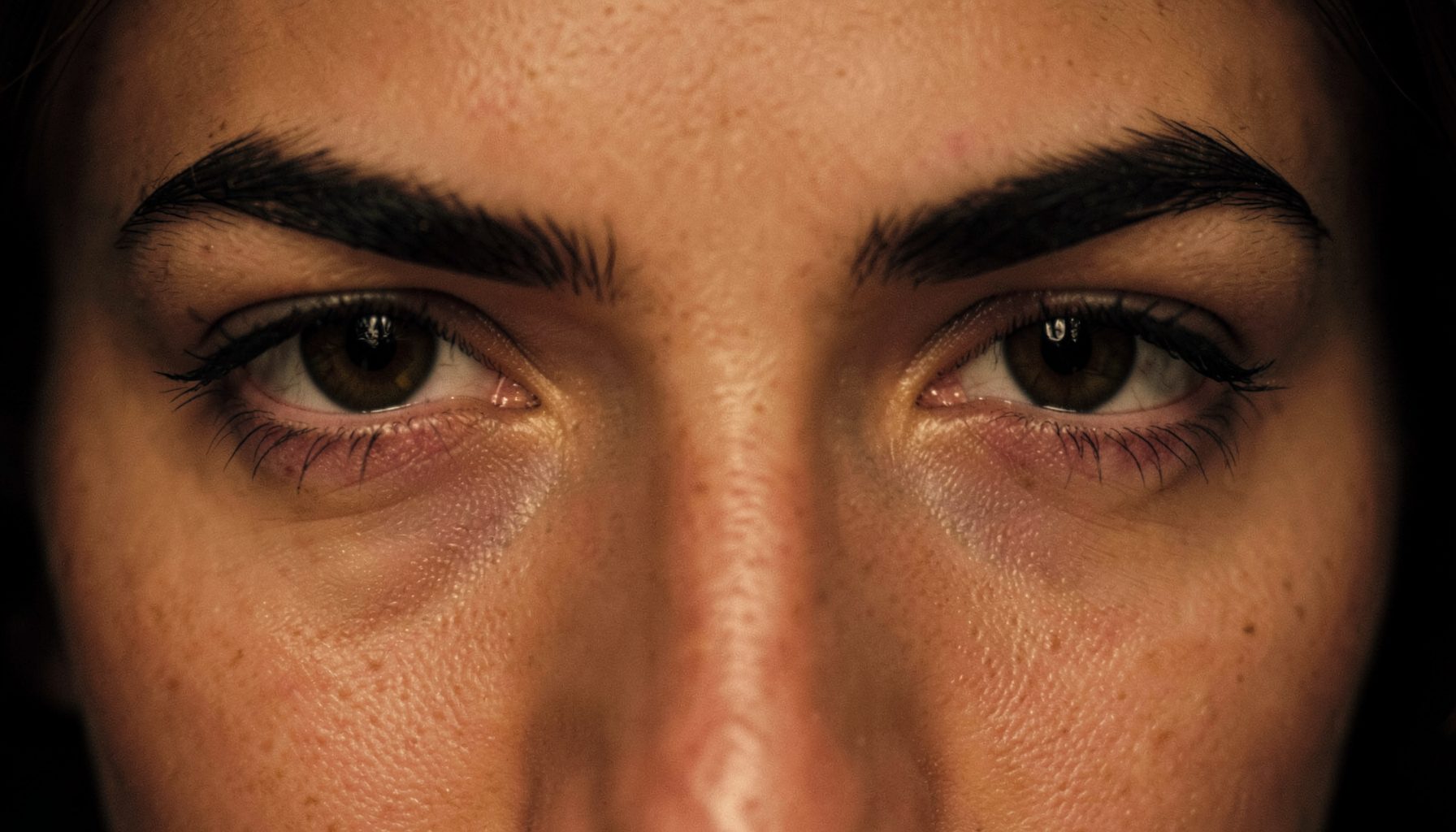
Eye Shape Guide
Understand your eye shape, master makeup techniques, and explore every treatment option — from Botox brow lifts to surgical solutions.
Explore the Site
Eyeshadow placement, blending techniques, and common mistakes to avoid for a more open, lifted look.
Explore →Winged liner, smudge prevention, and techniques that work with hooded lids to make eyes appear larger.
Explore →Non-surgical Botox brow lifts and surgical options including blepharoplasty, explained clearly.
Explore →Five false lash styles suited to hooded eyes, plus curler and mascara guidance for maximum lift.
Explore →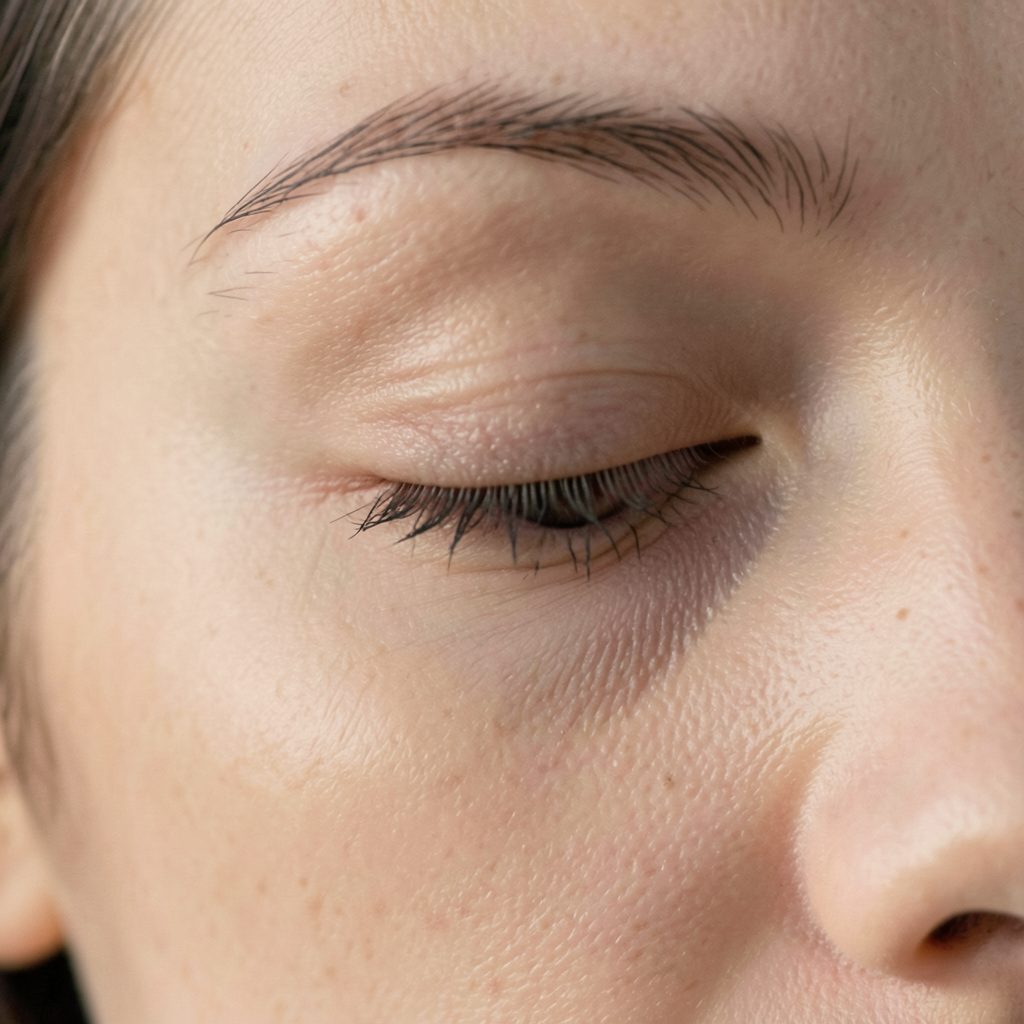
What Are Hooded Eyes?
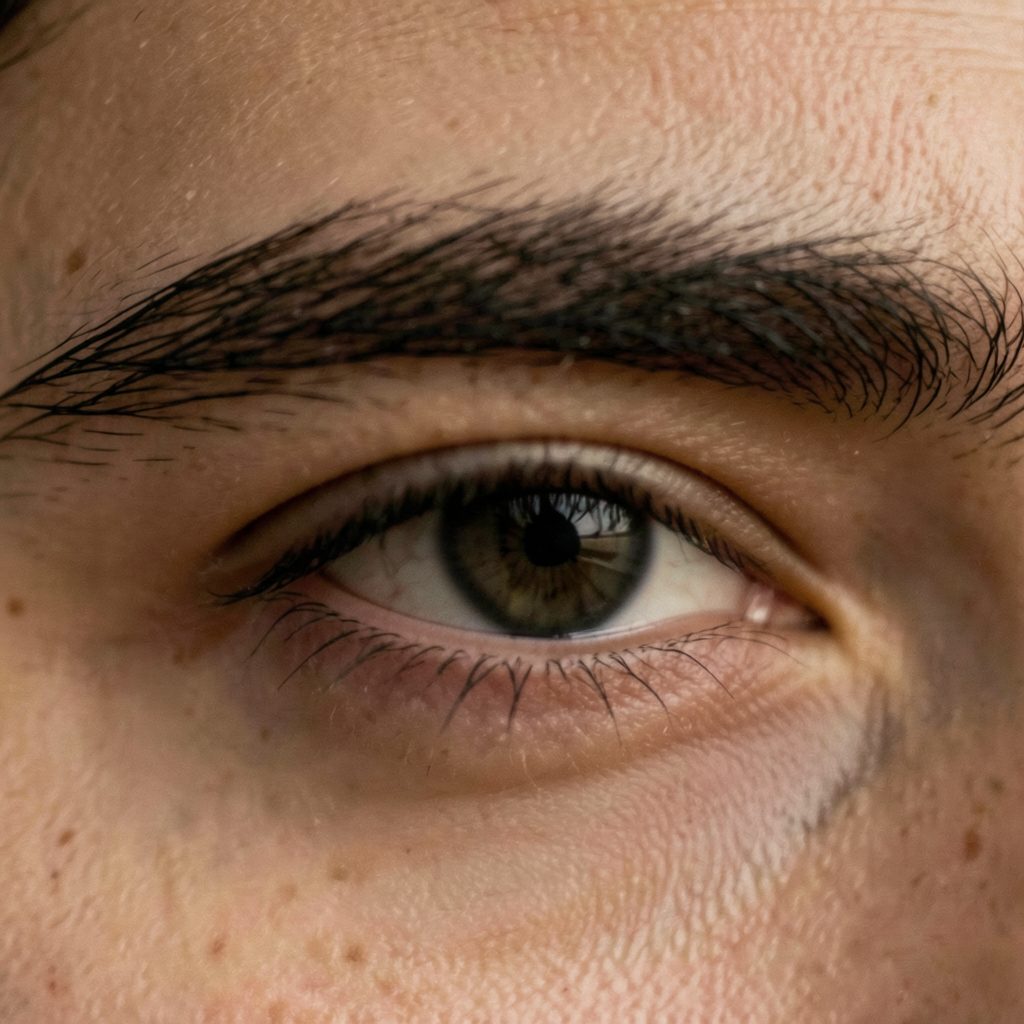
Hooded eyes are a natural eye shape where an excess piece of skin from the brow bone partially or completely covers the eyelid. The result can make eyes appear smaller or more tired than they feel.
This shape can be present from birth due to genetics, or it can develop over time. Known causes include aging, genetic traits, eye rubbing, body fatness, muscle structure, trauma, solar radiation, and sleep apnea.
When the upper lid folds over the natural crease as the eyes open, traditional eyeshadow placement can vanish or look uneven. A colour that seems perfectly blended with the eyes closed may leave no visible definition once you look straight ahead. Hooded eyes need a placement method based on the open-eye shape rather than the crease alone.
The most flattering approach combines a visible transition shade, a raised “fake crease”, controlled depth and a brightened mobile lid. The aim is not to force the eye into a different shape, but to create definition that remains visible while you are talking, working or taking photos with your eyes naturally open.
Start by looking directly into a mirror with your face relaxed. Do not lift your brows or tilt your chin. Notice how much of the mobile lid remains visible, where the fold sits and whether the outer corner turns down, up or straight across. The fold may be low, deep, asymmetrical or partly hidden by the brow bone.
| Eye area | Common problem | More reliable placement |
|---|---|---|
| Mobile lid | Colour disappears under the fold | Keep shimmer and light colour close to the lash line |
| Natural crease | Becomes hidden when the eye opens | Blend a matte transition slightly above it |
| Outer corner | Shadow can make the eye look heavy | Keep depth lifted and softly angled |
| Brow bone | Too much dark colour reduces space | Use a subtle matte or satin highlight |
| Lower lash line | Excess pigment can pull the eye down | Connect a fine, softly diffused line to the outer shadow |
Hooded eyes can also have different degrees of overhang from side to side. Match your placement while both eyes are open instead of copying the same distance from each eyebrow. If one eye has less visible lid space, use a little less product there and keep the upper transition level visually balanced.
Use a small matte brush to sketch the intended shape before adding stronger pigment. A soft tan, caramel or muted rose-brown shade usually works well as a transition colour. Place it just above the fold where it can be seen with the eyes open, then blend towards the temple in a slightly lifted direction.
This is a visual guide rather than a hard stripe. Keep the lower edge diffused and the upper edge softly faded into the brow area. On fair Australian skin, pale taupe and beige-brown can create definition without looking muddy. Medium and deeper complexions may suit terracotta, cinnamon, cocoa or plum-brown tones, depending on the undertone.
Open your eyes repeatedly while blending. If the transition disappears completely, move it a few millimetres higher. If it looks like a visible band when your eyes are relaxed, soften the edges with a clean brush rather than adding more product. The final placement should look intentional from a normal conversational distance.
Once the transition shade is visible, add a medium matte shade to the outer third of the eye. Press the colour into the outer lash line first, then blend upwards and slightly outwards. Keep the deepest point close to the lashes and let the colour become lighter as it approaches the raised crease.
For a smoky effect, use thin layers instead of one heavy application. A small amount of pigment gives you more control over a hooded lid, where dense shadow can transfer onto the upper fold. Let each layer remain visible: transition, medium depth and a small amount of deeper outer-corner colour.
A cut crease can work on hooded eyes, but it should be adapted rather than drawn exactly into the natural fold. Use concealer to carve a small amount of visible lid space, keeping the shape lower near the inner corner and slightly higher towards the centre if that suits your eyes. Avoid extending opaque concealer too far above the fold, as it can crease and transfer.
Light eyeshadow is most effective where it can actually be seen. Apply satin or finely milled shimmer to the centre of the mobile lid, inner corner and a narrow area just above the upper lash line. Avoid taking a glitter-heavy formula into the fold, where it may migrate and emphasise texture.
For daytime makeup, champagne, soft gold, rose-beige and pale bronze can brighten without making the lid look swollen. In Melbourne’s changeable daylight, highly reflective glitter may appear more intense outdoors than it does in a bedroom mirror, so check the finished look near a window before leaving home.
A subtle gradient usually looks more polished than a large block of brightness. Keep the inner third light, the centre slightly reflective and the outer third matte or softly satin. If the lid is very hooded, a narrow vertical placement of light colour can make the eye appear more open than a wide horizontal stripe.
Eyeliner should support this structure. A thick black line can cover the little lid space that remains, while a dark brown pencil smudged into the lashes creates definition without closing the eye. Keep the inner corner fine, make the outer third gradually thicker and finish with a short lifted flick rather than a long downward wing.
Curling the lashes helps reveal the lid and prevents mascara from disappearing under the fold. Work at the base, middle and tips with gentle pressure, then apply a lengthening formula mainly to the upper lashes. If your lashes press against the hood, allow the first coat to become tacky before adding a second light coat.
Choosing the right tool makes a practical difference; a guide to hooded-eye curlers can help you compare curved shapes, narrow designs and options suited to different lash lines. Replace curlers or rubber pads when they become worn, as uneven pressure can crimp lashes rather than lift them.
Australia’s heat can make eye makeup move faster, particularly in Brisbane or Darwin humidity and during a long summer commute. A thin eye primer, pressed powder and waterproof mascara can improve wear without requiring a thick base. In dry, air-conditioned offices, however, too much powder may make the lids look textured, so use the smallest amount that controls creasing.
A good eye look should be checked in the conditions where it will be worn. Strong bathroom lighting can hide transfer, while direct sunlight reveals patchiness and shimmer fallout. Look straight ahead, turn your face towards a window and check the crease after several blinks.
For Sydney weddings, outdoor events or long days spent travelling, pack a cotton bud and a tiny amount of micellar water for correcting the fold. Rather than rubbing, press and lift any transferred shadow, then reset the area with a small quantity of matte powder. This preserves the layered structure more effectively than repeatedly adding pigment.
Cosmetic products sold in Australia are subject to local product and advertising requirements, while therapeutic claims and prescription treatments have additional controls. A makeup product cannot safely be treated as a medical solution simply because its packaging promises a lifting or tightening effect. If an eye product causes persistent redness, swelling or pain, stop using it and seek medical advice.
Makeup can change the apparent position of the crease, but it cannot alter excess upper-eyelid skin or the structure of the brow. Some people explore a Botox brow lift to create a subtle change in brow position. Results vary, and the treatment may affect brow balance, eyelid heaviness or facial expression. Botox is a prescription medicine in Australia and should be discussed with an appropriately qualified registered health practitioner.
Blepharoplasty removes or repositions selected skin and tissue around the eyelids. It is a surgical procedure, not a makeup technique, and suitability depends on eyelid anatomy, brow position, dry-eye symptoms, general health and expectations. Anyone researching the financial side can review this Australian blepharoplasty costs guide, then confirm current fees, inclusions and risks directly with a qualified surgeon.
Consultation should cover bruising, swelling, asymmetry, scarring, incomplete closure, dry eyes, infection and the possibility of revision. Ask whether the surgeon is registered with AHPRA, what specialist training they hold and where the procedure will take place. Advertising rules in Australia restrict misleading claims, so be cautious about guaranteed results, dramatic before-and-after promises or pressure to book quickly.
With the right placement, a disappearing crease becomes a guide rather than a limitation. Map the visible shape with your eyes open, layer matte colour above the fold, keep depth close to the lashes and brighten only the lid space that remains visible. Practise the sequence in daylight, adapt it to your skin and lifestyle, and use a qualified professional for personalised advice about medical or surgical options.
Surgical Option
For those seeking a more lasting result, plastic surgery — including blepharoplasty — is covered as a treatment option for hooded eyes. Surgery addresses the excess skin directly and is considered an alternative to non-surgical approaches like Botox.
The site's surgery guide explains the procedure, what to expect, and how it compares to non-surgical routes, helping readers make informed decisions about their options.
Read the Surgery Guide →Famous Faces
Hooded eyes can enhance facial expressions and contribute to a distinctive, memorable look. These ten well-known figures all share the eye shape.
Jennifer Aniston
Leonardo DiCaprio
Solange Knowles
Taylor Swift
Michelle Williams
Robert Pattinson
Blake Lively
Selena Gomez
Gigi Hadid
Benicio del Toro
Side by Side
False Lash Guide
Varied length spikes create texture and the illusion of depth without weighing down the lid.
Longer outer-corner lashes draw the eye outward and upward, counteracting the hood effect.
A uniform, moderate length that adds definition without overwhelming a hooded lid.
Applied only to the outer half, these open up the eye shape and are easier to manage on hooded lids.
A strong upward curl (D or L curl) lifts lashes away from the hood, keeping them visible throughout the day.
The guide also covers lash curlers, mascara recommendations, and step-by-step instructions for fixing false lashes on hooded eyelids.
Full Lash Guide →Get in Touch
Whether you are just beginning your makeup journey or have been experimenting with different looks for years, we are glad you are here.
General Feedback
Share your thoughts on the site or suggest topics you'd like covered.
Looking for a Specific Tip?
Ask about a particular technique or eye-shape challenge.
Product Questions
Questions about products mentioned across the site.
Human Resources or Business Inquiries
Partnership, collaboration, or business-related correspondence.