01
Makeup Tips
Eyeshadow placement, blending techniques, and common mistakes to avoid for a more open, lifted look.
Explore →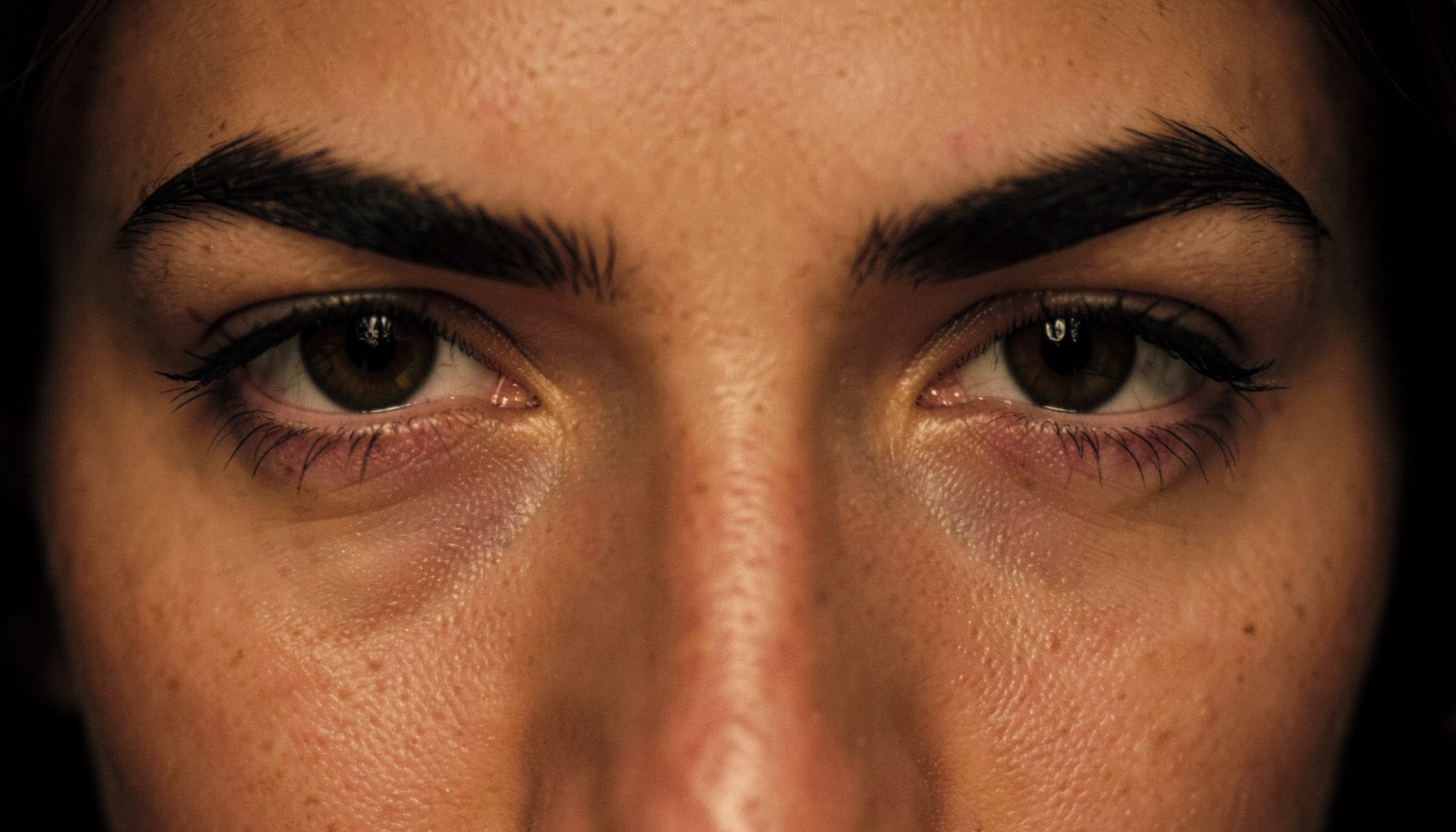
Eye Shape Guide
Understand your eye shape, master makeup techniques, and explore every treatment option — from Botox brow lifts to surgical solutions.
Explore the Site
Eyeshadow placement, blending techniques, and common mistakes to avoid for a more open, lifted look.
Explore →Winged liner, smudge prevention, and techniques that work with hooded lids to make eyes appear larger.
Explore →Non-surgical Botox brow lifts and surgical options including blepharoplasty, explained clearly.
Explore →Five false lash styles suited to hooded eyes, plus curler and mascara guidance for maximum lift.
Explore →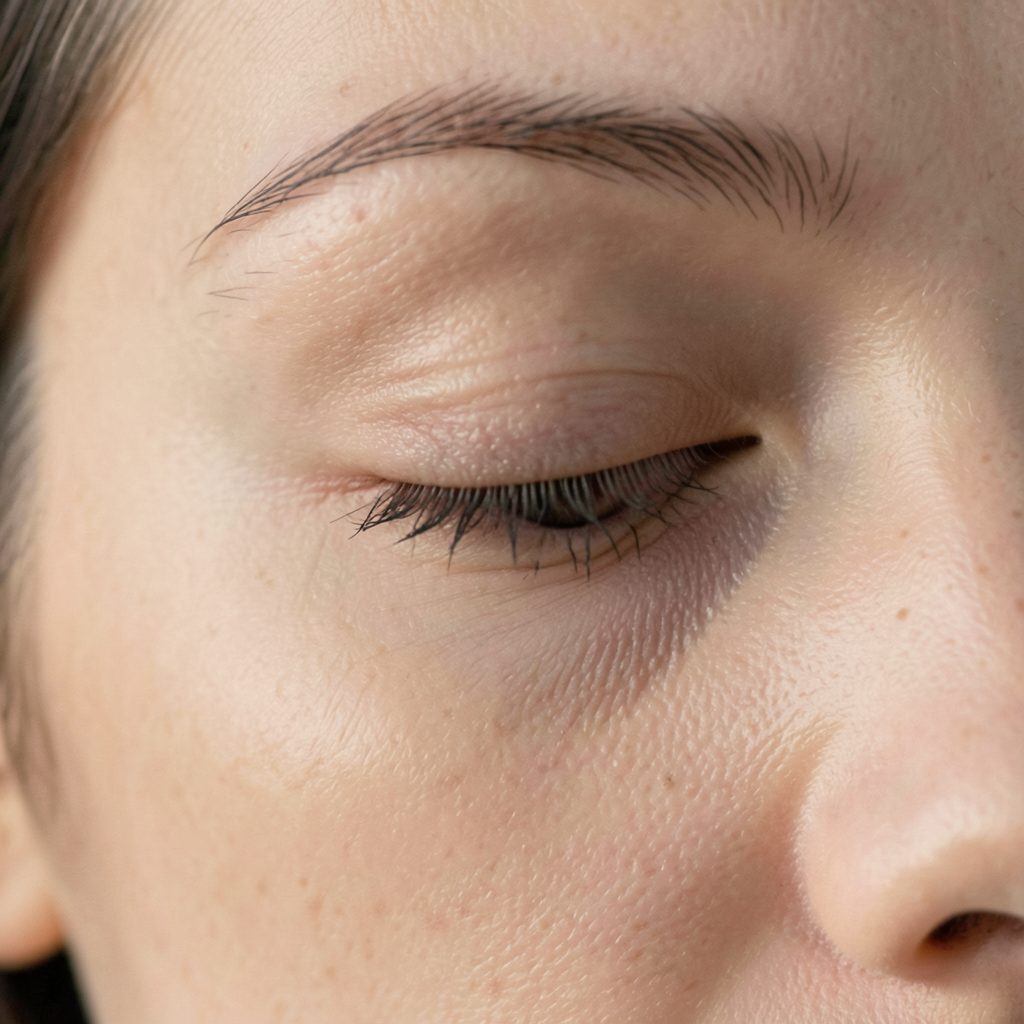
What Are Hooded Eyes?
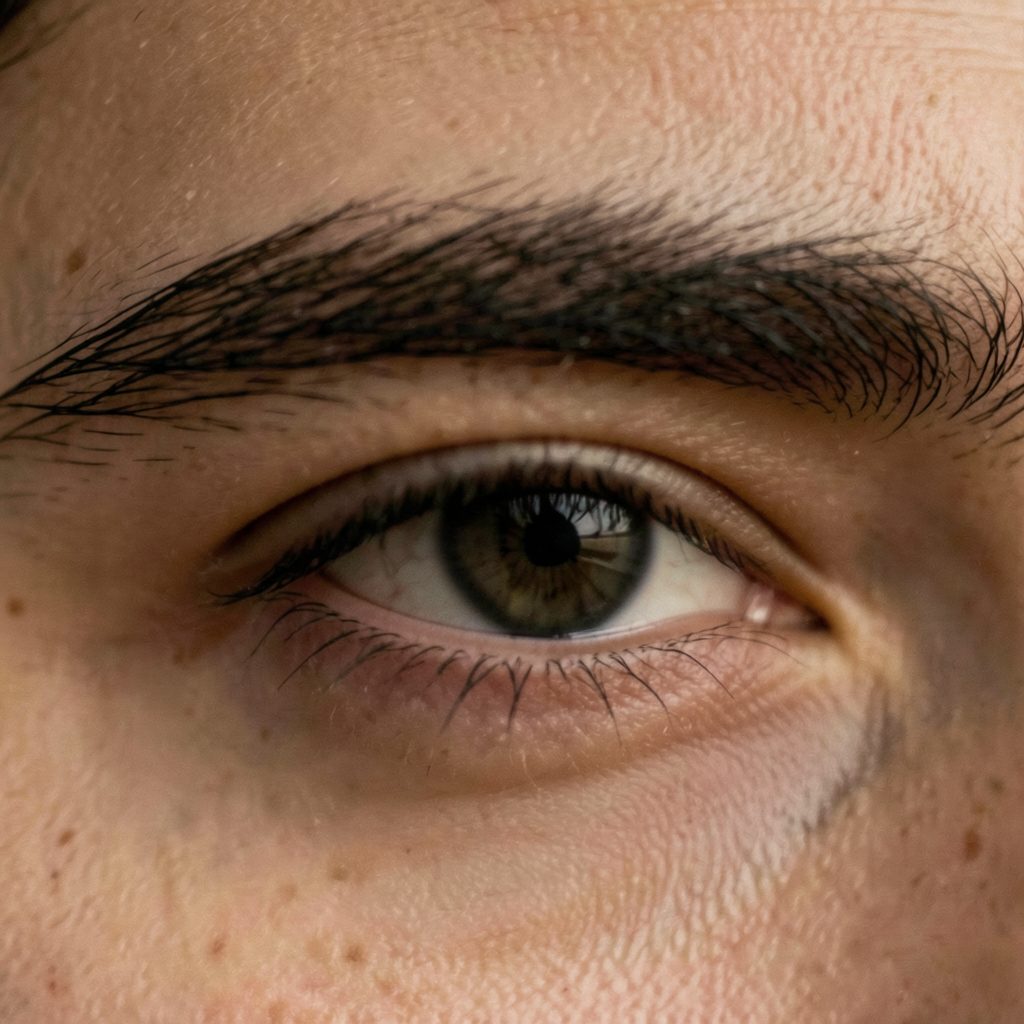
Hooded eyes are a natural eye shape where an excess piece of skin from the brow bone partially or completely covers the eyelid. The result can make eyes appear smaller or more tired than they feel.
This shape can be present from birth due to genetics, or it can develop over time. Known causes include aging, genetic traits, eye rubbing, body fatness, muscle structure, trauma, solar radiation, and sleep apnea.
Non-Surgical Treatment
A Botox brow lift is a non-surgical cosmetic procedure that injects Botox into the outer corner of the eye to lift the eyelid a few millimeters. It is described as a low-cost, non-invasive way to improve eyelid appearance.
The procedure involves preparation steps beforehand, a defined period of effects, and specific aftercare activities to follow post-injection. As with any cosmetic injection, there are potential risks to be aware of.
Hooded eyes are a common eye shape characterized by an extra fold of skin that droops across the upper eyelid, often obscuring the natural crease. This condition can be present from birth due to genetics or develop over time as the skin loses elasticity with age. Many people first notice hooded eyes when their eyelid space appears smaller or when applying eye makeup becomes more challenging. While hooded eyes are not a medical concern in most cases, they can sometimes affect peripheral vision if the skin fold becomes significant. Understanding the underlying anatomy of hooded eyes is the first step toward exploring effective treatment options that range from simple lifestyle adjustments to professional cosmetic procedures.
For those exploring non-surgical solutions, a Botox brow lift offers a minimally invasive approach to addressing hooded eyes. This treatment involves strategic injections that relax specific muscles around the brow area, allowing the forehead muscles to lift the eyebrows slightly. The result is a subtle elevation of the upper eyelids, creating the appearance of more visible lid space. The procedure typically requires no downtime and can be completed within minutes at a practitioner's office. Results are temporary, lasting for several months, making this an attractive option for individuals who want to test the waters before committing to more permanent solutions. Proper aftercare helps maximize the outcome and minimize potential side effects.
Makeup techniques can dramatically enhance the appearance of hooded eyes without any medical intervention. The key lies in strategic product placement and blending to create the illusion of a deeper crease and more lid space. Matte eyeshadows applied slightly above the natural crease help redefine the eye shape, while lighter shades on the lid center can open up the eye. Eyeliner application also requires adjustment for hooded eyes, with thin lines and subtle wing techniques proving most flattering. Curling the lashes and applying mascara with focus on the outer corners further lifts the eye area. These cosmetic approaches empower individuals to work with their natural eye shape rather than against it.
Celebrities with hooded eyes have helped normalize and even celebrate this eye shape in popular culture. Many well-known actors, models, and public figures have hooded eyes, demonstrating that this feature can be striking and distinctive. Their visibility in media has encouraged greater representation and acceptance of diverse eye shapes in beauty standards. Some celebrities have openly discussed their experiences with hooded eyes, sharing personal tips and preferences for makeup and treatments. This cultural shift has reduced the stigma once associated with hooded eyes as purely an aging concern, instead highlighting how this eye shape can convey intensity, mystery, and unique character when embraced thoughtfully.
Surgical options exist for those seeking a permanent correction of hooded eyes, with blepharoplasty being the most common procedure. This surgery removes excess skin, muscle, and sometimes fat from the upper eyelids to create a more defined crease and improved eyelid contour. The procedure is typically performed under local anesthesia and involves a recovery period during which swelling and bruising gradually subside. Candidates for surgery are often those with significant skin laxity that impairs vision or causes persistent discomfort. Consulting with a qualified ophthalmic plastic surgeon is essential to understand the risks, realistic outcomes, and whether surgical intervention aligns with one's personal goals and health profile.
Daily care and prevention strategies can help maintain eyelid health and potentially slow the progression of hooded eyes. Protecting the delicate eye area from sun damage through consistent use of sunglasses and SPF-rated eye creams supports collagen preservation. Staying hydrated and maintaining a nutrient-rich diet contributes to overall skin elasticity and resilience. Gentle cleansing and moisturizing routines tailored to the eye area prevent irritation and premature aging. Avoiding repetitive facial expressions that strain the brow area may also help reduce the deepening of eyelid folds over time. While these habits cannot reverse existing hooded eyes, they support long-term skin health and complement any treatment approach chosen.
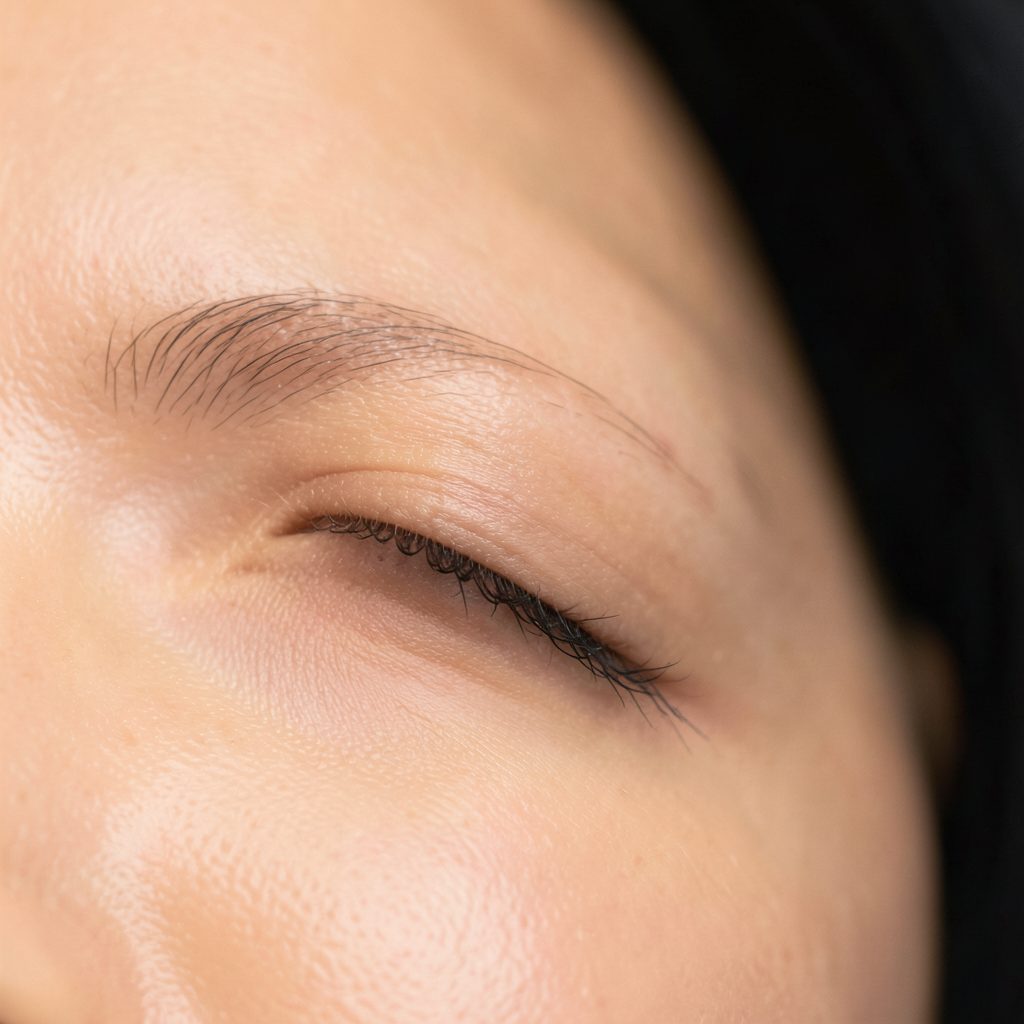
Surgical Option
For those seeking a more lasting result, plastic surgery — including blepharoplasty — is covered as a treatment option for hooded eyes. Surgery addresses the excess skin directly and is considered an alternative to non-surgical approaches like Botox.
The site's surgery guide explains the procedure, what to expect, and how it compares to non-surgical routes, helping readers make informed decisions about their options.
Read the Surgery Guide →Famous Faces
Hooded eyes can enhance facial expressions and contribute to a distinctive, memorable look. These ten well-known figures all share the eye shape.
Jennifer Aniston
Leonardo DiCaprio
Solange Knowles
Taylor Swift
Michelle Williams
Robert Pattinson
Blake Lively
Selena Gomez
Gigi Hadid
Benicio del Toro
Side by Side
False Lash Guide
Varied length spikes create texture and the illusion of depth without weighing down the lid.
Longer outer-corner lashes draw the eye outward and upward, counteracting the hood effect.
A uniform, moderate length that adds definition without overwhelming a hooded lid.
Applied only to the outer half, these open up the eye shape and are easier to manage on hooded lids.
A strong upward curl (D or L curl) lifts lashes away from the hood, keeping them visible throughout the day.
The guide also covers lash curlers, mascara recommendations, and step-by-step instructions for fixing false lashes on hooded eyelids.
Full Lash Guide →Get in Touch
Whether you are just beginning your makeup journey or have been experimenting with different looks for years, we are glad you are here.
General Feedback
Share your thoughts on the site or suggest topics you'd like covered.
Looking for a Specific Tip?
Ask about a particular technique or eye-shape challenge.
Product Questions
Questions about products mentioned across the site.
Human Resources or Business Inquiries
Partnership, collaboration, or business-related correspondence.