01
Makeup Tips
Eyeshadow placement, blending techniques, and common mistakes to avoid for a more open, lifted look.
Explore →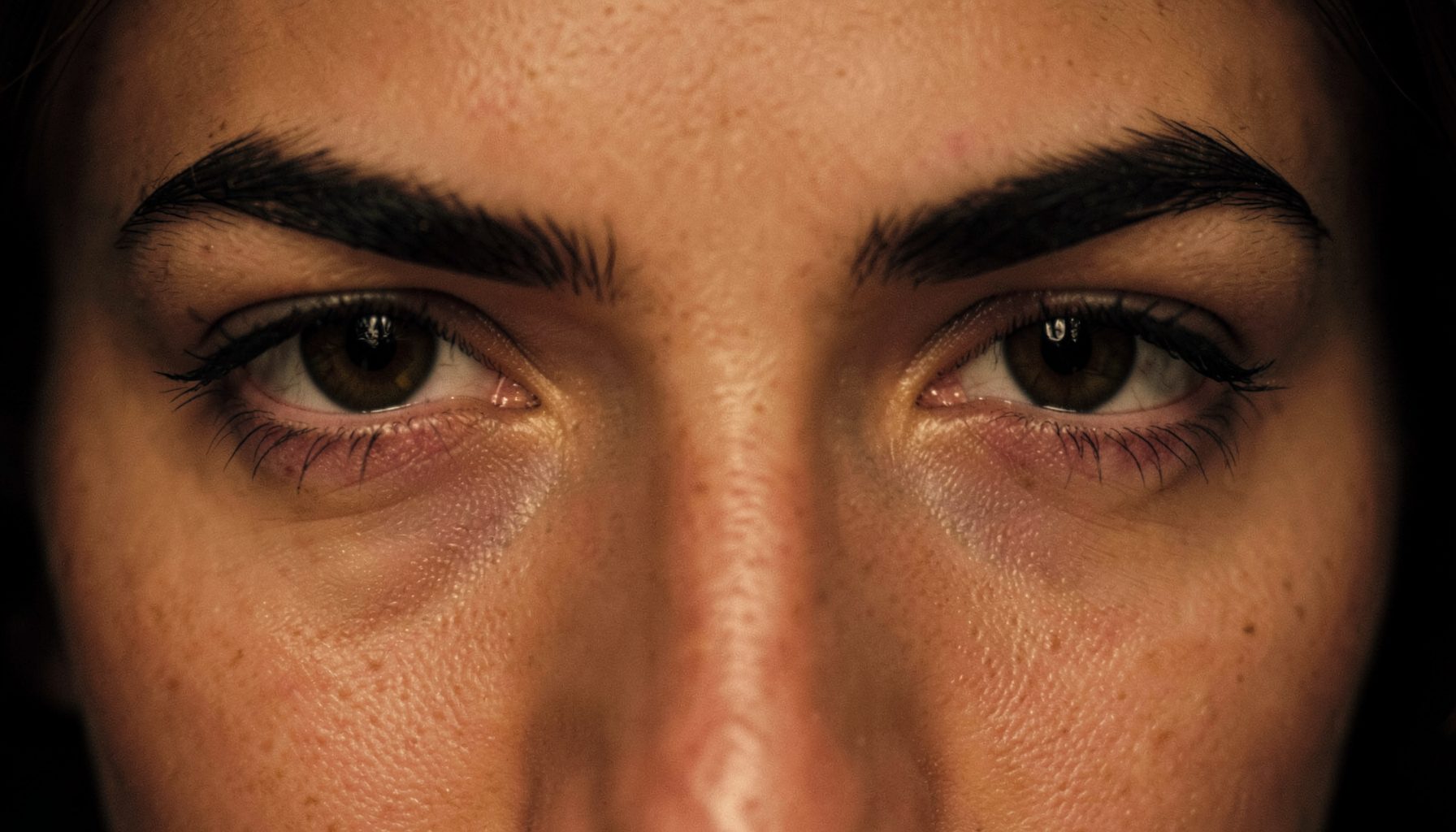
Eye Shape Guide
Understand your eye shape, master makeup techniques, and explore every treatment option — from Botox brow lifts to surgical solutions.
Explore the Site
Eyeshadow placement, blending techniques, and common mistakes to avoid for a more open, lifted look.
Explore →Winged liner, smudge prevention, and techniques that work with hooded lids to make eyes appear larger.
Explore →Non-surgical Botox brow lifts and surgical options including blepharoplasty, explained clearly.
Explore →Five false lash styles suited to hooded eyes, plus curler and mascara guidance for maximum lift.
Explore →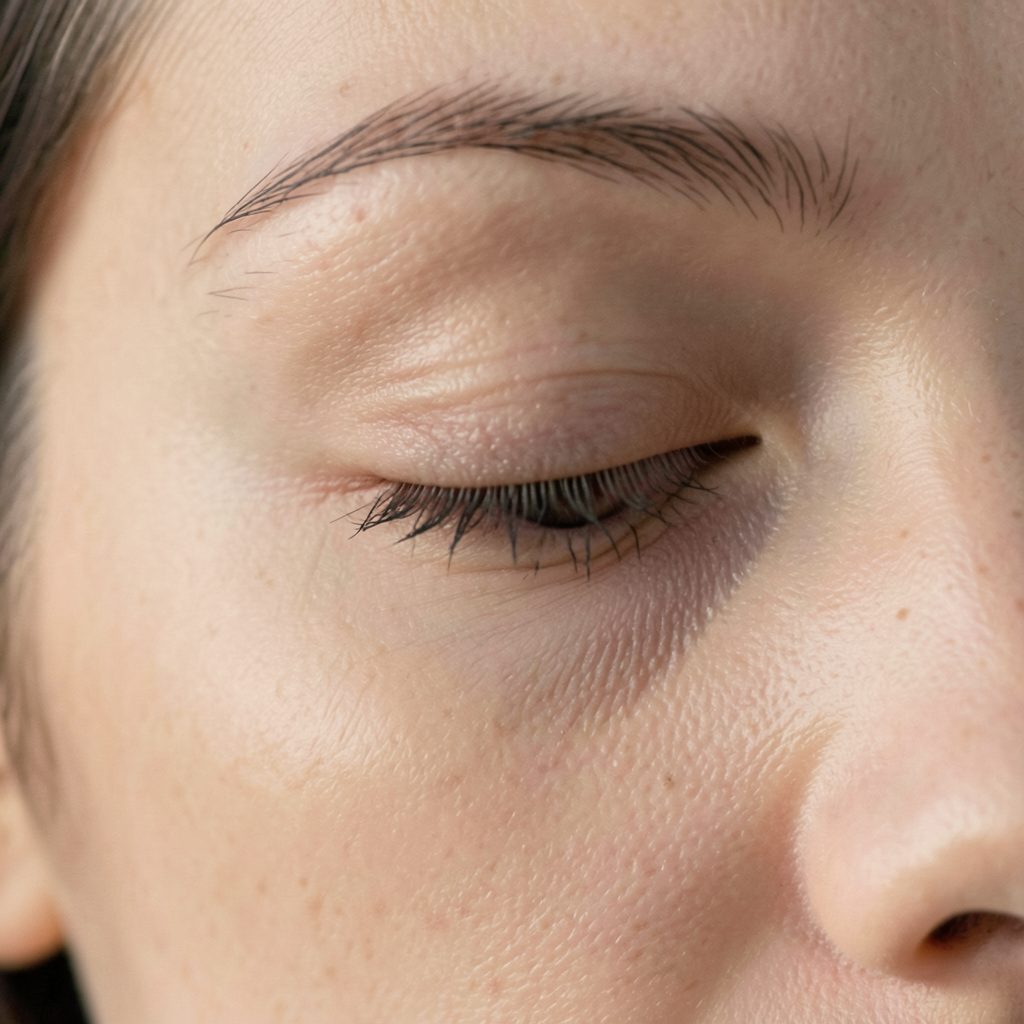
What Are Hooded Eyes?
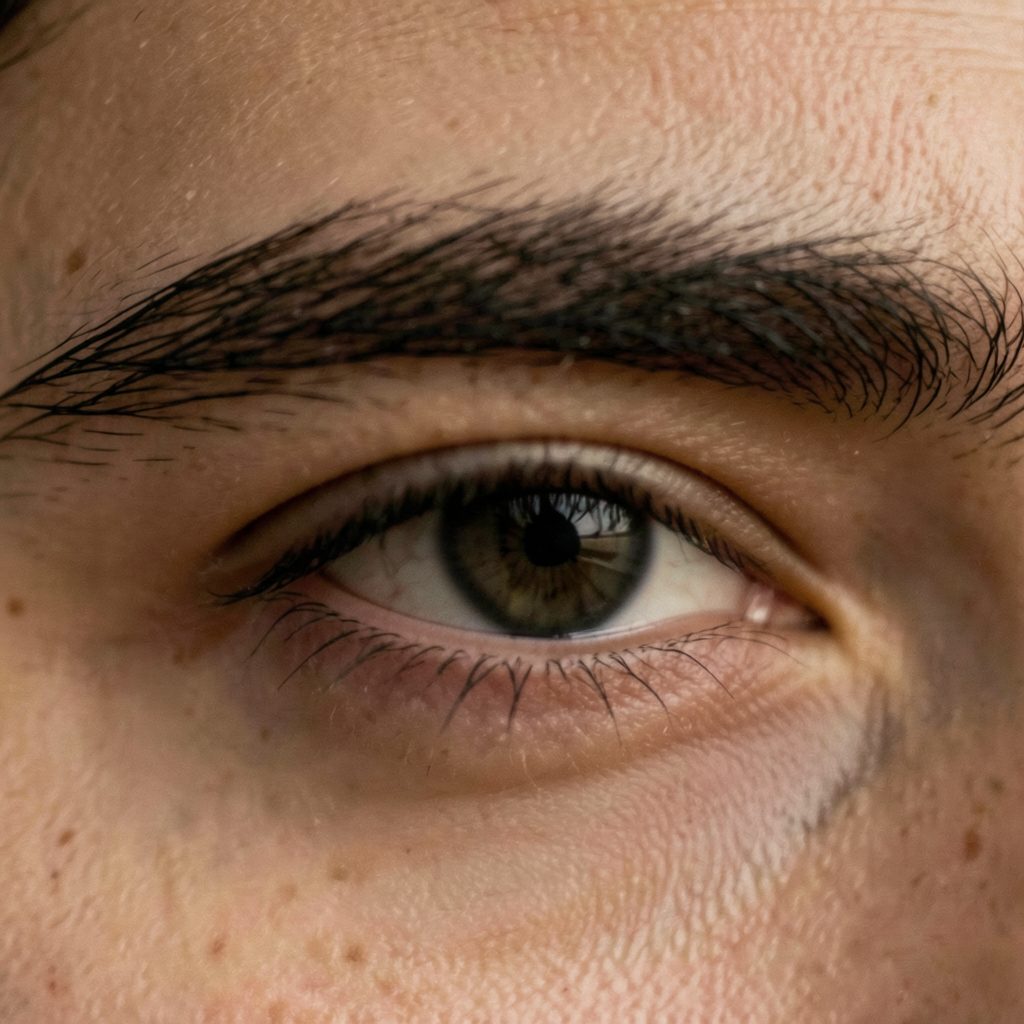
Hooded eyes are a natural eye shape where an excess piece of skin from the brow bone partially or completely covers the eyelid. The result can make eyes appear smaller or more tired than they feel.
This shape can be present from birth due to genetics, or it can develop over time. Known causes include aging, genetic traits, eye rubbing, body fatness, muscle structure, trauma, solar radiation, and sleep apnea.
A hooded eye is an upper eyelid whose fold covers most or all of the visible crease, leaving the area between the crease and lash line looking smooth. The upper edge of the iris may also seem partly shaded. Understanding the anatomy of a hooded eye helps you work with the structure you have rather than chase a crease that may never be visible.
People often group hooded, deep-set and single-lid eyes together, yet they describe different relationships between the brow, bone, muscle, fat and lid margin. Knowing why the fold forms helps separate a natural feature from age-related changes, excess skin or drooping that deserves a clinical assessment.
Makeup can improve balance and definition without changing a single tissue, while cosmetic procedures can alter muscle movement or remove surplus skin when appropriate. In Australia, strong UV exposure, humid summers and strict controls on prescription injectables make sun protection and informed care especially relevant.
Start with the proportions. On many hooded eyes, a small area of mobile lid remains visible between the upper lashes and the fold, even when no obvious crease appears above it. A deep-set eye may have a defined crease but sit farther back beneath the brow ridge. A single-lid eye usually has little or no horizontal crease. Each responds differently to highlight and shadow.
The same anatomy can look different from the front and the side. A forward-projecting brow bone may cast a shadow over the lid, while a lower or flatter brow ridge can leave more lid visible. Fat distribution also affects the transition from brow to socket. Together, these differences make “hooded” a visual description rather than one exact blueprint.
A mild hidden crease may be entirely normal and lifelong. Hooding becomes more noticeable when the fold thickens, while a lower lid margin can signal ptosis rather than simple hooding. Comparing photographs from different ages can reveal gradual change, although lighting, expression and camera angle can exaggerate differences.
The upper eyelid is a layered structure. Beneath the thin skin lie the orbicularis muscle, which closes the eye, and a fibrous sheet called the orbital septum. Deeper still, the levator palpebrae superioris lifts the lid, while the tarsal plate supports its shape. The levator changes into a broad tendinous sheet, the levator aponeurosis, as it approaches the lid.
The visible supratarsal crease forms where the levator’s tendinous attachment and the overlying muscle create a fold in the tissue. Think of the aponeurosis as a tensioned support for the lid. If it attaches lower, sits more slackly or loses mechanical pull, the crease can be lower or concealed. Hooding is therefore linked to the position and function of the levator complex, rather than simply “too much skin”.
Fat cushions sit on either side of the levator, and some can descend into the eyelid as support changes. A fuller lid may contain protruding fat, while a recessed upper socket may show a deeper shadow. Brow position and the bony rim also influence how much structure you can see. Similar brows can conceal different underlying folds.
Inherited anatomy is often the starting point. The height of the brow ridge, the course of the levator, fat distribution and skin elasticity all contribute. Some people have a partly hidden crease from childhood, while others develop a more obvious fold with age. Family resemblance does not mean every relative has the same eyelid shape.
Ageing can change several supports at once. The levator aponeurosis may lengthen or become less efficient, the upper-lid margin can descend, and fat can move forward. Skin loses recoil, and the brow may settle lower, adding apparent brow ptosis. Uneven changes can make one eye look more closed than the other.
Australian sun exposure adds another layer to the skin around the eyes. Ultraviolet radiation contributes to photoageing, while hats, wraparound sunglasses and broad-spectrum sunscreen protect this delicate area. Sun care cannot reposition the levator or alter the bony rim, but it can reduce avoidable damage to thin eyelid skin.
Hooding is not the same as ptosis. In ptosis, the upper-lid margin itself sits lower than usual and may cover part of the pupil; hooding describes the overlying fold and its effect on the crease. Dermatochalasis refers to loose, folded skin, while a deep-set eye relates to how the globe sits within the bony socket. Several features can coexist.
The distinction matters when the change is sudden. A newly drooping lid, especially with pain, redness, double vision or a marked difference between the eyes, needs prompt medical attention. Long-standing asymmetry or gradual change can be reviewed by an optometrist, general practitioner or ophthalmologist. Severe droop blocking the pupil can affect vision and may need medical management.
No diagram can decide whether a fold is attractive, healthy or in need of treatment. Note whether the lid margin rather than the crease has changed, and record any change in vision. A clinician can examine the lid margin, pupil position, eye movements and brow function, separating cosmetic concerns from findings that should be prioritised for eye health.
Treat the visible mobile lid as your working surface. A thin primer and a little concealer can even the tone without creating a pale patch above the lash line. Let each layer settle before powder, and keep the crease area free of heavy shimmer if you want more visible depth. Balance the eye rather than disguising every trace of the fold.
Contouring belongs above the fold and beneath the bony rim, not in a harsh stripe where a crease would be. Soft brown or taupe adds depth without the severity of black, while defined brows give the eye a clear upper boundary. When you want more definition, contouring a deeper crease shows how placement can suggest depth while preserving the natural lid shape.
Sydney’s coastal humidity, Melbourne’s changeable weather and Brisbane’s heat can each test a chosen formula. Waterproof eye products help, but need thorough removal. If a product causes stinging or swelling, stop using it and seek advice; a strong reaction deserves more attention than a crease that looks different.
Let the lash line do some of the defining when the fold is prominent. A slim flick that follows the natural lashes and extends just beyond the outer corner can open the silhouette without relying on a visible crease. Brown or charcoal often reads softer than thick black. For quick adjustments, these quick lid-opening liner tricks show how a small change in angle can make more of the eye visible.
Mascara lengthens the lashes upward and gives the upper lash line greater contrast against the lid. Curling before application can help, while a second light coat improves separation. False lashes should be trimmed to fit and fixed to your own lashes, not to the lid skin, which reduces irritation and traction. If the lid starts to overlap the lashes, reassess the look.
Brow shaping can compensate visually for a low fold without pretending to change it. Keep the brow defined but avoid an extremely sharp arch. Tinted brow products available through Australian pharmacies and department stores can soften sparse areas, while waxing or threading needs caution on sensitive skin. No cosmetic can shorten the levator tendon or restore lost support.
Botulinum toxin, including Botox, is a prescription medicine in Australia and may be used to relax muscles that pull the brow down. This temporary brow lift can make more lid visible when brow position contributes to the hooded appearance. It does not remove skin or repair the levator. Effects commonly last several months, although duration varies. Possible effects include bruising, headache, eyelid heaviness, asymmetry and, rarely, ptosis or double vision. The Therapeutic Goods Administration oversees botulinum toxin products in Australia, while practitioners are registered through AHPRA. Choose someone qualified to prescribe and administer injections, and ask about experience with brow-lift treatment. Off-label use may be involved. Consultation should cover expected movement, temporary asymmetries, aftercare and the reasons for a low brow.
Upper blepharoplasty is the surgical option for selected patients with excess skin, fat or an unwanted fold. The surgeon may reshape the crease and reposition tissue, but the goal should match your anatomy rather than impose a fixed “double eyelid”. Risks include bleeding, infection, scarring, asymmetry, dry eye, incomplete eyelid closure and changes in lid position. Swelling and bruising are common, and final results can take months. Follow the surgeon’s instructions on drops, makeup, contact lenses, swimming and exercise.
Purely cosmetic blepharoplasty is usually elective and privately funded in Australia. Medicare generally does not subsidise it, and many private health policies exclude it; ask for a written estimate and check any medically necessary component with the insurer. After surgery, protect the eyes from Australian sun, avoid rubbing and use prescribed cold compresses, head elevation and medication as directed. Allow swelling to settle before judging the crease.
Start with an anatomy-first approach: use the makeup guidance to test proportion and definition, and photograph your eyes in daylight rather than relying on a mirror angle. If the fold is new, uneven or affecting sight, arrange an eye-health assessment promptly. If you are considering treatment, book a consultation with a suitably qualified clinician and allow time to understand the risks, recovery and realistic outcome. Make that informed choice before changing the structure permanently.
Surgical Option
For those seeking a more lasting result, plastic surgery — including blepharoplasty — is covered as a treatment option for hooded eyes. Surgery addresses the excess skin directly and is considered an alternative to non-surgical approaches like Botox.
The site's surgery guide explains the procedure, what to expect, and how it compares to non-surgical routes, helping readers make informed decisions about their options.
Read the Surgery Guide →Famous Faces
Hooded eyes can enhance facial expressions and contribute to a distinctive, memorable look. These ten well-known figures all share the eye shape.
Jennifer Aniston
Leonardo DiCaprio
Solange Knowles
Taylor Swift
Michelle Williams
Robert Pattinson
Blake Lively
Selena Gomez
Gigi Hadid
Benicio del Toro
Side by Side
False Lash Guide
Varied length spikes create texture and the illusion of depth without weighing down the lid.
Longer outer-corner lashes draw the eye outward and upward, counteracting the hood effect.
A uniform, moderate length that adds definition without overwhelming a hooded lid.
Applied only to the outer half, these open up the eye shape and are easier to manage on hooded lids.
A strong upward curl (D or L curl) lifts lashes away from the hood, keeping them visible throughout the day.
The guide also covers lash curlers, mascara recommendations, and step-by-step instructions for fixing false lashes on hooded eyelids.
Full Lash Guide →Get in Touch
Whether you are just beginning your makeup journey or have been experimenting with different looks for years, we are glad you are here.
General Feedback
Share your thoughts on the site or suggest topics you'd like covered.
Looking for a Specific Tip?
Ask about a particular technique or eye-shape challenge.
Product Questions
Questions about products mentioned across the site.
Human Resources or Business Inquiries
Partnership, collaboration, or business-related correspondence.