01
Makeup Tips
Eyeshadow placement, blending techniques, and common mistakes to avoid for a more open, lifted look.
Explore →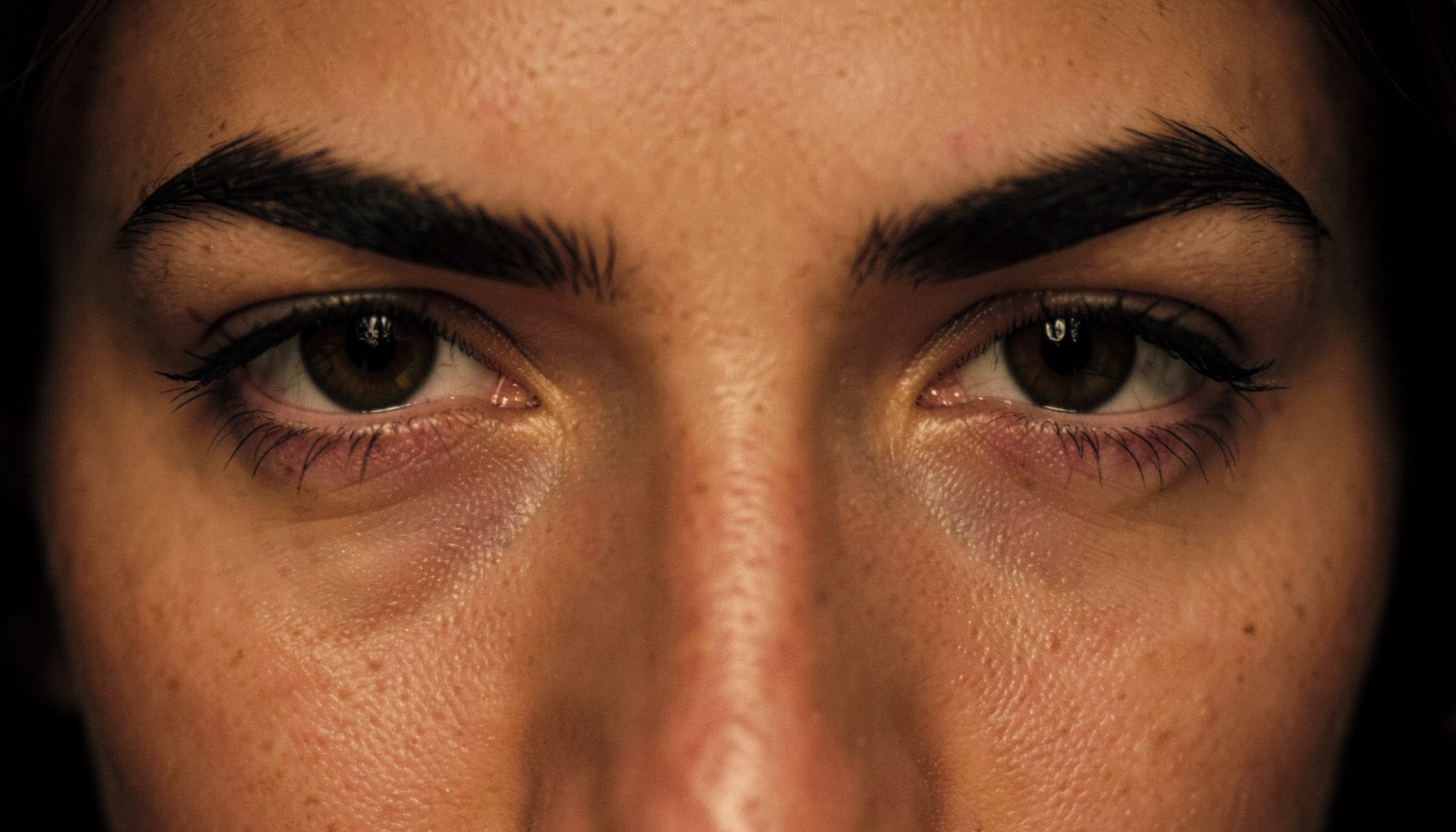
Eye Shape Guide
Understand your eye shape, master makeup techniques, and explore every treatment option — from Botox brow lifts to surgical solutions.
Explore the Site
Eyeshadow placement, blending techniques, and common mistakes to avoid for a more open, lifted look.
Explore →Winged liner, smudge prevention, and techniques that work with hooded lids to make eyes appear larger.
Explore →Non-surgical Botox brow lifts and surgical options including blepharoplasty, explained clearly.
Explore →Five false lash styles suited to hooded eyes, plus curler and mascara guidance for maximum lift.
Explore →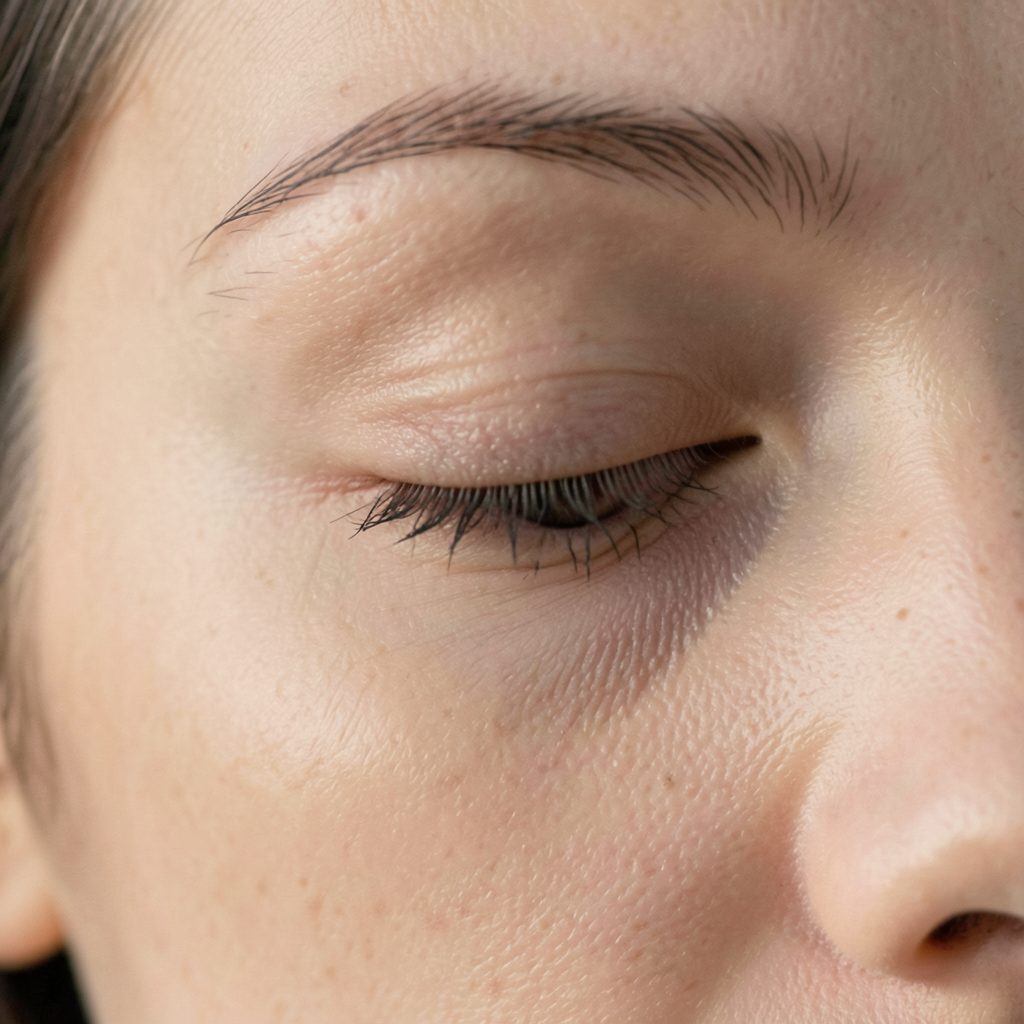
What Are Hooded Eyes?
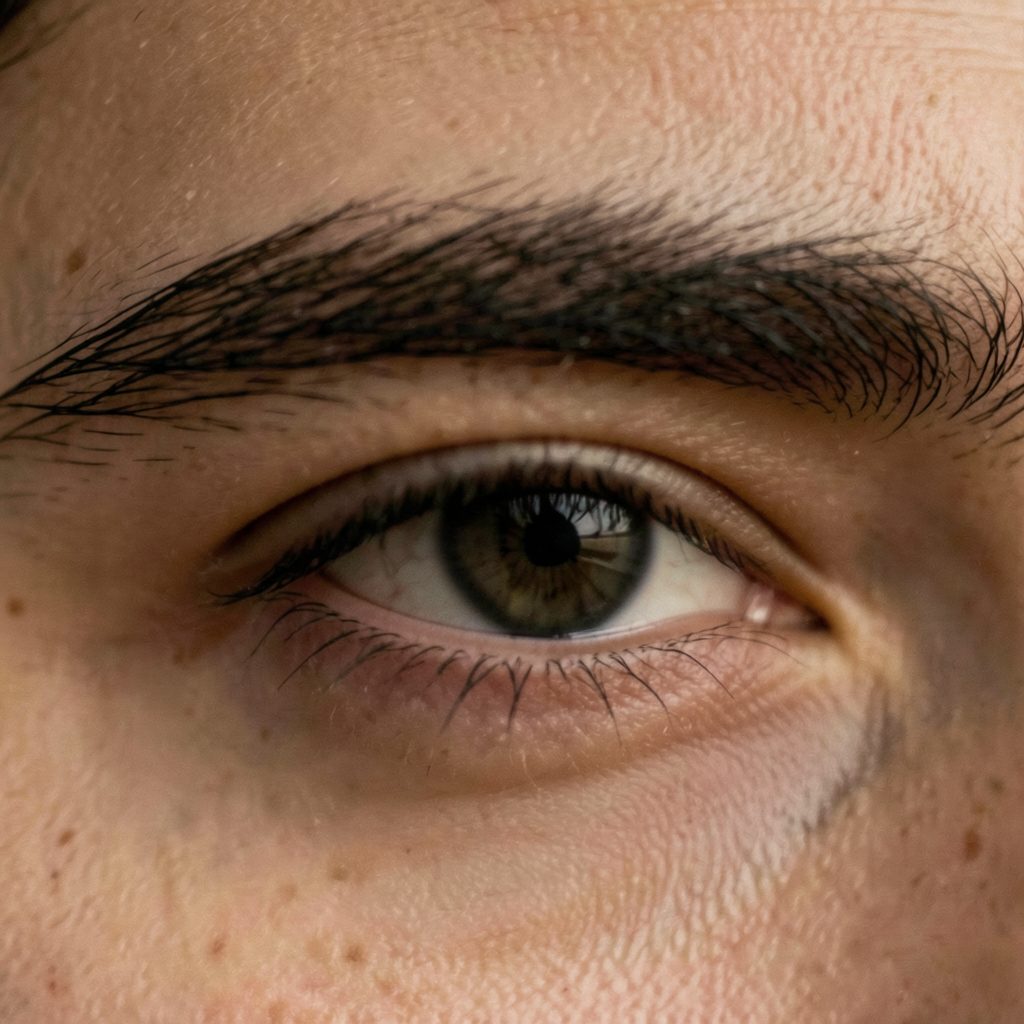
Hooded eyes are a natural eye shape where an excess piece of skin from the brow bone partially or completely covers the eyelid. The result can make eyes appear smaller or more tired than they feel.
This shape can be present from birth due to genetics, or it can develop over time. Known causes include aging, genetic traits, eye rubbing, body fatness, muscle structure, trauma, solar radiation, and sleep apnea.
Hooded eyes have a naturally folded upper lid, so the mobile eyelid may be partly hidden when the eyes are open. This can make a carefully drawn line disappear, transfer onto the crease or pull the eye down visually. The goal is not to cover the fold, but to place definition where it remains visible.
Small adjustments can create a fresher, more open appearance without complicated products. A thin lash-line base, a lifted outer flick and a little strategic brightness often have more impact than a thick wing. The best technique depends on whether your hood is mild, deep, symmetrical or more pronounced at the outer corners.
For Australian makeup wearers, product texture matters as much as application. Humid Brisbane and Queensland conditions can encourage smudging, while Melbourne’s changing weather may make a long-wear pencil more practical from morning to evening. The following methods work with liquid liner, gel, pencil and eyeshadow, so they can be adapted to your routine and local climate.
Apply eyeliner while looking straight into a mirror rather than closing the eye or stretching the skin sideways. When the lid is relaxed, you can see exactly where the crease hides the line. This prevents a wing that looks elegant with the eye shut but becomes uneven or invisible when you look forward.
Begin at the upper lash roots and draw a very fine line across the outer half of the eye. Keep the inner corner nearly bare or use a soft brown pencil there. A heavy inner line takes up valuable visible lid space and can make hooded eyes appear smaller.
If the fold covers most of your lid, create a tiny “peekaboo” line just above the natural crease at the outer corner. Keep it short and connect it to the lash line. This is sometimes called a floating wing, although the line should still look connected when the eye is open. The result is a lifted shape without forcing a large stripe across the hood.
A flattering wing usually follows the direction of the lower lash line towards the end of the brow, then turns back towards the upper lash line. For hooded eyes, shorten that angle and keep the wing slightly higher than you might expect. A long, low flick can emphasise the downward curve of the outer corner.
Draw the wing in small sections. First place the tip with the eye open, then connect it to the outer third of the lashes. Fill the triangle only after checking the shape from a relaxed expression. This approach gives you control over thickness and makes it easier to correct asymmetry.
Avoid extending the line deep into the crease, where blinking can break it apart. If your eyelid folds over the wing, angle the upper edge around the fold rather than trying to draw a perfectly straight line. The visible shape may look slightly different with the eyes closed, but it will appear balanced when you are speaking, smiling and moving.
Different formulas create different levels of control. A creamy pencil is forgiving for beginners and can be softened with a small brush, while gel offers stronger definition. Liquid liner gives the sharpest finish, though its quick-drying formula leaves less time for adjustments.
A waterproof or water-resistant formula is useful for long days, weddings and humid Australian summers. However, waterproof products should be removed gently with an oil-based or bi-phase remover rather than rubbed repeatedly. Friction can irritate the lash line and make the eyes look red.
| Liner style | Best use for hooded eyes | Main advantage | Watch for |
|---|---|---|---|
| Soft brown pencil | Subtle daytime definition | Easy to smudge and soften | Can transfer on oily lids |
| Gel liner | A defined but workable wing | Smooth, buildable finish | Needs a fine angled brush |
| Liquid pen | Crisp outer flick | Strong pigment and precision | Can look harsh if too thick |
| Powder eyeshadow | Soft liner and correction | Creates a diffused, lifted effect | May fade without an eye primer |
| Waterproof pencil | Humid weather and long wear | Resists moisture and transfer | Requires careful removal |
Prime the lid before applying liner, especially if the fold touches the lash line. A thin layer of matte concealer or eye primer can reduce oil and provide a smoother surface. Allow it to set before drawing; a tacky base can make a clean flick drag.
Eyeliner looks more open when it works with the surrounding eyeshadow. Keep the deepest shade close to the lashes and softly blend it outward and upward. Avoid placing a dark colour directly inside the hood if it reduces the visible lid area.
For a more detailed approach to combining crease depth with lid space, this deep-set placement guide explains why shadow position matters when the brow bone sits close to the eye. The same principle helps with eyeliner: definition should be visible when the eye is open, not hidden beneath the fold.
Use a satin or light-reflective shade on the centre of the mobile lid, leaving the outer corner softly defined. A pale champagne or neutral beige can make the lid look clearer without creating obvious shimmer. Avoid placing strong glitter directly on a fold if it tends to crease or migrate during the day.
White or very pale liner on the waterline can look stark. A nude pencil usually gives a more natural brightening effect. For sensitive eyes, choose an ophthalmologist-tested product and avoid applying pencil too far inside the inner waterline if it causes watering.
Many people have one eye that is more hooded, lower or deeper-set than the other. This is normal facial asymmetry, not evidence that you have applied your makeup incorrectly. Use the more hooded eye as the reference and match the visible, open-eye shape rather than copying identical measurements.
Take a quick photo from the front after the first eye is complete. Camera angles, facial movement and lighting can make the eyes appear different; this photo asymmetry explained offers useful context for why a mirror and a photograph may tell slightly different stories.
To balance the eyes, the more hooded side may need a slightly higher wing or a thinner inner line. On the less hooded side, keep the wing from becoming too dramatic just to match the height. Symmetry is created by similar visual weight, not necessarily by identical lines.
A cotton bud dipped in micellar water can sharpen the lower edge of a wing. For tiny corrections, use a small flat brush with concealer. Australian beauty retailers such as Mecca, Priceline and Chemist Warehouse commonly stock precision cotton buds, angled brushes and eye makeup removers, making this technique easy to build into a regular kit.
In Sydney or coastal New South Wales, a humid day can soften pencil and encourage the upper lid to imprint on the fold. Set a pencil line with a matching matte eyeshadow, concentrating the powder on the outer third. This keeps the colour soft while reducing transfer.
Queensland heat may call for a slim waterproof wing rather than a layered look. Let liquid liner dry fully before blinking, and avoid applying rich eye cream directly over the lid before makeup. If your eyes water in wind or bright sunlight, keep the inner corner minimal and reinforce only the outer lash line.
For a softer Melbourne look that can move from work to dinner, try dark brown, charcoal or deep plum instead of solid black. Australian office and daytime makeup often favours polished definition rather than a very graphic wing, and softer colours are easier to blend when the weather changes during the day.
A lash curler can make the eyes look more open before liner is added. Curl at the base and middle of the lashes, then apply mascara mainly to the upper lashes, with extra attention at the outer corner. Choose a tubing or smudge-resistant formula if conventional mascara marks the hood. If you use false lashes, select a lightweight, short-to-medium style with the longest point slightly outside the centre rather than an extremely heavy strip.
Practice the shape with eyeshadow first. A small angled brush and matte brown powder let you test the height of the wing without the commitment of liquid liner. Once the placement looks right with your eyes open, trace over it with gel or liquid product.
Keep the rest of the face balanced. A softly defined brow with a clean lower edge can create more room around the eyes, while excessive brow darkness may make the brow bone feel heavier. Brighten the inner corner sparingly and use a neutral concealer beneath the eyes to reduce shadows that can compete with the liner.
If eyeliner repeatedly transfers, causes irritation or becomes difficult to apply because of changing lid skin, a qualified optometrist, dermatologist or cosmetic doctor can help assess the issue. Cosmetic options such as a Botox brow lift or blepharoplasty may alter the surrounding structure, but they involve individual suitability, costs, recovery and potential risks. Makeup remains the simplest way to test a lifted effect before considering any treatment.
Use these techniques as a flexible framework rather than a strict template. A barely visible inner line, a short elevated wing and lifted lashes can change the appearance of hooded eyes in minutes. Keep your preferred pencil, fine brush and remover together, practise the open-eye method in natural light, and refine the shape until it feels comfortable for everyday Australian life.
Surgical Option
For those seeking a more lasting result, plastic surgery — including blepharoplasty — is covered as a treatment option for hooded eyes. Surgery addresses the excess skin directly and is considered an alternative to non-surgical approaches like Botox.
The site's surgery guide explains the procedure, what to expect, and how it compares to non-surgical routes, helping readers make informed decisions about their options.
Read the Surgery Guide →Famous Faces
Hooded eyes can enhance facial expressions and contribute to a distinctive, memorable look. These ten well-known figures all share the eye shape.
Jennifer Aniston
Leonardo DiCaprio
Solange Knowles
Taylor Swift
Michelle Williams
Robert Pattinson
Blake Lively
Selena Gomez
Gigi Hadid
Benicio del Toro
Side by Side
False Lash Guide
Varied length spikes create texture and the illusion of depth without weighing down the lid.
Longer outer-corner lashes draw the eye outward and upward, counteracting the hood effect.
A uniform, moderate length that adds definition without overwhelming a hooded lid.
Applied only to the outer half, these open up the eye shape and are easier to manage on hooded lids.
A strong upward curl (D or L curl) lifts lashes away from the hood, keeping them visible throughout the day.
The guide also covers lash curlers, mascara recommendations, and step-by-step instructions for fixing false lashes on hooded eyelids.
Full Lash Guide →Get in Touch
Whether you are just beginning your makeup journey or have been experimenting with different looks for years, we are glad you are here.
General Feedback
Share your thoughts on the site or suggest topics you'd like covered.
Looking for a Specific Tip?
Ask about a particular technique or eye-shape challenge.
Product Questions
Questions about products mentioned across the site.
Human Resources or Business Inquiries
Partnership, collaboration, or business-related correspondence.