01
Makeup Tips
Eyeshadow placement, blending techniques, and common mistakes to avoid for a more open, lifted look.
Explore →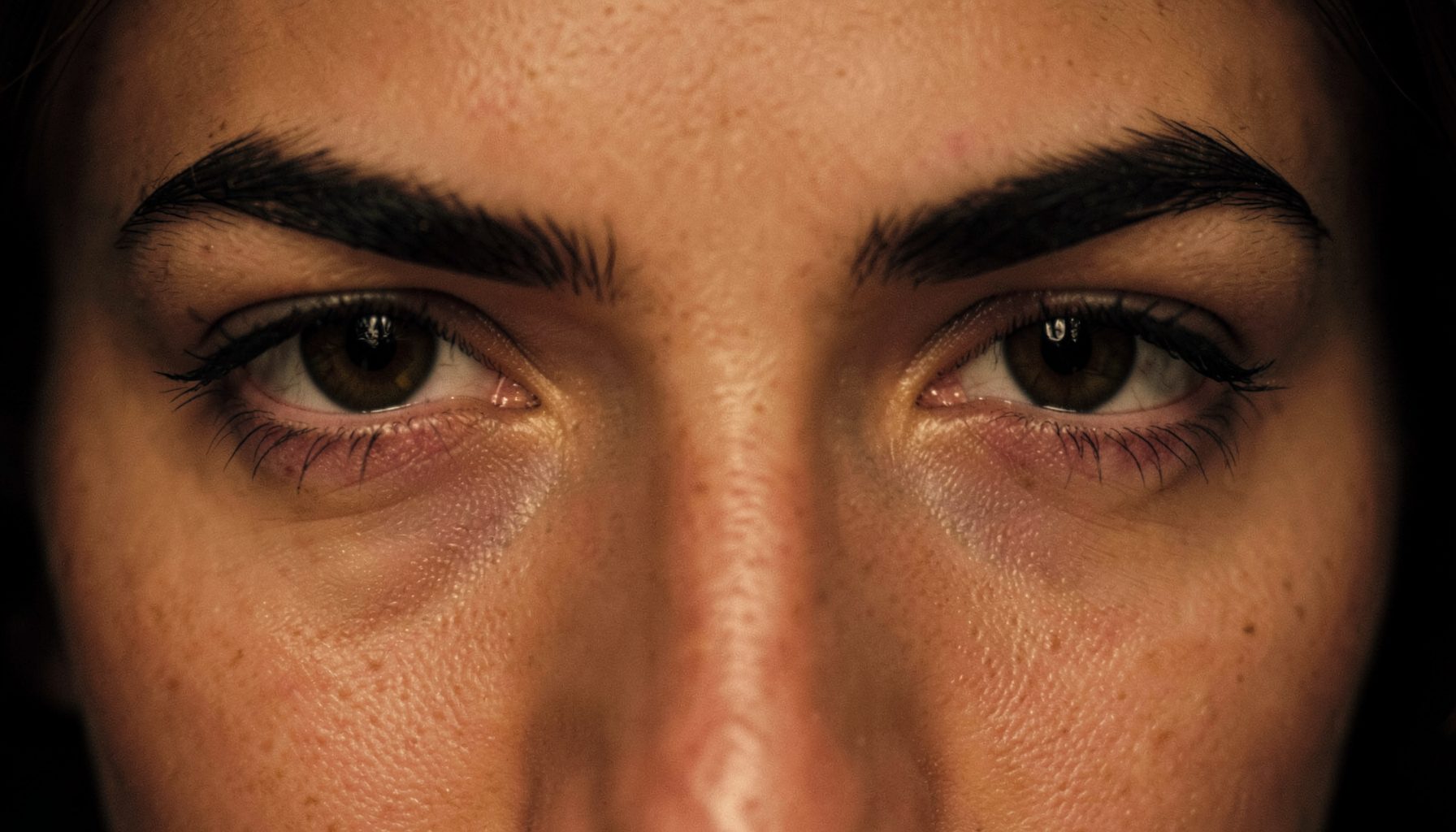
Eye Shape Guide
Understand your eye shape, master makeup techniques, and explore every treatment option — from Botox brow lifts to surgical solutions.
Explore the Site
Eyeshadow placement, blending techniques, and common mistakes to avoid for a more open, lifted look.
Explore →Winged liner, smudge prevention, and techniques that work with hooded lids to make eyes appear larger.
Explore →Non-surgical Botox brow lifts and surgical options including blepharoplasty, explained clearly.
Explore →Five false lash styles suited to hooded eyes, plus curler and mascara guidance for maximum lift.
Explore →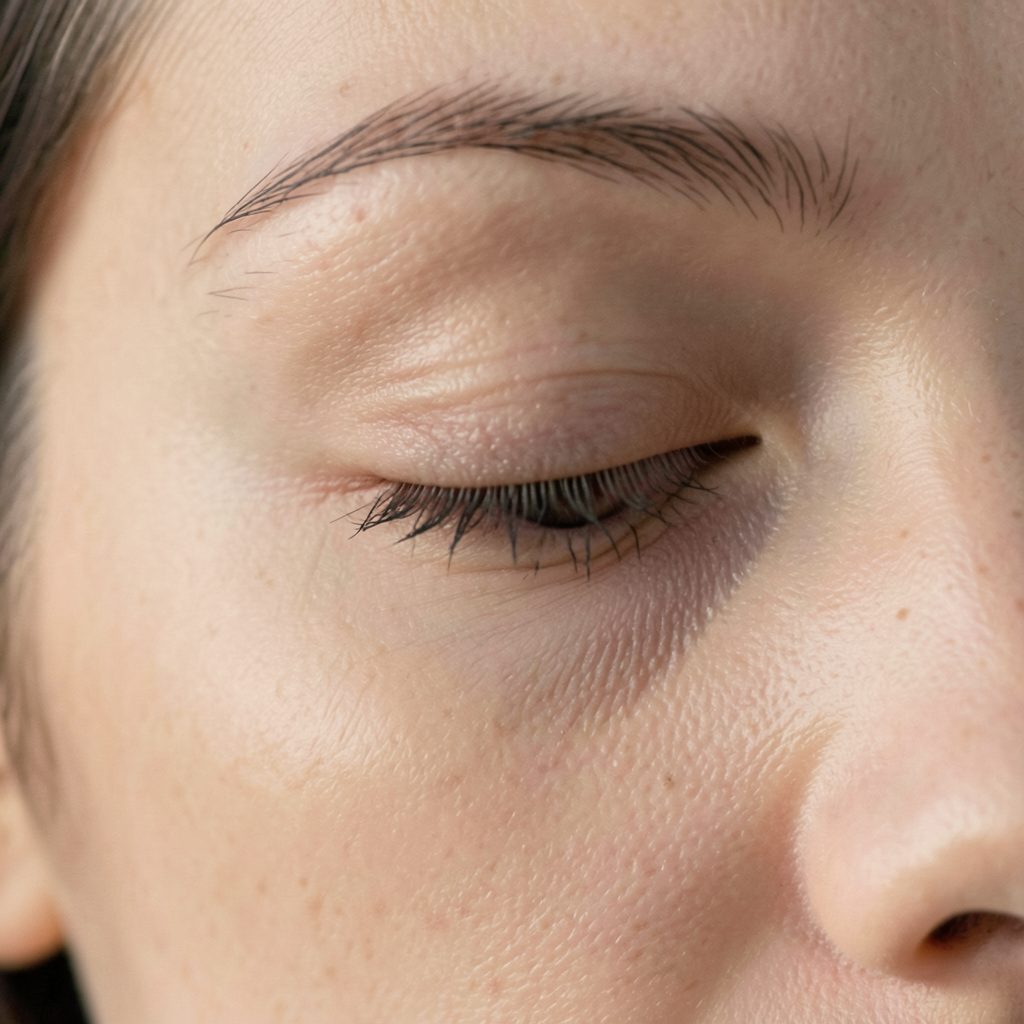
What Are Hooded Eyes?
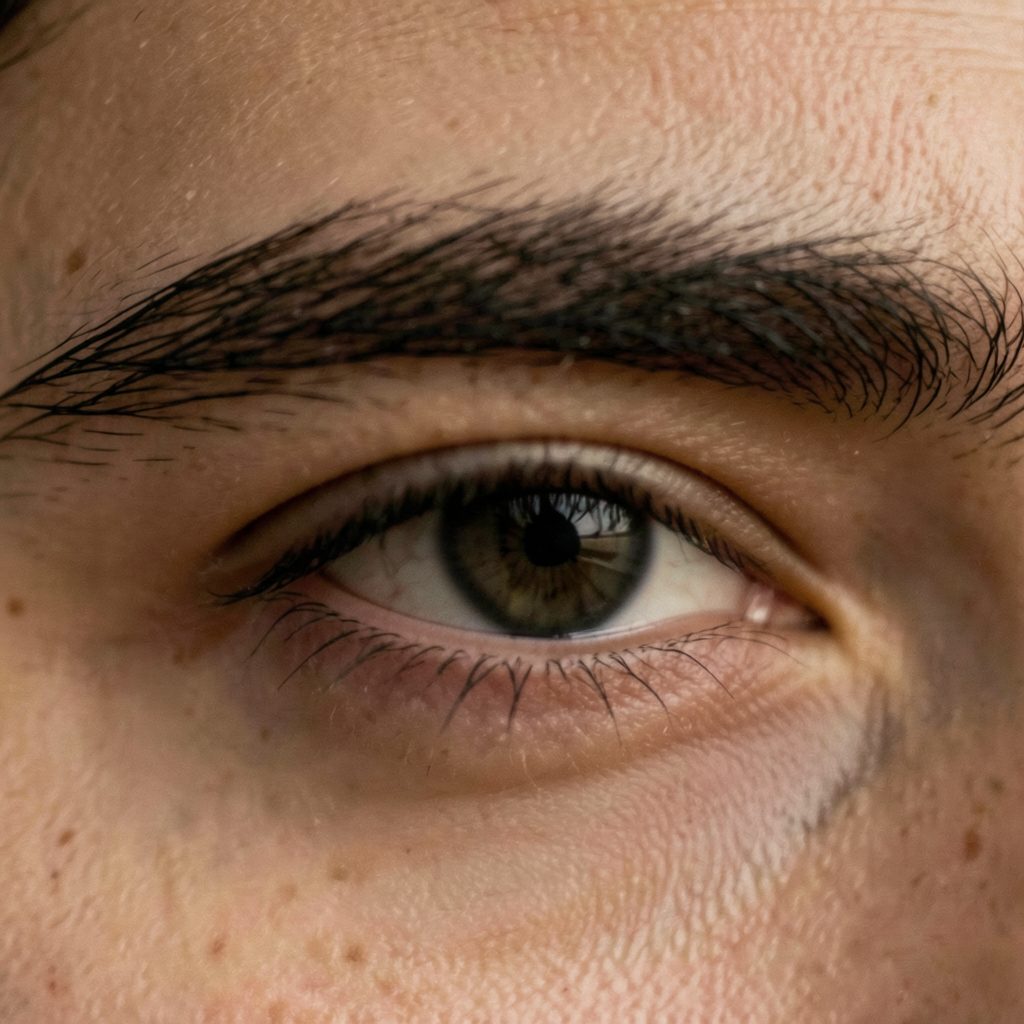
Hooded eyes are a natural eye shape where an excess piece of skin from the brow bone partially or completely covers the eyelid. The result can make eyes appear smaller or more tired than they feel.
This shape can be present from birth due to genetics, or it can develop over time. Known causes include aging, genetic traits, eye rubbing, body fatness, muscle structure, trauma, solar radiation, and sleep apnea.
A step-by-step guide to applying eyeliner on hooded eyes without smudging begins with one key principle: work with the mobile lid rather than against it. Hooded eyes occur when the upper eyelid fold sits low or the brow area creates extra skin above the lash line. With your eyes open, that skin can partially cover the liner, making a line that looks crisp during application disappear when you blink.
Hooded eyes are different from monolids. A monolid generally has no visible crease when the eye is open, while a hooded eye may have a crease that becomes hidden by the fold above it. Deep-set eyes, ageing, genetics and facial structure can all affect the amount of visible lid. This variation means there is no universal wing shape or eyeliner thickness that will suit every hooded eye.
Transfer usually occurs when liner, skincare or sweat collects on the moving skin above the lash line. Oil-based products, heavy concealer and applying too much liner can make the problem worse. A thinner line, a well-primed lid and a suitable brush give you more control than trying to seal the entire area with a thick coat of product.
Australian weather adds another layer to the challenge. Humidity, heat, wind and air-conditioning can affect how a formula behaves throughout the day. The aim is a comfortable, defined look that still moves naturally with the eye, rather than a rigid outline that flakes, folds or gathers in the crease.
Start by examining your eyes in a mirror while looking straight ahead, down and slightly to each side. Notice where the visible crease ends, how much mobile lid rests over the lashes and whether the outer corner points upward or downward. Taking a photo in natural light can also reveal whether one eye is more hooded or whether your brow position affects the available space.
If hooding is new, sudden, uneven or accompanied by drooping, double vision or changes in vision, arrange an assessment with a GP or optometrist rather than treating it as ordinary ageing. A brow-lift using Botox or a blepharoplasty procedure may sometimes be discussed medically, but neither is an eyeliner technique. Cosmetic procedures carry risks, recovery periods and individual outcomes, so any discussion should involve an appropriately qualified Australian practitioner and cover preparation and aftercare.
Keep your tools simple: a sharp pencil for the upper lash line, a fine angled brush for shaping, a small detail brush for cleaning edges and blotting paper for removing excess oil. Replace mascara and eye products regularly, and wash brushes with a mild cleanser. You can find familiar products at Priceline and Chemist Warehouse, specialist options through Australian retailers such as Adore Beauty, and additional brands at beauty counters in Myer and David Jones. Prices are generally shown in Australian dollars, making it easy to compare formats before you buy.
Begin with clean, dry eyelids. If you moisturise around the eye, allow the product to absorb and keep it away from the upper lash line. Apply a fragrance-free, oil-free eye primer where the lid overlaps the lashes, then allow it to set. Concealer can soften the appearance of the fold, but use a thin, matte layer rather than a thick patch that creates its own edge when the eye moves.
For a subtle base, compare cream-to-powder lid bases to find a breathable formula that does not emphasise the crease. Avoid strong shimmer directly above the lashes because reflected light makes the mobile lid look more pronounced. Translucent powder can reduce shine, although it should be applied lightly so it does not dry the lid or gather in fine lines.
Choose the liner according to how much control you need and how much time you have to remove it. A waterproof liquid formula gives a clean wing and performs well in humid conditions, while a gel pencil is forgiving and easy to build. Soft felt-tip pens create fine lines, and cream shadow applied with an angled brush produces a softer finish. If your eyes are sensitive or dry, test a formula first, especially if you wear contact lenses, and stop using any product that causes watering or stinging.
Step 1 — Conceal only where needed: If the fold covers part of your lash line, apply a small amount of matte concealer with a fingertip or damp sponge. Blend the inner edge into the surrounding skin, but leave the mobile lid flexible. Too much concealer can crease, and a sharp boundary may look like another line.
Step 2 — Place the first marks: Rest your elbow on a stable surface and look straight into the mirror. Use the pencil or liner to mark where you want the upper line to appear when your eye is open. Make two or three short strokes close to the roots of the lashes instead of attempting one heavy, continuous pass. Press the product into the lash line rather than dragging it across the lid.
Step 3 — Connect and refine: Join the short marks using small, controlled movements. Keep the line relatively thin at the inner corner and slightly thicker toward the outer third if you want definition. Any excess should be removed with a clean brush while the product is still workable. Try not to outline the whole eye, since a complete dark border can make the eye appear smaller and leave less room for the lid to move.
Step 4 — Shape the wing: Look straight ahead and imagine a fine extension from the outer corner toward your temple. A small upward flick often balances a hooded eye, but the angle should follow your natural brow and eye shape rather than a predetermined template. Build the flick with two light strokes, connect it to the lash line and sharpen the lower edge. An angled brush helps you keep the wing clean without adding unnecessary thickness.
Check the result with your eye fully open, then blink several times. If the line disappears beneath the fold, reduce the thickness rather than drawing it higher. A subtle wing may be more visible in daylight, while a slightly stronger outer corner can suit evening wear. Keep lower-lid product minimal if it tends to transfer, and avoid applying liner to the waterline when your eyes are sensitive.
The right format depends on your preferred definition, the amount of precision you need and how easily you can remove it. A waterproof formula may last longer, but a standard formula can be gentler during removal. Always follow the directions on the product and avoid using harsh solvents around the eye.
| Liner format | Advantage for a hooded lid | Possible drawback | Comfortable removal |
|---|---|---|---|
| Waterproof liquid liner | Creates a crisp wing and resists humidity | It can be drying or difficult to dissolve | Use a gentle balm or dissolving lotion |
| Gel pencil | Offers control and can be built gradually | Soft formulas may transfer under pressure | Remove with a cleansing balm or lotion |
| Felt-tip liquid pen | Produces a fine, precise line | Heavy pressure can create a blunt edge | Use a gentle eye-makeup remover |
| Cream shadow with an angled brush | Gives a soft, diffused finish | It offers less definition and may fade faster | Remove with a mild eye cleanser |
Once the shape is complete, set the upper line lightly with a clean brush and translucent powder, keeping the product above rather than directly on the lashes. Let it settle before adding mascara so the brush does not pull the liner downward. A spray setting product applied beneath the eyes can help reduce transfer without saturating the lid. For further advice on preventing upper-lid transfer, build the routine around thin layers and allow each one to dry before moving on.
Carry a pencil or matching liner for small touch-ups, but avoid repeatedly redrawing the entire line over old product. Blot the area gently with clean blotting paper instead of rubbing it, since rubbing creates friction and encourages smudging. If the lid becomes oily, press the paper lightly onto the fold rather than wiping it. Keep hair products, sunscreen and moisturiser away from the upper lashes immediately before applying liner.
Local conditions call for slightly different adjustments. Sydney’s coastal humidity can encourage extra creasing and transfer, while Melbourne’s changeable weather may have you moving between wind, rain and air-conditioned offices. Brisbane’s heat and strong sunlight make lightweight, long-wear formulas and careful SPF application around the eyes especially valuable. Australian spring, from September through November, can also bring pollen, watery eyes and rubbing that disturb delicate liner. Finally, compare prices and formulas across the Australian market before settling on a permanent product, as a mid-range pencil may offer better control than an expensive liquid that does not suit your lid.
Remove the liner completely at the end of the day rather than leaving it overnight. A warm compress and gentle cleanser can lift residue without aggressive rubbing, and you should avoid cleansing wipes on a sensitised lid. If the eye looks puffy, painful or persistently irritated, give it time to recover and seek professional advice when symptoms continue.
Choose one primer, one liner format and a small angled brush for your first attempt, then practise the same technique for several days. Once you understand how much visible space your mobile lid allows, you can adjust the thickness, wing and setting method to create a defined hooded-eye look that remains comfortable from morning to night.
Surgical Option
For those seeking a more lasting result, plastic surgery — including blepharoplasty — is covered as a treatment option for hooded eyes. Surgery addresses the excess skin directly and is considered an alternative to non-surgical approaches like Botox.
The site's surgery guide explains the procedure, what to expect, and how it compares to non-surgical routes, helping readers make informed decisions about their options.
Read the Surgery Guide →Famous Faces
Hooded eyes can enhance facial expressions and contribute to a distinctive, memorable look. These ten well-known figures all share the eye shape.
Jennifer Aniston
Leonardo DiCaprio
Solange Knowles
Taylor Swift
Michelle Williams
Robert Pattinson
Blake Lively
Selena Gomez
Gigi Hadid
Benicio del Toro
Side by Side
False Lash Guide
Varied length spikes create texture and the illusion of depth without weighing down the lid.
Longer outer-corner lashes draw the eye outward and upward, counteracting the hood effect.
A uniform, moderate length that adds definition without overwhelming a hooded lid.
Applied only to the outer half, these open up the eye shape and are easier to manage on hooded lids.
A strong upward curl (D or L curl) lifts lashes away from the hood, keeping them visible throughout the day.
The guide also covers lash curlers, mascara recommendations, and step-by-step instructions for fixing false lashes on hooded eyelids.
Full Lash Guide →Get in Touch
Whether you are just beginning your makeup journey or have been experimenting with different looks for years, we are glad you are here.
General Feedback
Share your thoughts on the site or suggest topics you'd like covered.
Looking for a Specific Tip?
Ask about a particular technique or eye-shape challenge.
Product Questions
Questions about products mentioned across the site.
Human Resources or Business Inquiries
Partnership, collaboration, or business-related correspondence.