01
Makeup Tips
Eyeshadow placement, blending techniques, and common mistakes to avoid for a more open, lifted look.
Explore →
Eye Shape Guide
Understand your eye shape, master makeup techniques, and explore every treatment option — from Botox brow lifts to surgical solutions.
Explore the Site
Eyeshadow placement, blending techniques, and common mistakes to avoid for a more open, lifted look.
Explore →Winged liner, smudge prevention, and techniques that work with hooded lids to make eyes appear larger.
Explore →Non-surgical Botox brow lifts and surgical options including blepharoplasty, explained clearly.
Explore →Five false lash styles suited to hooded eyes, plus curler and mascara guidance for maximum lift.
Explore →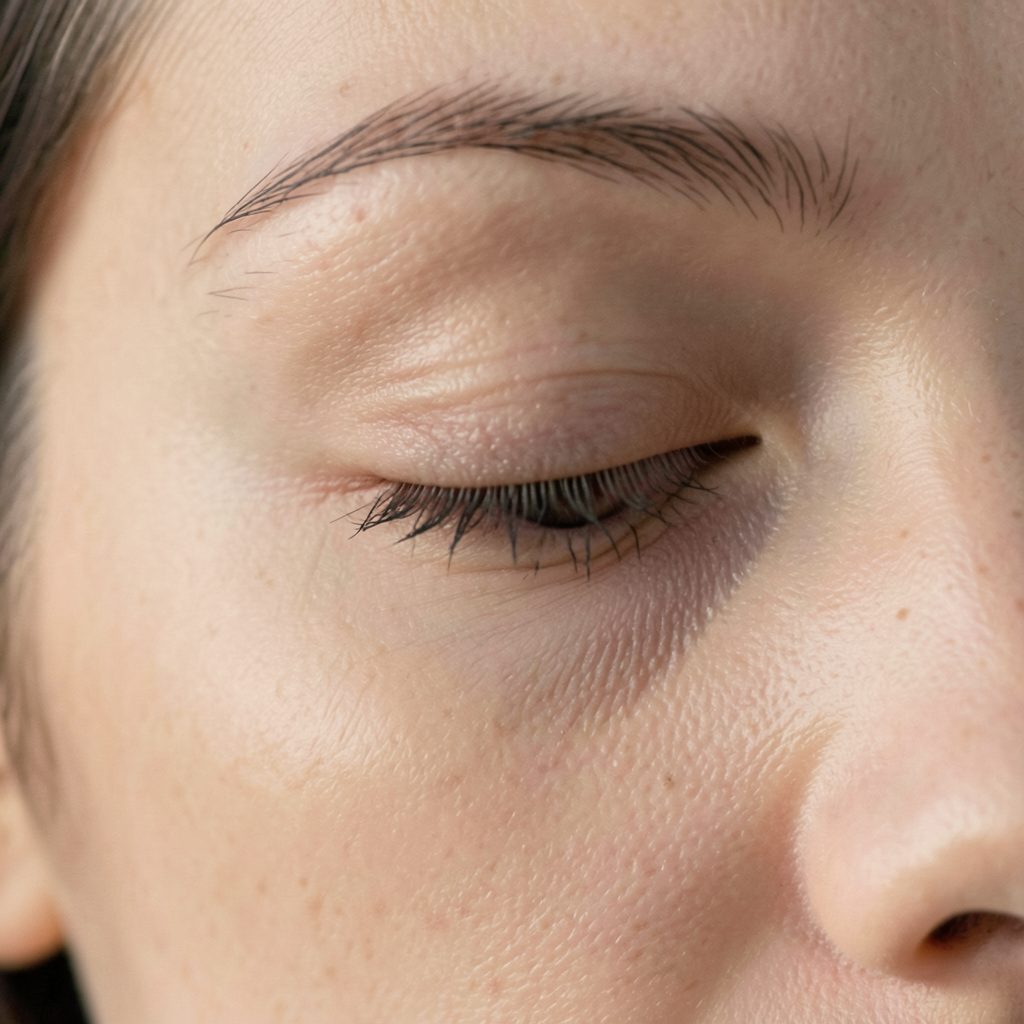
What Are Hooded Eyes?
Hooded eyes are a natural eye shape where an excess piece of skin from the brow bone partially or completely covers the eyelid. The result can make eyes appear smaller or more tired than they feel.
This shape can be present from birth due to genetics, or it can develop over time. Known causes include aging, genetic traits, eye rubbing, body fatness, muscle structure, trauma, solar radiation, and sleep apnea.
Eyeliner transfer happens when pigment moves from the lash line onto the upper lid, leaving a grey, black or coloured mark in the crease. It is especially common with hooded eyes, where the brow bone and upper-lid skin sit close to, or lightly touch, the mobile lid. Warm weather, oily skin, watery eyes and frequent blinking can make the problem more noticeable.
The best approach combines preparation, placement and setting. A long-wear formula helps, but technique matters just as much. When the upper lid folds over the eyeliner, even a product labelled waterproof may eventually soften and stamp onto the skin above it.
| What you notice | Common reason | Most useful adjustment |
|---|---|---|
| A thin line above the crease | The liner is touching the fold | Apply a finer line and keep it close to the lashes |
| Smudging at the outer corner | Tears, oil or rubbing | Use a waterproof pencil or gel and set the area |
| Transfer after applying eyeshadow | The liner has not fully dried | Wait before blinking normally or layering products |
| Faded colour by midday | Natural oils breaking down pigment | Use eye primer and powder strategically |
| Flaking or irritation | Formula is too dry or unsuitable | Remove it and try a gentler, flexible product |
Hooded eyes have extra skin or a lower brow-to-crease distance that partially covers the mobile eyelid. Some people have a subtle hood, while others have a heavier fold that rests directly over the lash line. The shape may be genetic, age-related or influenced by changes in skin elasticity. You can learn more about placement and shape in this guide to makeup for hooded eyes.
When the lid opens and closes, the fold can act like a small stamp. Creamy eyeliner is pressed against the upper lid, where warmth and natural oils loosen the pigment. A thick wing has a greater chance of touching the fold than a slim line, particularly at the outer corner.
Australia’s climate can add another layer to the problem. Humidity in Brisbane and Darwin may keep products soft, while hot, dry conditions in inland areas can encourage flaking around the eyes. Even Melbourne’s cooler weather does not prevent transfer when heating, sunscreen or a rich moisturiser increases skin slip.
Begin with clean, dry eyelids. Remove traces of moisturiser, eye cream and sunscreen from the lash line with a gentle, fragrance-free cleanser or micellar water, then allow the skin to dry. If your eyelids are oily, lightly press a tissue over them rather than rubbing, which can stimulate more oil and create redness.
An eye primer creates a more even surface and helps pigment grip. Choose a thin, quick-drying formula rather than a thick concealer, balm or luminous base. Concealer can work when applied sparingly, but too much creamy product gives eyeliner something slippery to move across. For very oily lids, a small amount of matte, skin-toned eyeshadow over the primer can improve staying power.
Keep face oils, rich eye creams and glossy highlighters away from the fold. This is particularly useful during a summer day at Bondi Beach, a long commute across Sydney or an outdoor event where heat builds around the eyes. Sunscreen still matters, but apply it carefully around the orbital bone and give it time to settle before makeup.
For hooded eyelids, draw the thinnest practical line along the upper lashes. Start in the centre and work towards the outer corner, pressing the tip between the lashes to create the impression of fullness without laying a thick stripe on top of them. A tightline effect usually lasts better than a broad band of colour.
Keep the liner below the fold when your eyes are open. You may need to look straight into a mirror while applying it rather than closing one eye. This reveals where the product will sit during normal wear. If a wing disappears when the eye is relaxed, extend it slightly outward instead of drawing a taller, heavier flick into the hood.
Liquid liner often gives the sharpest finish, but it must dry completely. Gel can be long-lasting when set with powder, while a soft kohl pencil is usually the most likely to migrate. Waterproof or water-resistant formulas are useful for humid Australian conditions, exercise and watery eyes, though “waterproof” does not mean transfer-proof against oily skin.
Avoid stretching the eyelid tightly while applying liner. When released, the skin returns to its natural position and may push the line into the crease. Use short strokes, keep your expression relaxed and allow the product to settle before blinking fully. For a more detailed wing technique, follow this cat-eye guide.
Once the eyeliner is dry, press a matching matte eyeshadow over it with a small, firm brush. Black liner can be set with a charcoal or black shadow, brown with chocolate or deep taupe, and coloured liner with a similar shade. Pressing is more effective than sweeping because it deposits powder without dragging the base underneath.
For a softer result, use eyeshadow to create the line first, then add liquid or gel only at the roots of the lashes. This reduces the amount of wet pigment sitting on the lid. A translucent setting powder can help around the fold, but too much may make the skin look dry and can cause powder to collect in fine lines.
Mascara also affects transfer. If your upper lashes touch the hood, a wet mascara may leave dots or smears above the crease. Curl lashes before applying mascara, concentrate the product at the roots and choose a tubing or water-resistant formula if traditional mascara tends to stamp. Leave enough time for it to dry before looking down.
Carry cotton buds and a small amount of micellar water for precise repairs. Do not repeatedly rub the mark away, as friction can spread pigment and irritate the delicate skin. A pointed cotton bud can lift a small transfer, while a touch of concealer and eyeshadow can restore the area without removing the whole eye look.
A quick midday check is useful before the transfer becomes pronounced. Look straight ahead in natural light, particularly before leaving for a wedding, work presentation or outdoor lunch. In Australia, reapplying sunscreen around the face can also disturb makeup, so use clean fingers or a small sponge and avoid dragging product across the eyelids.
If you know you will be outside in Perth heat, travelling on public transport in summer or attending a humid evening event in Cairns, simplify the eye look. A thin brown or dark taupe line is more forgiving than a thick black wing. Matte shadows usually resist movement better than metallic creams, and a shorter wing reduces contact with the hood.
Watery eyes need a different solution from oily lids. Wind, allergies, contact lenses and irritation can cause tears that dissolve pigment at the inner and outer corners. Use preservative-free lubricating drops when appropriate, check that contact lenses fit comfortably and avoid applying liner inside the waterline if it regularly causes watering.
Replace products when their texture changes, smell becomes unusual or the tip starts dragging. Old eyeliner can become crumbly, patchy or contaminated, increasing both transfer and irritation risk. Never share eye makeup, and do not use a product that causes burning, swelling, persistent redness or blurred vision. Remove makeup gently at night rather than sleeping in a long-wear formula.
For people who enjoy a short digital diversion while waiting for beauty products to dry, this separate play now option is unrelated to makeup; use only legal, regulated services and responsible-gambling limits in Australia. Keeping entertainment browsing separate from a rushed application routine can also reduce the temptation to touch or check the eyes repeatedly.
Persistent transfer may be linked to pronounced hooding, a low brow position or changes in upper-lid skin. Cosmetic options such as a Botox brow lift can subtly raise the brow in some people, while upper blepharoplasty removes or reshapes excess skin when clinically appropriate. These treatments require an individual assessment and should never be chosen solely to make eyeliner easier to wear.
A qualified Australian medical practitioner should discuss your anatomy, expectations, medical history and alternatives before treatment. Ask about temporary effects from Botox, including asymmetry or brow heaviness, and about blepharoplasty risks such as swelling, bruising, dry eyes, infection, scarring and changes in eyelid position. Recovery planning matters if you work outdoors or live in a hot climate.
Makeup remains the lower-risk first step for most people. Test one change at a time: remove rich eye cream, switch to primer, reduce liner thickness, change the formula or add a setting layer. This makes it easier to identify what is causing the transfer and avoids piling several products onto sensitive skin.
Give each routine a fair trial over several days and in conditions similar to your normal life. A liner that survives an air-conditioned office may behave differently during a Queensland summer walk. The goal is a comfortable look that stays close to the lashes, rather than a heavy application that depends on constant checking.
Try the routine on one eye first: cleanse, prime lightly, apply a fine line, let it dry and set it with matching shadow. Wear it through your usual day, then compare both sides in the evening. Once you find the combination that remains clean and comfortable, keep those products together as a reliable hooded-eye kit.
Surgical Option
For those seeking a more lasting result, plastic surgery — including blepharoplasty — is covered as a treatment option for hooded eyes. Surgery addresses the excess skin directly and is considered an alternative to non-surgical approaches like Botox.
The site's surgery guide explains the procedure, what to expect, and how it compares to non-surgical routes, helping readers make informed decisions about their options.
Read the Surgery Guide →Famous Faces
Hooded eyes can enhance facial expressions and contribute to a distinctive, memorable look. These ten well-known figures all share the eye shape.
Jennifer Aniston
Leonardo DiCaprio
Solange Knowles
Taylor Swift
Michelle Williams
Robert Pattinson
Blake Lively
Selena Gomez
Gigi Hadid
Benicio del Toro
Side by Side
False Lash Guide
Varied length spikes create texture and the illusion of depth without weighing down the lid.
Longer outer-corner lashes draw the eye outward and upward, counteracting the hood effect.
A uniform, moderate length that adds definition without overwhelming a hooded lid.
Applied only to the outer half, these open up the eye shape and are easier to manage on hooded lids.
A strong upward curl (D or L curl) lifts lashes away from the hood, keeping them visible throughout the day.
The guide also covers lash curlers, mascara recommendations, and step-by-step instructions for fixing false lashes on hooded eyelids.
Full Lash Guide →Get in Touch
Whether you are just beginning your makeup journey or have been experimenting with different looks for years, we are glad you are here.
General Feedback
Share your thoughts on the site or suggest topics you'd like covered.
Looking for a Specific Tip?
Ask about a particular technique or eye-shape challenge.
Product Questions
Questions about products mentioned across the site.
Human Resources or Business Inquiries
Partnership, collaboration, or business-related correspondence.