01
Makeup Tips
Eyeshadow placement, blending techniques, and common mistakes to avoid for a more open, lifted look.
Explore →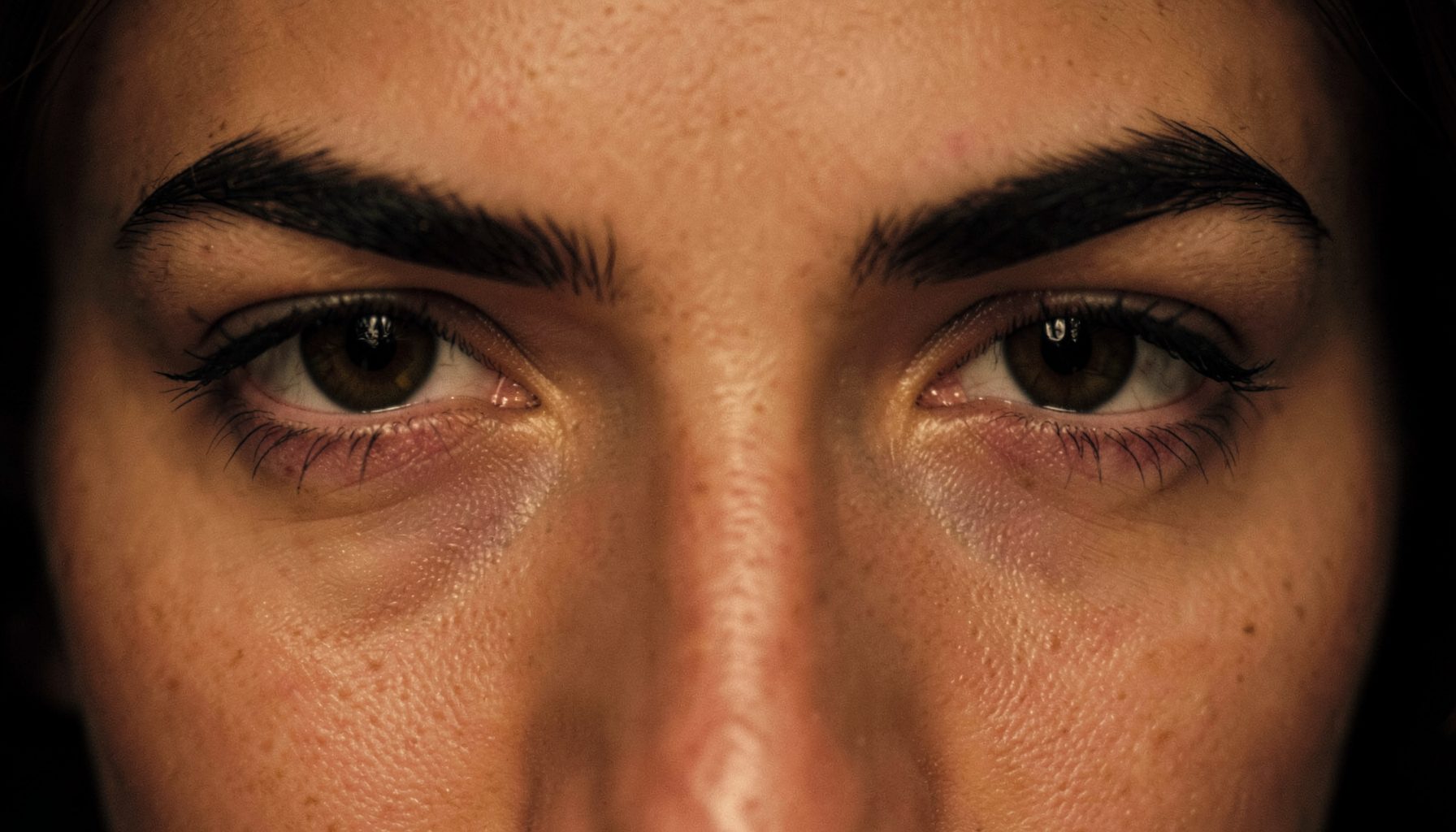
Eye Shape Guide
Understand your eye shape, master makeup techniques, and explore every treatment option — from Botox brow lifts to surgical solutions.
Explore the Site
Eyeshadow placement, blending techniques, and common mistakes to avoid for a more open, lifted look.
Explore →Winged liner, smudge prevention, and techniques that work with hooded lids to make eyes appear larger.
Explore →Non-surgical Botox brow lifts and surgical options including blepharoplasty, explained clearly.
Explore →Five false lash styles suited to hooded eyes, plus curler and mascara guidance for maximum lift.
Explore →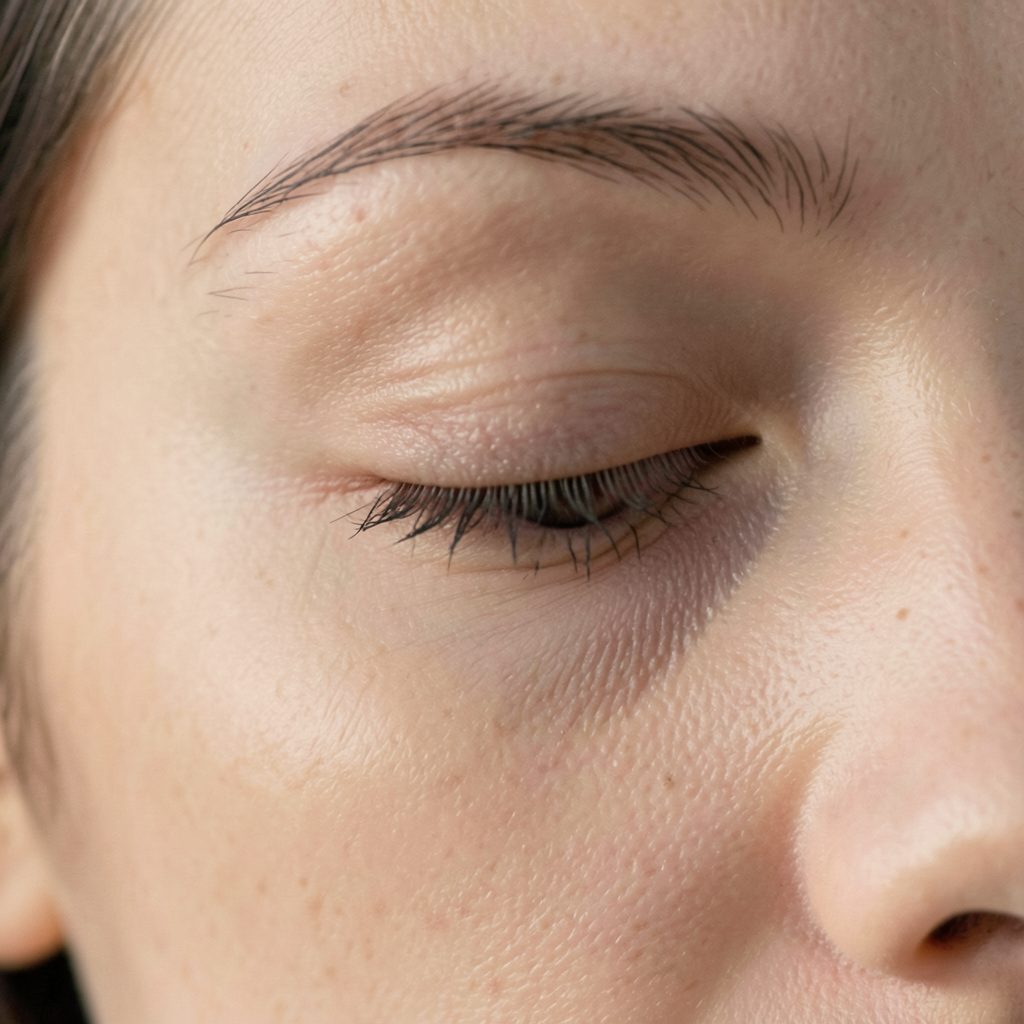
What Are Hooded Eyes?
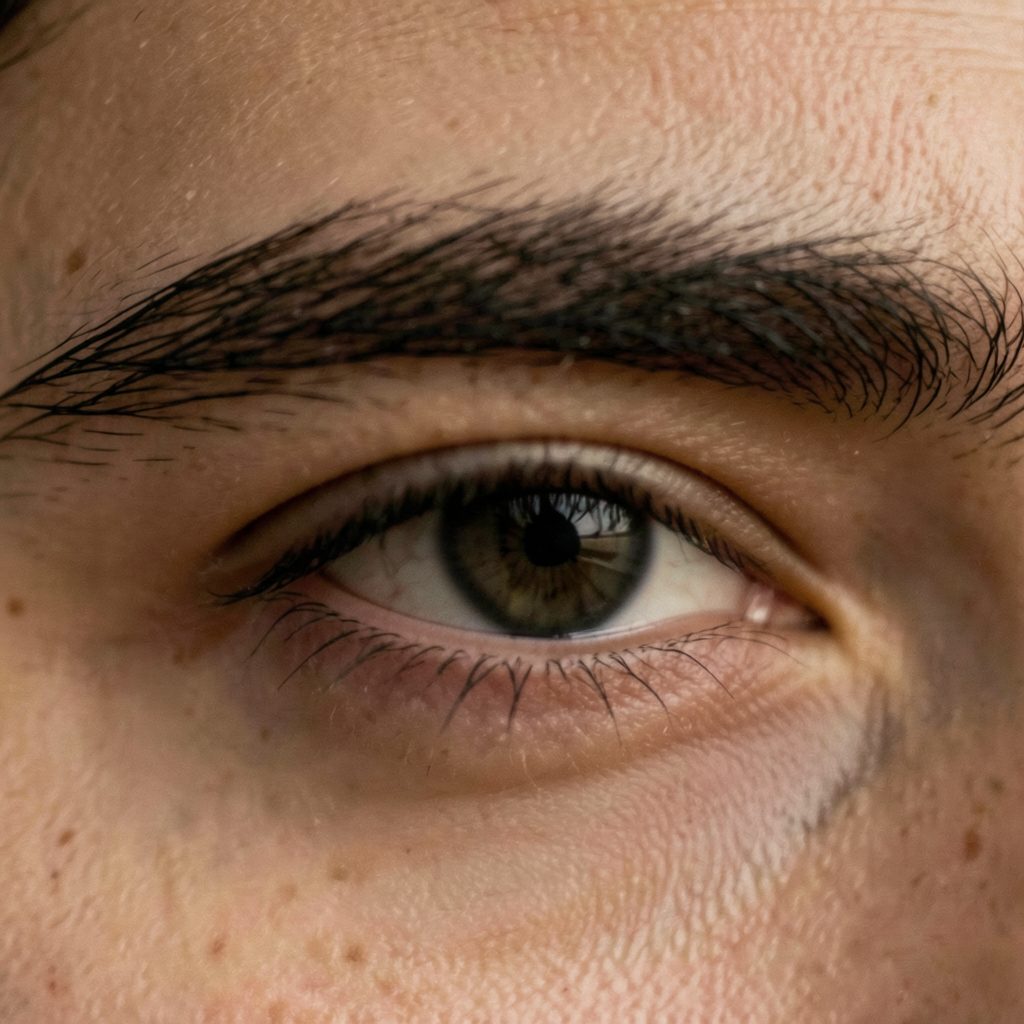
Hooded eyes are a natural eye shape where an excess piece of skin from the brow bone partially or completely covers the eyelid. The result can make eyes appear smaller or more tired than they feel.
This shape can be present from birth due to genetics, or it can develop over time. Known causes include aging, genetic traits, eye rubbing, body fatness, muscle structure, trauma, solar radiation, and sleep apnea.
Hooded eyes have a soft fold of skin above the upper lash line, making the visible crease appear smaller or less defined. Because this mobile eyelid shifts when you blink, look down or move your face, colour can migrate into places you did not intend to highlight.
Powder-based eyeshadow is especially prone to creating fallout in the hood crease. Fine particles can collect along the fold, while cream products may gather there through the natural movement of the eyelid. Tears, skincare, sebum and Australian weather can all affect how quickly makeup settles.
The solution is not simply to avoid crease definition. With careful preparation, controlled application and the right setting products, you can create a softly defined look that remains clear throughout the day. The key is to work with the shape of the hooded lid rather than treating it like a fixed surface.
The visible hood is formed where the upper eyelid skin folds over the underlying crease. When you sweep a brush across this area, the bristles can catch on the edge of the fold and release pigment as you blend. The more you adjust the shadow, the more likely some of it will end up in the crease.
The crease also creates a shallow channel where loose particles can travel. Blinking pushes the upper lid downward, and any movement around the eye can guide powder toward the inner corner or beneath the lower lashes. Oil-based moisturiser under the eyes may make this transfer happen faster, particularly if it has not had time to absorb.
A little fallout does not necessarily mean your makeup has failed or that your eye is unhygienic. It is a common outcome of applying shadow to a mobile eyelid with an unsuitable brush or too much product. The aim is to control the amount of loose pigment, keep the crease visually soft and make any residue easy to remove before it becomes embedded.
Begin with clean skin and remove any leftover eye makeup. A gentle, fragrance-free cleanser is preferable to harsh wiping, which can irritate the delicate eyelid and cause rubbing. Pat the area dry, then apply a small amount of eye cream or moisturiser. Allow several minutes for it to absorb, because a slick surface encourages colour to slide.
Next, use a thin eye primer suited to your skin type. A primer can create a more even base and reduce the movement of powder without forming a heavy layer that flakes. Apply it mainly to the mobile lid and blend lightly towards the crease rather than forcing it into the fold. If you use concealer, set it with a small amount of translucent powder and allow it to settle before adding colour.
Sensitive skin deserves particular attention. Fragrance and preservatives can trigger irritation even when a product is described as suitable for sensitive eyes. Comparing hypoallergenic eye makeup options can help, but “hypoallergenic” does not mean suitable for everyone. Patch-test a new product for 24 to 48 hours, keep the application thin and stop using it if you develop redness, itching or swelling.
Weather also affects how primers and creams behave. Sydney’s coastal humidity and Brisbane’s warmer summer conditions can leave more moisture around the eyes, while heated indoor spaces in Melbourne during winter may encourage people to apply richer eye products than they need. Australian shoppers can compare primers, setting sprays and gentle removers at Priceline, Chemist Warehouse, Sephora and David Jones, but always check the ingredients and follow the product directions.
Plan the placement before loading your brush. Hooded eyes often benefit from a soft wash of colour across the mobile lid, with the deepest tone positioned just above the visible fold. This keeps the eyelid looking defined without packing pigment directly into the narrow crease. Avoid dragging a brush repeatedly along the crease, as each stroke can loosen colour already resting there.
Concealer and foundation need a lighter touch on a hooded lid. Too much product can dry, crack or gather at the fold. Apply a thin layer where coverage is needed, then blend the edges downwards towards the lash line. If you want more visible depth, learn how to contour your eyelid with a muted matte shade. Keep the contour soft and slightly above the actual fold so it creates dimension without looking like a dark line trapped underneath it.
Use a clean, relatively firm brush for the main colour and press rather than sweep. A small flat brush can place pigment precisely on the mobile lid, while a soft blending brush removes harsh edges using short, light movements. Avoid tapping the brush against the eyelid to remove excess powder, since this sends more particles into the crease. Wipe the brush on a clean tissue or palette instead.
Cream shadow needs a different approach from powder. Apply it in a thin layer over compatible primer and keep it away from the base of the lash line, where it might gather. Dark matte shades usually show fallout more readily, while satin and cream colours reflect light and disguise the hood more softly. Finish with restrained eyeliner, curled lashes and mascara rather than adding several products that compete for the same small area.
Let each eyeshadow shade settle before moving to the next one. This gives the pigment time to adhere to the primer and reduces the need to keep blending. You can also dust a very light layer of translucent powder over the cream base, although excessive powder can create a dry surface that flakes into the fold.
A setting spray can add another layer of control, but it works best when the eye makeup is already complete and has had a moment to settle. Our guide to best setting sprays compares options for different finishes and skin types. Hold the bottle at the distance recommended by its manufacturer, mist lightly and allow the face to dry without touching your eyes.
Products and tools that help control fallout
A simple check-and-refresh routine
Do not expect a setting spray to make every formula completely waterproof. Oil-based skincare, rubbing and a naturally moist eyelid can still cause transfer. If you notice a greasy film or a crease that becomes darker during the day, remove the affected area gently rather than adding more layers. Repeated applications often make the original fallout harder to distinguish from the new product.
A simple method is easier to maintain than an elaborate collection of techniques. Choose one primer, one soft crease shade and one slightly deeper tone for the outer corner. Press the colour into place, define the upper lash line with a thin line of eyeliner and finish with mascara. Add more detail only if there is enough lid space to use it without crowding the hood.
Check the result in different lighting rather than relying only on a bathroom mirror. Daylight can reveal pale particles around the inner corner, while restaurant lighting or a phone camera may make accumulated crease shadow more obvious. Australian shoppers should also consider daily UV exposure when choosing eye products and skincare around the eyes. Broad-spectrum SPF 50+ sunscreen, a hat and shade are important local habits, but sunscreen should be applied carefully and allowed to set before eye makeup goes on.
Remove the look with an eye-specific oil or balm cleanser, then cleanse the rest of the face as usual. Soak a clean pad rather than rubbing the lid, and replace mascara around three months after opening. If the eye becomes painful, swollen or persistently irritated, stop using cosmetic products and seek advice from a healthcare professional. Avoid sharing mascara or liner, particularly during an infection.
Try the pressed-on method for one week, check the hood crease at midday and note which products or movements cause the most transfer. Adjust one variable at a time until you can recreate a defined eye look without watching powder disappear into the fold.
Surgical Option
For those seeking a more lasting result, plastic surgery — including blepharoplasty — is covered as a treatment option for hooded eyes. Surgery addresses the excess skin directly and is considered an alternative to non-surgical approaches like Botox.
The site's surgery guide explains the procedure, what to expect, and how it compares to non-surgical routes, helping readers make informed decisions about their options.
Read the Surgery Guide →Famous Faces
Hooded eyes can enhance facial expressions and contribute to a distinctive, memorable look. These ten well-known figures all share the eye shape.
Jennifer Aniston
Leonardo DiCaprio
Solange Knowles
Taylor Swift
Michelle Williams
Robert Pattinson
Blake Lively
Selena Gomez
Gigi Hadid
Benicio del Toro
Side by Side
False Lash Guide
Varied length spikes create texture and the illusion of depth without weighing down the lid.
Longer outer-corner lashes draw the eye outward and upward, counteracting the hood effect.
A uniform, moderate length that adds definition without overwhelming a hooded lid.
Applied only to the outer half, these open up the eye shape and are easier to manage on hooded lids.
A strong upward curl (D or L curl) lifts lashes away from the hood, keeping them visible throughout the day.
The guide also covers lash curlers, mascara recommendations, and step-by-step instructions for fixing false lashes on hooded eyelids.
Full Lash Guide →Get in Touch
Whether you are just beginning your makeup journey or have been experimenting with different looks for years, we are glad you are here.
General Feedback
Share your thoughts on the site or suggest topics you'd like covered.
Looking for a Specific Tip?
Ask about a particular technique or eye-shape challenge.
Product Questions
Questions about products mentioned across the site.
Human Resources or Business Inquiries
Partnership, collaboration, or business-related correspondence.