01
Makeup Tips
Eyeshadow placement, blending techniques, and common mistakes to avoid for a more open, lifted look.
Explore →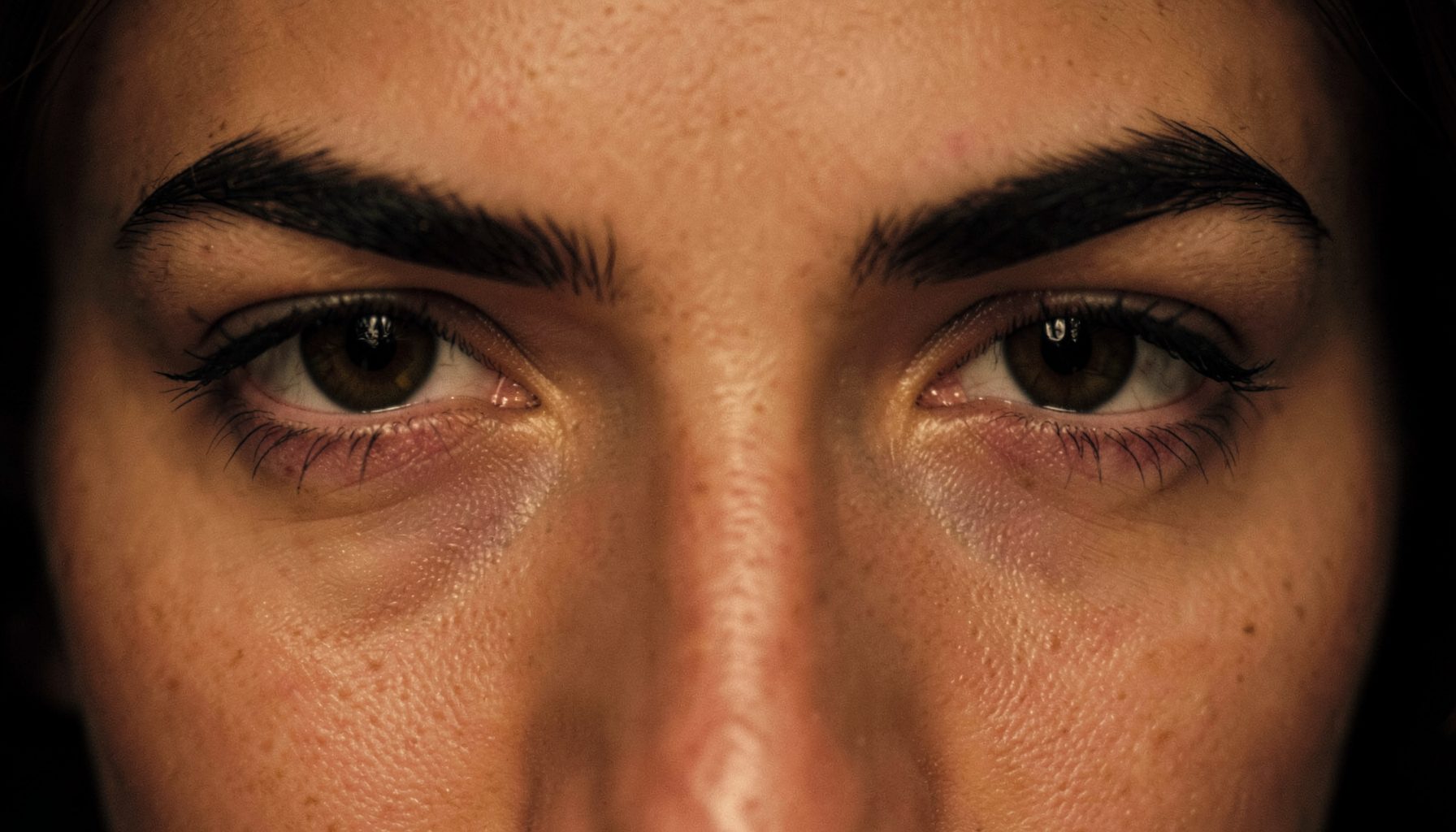
Eye Shape Guide
Understand your eye shape, master makeup techniques, and explore every treatment option — from Botox brow lifts to surgical solutions.
Explore the Site
Eyeshadow placement, blending techniques, and common mistakes to avoid for a more open, lifted look.
Explore →Winged liner, smudge prevention, and techniques that work with hooded lids to make eyes appear larger.
Explore →Non-surgical Botox brow lifts and surgical options including blepharoplasty, explained clearly.
Explore →Five false lash styles suited to hooded eyes, plus curler and mascara guidance for maximum lift.
Explore →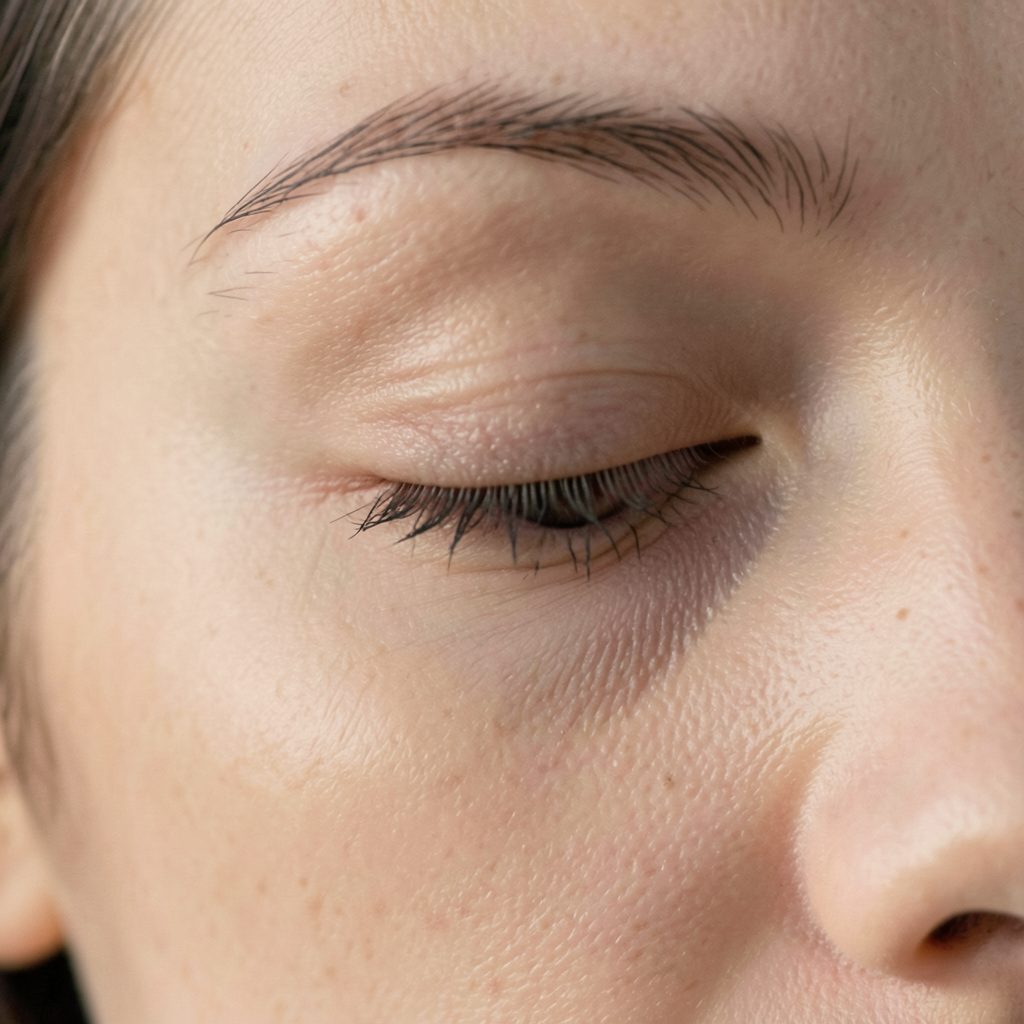
What Are Hooded Eyes?
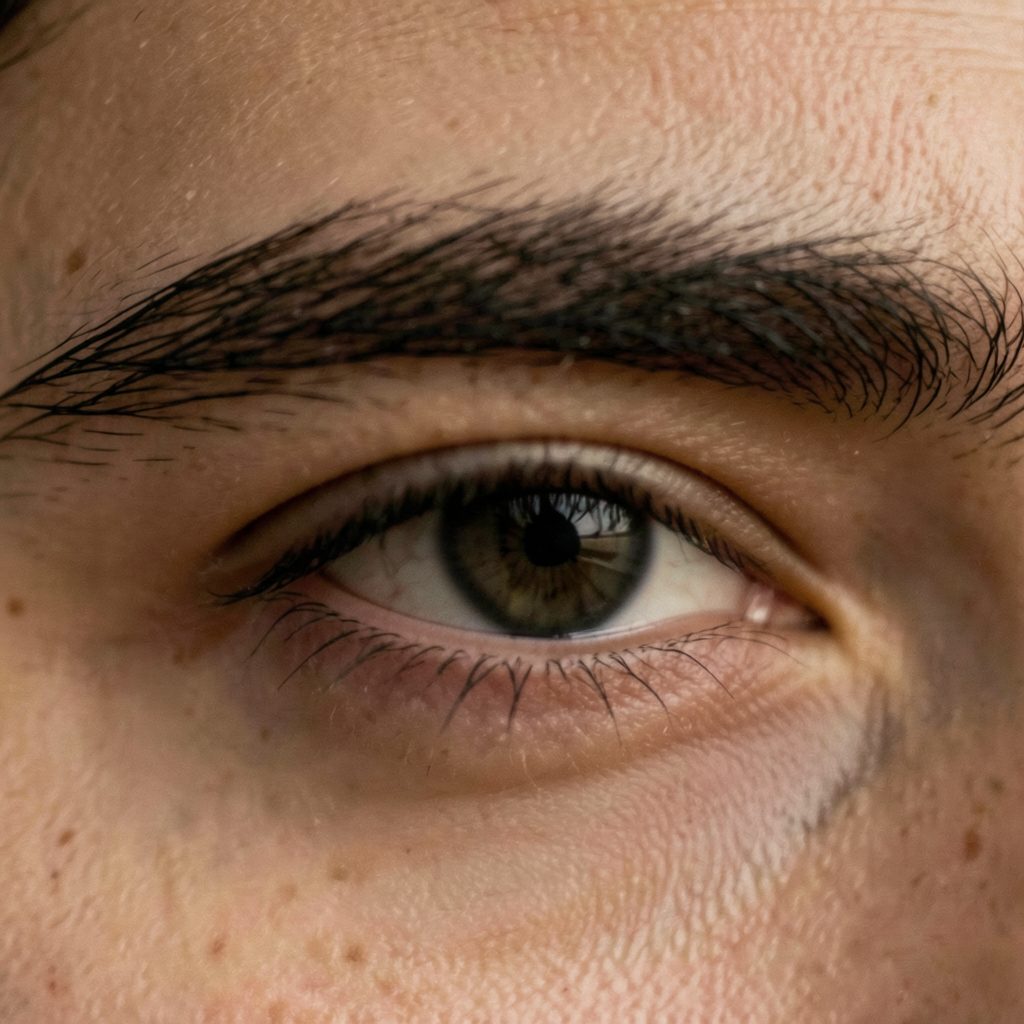
Hooded eyes are a natural eye shape where an excess piece of skin from the brow bone partially or completely covers the eyelid. The result can make eyes appear smaller or more tired than they feel.
This shape can be present from birth due to genetics, or it can develop over time. Known causes include aging, genetic traits, eye rubbing, body fatness, muscle structure, trauma, solar radiation, and sleep apnea.
Hooded lids already ask more of an eye product than most other eye shapes do. The skin folds over the lash line, which means anything applied along the crease has a habit of pressing and migrating throughout the day, and anything that irritates the eye itself sits in close, repeated contact with the delicate rim. Pair that with reactive skin, hay fever season in Melbourne, or even the bite of a Sydney harbour wind blowing fine dust into your eyes, and the wrong formula starts to sting within hours rather than days. Finding hypoallergenic eye makeup for sensitive hooded lids is partly about ingredients and partly about formulas that respect a smaller surface of canvas.
Across Australia, the clean-beauty shelf space has matured quickly over the last few years. Pharmacies from Priceline to Chemist Warehouse stock dedicated sensitive-eye ranges, MECCA counters have leaned into ophthalmologist-tested claims, and homegrown labels such as Nude by Nature and Eye of Horus have built their reputations around gentler pigment bases. That gives shoppers genuine choice, but it also makes the in-aisle decision harder, because "gentle" and "hypoallergenic" are not interchangeable terms, even when they sit on the same tube. A clear plan, patch tested on the inner wrist and along the brow bone first, saves a season of red, watery mornings.
The mechanics of a hooded eye change how any cosmetic behaves. When the upper lid drapes over the lash line, every blink sweeps product downward into a small pocket where it accumulates. Heat from the brow sits closer to the skin surface, sebum breaks pigment down faster, and tears can ferry ingredients into the eye itself. On a windy Adelaide evening or after a morning walk along Bondi, a formula that felt fine at the bathroom mirror can begin to itch within the first hour because the same area is being wiped, softened, and re-coated again and again.
Sensitive skin adds another layer. Anyone who has dealt with reactive eyelids knows that the thinnest skin on the body lives right at the orbital rim, and once that barrier is compromised, even technically "clean" formulas can sting. Hormonal shifts, antihistamine use during Brisbane spring thunderstorms, and central heating through a Canberra winter all raise that baseline sensitivity. Switching to gentle options is rarely a single swap; it is usually a small audit of primers, shadows, liners, mascaras, and removers all at once.
Some allergens are almost universal offenders across eye products, regardless of price point. Reading the back of a tube for a handful of names saves most of the trial-and-error.
The other side of the coin matters as much as the avoidance list. Look for short ingredient decks that lean on glycerin, squalane, mica, and iron oxides for colour. Statements such as "ophthalmologist-tested", "tested on sensitive skin", or "suitable for contact-lens wearers" are not legally enforced in Australia the way therapeutic claims are, so they function as guidance rather than promises, but they do narrow the field. Mineral-based eye shadows and pigment-gel eyeliners tend to fare better than richly emollient cream sticks for those who blush or swell at the smallest provocation.
Eyeshadow primer is the single product that changes a hooded lid's behaviour most. A good primer lengthens the time a shadow has to be admired before creasing, and a non-irritating primer protects the lid from pigment fallout at the same time. The format you choose affects both comfort and hold.
| Primer format | Crease hold on hooded lids | Sensitivity profile | Best suited to |
|---|---|---|---|
| Clear silicone gel | Very high | May sting very reactive lids | Oily lids, long workdays |
| Water-based liquid | Medium-high | Usually well tolerated | Combination skin, daily wear |
| Cream-to-powder stick | Medium | Often fragrance-free | Mature lids, drier skin |
| Mineral powder base | Variable, needs layering | Cleanest ingredient list | Allergy-prone eyes |
For most reactive hooded lids, a water-based or mineral primer is a sensible starting point. Eye of Horus and Nude by Nature both offer Australian-discovered options that read cleanly on the label and hold up well through a humid Brisbane commute. Cream shadows offer pigment speed but tend to migrate; baked powder shadows sit flatter on the lid. A small, dense brush gives the most control when laying down a base, and detailed advice is laid out in this blending brush guide for anyone refining the technique.
Mascara is where most sensitive hooded eyes flare first, because the wand travels so close to the waterline. Tubing mascaras, which coat each lash in a fine polymer sleeve and slide off with warm water and gentle pressure, are kinder than traditional waterproof formulas that need oil-based removers to break down. If length and lift are the goal, look for fibre-free options to avoid loose fibres drifting onto the lid throughout the day.
For eyeliner, kohl pencils that can be smudged before they set tend to contain more wax and pigment than gel or liquid formulas, but they are also less likely to drag at the delicate rim during application. Retractable gel pencils without sharpening have become a quiet favourite in Priceline's gentle-mascara aisle. When lash enhancements are in play, latex-free glues are easier on the lid and white-drying formulas let you see the placement clearly. A full hooded lash guide walks through strip lashes, extensions, and lifts for anyone weighing their options.
Sometimes no makeup adjustment is enough on its own. A Botox brow lift relaxes the small muscles that pull the brow downward and lets the lid open up by a few millimetres, which in turn changes how product sits on the lid and how much skin folds over the lashes. The procedure is regulated by the TGA and is offered across most Australian capital cities, though tightening cosmetic-advertising rules has made clinics more careful about the language they use online. Detailed information on candidacy, dosing, and aftercare is covered in this Botox brow guide for anyone considering the next step.
For longer-term structural change, an upper-lid blepharoplasty trims the excess skin, and in many Australian clinics it can be paired with a ptosis repair if the muscle itself is contributing to the heaviness. Recovery typically runs two to three weeks of visible bruising, with full settling taking several months. Risks include dry eye, asymmetry, and rare scarring, which makes a thorough ophthalmology review worth booking well before surgery day. Gentle make-up, used strategically during recovery, can disguise bruising without stressing the healing wound.
A reliable Australian routine starts before the first swipe of colour. Patch testing across the inner wrist and along the brow bone for forty-eight hours catches most allergens without risking the eye itself. From there, a layered approach tends to work better than a single hero product.
Priceline, Chemist Warehouse, MECCA, and stockists such as Adore Beauty all carry at least one dedicated sensitive-eye range, and most offer generous return policies if a product stings once opened. Order samples where possible, save a small note on your phone of ingredients that have caused problems, and chat to a Priceline or MECCA beauty advisor before committing to a full-size tube; the same red flag tends to recur across brands. Smoke haze during a long Australian summer and the spring pollen burst along the east coast are the worst stretches of the year for reactive lids, so building the routine in autumn or early winter gives the eye the best chance to settle. With a little patience, even the most reactive hooded eye can wear a comfortable, confident look through a long Perth afternoon or a chilly Hobart morning.
Surgical Option
For those seeking a more lasting result, plastic surgery — including blepharoplasty — is covered as a treatment option for hooded eyes. Surgery addresses the excess skin directly and is considered an alternative to non-surgical approaches like Botox.
The site's surgery guide explains the procedure, what to expect, and how it compares to non-surgical routes, helping readers make informed decisions about their options.
Read the Surgery Guide →Famous Faces
Hooded eyes can enhance facial expressions and contribute to a distinctive, memorable look. These ten well-known figures all share the eye shape.
Jennifer Aniston
Leonardo DiCaprio
Solange Knowles
Taylor Swift
Michelle Williams
Robert Pattinson
Blake Lively
Selena Gomez
Gigi Hadid
Benicio del Toro
Side by Side
False Lash Guide
Varied length spikes create texture and the illusion of depth without weighing down the lid.
Longer outer-corner lashes draw the eye outward and upward, counteracting the hood effect.
A uniform, moderate length that adds definition without overwhelming a hooded lid.
Applied only to the outer half, these open up the eye shape and are easier to manage on hooded lids.
A strong upward curl (D or L curl) lifts lashes away from the hood, keeping them visible throughout the day.
The guide also covers lash curlers, mascara recommendations, and step-by-step instructions for fixing false lashes on hooded eyelids.
Full Lash Guide →Get in Touch
Whether you are just beginning your makeup journey or have been experimenting with different looks for years, we are glad you are here.
General Feedback
Share your thoughts on the site or suggest topics you'd like covered.
Looking for a Specific Tip?
Ask about a particular technique or eye-shape challenge.
Product Questions
Questions about products mentioned across the site.
Human Resources or Business Inquiries
Partnership, collaboration, or business-related correspondence.