01
Makeup Tips
Eyeshadow placement, blending techniques, and common mistakes to avoid for a more open, lifted look.
Explore →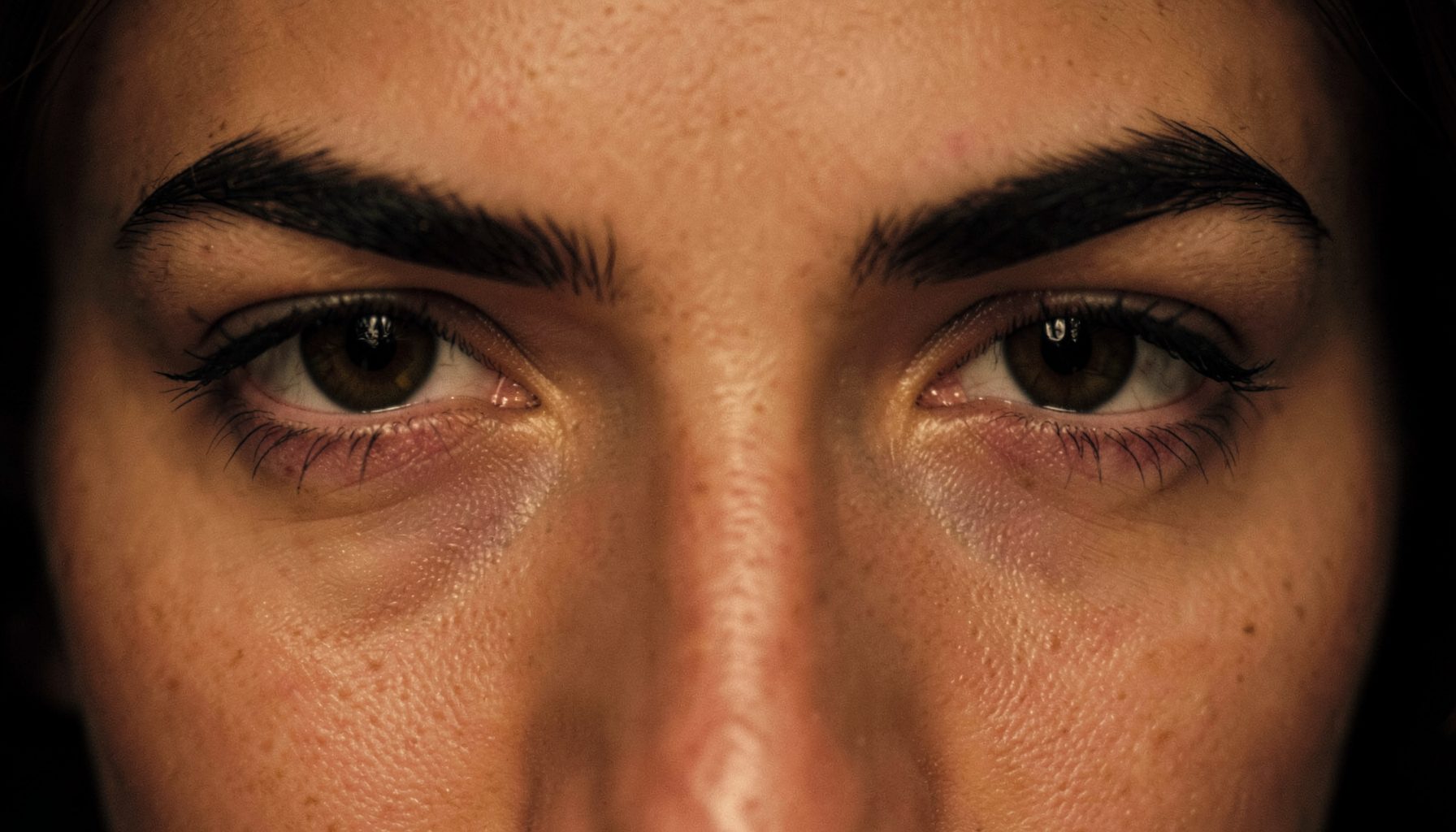
Eye Shape Guide
Understand your eye shape, master makeup techniques, and explore every treatment option — from Botox brow lifts to surgical solutions.
Explore the Site
Eyeshadow placement, blending techniques, and common mistakes to avoid for a more open, lifted look.
Explore →Winged liner, smudge prevention, and techniques that work with hooded lids to make eyes appear larger.
Explore →Non-surgical Botox brow lifts and surgical options including blepharoplasty, explained clearly.
Explore →Five false lash styles suited to hooded eyes, plus curler and mascara guidance for maximum lift.
Explore →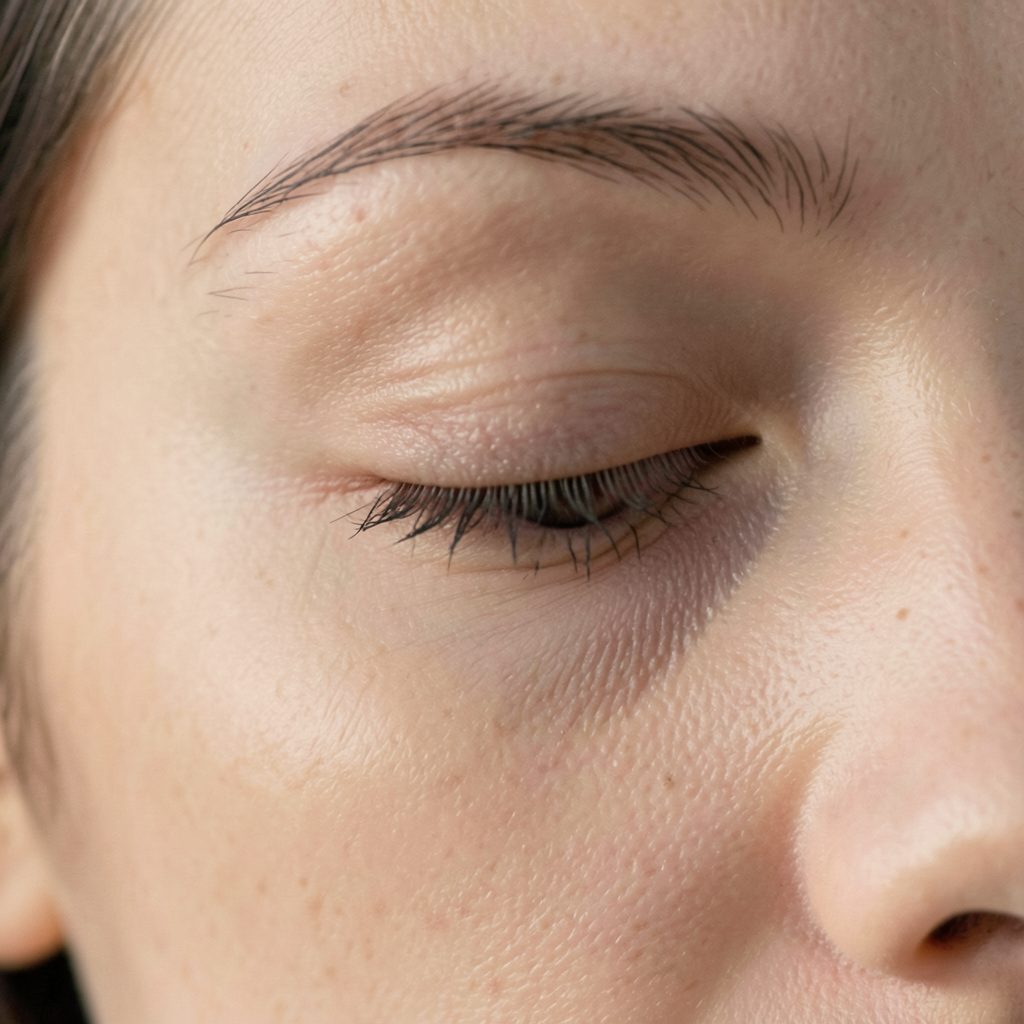
What Are Hooded Eyes?
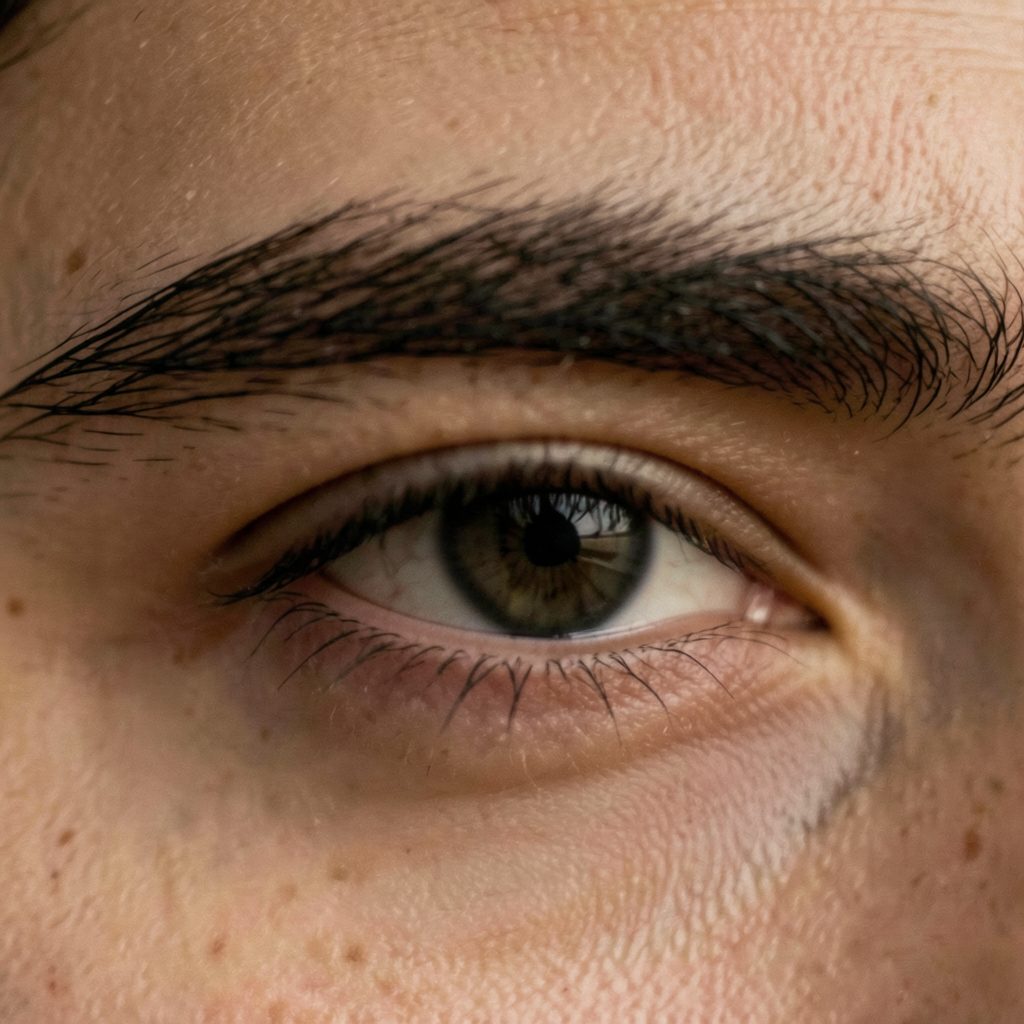
Hooded eyes are a natural eye shape where an excess piece of skin from the brow bone partially or completely covers the eyelid. The result can make eyes appear smaller or more tired than they feel.
This shape can be present from birth due to genetics, or it can develop over time. Known causes include aging, genetic traits, eye rubbing, body fatness, muscle structure, trauma, solar radiation, and sleep apnea.
Blepharoplasty is an operation that removes or repositions excess skin, muscle, and fat around the eyelids. It may be performed on the upper lids, lower lids, or both. For people with hooded eyes, upper eyelid surgery can sometimes improve a heavy fold that rests over the lash line, although the aim should be balanced, natural-looking eyes rather than the complete removal of a characteristic feature.
Good preparation begins several weeks before surgery. Your surgeon needs an accurate picture of your general health, eye function, medications, allergies, previous procedures, and expectations. Planning your transport, work leave, meals, and aftercare in advance can make the recovery period calmer and safer.
In Australia, cosmetic surgery is regulated through the Australian Health Practitioner Regulation Agency, known as AHPRA. Check that your surgeon is appropriately qualified and registered, and ask where the procedure will take place. A consultation in Sydney, Melbourne, Brisbane, Perth, Adelaide, or a regional centre should include time to discuss risks, fees, anaesthesia, follow-up, and what happens if you need urgent review.
Start by confirming exactly which operation has been recommended. Upper blepharoplasty generally addresses excess skin or fullness on the upper eyelid. Lower blepharoplasty may involve under-eye bags, loose skin, or fat repositioning. Some patients also have brow descent, eyelid muscle laxity, or a naturally low crease, which may require a different approach or an additional procedure.
Your surgeon should explain whether the operation is intended to improve appearance, visual obstruction, or both. If upper eyelid skin interferes with your field of vision, you may need visual field testing or other documentation. Medicare and private health fund rules can differ when surgery is considered medically necessary, so ask the clinic for a written fee estimate and clarification about surgeon, hospital, anaesthetist, pathology, and follow-up charges.
Bring several unfiltered photographs and explain what concerns you about your eyes. If your eyelid fold is difficult to see, learning how your natural anatomy works can help you describe your goals; this guide to finding a hidden crease may provide useful background before your consultation. Avoid presenting a celebrity photograph as a promise of an identical result, since brow position, orbital structure, skin quality, and facial proportions vary.
Tell the surgeon about every health condition, including dry eye, blepharitis, allergies, thyroid disease, diabetes, high blood pressure, autoimmune illness, glaucoma, previous eye surgery, and problems with wound healing. Mention any history of keloid scarring, sleep apnoea, or reactions to anaesthetic. Even conditions that seem unrelated can affect surgical planning or recovery.
Provide a complete list of prescription medicines, over-the-counter products, vitamins, herbal preparations, and recreational substances. Aspirin, anti-inflammatory medicines, anticoagulants, some supplements, and certain natural products may increase bruising or bleeding. Never stop a prescribed medicine without instructions from the doctor who manages it and the surgical team.
Your pre-operative assessment may include photographs, measurements, tear-film assessment, an eye examination, and routine tests based on your age and medical history. Ask whether you need clearance from your GP, ophthalmologist, or another specialist. Australian clinics may use different protocols, so follow the instructions from your own surgeon rather than relying on a generic online checklist.
Information To Have Ready
If you wear contact lenses, ask when to remove them before surgery and when they can be used again. Contact lens habits, dry eye symptoms, and frequent rubbing can affect comfort after an eyelid procedure. Your surgeon may recommend preservative-free lubricating drops or other treatment before the operation if your eyes are already dry.
Arrange a responsible adult to take you home and stay with you for at least the first night if your surgeon or anaesthetist recommends it. You should not drive yourself after sedation or general anaesthesia. Plan transport for follow-up appointments as well, particularly if you live outside the city or must travel from a regional area.
Allow enough time away from work, study, exercise, and social commitments. Many people need around one to two weeks before they feel comfortable returning to public-facing work, although swelling and bruising can last longer. A desk-based job may be easier than outdoor, physical, or customer-facing work. If your role involves lifting, heat, dust, bending, or prolonged screen use, ask when it is safe to resume.
Prepare a clean resting area with extra pillows, prescribed medicines, tissues, clean face cloths, easy meals, and approved cold packs. Keep essential items within reach so you do not need to bend or stretch. Arrange help with children, pets, shopping, and household tasks. In hot Australian weather, an air-conditioned room can be more comfortable, while Queensland and northern Australian sun exposure makes careful protection especially important.
Avoid booking surgery immediately before a major event, long-haul trip, beach holiday, or interstate journey. Flying soon after surgery may be unsuitable because of swelling, limited access to your surgeon, and the need to manage follow-up care. Confirm travel restrictions with the clinic before paying for flights or accommodation.
Follow the clinic’s instructions about skincare, makeup, tanning, waxing, brow treatments, lash extensions, and cosmetic injectables. Do not apply new active products close to the eyes before surgery unless your medical team approves them. Retinoids, exfoliating acids, irritating eye creams, and some lash-growth products may need to be paused.
Arrive with clean eyelid skin if instructed, without mascara, eyeliner, eyeshadow, false lashes, or heavy moisturiser. Avoid rubbing your eyes, picking at flakes, or attempting aggressive cleansing. If you use lash extensions, ask when they should be removed; adhesive and residue can interfere with surgical preparation and may irritate the eye.
Sun protection matters before and after an eyelid operation. Wear sunglasses and a broad-brimmed hat outdoors, especially in Australia’s strong UV conditions. Do not use a solarium, and avoid deliberate tanning around the eyes. Freshly sunburnt or irritated skin may affect whether surgery can proceed.
Good eyelid hygiene is useful, but it should be gentle. If you need a refresher on removing cosmetics without pulling the delicate skin, follow this gentle makeup removal guide. After surgery, use only the cleansing method and products approved by your surgeon, because the incision line may require special care.
Read the written admission instructions carefully. They should state when to stop eating and drinking, which medicines to take or omit, where to arrive, and what identification or paperwork to bring. Fasting requirements vary according to the type of anaesthesia and the hospital’s policy, so do not assume that the same rules apply to every procedure.
Wear loose, comfortable clothing with a top that does not need to be pulled over your head. Leave jewellery, valuables, contact lenses, and unnecessary makeup at home. Bring your Medicare card or relevant hospital information if requested, along with a list of medicines and your support person’s contact details.
Before the operation, the surgeon may mark the eyelids while you are sitting or standing. This helps account for brow position and natural asymmetry. Ask any final practical questions before entering theatre, including how to contact the clinic after hours, which pain relief is permitted, and when the first review will occur.
Practical Tasks To Finish Before Admission
Do not attend if you develop a significant infection, fever, conjunctivitis, cold sore near the eye, or another new illness without contacting the clinic. A minor health problem may alter the timing of surgery, while an eye infection requires particular attention. Give the team honest information so they can make a safe decision.
Swelling, bruising, tightness, watery eyes, mild light sensitivity, and temporary blurred vision can occur during early recovery. Your surgeon may recommend cool compresses, head elevation, prescribed ointment, lubricating drops, and limited activity. Use medication exactly as directed and avoid pressing on the eyelids.
Do not resume eye makeup, contact lenses, swimming, vigorous exercise, heavy lifting, or sauna use until your surgeon clears you. The exact timing varies according to healing and the type of procedure. When cosmetics are allowed again, choose clean products and avoid sharing them. Discard old mascara and eyeliner if contamination is a concern.
Attend every scheduled review, even if the result appears satisfactory. Sutures, if used, may need removal, and the surgeon will assess wound healing, eyelid position, dryness, asymmetry, and scarring. Final results can take several weeks or months to settle, particularly when swelling is uneven between the two sides.
Contact the clinic promptly for worsening pain, rapidly increasing swelling, persistent bleeding, pus, fever, significant change in vision, inability to close the eyes, severe headache, or marked one-sided symptoms. Sudden vision loss or severe eye pain requires urgent medical attention. Keep the clinic’s daytime and after-hours numbers accessible rather than waiting for the next appointment.
A thoughtful pre-operative plan helps you approach eyelid surgery with realistic expectations and practical support. Use your consultation to confirm the procedure, understand the risks, and receive instructions tailored to your eyes and medical history. Once your surgeon has cleared the plan, complete the checklist, organise reliable aftercare, and follow the clinic’s written guidance closely.
Surgical Option
For those seeking a more lasting result, plastic surgery — including blepharoplasty — is covered as a treatment option for hooded eyes. Surgery addresses the excess skin directly and is considered an alternative to non-surgical approaches like Botox.
The site's surgery guide explains the procedure, what to expect, and how it compares to non-surgical routes, helping readers make informed decisions about their options.
Read the Surgery Guide →Famous Faces
Hooded eyes can enhance facial expressions and contribute to a distinctive, memorable look. These ten well-known figures all share the eye shape.
Jennifer Aniston
Leonardo DiCaprio
Solange Knowles
Taylor Swift
Michelle Williams
Robert Pattinson
Blake Lively
Selena Gomez
Gigi Hadid
Benicio del Toro
Side by Side
False Lash Guide
Varied length spikes create texture and the illusion of depth without weighing down the lid.
Longer outer-corner lashes draw the eye outward and upward, counteracting the hood effect.
A uniform, moderate length that adds definition without overwhelming a hooded lid.
Applied only to the outer half, these open up the eye shape and are easier to manage on hooded lids.
A strong upward curl (D or L curl) lifts lashes away from the hood, keeping them visible throughout the day.
The guide also covers lash curlers, mascara recommendations, and step-by-step instructions for fixing false lashes on hooded eyelids.
Full Lash Guide →Get in Touch
Whether you are just beginning your makeup journey or have been experimenting with different looks for years, we are glad you are here.
General Feedback
Share your thoughts on the site or suggest topics you'd like covered.
Looking for a Specific Tip?
Ask about a particular technique or eye-shape challenge.
Product Questions
Questions about products mentioned across the site.
Human Resources or Business Inquiries
Partnership, collaboration, or business-related correspondence.