01
Makeup Tips
Eyeshadow placement, blending techniques, and common mistakes to avoid for a more open, lifted look.
Explore →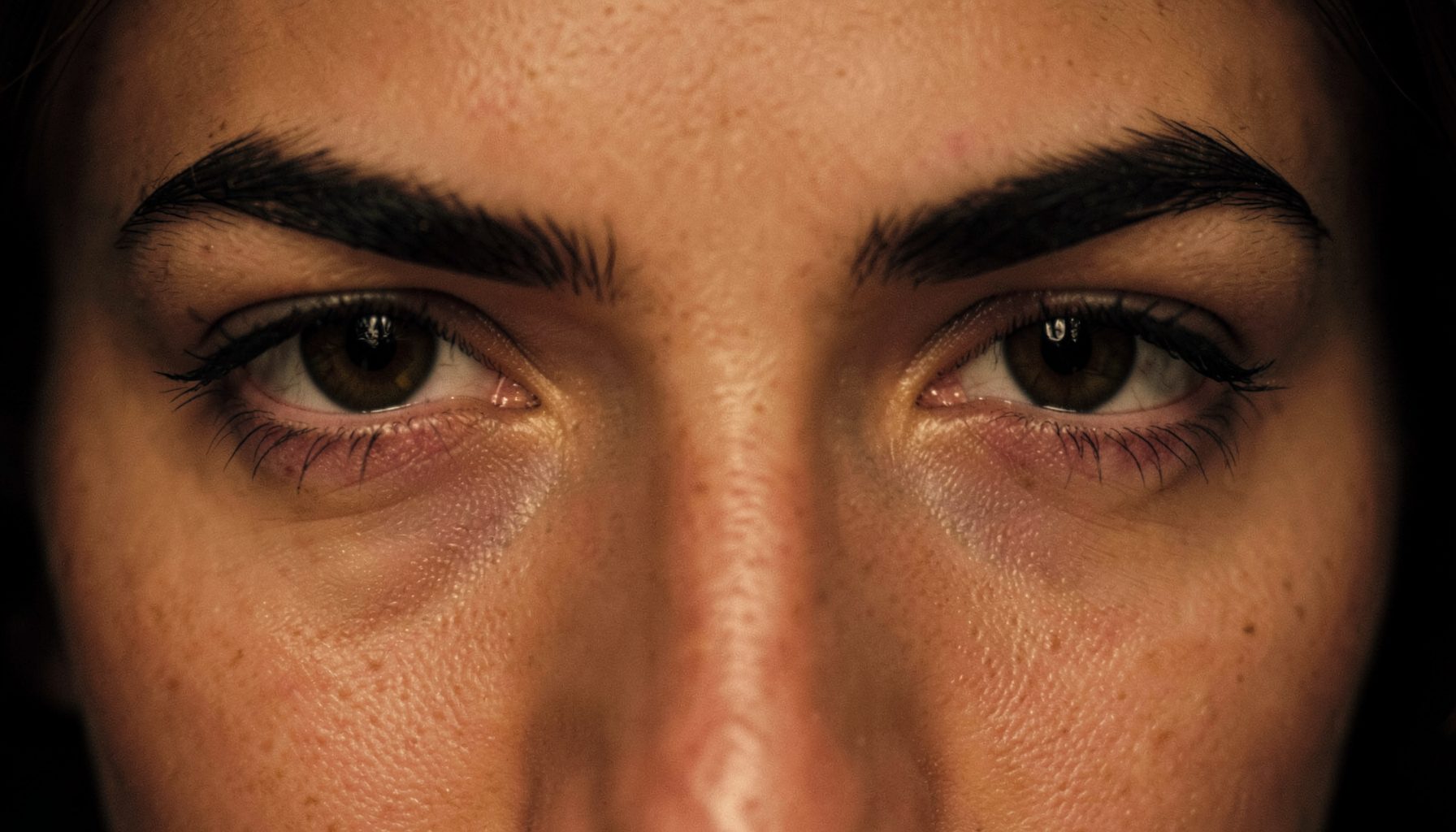
Eye Shape Guide
Understand your eye shape, master makeup techniques, and explore every treatment option — from Botox brow lifts to surgical solutions.
Explore the Site
Eyeshadow placement, blending techniques, and common mistakes to avoid for a more open, lifted look.
Explore →Winged liner, smudge prevention, and techniques that work with hooded lids to make eyes appear larger.
Explore →Non-surgical Botox brow lifts and surgical options including blepharoplasty, explained clearly.
Explore →Five false lash styles suited to hooded eyes, plus curler and mascara guidance for maximum lift.
Explore →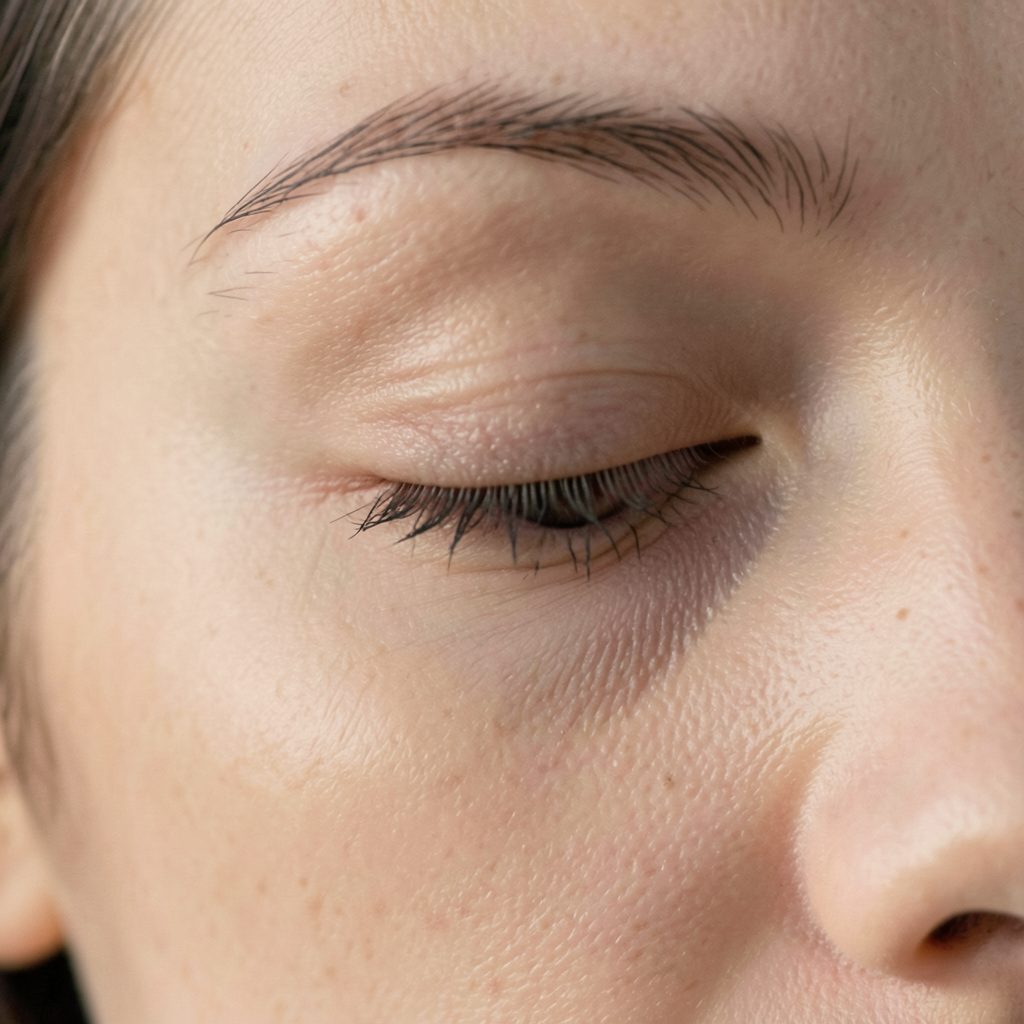
What Are Hooded Eyes?
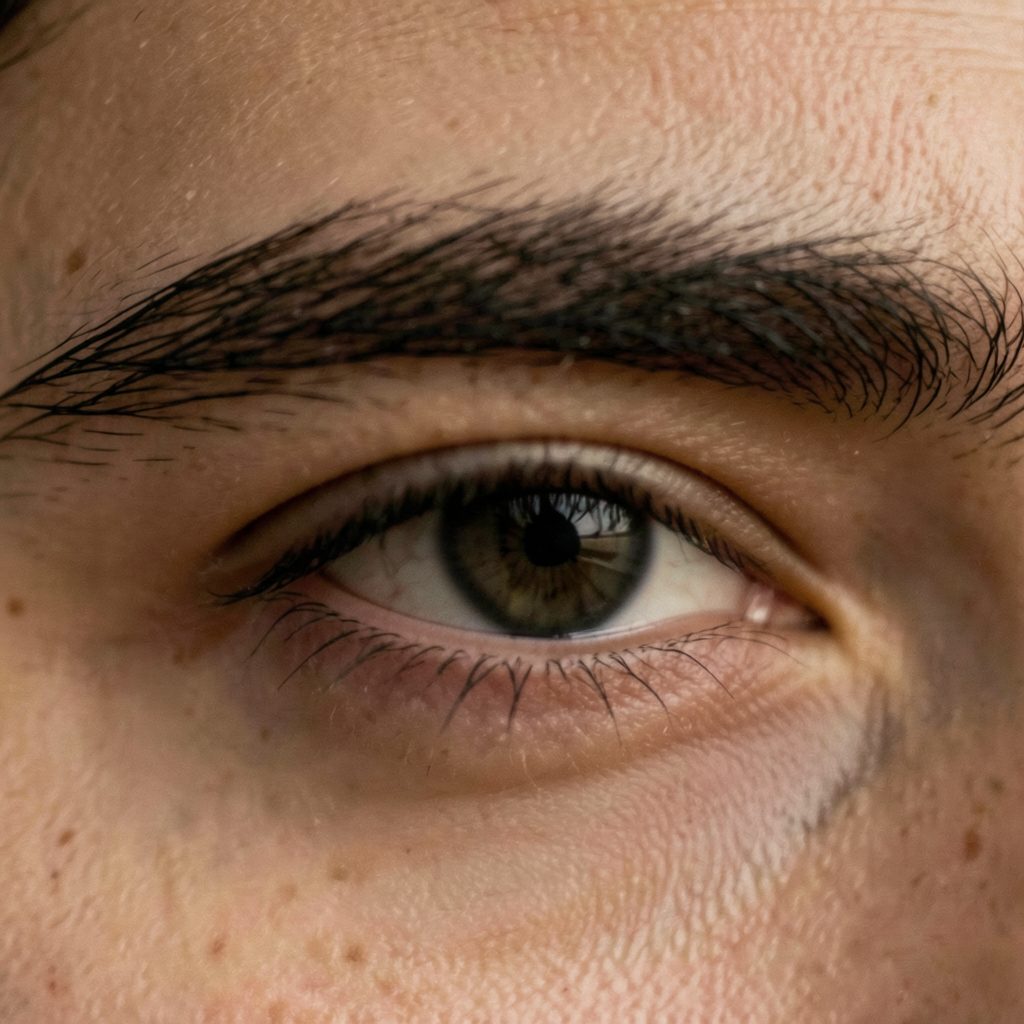
Hooded eyes are a natural eye shape where an excess piece of skin from the brow bone partially or completely covers the eyelid. The result can make eyes appear smaller or more tired than they feel.
This shape can be present from birth due to genetics, or it can develop over time. Known causes include aging, genetic traits, eye rubbing, body fatness, muscle structure, trauma, solar radiation, and sleep apnea.
For anyone with a fold that dips low over the crease, even a quick evening cleanse can feel like a chore. Pigment smears across the lid, mascara transfers onto the brow bone, and the more you rub, the puffier the area looks by morning. The thin skin along the lid margin is easily stressed, especially when fibres, glitter particles, or long-wear formulas cling to the lash line.
Hooded eyes are not a problem to fix. They are simply a shape that asks for a different touch. The lid is folded when the eye is open, which means makeup sits closer to the mobile skin and gets pressed into the fold during the day. By evening, a cotton pad dragged across the surface can tug at the delicate tissue, dragging product into the lash line and pulling on the small muscles that support the lashes.
A calmer routine takes a few extra minutes, and the payoff is real. Cleaner lids mean fewer breakouts along the lash line, less irritation for contact lens wearers, and a smoother base the next morning. The steps below walk through what a stress-free removal looks like, from selecting the right product to soothing the area once every trace of colour is gone.
The crease of a hooded eye sits lower on the lid, which means makeup has less room to spread and tends to concentrate in a smaller band. Pigment piles up along the upper lash line and creases into the fold itself, so by the end of the day colour has migrated rather than faded. Rubbing harder simply shifts the pigment sideways instead of lifting it off the skin.
The skin along the lid margin is also thinner than on the cheek or forehead, sitting at roughly half a millimetre deep. Repeated friction breaks down the lipid barrier, leading to redness, flaking, and a tight feeling the morning after. For Australians dealing with air-conditioning in summer and dry inland heat, that barrier often starts the day already a little dehydrated, making a harsh remover feel like sandpaper by evening.
Cosmetic and surgical options exist if the heaviness becomes a concern, and many people research treatments such as a brow lift or upper lid surgery. If the lid feels chronically puffy or the fold seems to droop further than it used to, it can help to understand hooded eyes meaning in anatomical terms before booking a consultation. Knowing where the fold sits, how the brow interacts with the lid, and what procedures aim to address helps frame a conversation with a local practitioner.
Not every remover treats hooded skin the same way. A formula that lifts pigment quickly is appealing after a long arvo in the Brisbane sun, but some categories do more harm than good. Choosing with the lid in mind means looking past the marketing and thinking about contact time, slip, and what stays behind after rinsing.
A short comparison helps highlight where each type shines and where it might irritate.
| Remover Type | How It Works | Best For | Watch Out For |
|---|---|---|---|
| Micellar water | Tiny micelles trap oil and pigment | Light makeup, quick refresh | Needs multiple passes for waterproof formulas |
| Oil-based cleanser | Dissolves long-wear and lash glue | Heavy eye makeup, stage looks | Can leave a film if not rinsed well |
| Balm cleanser | Solid oil melts on contact | Dry or mature skin around the eye | Requires a cloth, which adds friction |
| Cream cleanser | Emulsifies pigment and sebum | Sensitive skin | Less effective on heavy mascara alone |
| Bi-phase remover | Oil and water layer, shaken to mix | Waterproof mascara, lash glue residue | Higher cost per bottle |
Stocking a couple of these gives flexibility. A bi-phase or oil-based formula handles the long-wear mascara worn for a wedding or a long-haul flight to Perth, while micellar water covers the lighter days. Most Australian chemists stock a wide range, and chains like Chemist Warehouse and Priceline carry affordable options alongside imported French staples.
A little prep goes further than any clever product. Removing eye makeup without stressing the lid starts before the remover even touches the skin. Warm compresses, clean hands, and the right tools reduce the need for friction by softening the formulas that have bonded to the lashes and lid throughout the day.
Start by washing hands with a gentle, fragrance-free soap. Hands carry bacteria that can transfer onto the wet lash line, particularly risky for contact lens wearers in coastal cities where pollen and salt air already irritate the eyes. Pat the hands dry on a clean towel rather than rubbing against the face.
A warm compress held over closed eyes for thirty seconds loosens the grip of setting sprays and waterproof formulas. A clean flannel rinsed in warm water works, or a soft reusable pad if the skin tends to react to laundry detergents. The warmth also relaxes the orbicularis muscle around the eye, so the lid feels softer and more responsive when the remover finally goes on.
Lay out everything in advance: remover, cotton pads or soft cloths, a spoolie if lashes are coated in fibres, and a fragrance-free hydrating mist or balm for afterwards. Working in a well-lit bathroom, ideally with a magnifying mirror, makes it easier to see where pigment is hiding instead of guessing and rubbing.
The actual removal is where most people go wrong. Tugging, scrubbing, and pulling the lid open to reach the inner corner does more harm than good. The goal is to let the product do the work, with the skin doing as little as possible. Saturated cotton, slow presses, and downward strokes replace the old scrub-and-hope approach.
Step one is to soak a cotton pad or soft reusable pad with remover and press it against the closed eye. Hold it there for twenty to thirty seconds without rubbing. The formula needs time to break down the bonds between pigment and skin. For long-wear or waterproof mascara, this step may take longer, and reapplying more remover on the same spot is fine.
After the press, wipe downward once, gently, following the direction of the lashes. Going upward pushes product back toward the lid margin and risks getting pigment into the tear duct. Use the clean side of the pad for the second pass, moving in the same slow downward stroke.
For the lower lash line, tilt the head back slightly and use a cotton bud dipped in remover to trace along the roots. A bud gives the control that a pad cannot, especially if the lower lashes tend to clump with liner. Repeat on a fresh bud until the cotton comes away clean.
The same principle applies to false lashes. Adhesive residue at the lash line can be softened with a dedicated remover or a tiny dab of oil-based cleanser on a bud before the rest of the eye is touched. For anyone wearing strip lashes, the techniques outlined in applying strip lashes on hooded eyes for application also work in reverse for gentle removal, keeping the bond intact until the remover has done its job.
Waterproof mascara and lash glue are the most stubborn products to lift, and the temptation to scrub is strongest here. A targeted approach saves the lid and protects the lashes themselves. Pulling at mascara-coated lashes while rubbing pulls on the follicle and can lead to breakage along the lash line, which then takes months to grow back.
A bi-phase remover is the easiest option for waterproof formulas, available at Mecca and most Australian chemists. Shake the bottle, soak a cotton pad, and press it against the closed eye for a full minute. The oil layer breaks down the waxes, while the water layer carries the pigment away without leaving a greasy residue behind.
For lash glue, a dedicated adhesive remover is kinder to the lid than soaking with standard eye makeup remover. A small drop on a cotton bud, held against the bond for ten seconds, softens the glue enough to slide the strip away without pulling at the natural lashes. The remaining residue comes off with a single wipe using the same bi-phase formula on a pad.
If a step has been missed and pigment is still clinging to the skin after the first round, resist the urge to scrub. Repeat the press-and-wipe cycle with fresh product instead. A second, slower pass almost always beats one fast, hard scrub.
Once the lid is clean, it still needs care. The skin around the eye has been pressed, soaked, and wiped, and a little aftercare restores the barrier and calms any redness. Skipping this step is where many routines fall short, leaving the lid feeling tight or looking dull the next morning.
A hydrating mist or thermal water sprayed onto a cotton pad and pressed onto closed eyes helps replace moisture lost during removal. Follow with a pea-sized amount of eye cream tapped gently along the orbital bone, not directly onto the mobile lid. Tapping with the ring finger uses the lightest pressure and avoids dragging the skin downward over the course of a long week.
For Australians spending long days outdoors, an eye cream with antioxidants and SPF-friendly ingredients such as niacinamide or peptides supports the skin through the next day of UV exposure. Brands like Eye of Horus and Nude by Nature are widely stocked at Priceline, and both offer cream textures that absorb without leaving a film that interferes with morning makeup.
If the lid still feels tender after a few minutes, a cool compress held over closed eyes reduces any swelling. A clean, damp cloth stored in the fridge works in a pinch, or a chilled jade roller rolled outward from the inner corner. The goal is to leave the area calm, hydrated, and free of any residue before sleep.
The best removal routine is the one that does not require much work in the first place. Small daily habits reduce how much pigment ends up baked into the lid by evening. A handful of small choices make the night cleanse faster and gentler on the skin.
Building these habits takes a week or two, and the lid settles down once friction stops tugging at the skin. Less pigment transfers, less rubbing is needed, and the morning puffiness that so many hooded-lid wearers blame on their shape often fades once the evening routine becomes a little kinder.
For readers whose hooded shape has changed with age or who feel the heaviness getting in the way of vision or confidence, makeup is only one part of the picture. Surgical options such as blepharoplasty can address excess skin and reshape the upper lid, and the scarring often heals better than people expect when aftercare is followed closely. Anyone booked in for a consultation can read about blepharoplasty scarring and healing to understand what the first six months look like and how to support the incision line. Pairing that knowledge with a daily makeup removal habit that respects the lid makes the most of both worlds, keeping the area calm whether surgery is on the cards or not. Step away from the basin tonight, soften the remover into the lashes instead of dragging it, and let the lid rest.
Surgical Option
For those seeking a more lasting result, plastic surgery — including blepharoplasty — is covered as a treatment option for hooded eyes. Surgery addresses the excess skin directly and is considered an alternative to non-surgical approaches like Botox.
The site's surgery guide explains the procedure, what to expect, and how it compares to non-surgical routes, helping readers make informed decisions about their options.
Read the Surgery Guide →Famous Faces
Hooded eyes can enhance facial expressions and contribute to a distinctive, memorable look. These ten well-known figures all share the eye shape.
Jennifer Aniston
Leonardo DiCaprio
Solange Knowles
Taylor Swift
Michelle Williams
Robert Pattinson
Blake Lively
Selena Gomez
Gigi Hadid
Benicio del Toro
Side by Side
False Lash Guide
Varied length spikes create texture and the illusion of depth without weighing down the lid.
Longer outer-corner lashes draw the eye outward and upward, counteracting the hood effect.
A uniform, moderate length that adds definition without overwhelming a hooded lid.
Applied only to the outer half, these open up the eye shape and are easier to manage on hooded lids.
A strong upward curl (D or L curl) lifts lashes away from the hood, keeping them visible throughout the day.
The guide also covers lash curlers, mascara recommendations, and step-by-step instructions for fixing false lashes on hooded eyelids.
Full Lash Guide →Get in Touch
Whether you are just beginning your makeup journey or have been experimenting with different looks for years, we are glad you are here.
General Feedback
Share your thoughts on the site or suggest topics you'd like covered.
Looking for a Specific Tip?
Ask about a particular technique or eye-shape challenge.
Product Questions
Questions about products mentioned across the site.
Human Resources or Business Inquiries
Partnership, collaboration, or business-related correspondence.