01
Makeup Tips
Eyeshadow placement, blending techniques, and common mistakes to avoid for a more open, lifted look.
Explore →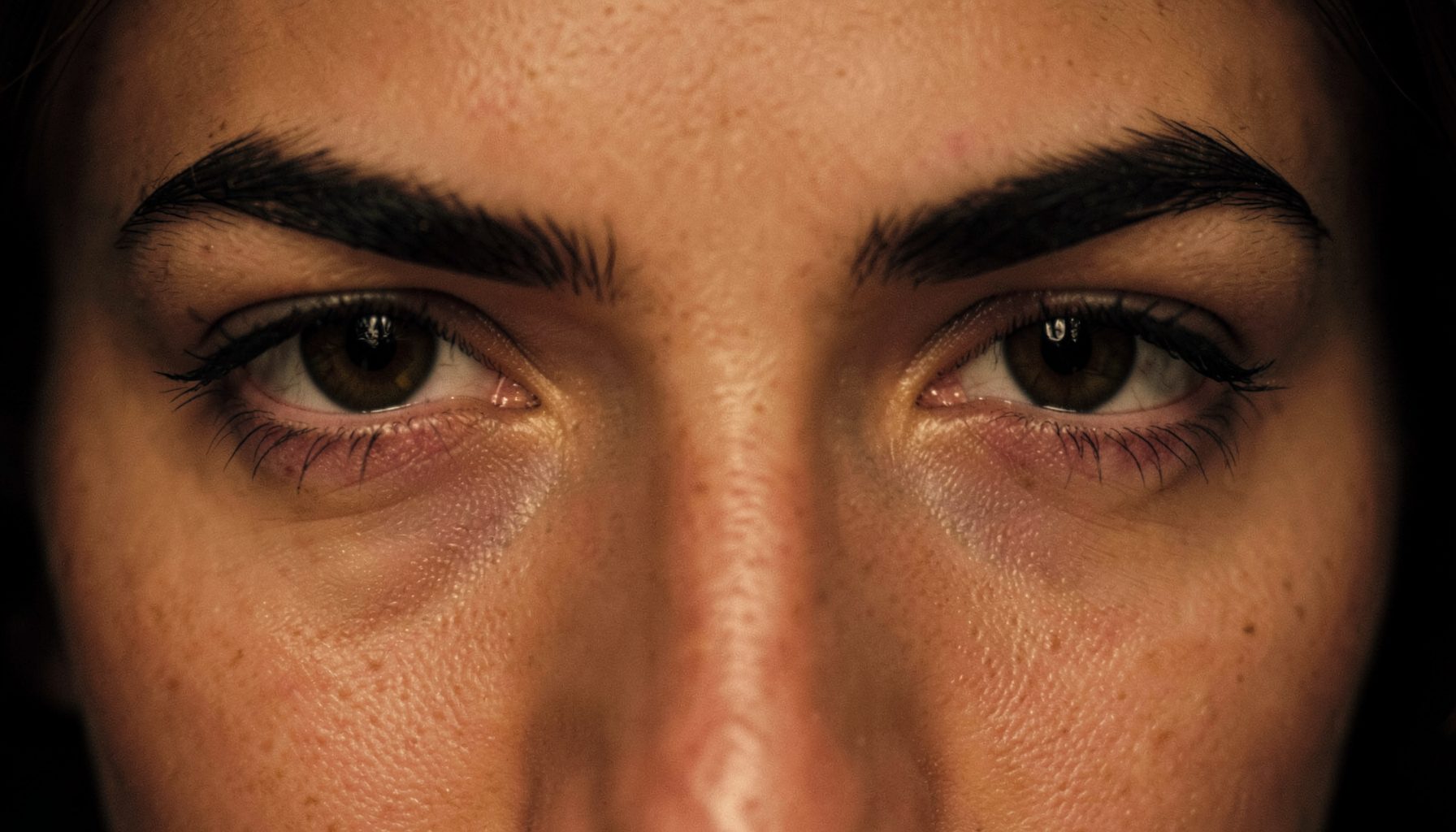
Eye Shape Guide
Understand your eye shape, master makeup techniques, and explore every treatment option — from Botox brow lifts to surgical solutions.
Explore the Site
Eyeshadow placement, blending techniques, and common mistakes to avoid for a more open, lifted look.
Explore →Winged liner, smudge prevention, and techniques that work with hooded lids to make eyes appear larger.
Explore →Non-surgical Botox brow lifts and surgical options including blepharoplasty, explained clearly.
Explore →Five false lash styles suited to hooded eyes, plus curler and mascara guidance for maximum lift.
Explore →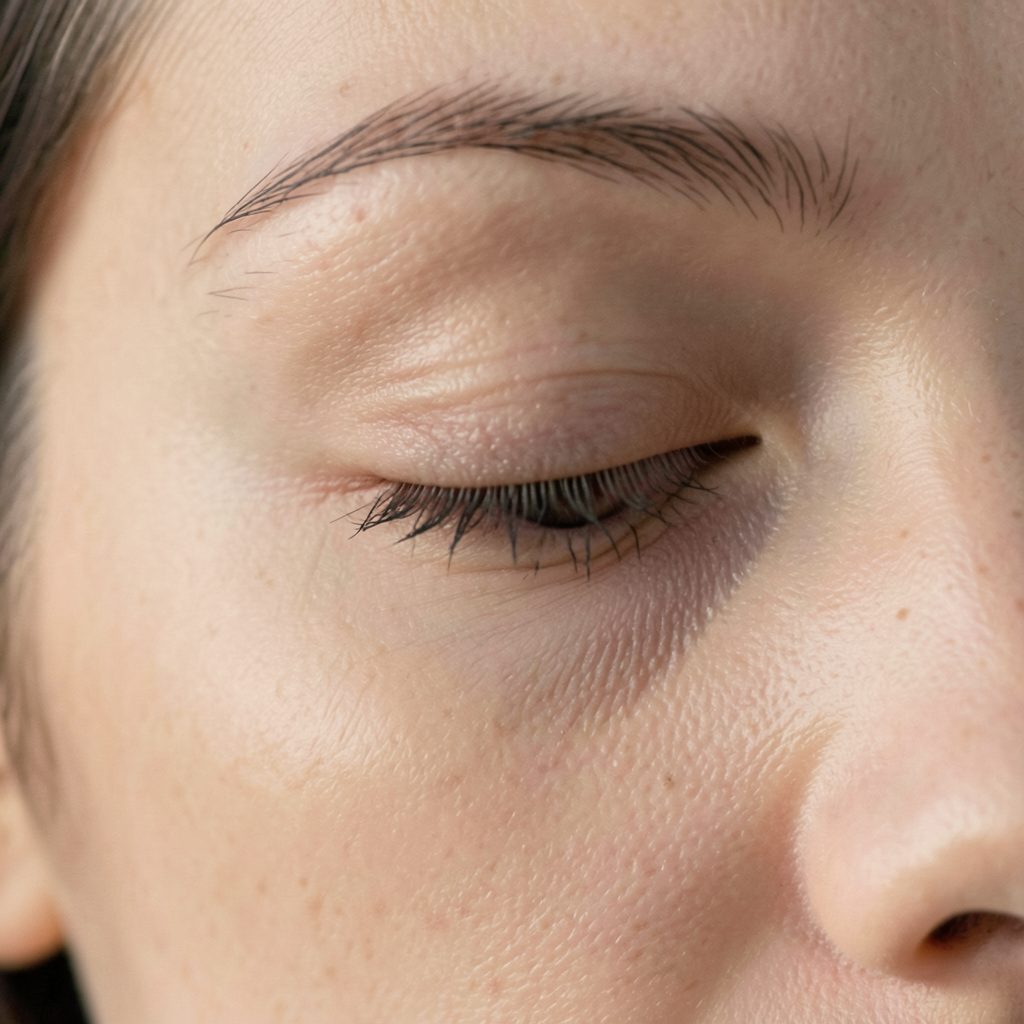
What Are Hooded Eyes?
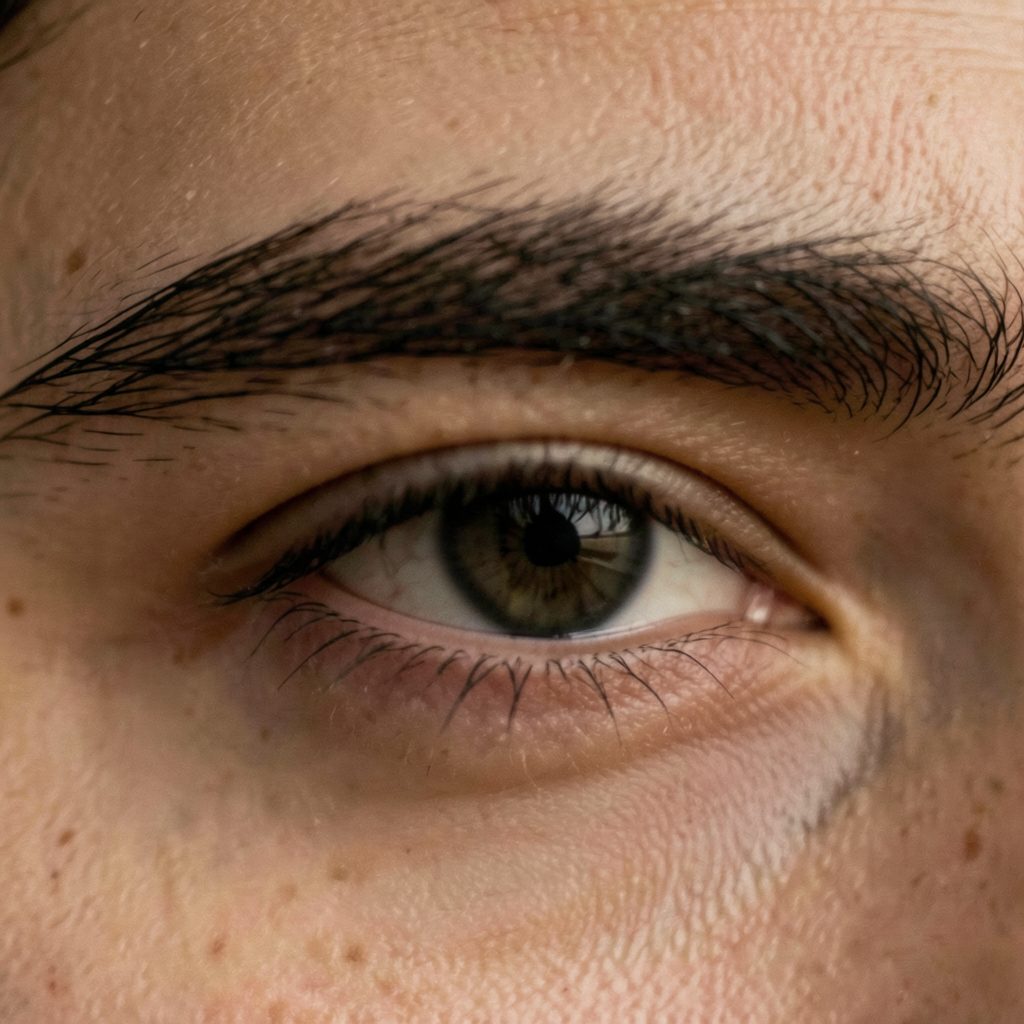
Hooded eyes are a natural eye shape where an excess piece of skin from the brow bone partially or completely covers the eyelid. The result can make eyes appear smaller or more tired than they feel.
This shape can be present from birth due to genetics, or it can develop over time. Known causes include aging, genetic traits, eye rubbing, body fatness, muscle structure, trauma, solar radiation, and sleep apnea.
Some people with hooded eyes still have an upper eyelid crease; it is simply buried beneath the visible lid fold. If you have searched for why some hooded eyes have a hidden crease and how to find it, the answer begins with anatomy rather than a defect.
A hood describes how the skin sits when the eye is open. A crease describes a fold within that skin. Confusing the two can make a normal feature seem like a flaw—or send you after makeup techniques designed for a very different eye shape.
The useful question is not whether your crease matches someone else’s, but whether it can be seen and comfortably opened. Lighting, brow position, eye symmetry and temporary puffiness can all change the answer from one day to the next.
The upper eyelid crease forms as the skin folds over the movement of the levator palpebrae superioris and deeper supporting tissue. When this line is visible while you look straight ahead, it creates definition between the lid and the brow. In a hooded eye, the crease may still exist but sit beneath overlapping skin, orbital fat or a low brow.
Hooding describes the visible result rather than the crease itself. The lid may look smooth when the eye is open, then reveal a fold when you look down or raise your eyebrows. If a line appears only because concealer or eyelid tape has been added, that is a temporary cosmetic crease. A line that returns in bare-skin photographs or when the brow is lifted is more likely to be your natural fold.
Several structural features can hide the fold. A low or heavy brow can push tissue downwards, while fuller upper-lid fat may descend and cover the crease. A prominent brow ridge, deep-set eyes, limited levator movement and inherited differences in skin laxity can also make the line difficult to see. One eye may be more hooded than the other because brows and eyelids rarely develop with perfect symmetry.
Age and environment can add to the effect. Reduced collagen and elastic fibre make the upper lid drape more heavily over time, while Australia’s strong UV exposure contributes to skin ageing and sun damage around the eyes. At Bondi, Byron Bay or anywhere else with bright sunlight, hats and sunglasses are useful protection, but they can also conceal the crease in everyday photographs. Temporary fluid retention from poor sleep, allergies, salty food or hormonal changes may make both the lid and brow look heavier without changing your underlying structure.
Begin with a bare face, a neutral expression and a camera at eye level. Take one photograph while looking straight ahead, another while looking down and a third from a slight side angle. Do not deliberately raise your eyebrows in the first image, because that may create a crease that is normally hidden. Comparing several days also helps separate a permanent fold from temporary puffiness.
Use daylight or a soft light from slightly above and to the side. A genuine crease often casts a fine shadow even when it cannot be seen clearly in a dark room. A handheld mirror can help you observe the fold while your gaze stays down. If gently lifting the brow with a clean fingertip reveals a line, the crease is probably present but concealed by the resting position of the lid; never pull the skin downwards or press on the eyeball.
For mild hooding, the site’s guide to levator strengthening exercises explains the exercises and their limits. They cannot reliably remove orbital fat or tighten excess skin, so visible hooding that affects sight or comfort deserves a professional assessment. Sudden drooping, pain, double vision or an unequal pupil should be treated as a medical issue rather than a cosmetic one.
Work with the existing lid rather than trying to paint an entirely different eye shape. Light textures and a thin application generally follow the mobile lid more cleanly than a heavy matte layer. The following approach suits many Australian conditions, including hot weather, humidity and frequent sunscreen use.
For a one-off event, a small amount of clean, breathable eyelid tape may reveal the fold temporarily. Use it carefully, follow the product directions and stop if the skin becomes sore or irritated. Do not sleep in tape or glue, as prolonged traction and trapped adhesive can damage the delicate eyelid skin.
A standard curler can pinch a narrow lid or press the hood against the eye. A pinch-free lash curler is designed for this issue. Clamp only at the base, keep the tool horizontal and release before moving closer to the tips. A clean heated curler can be useful, but it must be warm rather than hot and should never touch the wet line.
For liner, keep the upper line thin and place any flick beyond the outer corner rather than filling the hidden lid. A soft shadow or brown pencil along the lower lashes can make the eye appear more balanced without adding weight to the hood. With false lashes, measure from the outer corner and secure most of the band on the outer third of the mobile lid; overly long inner pieces disappear beneath the fold.
In Australian beauty-bar language, a “lash lift” is a common service across Sydney, Melbourne and Brisbane. It can make short lashes look more lifted, although some clients find their natural length reappears as the lift grows out. Mascara adds definition, but waterproof formulas require careful removal. Replace mascara every few months and avoid applying several thick coats that may flake onto the hidden crease.
Botulinum toxin, widely called Botox in Australia, may be considered when brow muscles pull the brow down and contribute to perceived hooding. A qualified clinician can prescribe it after assessing your brows, lids and facial movement. The effect is temporary, does not remove excess skin or fat and can cause headache, brow asymmetry, eyelid droop or an allergic reaction. An experienced injector should discuss the risks and the limits of a brow lift before treatment.
Eyelid surgery, also known as blepharoplasty, can remove or reposition excess upper-lid skin and fat and reshape the crease. It may provide a more durable change than temporary injectables, but possible complications include bleeding, infection, scarring, dry eye, corneal exposure, altered sensation, asymmetry and the need for revision. The result depends heavily on the surgeon’s understanding of eyelid anatomy and the condition of the surrounding skin.
Preparation normally includes a medical history, medication review and sometimes an eye assessment. Do not stop blood thinners or other prescribed medicines without instructions from the prescribing clinician. After surgery, follow the surgeon’s directions for cold compresses, ointment, sunglasses, eye protection and the timing of contact-lens use. Avoid rubbing the eyes, strenuous activity and unprotected sun exposure during early recovery.
Cosmetic eyelid procedures in Australia are usually private and generally not covered by Medicare. Request an itemised quote that separates the surgeon, facility, anaesthetist, tests and aftercare. For surgery, choose a medical practitioner registered with the Australian Health Practitioner Regulation Agency and experienced in eyelid procedures. A member of a relevant professional body, such as the Australian Society of Aesthetic Plastic Surgeons, can provide another useful check.
Make a three-photo record of your eyes in bare skin: one forward, one looking down and one with the brow gently lifted. This gives you a reliable baseline and makes subtle changes easier to judge. Choose the least complicated approach that addresses your concern, whether that is adjusted makeup, lash care, a temporary non-surgical option or a professional consultation.
If hooding causes visual obstruction, irritation, headaches or distress that makeup cannot manage, book an assessment with a GP, eye specialist or appropriately qualified cosmetic clinician. Arrive with your photographs, medication list and questions about expected results, downtime, risks and total costs. Take the first clear step today and keep your records as you compare the options.
Surgical Option
For those seeking a more lasting result, plastic surgery — including blepharoplasty — is covered as a treatment option for hooded eyes. Surgery addresses the excess skin directly and is considered an alternative to non-surgical approaches like Botox.
The site's surgery guide explains the procedure, what to expect, and how it compares to non-surgical routes, helping readers make informed decisions about their options.
Read the Surgery Guide →Famous Faces
Hooded eyes can enhance facial expressions and contribute to a distinctive, memorable look. These ten well-known figures all share the eye shape.
Jennifer Aniston
Leonardo DiCaprio
Solange Knowles
Taylor Swift
Michelle Williams
Robert Pattinson
Blake Lively
Selena Gomez
Gigi Hadid
Benicio del Toro
Side by Side
False Lash Guide
Varied length spikes create texture and the illusion of depth without weighing down the lid.
Longer outer-corner lashes draw the eye outward and upward, counteracting the hood effect.
A uniform, moderate length that adds definition without overwhelming a hooded lid.
Applied only to the outer half, these open up the eye shape and are easier to manage on hooded lids.
A strong upward curl (D or L curl) lifts lashes away from the hood, keeping them visible throughout the day.
The guide also covers lash curlers, mascara recommendations, and step-by-step instructions for fixing false lashes on hooded eyelids.
Full Lash Guide →Get in Touch
Whether you are just beginning your makeup journey or have been experimenting with different looks for years, we are glad you are here.
General Feedback
Share your thoughts on the site or suggest topics you'd like covered.
Looking for a Specific Tip?
Ask about a particular technique or eye-shape challenge.
Product Questions
Questions about products mentioned across the site.
Human Resources or Business Inquiries
Partnership, collaboration, or business-related correspondence.