01
Makeup Tips
Eyeshadow placement, blending techniques, and common mistakes to avoid for a more open, lifted look.
Explore →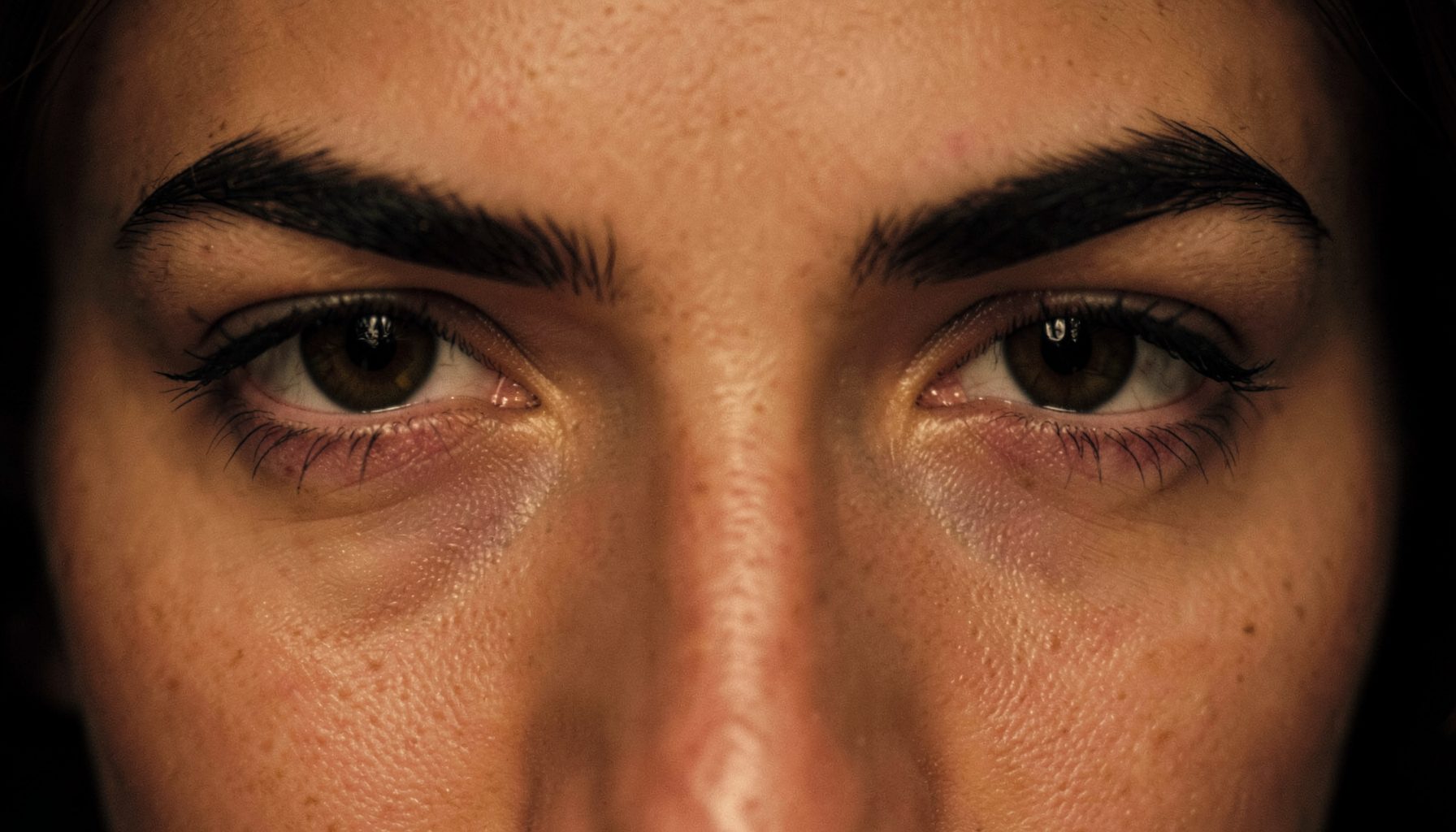
Eye Shape Guide
Understand your eye shape, master makeup techniques, and explore every treatment option — from Botox brow lifts to surgical solutions.
Explore the Site
Eyeshadow placement, blending techniques, and common mistakes to avoid for a more open, lifted look.
Explore →Winged liner, smudge prevention, and techniques that work with hooded lids to make eyes appear larger.
Explore →Non-surgical Botox brow lifts and surgical options including blepharoplasty, explained clearly.
Explore →Five false lash styles suited to hooded eyes, plus curler and mascara guidance for maximum lift.
Explore →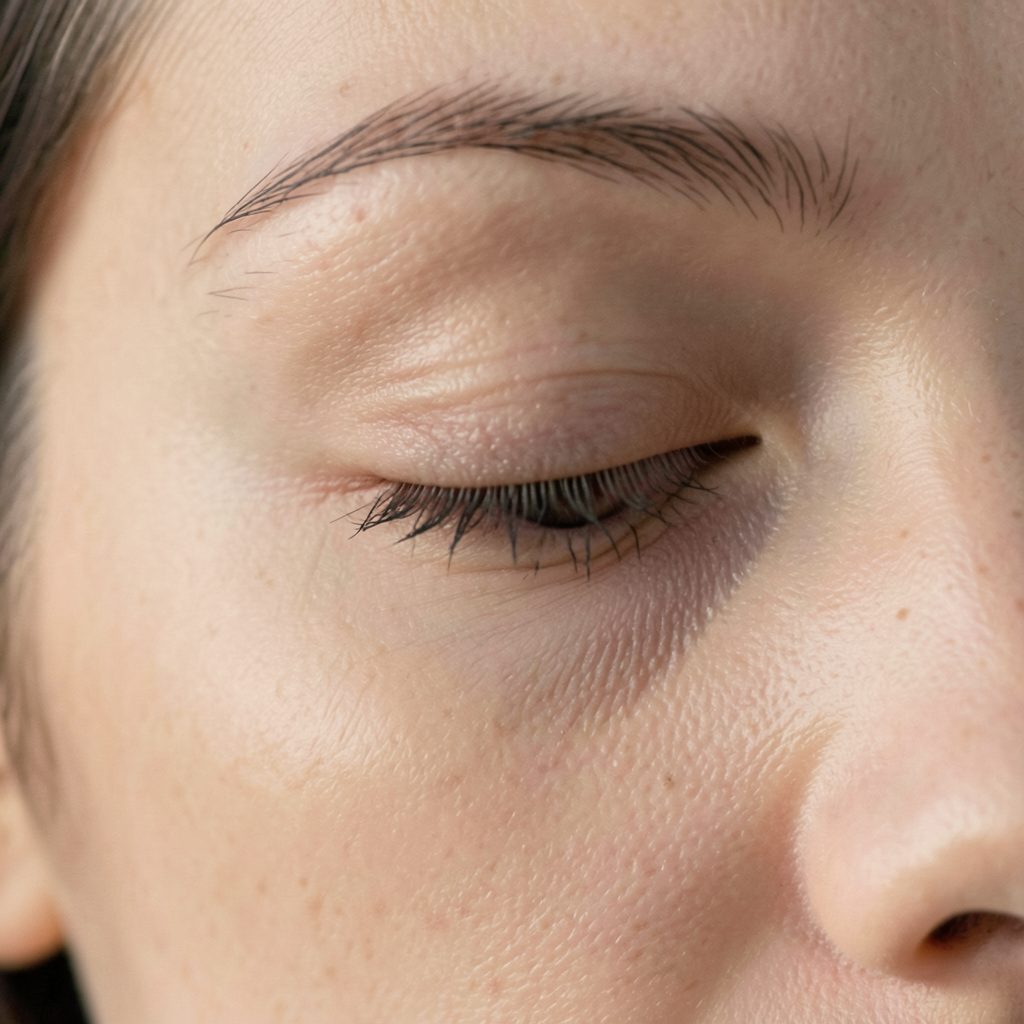
What Are Hooded Eyes?
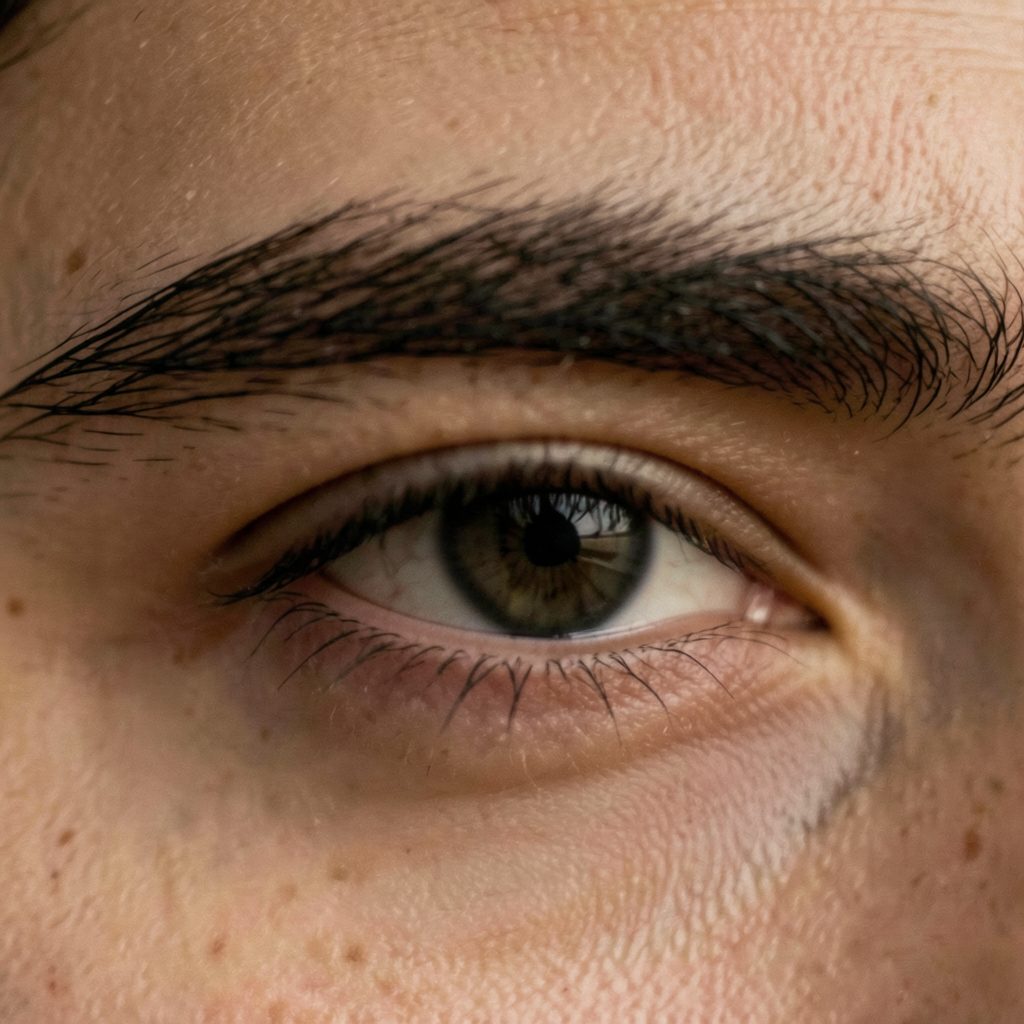
Hooded eyes are a natural eye shape where an excess piece of skin from the brow bone partially or completely covers the eyelid. The result can make eyes appear smaller or more tired than they feel.
This shape can be present from birth due to genetics, or it can develop over time. Known causes include aging, genetic traits, eye rubbing, body fatness, muscle structure, trauma, solar radiation, and sleep apnea.
A hooded upper eyelid has a crease that sits partly hidden beneath the lid when your eye is open. This differs from a monolid, which generally has little or no visible fold. If you are unsure which description fits, learn about hooded eyes versus monolids before choosing your technique. The distinction matters because shadow placed too low can make a hooded eye appear smaller.
A cut crease creates a controlled boundary between the mobile lid and the area beneath the brow. On a hooded lid, the aim is to suggest a higher fold while keeping the visible eye space clear. You can achieve this with a soft shadow transition, a precise concealer edge or a combination of both. A sharp, dark stripe is rarely the most wearable starting point.
Australian conditions also influence your choices. Humid Brisbane afternoons, dry air-conditioned offices and intense UV exposure can affect how primers, shadows and mascaras behave. Consider your local climate, the light you use during the day and the amount of time your makeup needs to last.
A successful cut crease should frame the eye rather than dominate it. Brows, lashes and eyeliner help complete the shape, but each should support the new crease definition. If the lid looks crowded, simplify one element rather than adding more product everywhere.
Look at your eye open, then glance down into your palm. A hooded fold often becomes clearer when you look down because the mobile lid moves upward. If the visible lid space is naturally narrow, the artificial crease should sit comfortably above the fold rather than directly over it.
Some people have hooded lids because of anatomy, while others also have heavier brow tissue or age-related changes. This can create asymmetry, with one eye showing more lid than the other. Compare both eyes in daylight before deciding on a single placement, and remember that your crease will move slightly as you look up and down.
Place the intended crease between the hood and the brow, where it remains visible when your eye is fully open. If it disappears as you open your eye, it is too low. If it reaches too close to the brow, the effect may look heavy or unnatural. A soft, slightly curved shape usually complements hooded eyes better than a severe arch.
Begin with an oil-free eye primer and a thin layer of concealer only where you need to even out the lid. Let it set before adding shadow. Too much loose powder can collect in the crease and make the area look dry, especially during a long day in air-conditioning.
Choose matte shadows in soft taupe, muted brown and a deeper brown for subtle definition. A slightly lighter concealer can create the cut effect, while a small angled brush and a fluffy blending brush help control the edges. These kinds of products are widely available at Priceline, Sephora Australia and Chemist Warehouse, with Australian prices generally including GST.
Protect the eye area with sunscreen before makeup. Australian sunscreen products carry an AUST L listing, while cosmetic ingredient lists are required on labels. Avoid rubbing sunscreen into the lid after application, as this can create patchiness beneath eyeshadow. Let it settle, remove any excess and then proceed with your primer.
Place your transition shade in a curved band above the visible hood, from the inner corner towards the outer edge. The brush should touch the skin lightly so the colour remains sheer at the edges. Build intensity gradually, concentrating slightly more colour towards the outer third.
Use the brush to soften the upper boundary towards the brow while leaving the lower edge more defined. If you use concealer for the cut effect, apply it beneath the shadow band and keep the entire curve visible when your eye is open. Avoid painting a thick line of pale concealer across the centre of the lid.
Keep the mobile lid light. A clean centre gives the eye more room and creates contrast beneath the artificial crease. Deepen the outer corner with a small amount of the darkest shade, but blend it upwards and outwards so it does not become a heavy block. Check the result with your eye open, half closed and fully closed.
Once the crease is blended, add a fine line close to the upper lashes. A narrow line defines the eye without consuming the visible lid space. If you are unsure where to begin, guidance on the right eyeliner thickness can help you choose a width that suits your proportions. Extend a short wing towards the temple rather than lifting it sharply upwards.
Choose a brown mascara for a softer effect, or waterproof black mascara when you need it to hold through humidity, commuting or a long workday. Curl the upper lashes before applying mascara, focusing on the outer half to open the eye. Avoid heavy volume formulas that add weight without creating visible separation.
Brush the brows upwards and outwards with tinted brow gel to support the lifted effect. A defined brow gives the new crease more room to be seen. If you prefer a stronger makeup style, a clean brow and separated lashes often provide more impact than an extra layer of shadow on the lid.
Botox brow lifts temporarily raise the brow position, which may reveal more of the upper lid and the natural crease beneath it. They do not create a new fold where none exists. Botox is a prescription medicine in Australia, so it should be discussed with a registered health practitioner, with the risks, expected duration and aftercare considered before treatment. Bruising, headache, eyelid drooping and uneven results are possible.
Blepharoplasty is a surgical procedure that can change a hooded upper lid by removing excess skin and reshaping the eyelid. It requires assessment, anaesthetic, recovery time and careful aftercare, with possible scarring, dry eye, swelling and asymmetry. It is generally an elective procedure rather than a quick makeup solution. Compare the options below against your desired result and your tolerance for maintenance.
| Option | Main effect | Downtime and upkeep | Important consideration |
|---|---|---|---|
| Soft shadow cut crease | Suggests a higher fold without changing the lid | No downtime; blended daily | Placement matters most on narrow visible lid space |
| Concealer or faux-crease tape | Creates a defined temporary edge | No downtime; removes at the end of the day | Concealer offers more control, while tape can irritate or tug |
| Botox brow lift | Raises the brow and may reveal more lid | No procedure downtime; effects gradually fade | Prescription treatment with temporary results and injection risks |
| Upper blepharoplasty | Changes the hood by reshaping upper-lid tissue | Recovery and aftercare are required | Surgical assessment, costs and risks need careful consideration |
Start with a small kit instead of buying many shades at once.
For your kit, choose:
For your routine:
Start with the softest version on one evening this week. Use your usual Australian setting—commuting, office lighting or natural outdoor light—to judge the balance, then adjust the crease height before increasing the eyeliner or shadow intensity.
Surgical Option
For those seeking a more lasting result, plastic surgery — including blepharoplasty — is covered as a treatment option for hooded eyes. Surgery addresses the excess skin directly and is considered an alternative to non-surgical approaches like Botox.
The site's surgery guide explains the procedure, what to expect, and how it compares to non-surgical routes, helping readers make informed decisions about their options.
Read the Surgery Guide →Famous Faces
Hooded eyes can enhance facial expressions and contribute to a distinctive, memorable look. These ten well-known figures all share the eye shape.
Jennifer Aniston
Leonardo DiCaprio
Solange Knowles
Taylor Swift
Michelle Williams
Robert Pattinson
Blake Lively
Selena Gomez
Gigi Hadid
Benicio del Toro
Side by Side
False Lash Guide
Varied length spikes create texture and the illusion of depth without weighing down the lid.
Longer outer-corner lashes draw the eye outward and upward, counteracting the hood effect.
A uniform, moderate length that adds definition without overwhelming a hooded lid.
Applied only to the outer half, these open up the eye shape and are easier to manage on hooded lids.
A strong upward curl (D or L curl) lifts lashes away from the hood, keeping them visible throughout the day.
The guide also covers lash curlers, mascara recommendations, and step-by-step instructions for fixing false lashes on hooded eyelids.
Full Lash Guide →Get in Touch
Whether you are just beginning your makeup journey or have been experimenting with different looks for years, we are glad you are here.
General Feedback
Share your thoughts on the site or suggest topics you'd like covered.
Looking for a Specific Tip?
Ask about a particular technique or eye-shape challenge.
Product Questions
Questions about products mentioned across the site.
Human Resources or Business Inquiries
Partnership, collaboration, or business-related correspondence.