01
Makeup Tips
Eyeshadow placement, blending techniques, and common mistakes to avoid for a more open, lifted look.
Explore →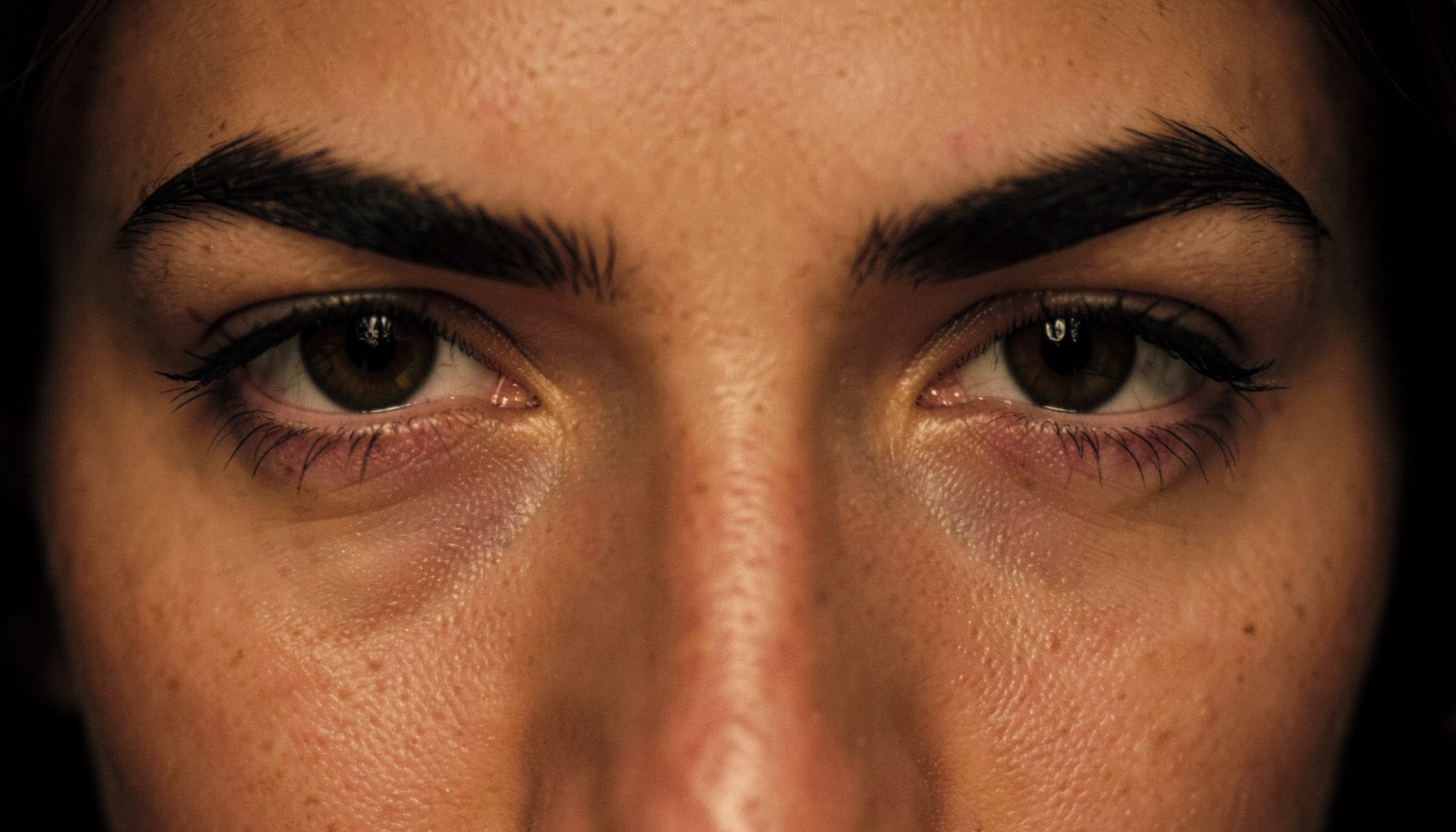
Eye Shape Guide
Understand your eye shape, master makeup techniques, and explore every treatment option — from Botox brow lifts to surgical solutions.
Explore the Site
Eyeshadow placement, blending techniques, and common mistakes to avoid for a more open, lifted look.
Explore →Winged liner, smudge prevention, and techniques that work with hooded lids to make eyes appear larger.
Explore →Non-surgical Botox brow lifts and surgical options including blepharoplasty, explained clearly.
Explore →Five false lash styles suited to hooded eyes, plus curler and mascara guidance for maximum lift.
Explore →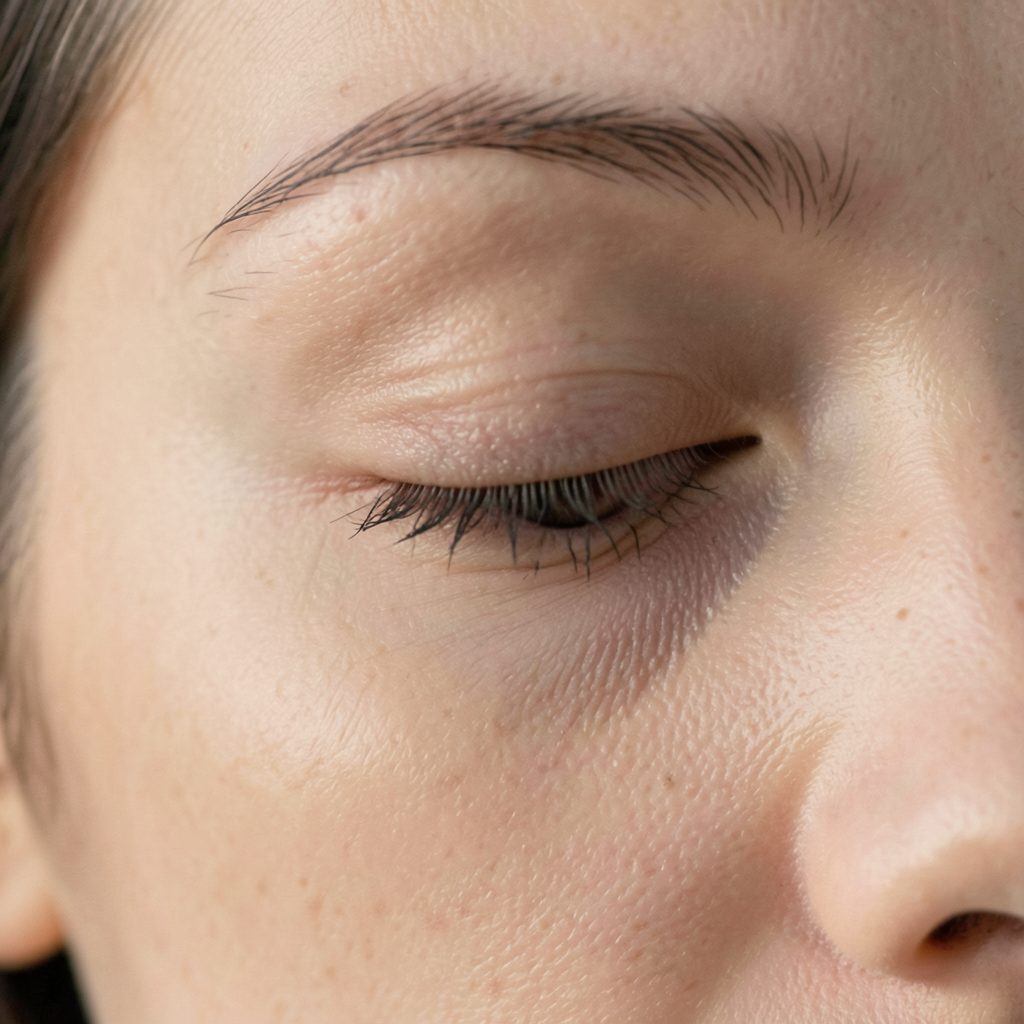
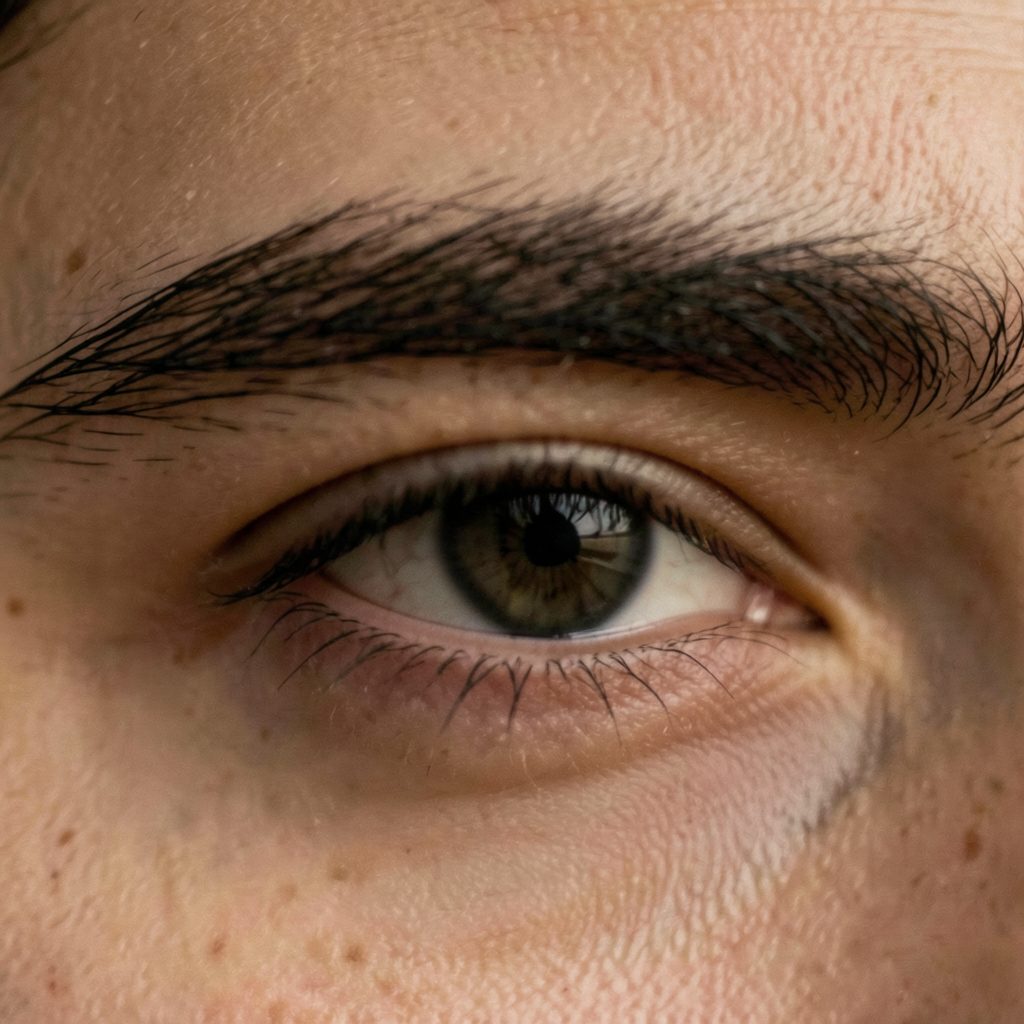
What Are Hooded Eyes?
Hooded eyes are a natural eye shape where an excess piece of skin from the brow bone partially or completely covers the eyelid. The result can make eyes appear smaller or more tired than they feel.
This shape can be present from birth due to genetics, or it can develop over time. Known causes include aging, genetic traits, eye rubbing, body fatness, muscle structure, trauma, solar radiation, and sleep apnea.
Hooded eyes have a fold of skin that partially covers the mobile eyelid, making the visible lid space appear smaller than it is. The fold may be subtle, pronounced, even on both sides, or more noticeable as the brow and eyelid change with age. These differences affect how eyeliner sits, smudges and appears when the eyes are open.
The ideal line is rarely determined by a universal rule. A thick stripe can swallow the lid on a deep hood, while an ultra-fine line may disappear beneath a softer fold. The most flattering width depends on your eye shape, the amount of visible lid, the texture of your skin and whether you want a natural daytime look or a more defined evening style.
Good technique also involves placement. Applying liner while looking straight ahead helps you see the part of the line that remains visible in real life. For a broader explanation of hooded eyelid structure and makeup choices, this hooded eye guide provides useful background before you begin experimenting.
Start by looking directly into a mirror with your face relaxed. If the upper fold touches or overlaps the lash line, you have limited visible lid space and will usually suit a narrow line. If a strip of lid remains visible above the lashes, you can increase the width slightly without losing the openness of the eye.
The position of the hood matters as well. A central hood may cover the middle of the eyelid, while an outer hood can make winged liner disappear at the corners. Some eyes have an upturned outer corner, and others slope gently downwards. Rather than copying a liner style from a celebrity or social media tutorial, use your open-eye shape as the reference.
Skin texture and oiliness influence thickness too. A very wet or oily lid can cause a wide gel line to transfer onto the crease. In Brisbane humidity or during a hot Sydney summer, even long-wear formulas may soften faster than expected. A thin line with a powder set can be more reliable than a bold, creamy application.
For very little visible lid, begin with a one-millimetre line that hugs the upper lashes. It should be slightly fuller between the lashes than above them, creating density without taking away valuable lid space. A dark brown pencil often looks softer for work or daytime, while black can provide stronger definition for an evening event.
A medium hood generally allows a line of around two millimetres across the centre of the lid. Keep the inner corner fine and let the outer third become a touch thicker. This gradual increase creates lift without forming a heavy horizontal band. If the line vanishes when your eyes open, raise the upper edge only slightly above the natural lash roots.
A bold liner can still suit hooded eyes when it is deliberately placed. Instead of covering the entire mobile lid, concentrate the weight at the outer corner and pair it with a short, angled wing. The visible shape should be checked with the eyes open, because a beautifully even line with the eyes closed can look uneven or hidden once the fold returns to its natural position.
These measurements are guides rather than strict requirements. Pencil softness, pigment strength and the curvature of the eyelid can make the same measurement appear very different from person to person.
A narrow inner corner helps the eyes look brighter. Bring the upper liner close to the tear duct only if the area is comfortable and does not water easily. Stopping just before the inner corner can be more flattering on close-set eyes and can also reduce smudging. Avoid drawing a thick line across the full inner half of the lid, as it can make the eyes appear smaller.
The crease is where many hooded-eye applications fail. If you draw a solid line into the fold, friction may transfer the pigment above the crease. Keep the main liner on the lash line, then open your eyes and add only the amount of height needed for visibility. A small amount of shadow over the pencil can improve wear without increasing the apparent thickness.
For a wing, follow the direction of the lower lash line for the first few millimetres, then connect it back to the upper line with the eye open. A short, slightly lifted flick tends to work better than a long, straight wing that disappears into the hood. If the outer corner folds heavily, a kitten wing or a softly smudged shadow wing may give a cleaner result.
| Eye and lid characteristic | Starting liner thickness | Best placement | Useful finish |
|---|---|---|---|
| Very limited visible lid | 0.5–1 mm | Upper lash roots only | Matte pencil or fine liquid |
| Moderate hood | 1–2 mm | Thin inner line, fuller outer third | Gel, pencil or liquid |
| Outer-corner hood | 1–2 mm | Keep centre slim, extend a short wing | Brown-black pencil |
| Deep crease or oily lid | 0.5–1.5 mm | Avoid drawing into the fold | Waterproof formula with powder |
| Mature or textured eyelid | 1–2 mm, softened | Short strokes rather than one solid band | Satin pencil or shadow liner |
Liquid eyeliner gives the sharpest edge, but it can look severe if the line is too wide or if the applicator catches on textured skin. A flexible felt tip is easier to control than a very wet brush tip. Rest your elbow on a table and make short strokes rather than trying to draw one continuous sweep.
Pencil is forgiving and useful for testing thickness. A waterproof or long-wear pencil can be pressed between the lashes, then softened before it sets. This method creates a fuller lash line without requiring a broad visible stripe. In Melbourne’s changeable weather, a pencil topped with a matching shadow can help reduce transfer while retaining a soft finish.
Gel offers intensity and control, although it needs a clean, narrow brush. Use less product than you think you need, especially at the inner corner. Mascara should be applied after the liner has dried, and lashes can be curled away from the hood to prevent them brushing against fresh pigment.
Australian shoppers have access to a wide range of imported and local cosmetics, but product claims still matter. Cosmetics sold in Australia must meet applicable ingredient and consumer-safety requirements, while products making therapeutic claims may fall under Therapeutic Goods Administration rules. Check the label, replace dried-out eye products and do not share eyeliner, particularly if you have experienced irritation or conjunctivitis.
Tightlining, or placing pigment between the upper lashes, is useful when visible lid space is scarce. Work from the underside or directly into the lash roots, using small sections. It gives the appearance of thicker lashes while preserving the lid area for brightness or eyeshadow.
A lighter lower lash line can balance stronger upper definition. Instead of extending black liner all the way across the lower lid, use taupe, bronze or soft brown on the outer third and blend it gently. Leaving the inner lower corner clean can make the eye look more open, particularly when the upper hood is prominent.
A small amount of light, matte or satin shadow on the centre of the visible lid can add dimension without competing with the eyeliner. Avoid placing a very bright shimmer directly into a deep fold, where it may emphasise texture. For a polished office look in Perth or Adelaide, brown liner, curled lashes and a softly defined outer corner can look refined without appearing heavy.
These checks are especially helpful when the two eyes have different degrees of hooding. It is perfectly acceptable to use a fraction more product on one side to create a balanced appearance.
For daytime, keep the inner half fine and use a slightly thicker outer third. A dark brown, charcoal or black-brown shade can define the eyes while remaining softer than a dense black block. Pair it with a lengthening mascara rather than an extremely volumising formula if the lashes tend to press against the hood.
For evening makeup, build intensity in stages. Start with a fine line, open your eyes, then reinforce the outer corner. Add a short wing only after confirming where the fold sits. This layered approach gives you control and prevents the common mistake of beginning with a dramatic stripe that becomes difficult to correct.
A softly smudged line can be more flattering than a perfectly sharp one on textured or mature lids. Apply pencil close to the lashes, blur the upper edge with a small brush and set the outer section with shadow. If you prefer a crisp finish, use a cotton bud with micellar water to sharpen the underside of the wing rather than making the whole line thicker.
For further ideas on making hooded eyes appear more open, explore these eyeliner opening tricks, then adapt the placement to your own crease and lash direction. Online tutorials often show the eye closed during application, but your final decisions should be made with both eyes open and relaxed.
Eyeliner should never cause persistent stinging, watering, swelling or a gritty sensation. Remove it gently at night with a suitable eye makeup remover, holding a soaked cotton pad over the lashes for several seconds before wiping. Rubbing hard can irritate the skin and pull at delicate lashes.
Waterproof products are useful for long days, beach visits and humid conditions, but they can require more removal effort. If you are attending an outdoor event in Darwin or spending a warm day in Sydney, test the formula beforehand. Sweat-resistant does not mean immune to transfer, particularly where a deep hood creates repeated skin contact.
If you are considering cosmetic options such as a Botox brow lift or blepharoplasty because hooding affects your field of vision or makeup application, seek advice from an appropriately qualified Australian medical practitioner. Ask about expected results, asymmetry, dry-eye symptoms, recovery time and risks. Cosmetic procedures cannot replace good liner placement, and a treatment decision should be based on overall eye function and facial balance rather than a single makeup trend.
A narrow, carefully placed line is often the most versatile starting point for hooded eyes. Build outward and upward only where the open eye can support the extra definition. With the right width, formula and viewing angle, eyeliner can frame the lashes, lift the outer corner and preserve the openness that makes your natural eye shape distinctive.
Try the fine-line method on one eye and compare it with a slightly fuller outer-corner version on the other. Take a photo in natural light, wear each style for a few hours and note which remains comfortable and visible. Small adjustments to thickness can transform the result, so treat eyeliner as a custom fit rather than a fixed rule.
Surgical Option
For those seeking a more lasting result, plastic surgery — including blepharoplasty — is covered as a treatment option for hooded eyes. Surgery addresses the excess skin directly and is considered an alternative to non-surgical approaches like Botox.
The site's surgery guide explains the procedure, what to expect, and how it compares to non-surgical routes, helping readers make informed decisions about their options.
Read the Surgery Guide →Famous Faces
Hooded eyes can enhance facial expressions and contribute to a distinctive, memorable look. These ten well-known figures all share the eye shape.
Jennifer Aniston
Leonardo DiCaprio
Solange Knowles
Taylor Swift
Michelle Williams
Robert Pattinson
Blake Lively
Selena Gomez
Gigi Hadid
Benicio del Toro
Side by Side
False Lash Guide
Varied length spikes create texture and the illusion of depth without weighing down the lid.
Longer outer-corner lashes draw the eye outward and upward, counteracting the hood effect.
A uniform, moderate length that adds definition without overwhelming a hooded lid.
Applied only to the outer half, these open up the eye shape and are easier to manage on hooded lids.
A strong upward curl (D or L curl) lifts lashes away from the hood, keeping them visible throughout the day.
The guide also covers lash curlers, mascara recommendations, and step-by-step instructions for fixing false lashes on hooded eyelids.
Full Lash Guide →Get in Touch
Whether you are just beginning your makeup journey or have been experimenting with different looks for years, we are glad you are here.
General Feedback
Share your thoughts on the site or suggest topics you'd like covered.
Looking for a Specific Tip?
Ask about a particular technique or eye-shape challenge.
Product Questions
Questions about products mentioned across the site.
Human Resources or Business Inquiries
Partnership, collaboration, or business-related correspondence.