01
Makeup Tips
Eyeshadow placement, blending techniques, and common mistakes to avoid for a more open, lifted look.
Explore →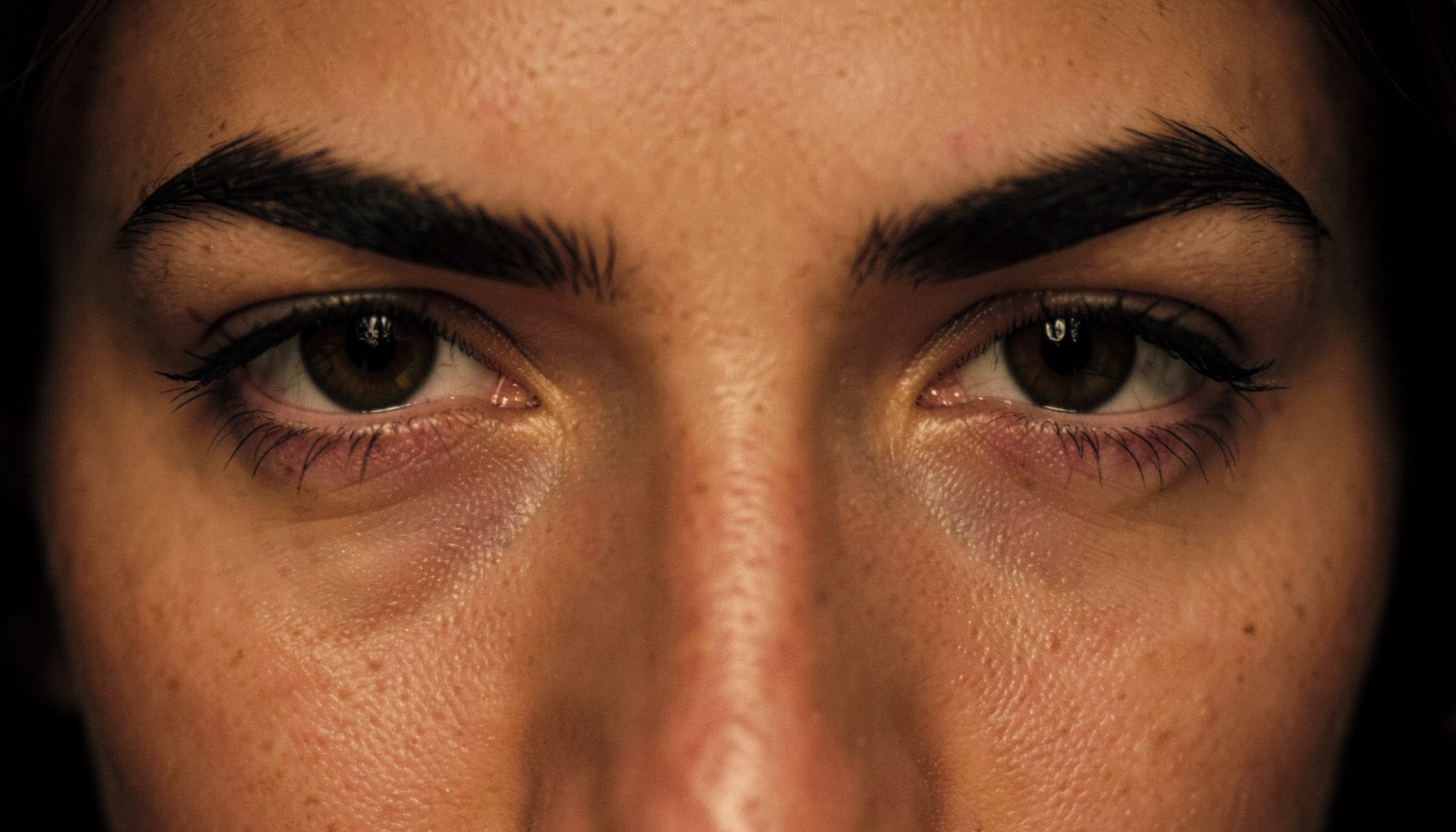
Eye Shape Guide
Understand your eye shape, master makeup techniques, and explore every treatment option — from Botox brow lifts to surgical solutions.
Explore the Site
Eyeshadow placement, blending techniques, and common mistakes to avoid for a more open, lifted look.
Explore →Winged liner, smudge prevention, and techniques that work with hooded lids to make eyes appear larger.
Explore →Non-surgical Botox brow lifts and surgical options including blepharoplasty, explained clearly.
Explore →Five false lash styles suited to hooded eyes, plus curler and mascara guidance for maximum lift.
Explore →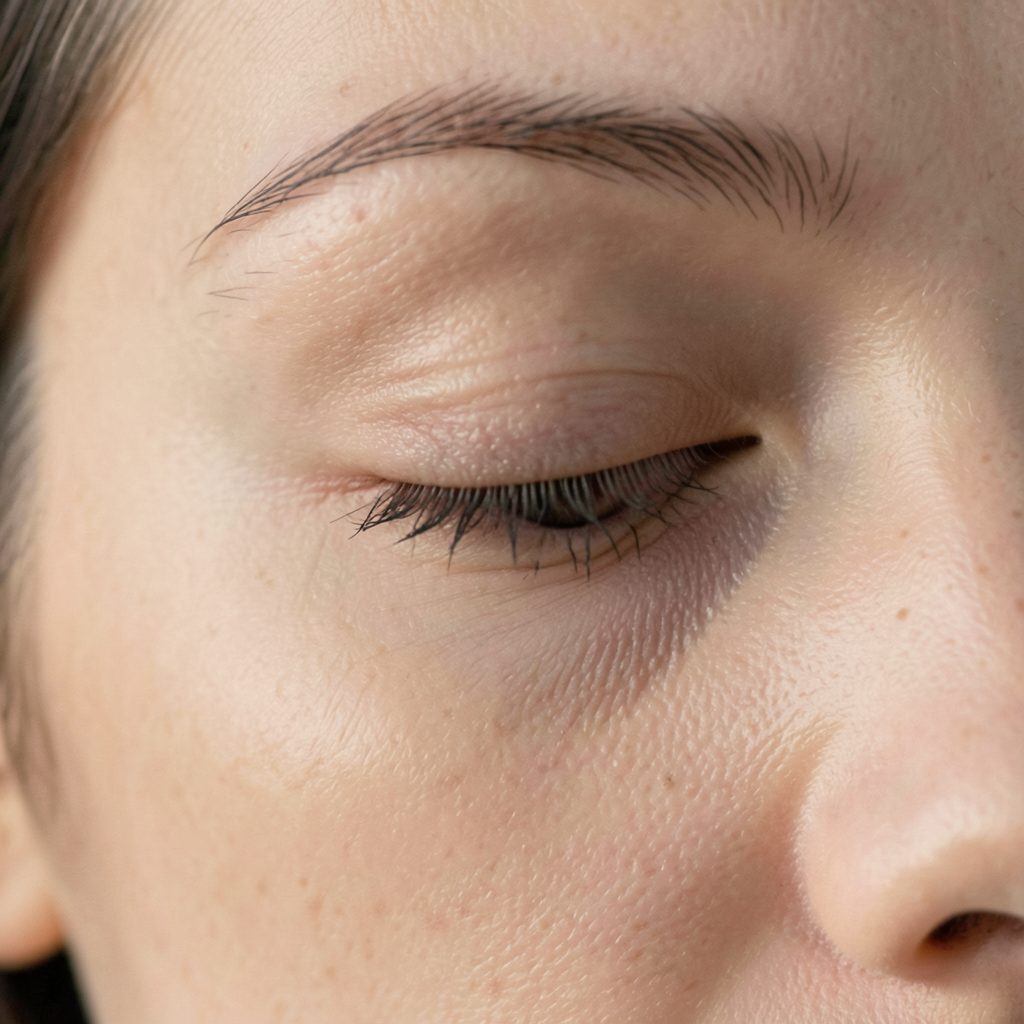
What Are Hooded Eyes?
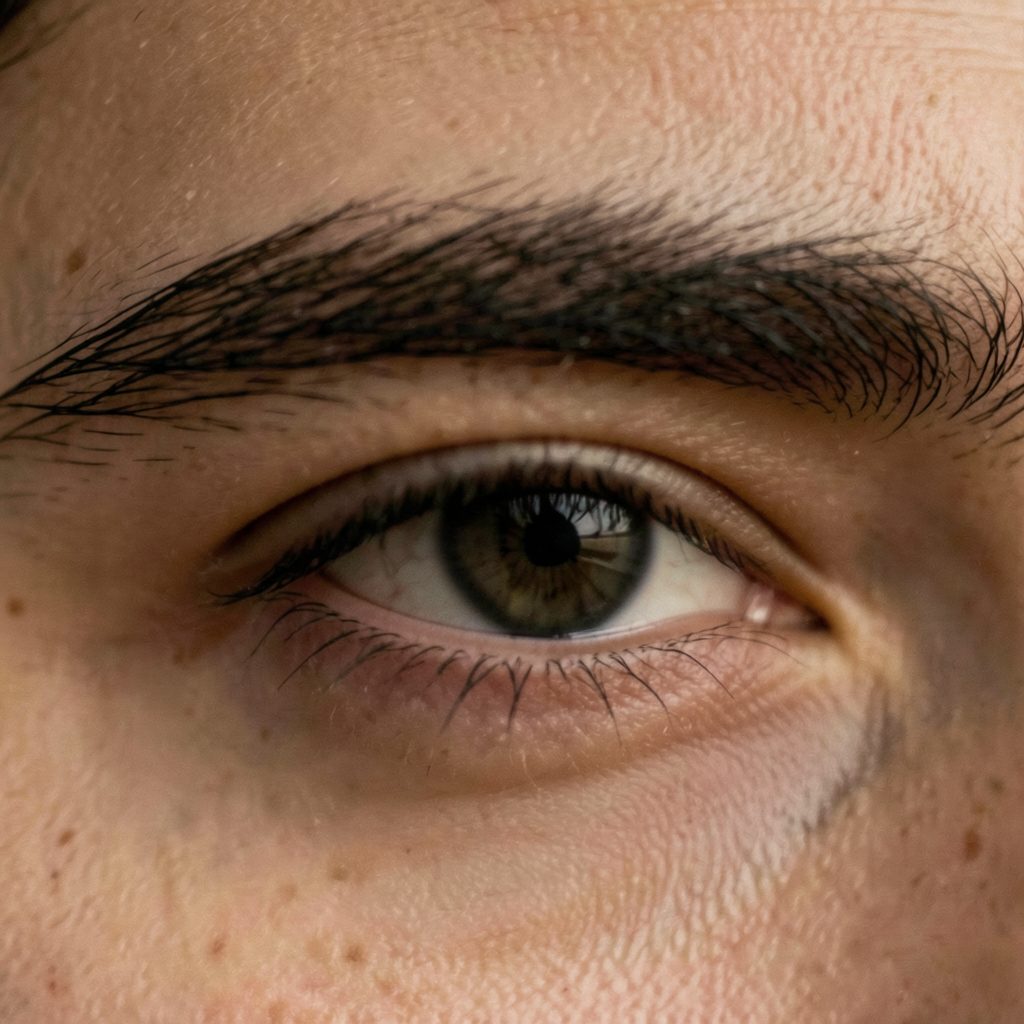
Hooded eyes are a natural eye shape where an excess piece of skin from the brow bone partially or completely covers the eyelid. The result can make eyes appear smaller or more tired than they feel.
This shape can be present from birth due to genetics, or it can develop over time. Known causes include aging, genetic traits, eye rubbing, body fatness, muscle structure, trauma, solar radiation, and sleep apnea.
Many people look in the mirror, glance at a magazine spread, and wonder whether the fold they see — or don't see — means they have hooded eyes or monolids. The confusion is completely understandable because the two features can look similar at first glance, particularly in photos where lighting flattens the eye area. Add social media filters and AI-enhanced selfies into the mix, and it becomes harder to read your own bone structure accurately.
The conversation around these eye shapes has grown louder in Australian beauty circles, especially as more local makeup artists share technique videos online. Mecca counters in Sydney and Melbourne regularly field questions about crease-cutting tutorials, while Brisbane-based beauty educators have built entire followings around monolid-friendly shadow placement. Even the climate plays a role: high UV levels and humidity across much of Australia can change how the skin around the eyes behaves, sometimes masking the very features you're trying to identify.
This guide walks through the anatomical markers, at-home tests, and visual cues that separate a hooded lid from a true monolid. You'll also find a side-by-side comparison, common misconceptions worth clearing up, and notes on when it's worth booking a consultation with a professional. By the end, you should have a clearer idea of which category your eyes fall into — and how to work with them rather than against them.
| Feature | Hooded eyes | Monolids |
|---|---|---|
| Brow bone prominence | Often noticeable, with skin folding over the crease | Typically smoother from brow to lash line |
| Visible crease | Partial or hidden when eyes are open | Little to no crease when eyes are open |
| Lid space when open | Limited; mobile lid appears smaller | Single smooth surface from lash to brow |
| Makeup transfer | Eyeshadow often disappears into the fold | Eyeshadow stays where placed |
| Lash visibility | Upper lashes can look shorter due to skin drape | Full lash length typically visible |
| Common associations | Found across many backgrounds | Most associated with East Asian heritage, though not exclusive |
A hooded eye is defined by an extra layer of skin that drapes down from the brow bone, partially or fully covering the crease when the eye is open. The crease itself isn't missing — it's just hidden by the fold of skin above it. This can be a result of genetics, ageing, or a combination of both. Many Australians in their 30s and 40s notice increased hooding as collagen levels shift and the brow area loses elasticity, particularly after years of sun exposure on high-UV-index days.
The defining feature is the brow bone. When you look straight ahead into a mirror, if the skin between your eyebrow and your lash line folds downward and covers the crease, you're looking at a hooded structure. The mobile lid — the part that moves when you blink — appears shorter than it actually is because the fold obscures it. This is why eyeshadow applied in the "standard" way often seems to vanish: it migrates upward into the fold rather than sitting where you placed it.
Hooding can vary from mild to heavy. Mild hooding might only cover a sliver of the crease when the eye is open, while heavy hooding can cover the entire lid and even encroach on the lash line. The shape of the brow bone, the thickness of the skin, and the position of the eyebrow all influence how pronounced the hood appears. None of these variations is a problem in itself, but they do change how light hits the eye and how makeup behaves.
A monolid, by contrast, lacks a visible crease when the eye is open. The skin runs in a smooth, single plane from the lash line to the brow bone, with no fold or indentation breaking the surface. This isn't a "missing" crease — it's a different anatomical structure where the levator muscle attaches closer to the lash line, creating that seamless lid.
Monolids are most commonly associated with East Asian heritage, but they appear across many backgrounds. Some people have a "partial" monolid where a faint crease shows only when the eye is closed or squinted, while others have what makeup artists sometimes call a true monolid with no visible fold at any angle. The lid itself can still have plenty of space — in fact, many monolid lids have more visible mobile-lid real estate than hooded eyes, which is why certain eyeshadow techniques work beautifully on them.
One point worth emphasising: monolids are not "less developed" or "missing" anything compared to hooded or double-lid shapes. They're a normal variation in human anatomy, and many people with monolids have ample lid space for creative makeup looks. The misconception that monolids offer less to work with has fuelled unnecessary insecurity for decades, particularly in Western beauty contexts that historically centred double-lid looks.
The mirror test is the simplest starting point. Sit in natural light — Australian afternoon sun through a window works well — and look straight ahead at your reflection. Lift your eyebrows slightly with your fingers. If a crease becomes visible that wasn't there before, you're likely dealing with a hooded lid. If the surface remains smooth with no crease appearing even when you raise your brows, you may have a monolid or a very low-set crease.
The shadow test gives you another data point. Apply a single wash of eyeshadow across your lid as you normally would, then look straight ahead. If the colour seems to disappear or sit above your crease line, hooding is probably at play. If the colour stays visible across the full mobile lid, your eye shape is more likely a monolid or a less-hooded variation. This is the same test makeup artists at Mecca and local counters use during consultations.
The lash-line check is the third clue. With your eyes open and relaxed, examine your upper lash line. If the skin above your lashes drapes over them — making lashes appear shorter or pointing more downward than they actually are — hooding is the cause. If your full lash line is visible from root to tip with no skin folding over it, you likely have a monolid or a less-hooded shape. Taking a photo straight on, without filters, and comparing it to reference images of celebrities with hooded eyes can help you calibrate your eye.
The behaviour of makeup is where the two shapes diverge most obviously for anyone watching. On a hooded eye, eyeshadow migrates upward throughout the day as the fold collects pigment. This is why "cut the crease" tutorials require a specific technique on hooded lids — the crease line you're working with sits higher and deeper than the visible lid suggests. Eyeliner applied in a traditional wing also tends to transfer onto the brow-bone area, smudging the line.
On a monolid, makeup applied to the lid stays put because there's no fold to catch and lift the pigment. Gradient shadows — light at the lash line, deepening toward the brow — are a popular technique that takes advantage of the smooth surface. Liner can be drawn with confidence along the entire lash line without worrying about transfer, and the shape stays clean from morning to night. This predictability is one reason many people with monolids find makeup easier to apply than they expected.
The lash situation also differs. Hooded lids can make upper lashes appear shorter or flatter because the drape of skin weighs them down. Many Australians searching for solutions end up reading about the best hooded lashes to find styles with the right curl and length. Monolids, meanwhile, typically showcase full lash length without obstruction, though the lashes may grow more straight or downward-pointing depending on individual variation.
One of the most persistent myths is that hooded eyes and monolids are the same thing. They're not. A hooded eye has a crease that exists but is hidden by skin; a monolid has no visible crease at all. Conflating the two leads to makeup advice that doesn't work — techniques suited to one shape will underperform on the other. For instance, hooded-eye crease tutorials assume a fold is present; on a true monolid, that technique has nothing to land on.
Another misconception is that monolids only occur in people of East Asian descent. While statistically more common in those populations, monolids appear across every ethnic background. Conversely, hooded eyes are often wrongly assumed to be a European feature when in reality they show up in nearly every population. The shapes are universal human variations, not markers of any particular heritage.
A third myth is that hooded eyes always need correction or "fixing." Plenty of people with hooded lids wear minimal makeup and love how their eyes look. The shape gives a soft, sometimes sultry appearance that many find appealing. Australian makeup artists working in film and editorial photography often point out that hooded lids photograph beautifully when styled with intention, rather than worked around.
If you remain unsure after the at-home checks, or if your eye shape seems to combine features of both categories, a professional can clarify. Makeup artists trained in diverse eye shapes — particularly those working in multicultural cities like Sydney and Melbourne — can identify your shape within seconds and recommend techniques that suit it. Many local salons and beauty counters offer consultations that include a makeup application tailored to your specific anatomy.
If hooding is severe, changes suddenly, or affects your vision (some people find the skin begins to droop into their field of sight), a consultation with a cosmetic doctor or oculoplastic surgeon is worth considering. Treatments such as blepharoplasty or a Botox brow lift can address functional or aesthetic concerns, though they're a personal decision that deserves careful thought. A qualified practitioner will walk you through preparation, aftercare, and realistic outcomes without pressure.
For everyone else, the goal is simply to understand what you're working with so you can apply makeup with confidence. Knowing whether you have a hooded lid or a monolid changes everything from brush choice to colour placement. It's the difference between fighting your features each morning and partnering with them.
If you've spotted your shape — hooded, monolid, or somewhere between — the next step is exploring techniques tailored to that anatomy. The site covers everything from everyday eyeshadow placement to lash selection, brow shaping, and the cosmetic options available if you want to explore them. Start with a look through the celebrity gallery to see how varied hooded eyes can be, then dive into the lash guide to find styles that lift rather than flatten. Your eye shape is a feature, not a flaw — once you know what it is, you can work with it beautifully.
Surgical Option
For those seeking a more lasting result, plastic surgery — including blepharoplasty — is covered as a treatment option for hooded eyes. Surgery addresses the excess skin directly and is considered an alternative to non-surgical approaches like Botox.
The site's surgery guide explains the procedure, what to expect, and how it compares to non-surgical routes, helping readers make informed decisions about their options.
Read the Surgery Guide →Famous Faces
Hooded eyes can enhance facial expressions and contribute to a distinctive, memorable look. These ten well-known figures all share the eye shape.
Jennifer Aniston
Leonardo DiCaprio
Solange Knowles
Taylor Swift
Michelle Williams
Robert Pattinson
Blake Lively
Selena Gomez
Gigi Hadid
Benicio del Toro
Side by Side
False Lash Guide
Varied length spikes create texture and the illusion of depth without weighing down the lid.
Longer outer-corner lashes draw the eye outward and upward, counteracting the hood effect.
A uniform, moderate length that adds definition without overwhelming a hooded lid.
Applied only to the outer half, these open up the eye shape and are easier to manage on hooded lids.
A strong upward curl (D or L curl) lifts lashes away from the hood, keeping them visible throughout the day.
The guide also covers lash curlers, mascara recommendations, and step-by-step instructions for fixing false lashes on hooded eyelids.
Full Lash Guide →Get in Touch
Whether you are just beginning your makeup journey or have been experimenting with different looks for years, we are glad you are here.
General Feedback
Share your thoughts on the site or suggest topics you'd like covered.
Looking for a Specific Tip?
Ask about a particular technique or eye-shape challenge.
Product Questions
Questions about products mentioned across the site.
Human Resources or Business Inquiries
Partnership, collaboration, or business-related correspondence.