01
Makeup Tips
Eyeshadow placement, blending techniques, and common mistakes to avoid for a more open, lifted look.
Explore →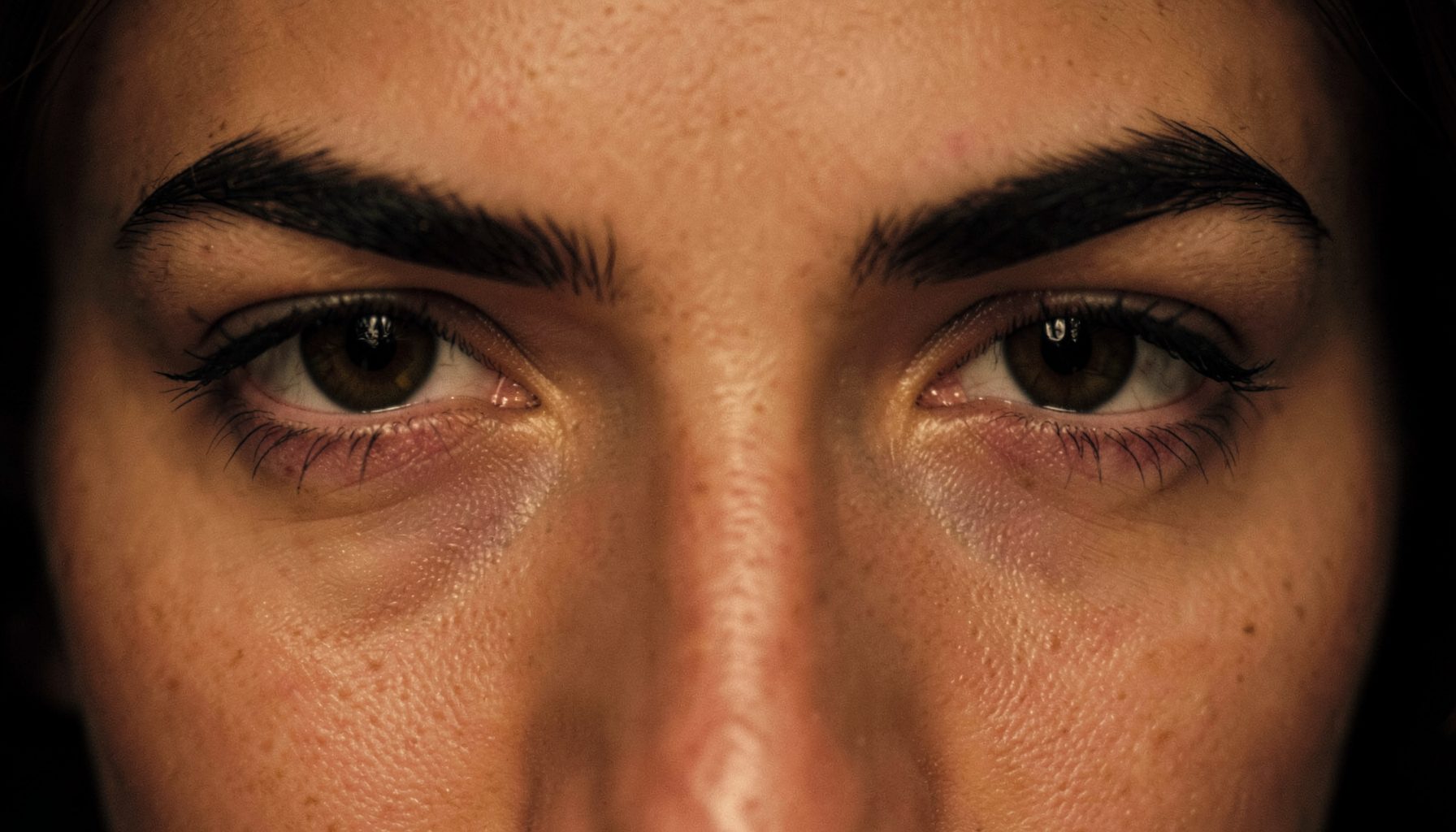
Eye Shape Guide
Understand your eye shape, master makeup techniques, and explore every treatment option — from Botox brow lifts to surgical solutions.
Explore the Site
Eyeshadow placement, blending techniques, and common mistakes to avoid for a more open, lifted look.
Explore →Winged liner, smudge prevention, and techniques that work with hooded lids to make eyes appear larger.
Explore →Non-surgical Botox brow lifts and surgical options including blepharoplasty, explained clearly.
Explore →Five false lash styles suited to hooded eyes, plus curler and mascara guidance for maximum lift.
Explore →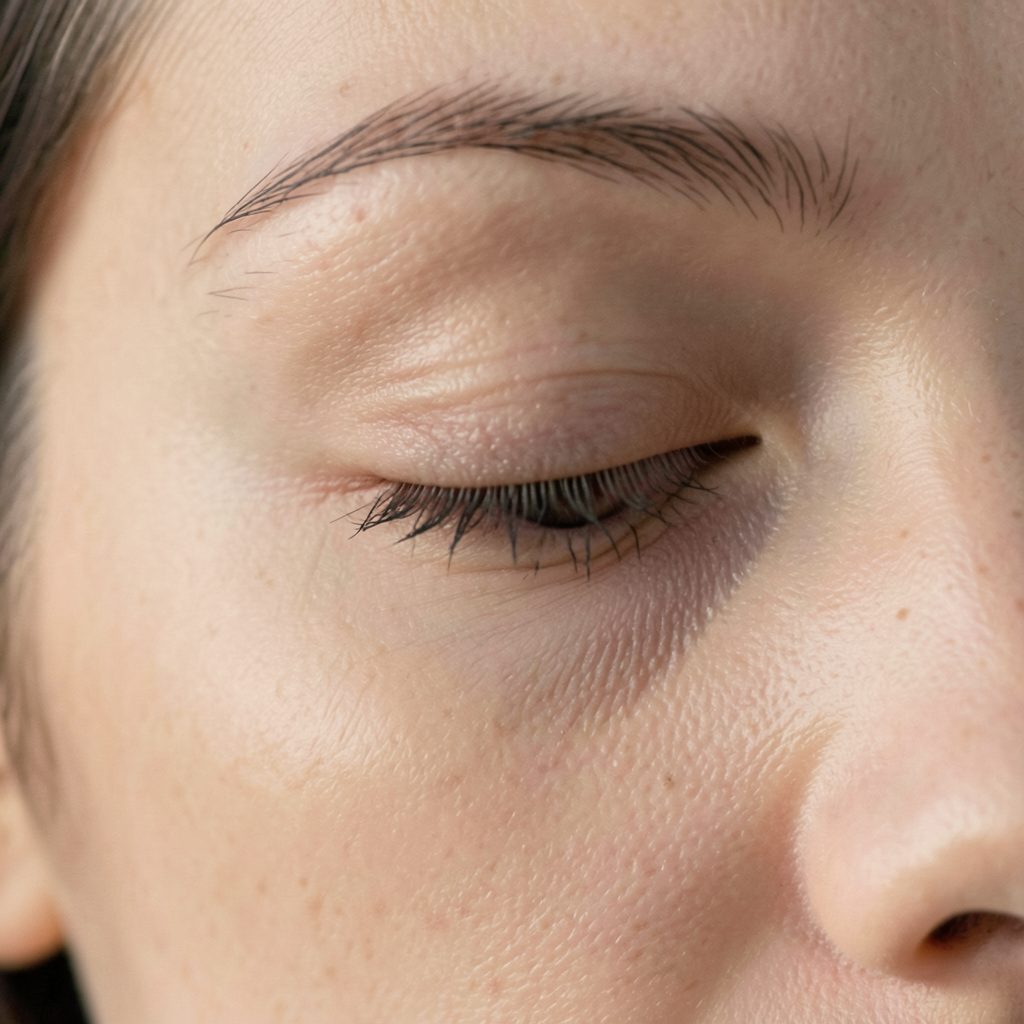
What Are Hooded Eyes?
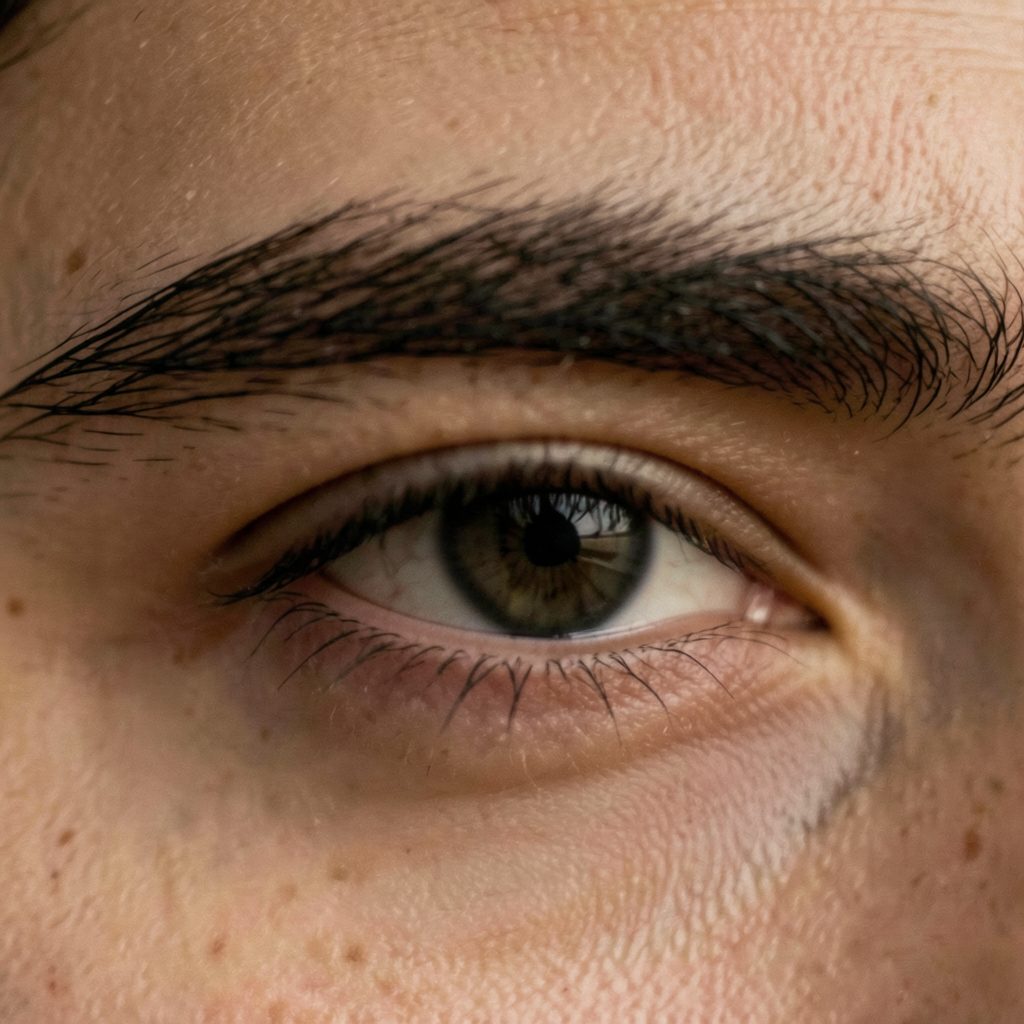
Hooded eyes are a natural eye shape where an excess piece of skin from the brow bone partially or completely covers the eyelid. The result can make eyes appear smaller or more tired than they feel.
This shape can be present from birth due to genetics, or it can develop over time. Known causes include aging, genetic traits, eye rubbing, body fatness, muscle structure, trauma, solar radiation, and sleep apnea.
Questions about why some people see more hooded eyelids after losing weight often involve visibility rather than a newly formed eye shape. Hooding occurs when the upper-lid fold covers part of the crease. Weight loss can change facial volume and skin behaviour, so the same fold may sit in a deeper shadow or appear to descend.
Not every perceived change is caused by weight loss. Ageing, brow movement, fluid retention, makeup and photography can affect how much of the crease shows. A new or one-sided change may also indicate skin laxity or eyelid ptosis, which deserves assessment rather than simply being treated as cosmetic hooding.
Hooding usually reflects the relationship between the brow, eyelid and tissues around the eye socket. The crease may show when looking up but remain partly hidden at rest. Losing weight can reduce subcutaneous fat and overall facial fullness. The specialised orbital fat above the eyes may not change in proportion to body weight, making the lid fold look heavier without removing its original crease.
Weight loss may also affect skin elasticity, especially with ageing, sun exposure or rapid change. Reduced support can make the fold cast a stronger shadow without the lid margin moving. Water loss may sharpen the face, while salt intake, fluid retention and sleep can make the brow area look alternately defined and puffy. Australia’s strong UV also makes thin eyelid skin worth protecting with shade, sunglasses and sunscreen applied carefully around the eye.
| Feature | Long-standing hooding | Increased visibility after weight loss | A different possibility |
|---|---|---|---|
| Visible crease | Partly hidden at rest and clearer when looking up | The same crease creates a stronger shadow or lower-looking fold | The lid margin itself has dropped |
| Tissue balance | Brow, lid and orbital fat remain stable | Reduced facial support may exaggerate the fold | New swelling, nerve weakness or skin laxity |
| Visual effect | Often creates a low or deep-set appearance | The eye can appear more covered or tired | A changed opening, discomfort or visual-field loss |
| Timing | Usually established early or lifelong | Noticed after weight, age or lifestyle changes | Sudden, one-sided or progressively worsening |
The pace of weight loss matters because the upper eyelid is a small, specialised area. Skin and fluid may take time to settle after a major change, while the brow can look lower relative to a less full face. A haircut, brighter lighting or a new makeup routine can then reveal a crease that was always present.
Many Australian beauty editors call the overlap a low crease or lid hooding. A hooded lid differs from a monolid, which has little or no visible horizontal crease, and from deep-set eyes, whose crease sits farther beneath the brow ridge. True ptosis occurs when the upper-lid margin itself sits lower and may narrow the visual opening. A weight change can highlight anatomy, but it does not distinguish hooding from ptosis.
Photographs of Anne Hathaway, Megan Fox and Bella Hadid are often discussed as examples of low creases or hooded lids. Such labels describe appearance, not a diagnosis: makeup, brow position, expression and camera angle affect every eye. Celebrities can show a look you may want to emulate, while an individual examination is more reliable than copying a red-carpet image.
For a newly noticeable fold, apply a thin matte layer over the visible upper lid, then use a soft transition shade above it without tracing the crease sharply. A defined, gently arched brow can make the space between brow and lid seem more open. Dense shimmer directly on the fold can make a low crease look deeper.
If you want definition below the lashes, compare waterline pencil liners and choose a soft, waterproof formula that will not flake into the eye. Kohl can irritate the waterline, so replace it regularly, avoid sharing it and remove it gently. Contact-lens wearers should keep colour away from the lens edge and stop if discomfort develops.
Use eyeliner to support the existing lid shape. Tightlining can create a continuous-looking lash line, while a short upward flick can balance a downward outer corner. Curl clean lashes, use waterproof mascara sparingly and keep the tips from pointing toward the temple. Smudged liner or heavy mascara can make the opening look narrow very quickly.
Brow grooming can change the frame around the eye. Filling the tail gently, tidying the underside and placing the highest point in a flattering position may create more visible space. If the tail has dropped, very dark or sharply drawn brows can add visual weight rather than make the eye look open.
A salon lift can curl natural lashes and make the upper-lash line more noticeable. When comparing hooded-eye lash lifts, ask about the lifting method, adhesive placement, suitability for fragile lashes and aftercare. Poorly timed lifting, strong adhesive or excessive traction can cause breakage, irritation or injury to the lid margin.
Lash lifts are temporary and do not correct brow descent, excess skin or ptosis. Leave them out while an eye is irritated or recovering from treatment, and follow the technician’s removal instructions. With false lashes, lighter weight and clean placement are easier on a lid that already looks heavy.
A Botox brow lift temporarily relaxes muscles that pull the central brow downward. It may create a subtle lift and more space above the fold, but the result depends on anatomy, dose and injector skill. Possible effects include bruising, headache, eyelid heaviness or unevenness; double vision or significant lid drooping needs prompt medical review.
Upper blepharoplasty can remove excess skin, known medically as dermatochalasis, and reshape tissue, sometimes including conservative fat removal. It does not change the fundamental eye shape. Lower-eyelid surgery addresses a separate concern. A clinician should examine the crease, lid margin, blink, tear film and visual field because hooding, ageing and ptosis may require different management.
Purely elective brow Botox and blepharoplasty are generally not Medicare-subsidised. A procedure performed for documented visual-field obstruction may be assessed differently, although a GP referral does not guarantee eligibility. Clinics operate across Sydney, Melbourne, Brisbane and Adelaide. Australian clinics may use titles such as cosmetic doctor, so verify AHPRA registration; for surgery, ask about recognised specialist Fellowship training. Request an itemised AU$ quote covering the facility, anaesthetic, follow-up, after-hours care and policy for complications or revision.
Plan treatment when general health and weight are settled, and provide a complete medication and supplement list. Do not stop prescribed medicine without medical advice. Follow clinic instructions about contact lenses, makeup, false lashes, eating, driving and work. After upper-eyelid surgery, protect the area from rubbing and follow the prescribed drops, cooling and review schedule. Risks include bleeding, infection, scarring, dryness, incomplete eyelid closure, altered sensation, asymmetry, ptosis and revision. Severe pain, visual changes or an inability to close the eye requires urgent care.
Use photographs and health information to make the appointment more precise:
If weight has changed recently, mention the timing and avoid elective cosmetic care while health or weight is unsettled unless a clinician advises otherwise. Sudden, painful or one-sided symptoms need medical assessment before cosmetic booking.
Seek prompt medical care for sudden one-sided drooping, double vision, severe pain, a change in pupil size or loss of visual field. These signs do not fit ordinary hooded eyes and should not be explained away with new makeup. An eye specialist or surgeon can assess ptosis, nerve-related problems and excess skin.
Start with three photographs in daylight: one looking straight ahead, one with the brow gently raised and one from the side. Record when the fold changed and note any visual symptoms. Book a GP or eye assessment first if the change is sudden, one-sided or affects vision; for a gradual change with normal vision, a properly credentialed cosmetic consultation may be appropriate. Take the photographs and symptom notes to the appointment so the clinician can assess function as well as appearance.
Surgical Option
For those seeking a more lasting result, plastic surgery — including blepharoplasty — is covered as a treatment option for hooded eyes. Surgery addresses the excess skin directly and is considered an alternative to non-surgical approaches like Botox.
The site's surgery guide explains the procedure, what to expect, and how it compares to non-surgical routes, helping readers make informed decisions about their options.
Read the Surgery Guide →Famous Faces
Hooded eyes can enhance facial expressions and contribute to a distinctive, memorable look. These ten well-known figures all share the eye shape.
Jennifer Aniston
Leonardo DiCaprio
Solange Knowles
Taylor Swift
Michelle Williams
Robert Pattinson
Blake Lively
Selena Gomez
Gigi Hadid
Benicio del Toro
Side by Side
False Lash Guide
Varied length spikes create texture and the illusion of depth without weighing down the lid.
Longer outer-corner lashes draw the eye outward and upward, counteracting the hood effect.
A uniform, moderate length that adds definition without overwhelming a hooded lid.
Applied only to the outer half, these open up the eye shape and are easier to manage on hooded lids.
A strong upward curl (D or L curl) lifts lashes away from the hood, keeping them visible throughout the day.
The guide also covers lash curlers, mascara recommendations, and step-by-step instructions for fixing false lashes on hooded eyelids.
Full Lash Guide →Get in Touch
Whether you are just beginning your makeup journey or have been experimenting with different looks for years, we are glad you are here.
General Feedback
Share your thoughts on the site or suggest topics you'd like covered.
Looking for a Specific Tip?
Ask about a particular technique or eye-shape challenge.
Product Questions
Questions about products mentioned across the site.
Human Resources or Business Inquiries
Partnership, collaboration, or business-related correspondence.