01
Makeup Tips
Eyeshadow placement, blending techniques, and common mistakes to avoid for a more open, lifted look.
Explore →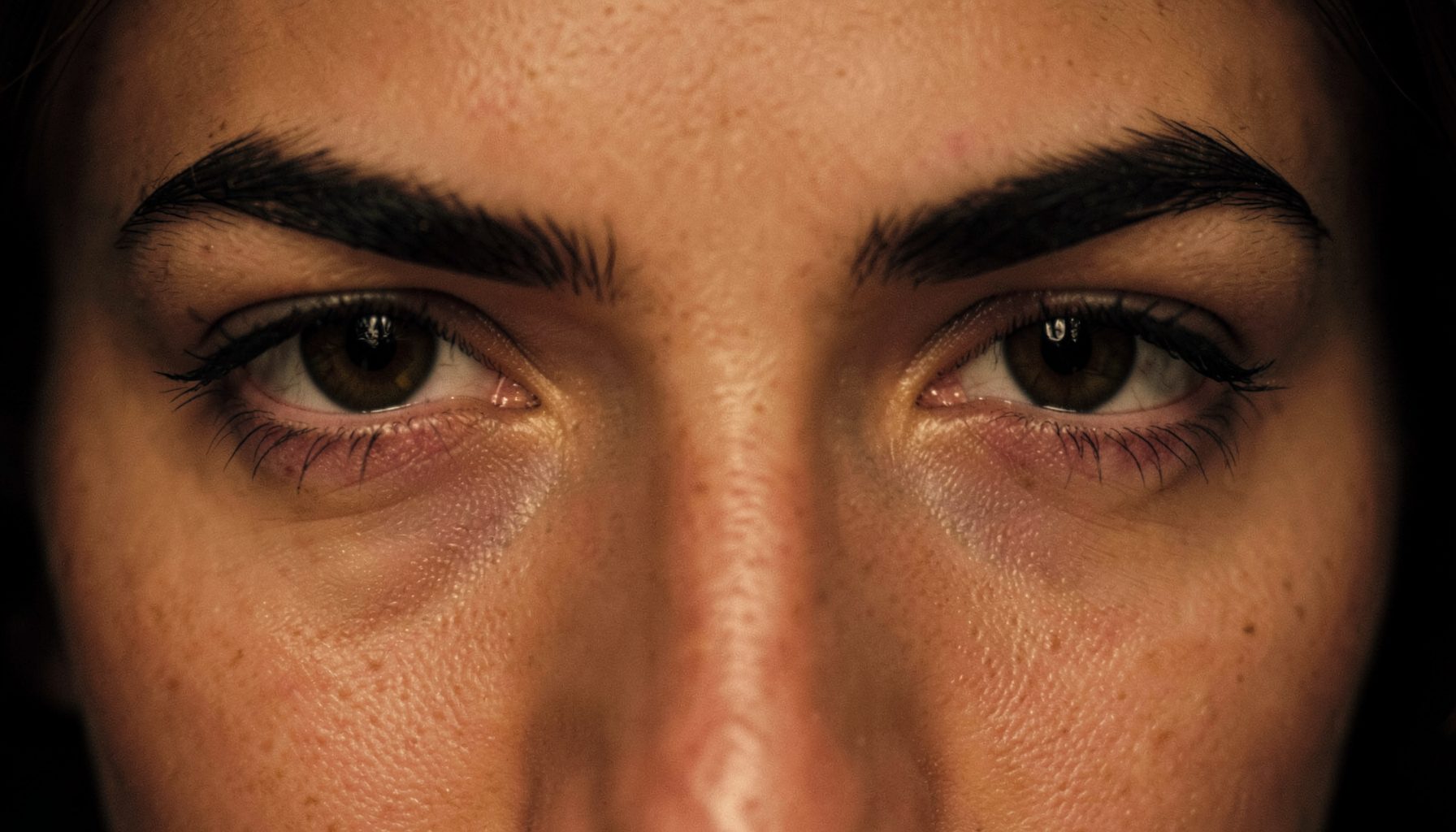
Eye Shape Guide
Understand your eye shape, master makeup techniques, and explore every treatment option — from Botox brow lifts to surgical solutions.
Explore the Site
Eyeshadow placement, blending techniques, and common mistakes to avoid for a more open, lifted look.
Explore →Winged liner, smudge prevention, and techniques that work with hooded lids to make eyes appear larger.
Explore →Non-surgical Botox brow lifts and surgical options including blepharoplasty, explained clearly.
Explore →Five false lash styles suited to hooded eyes, plus curler and mascara guidance for maximum lift.
Explore →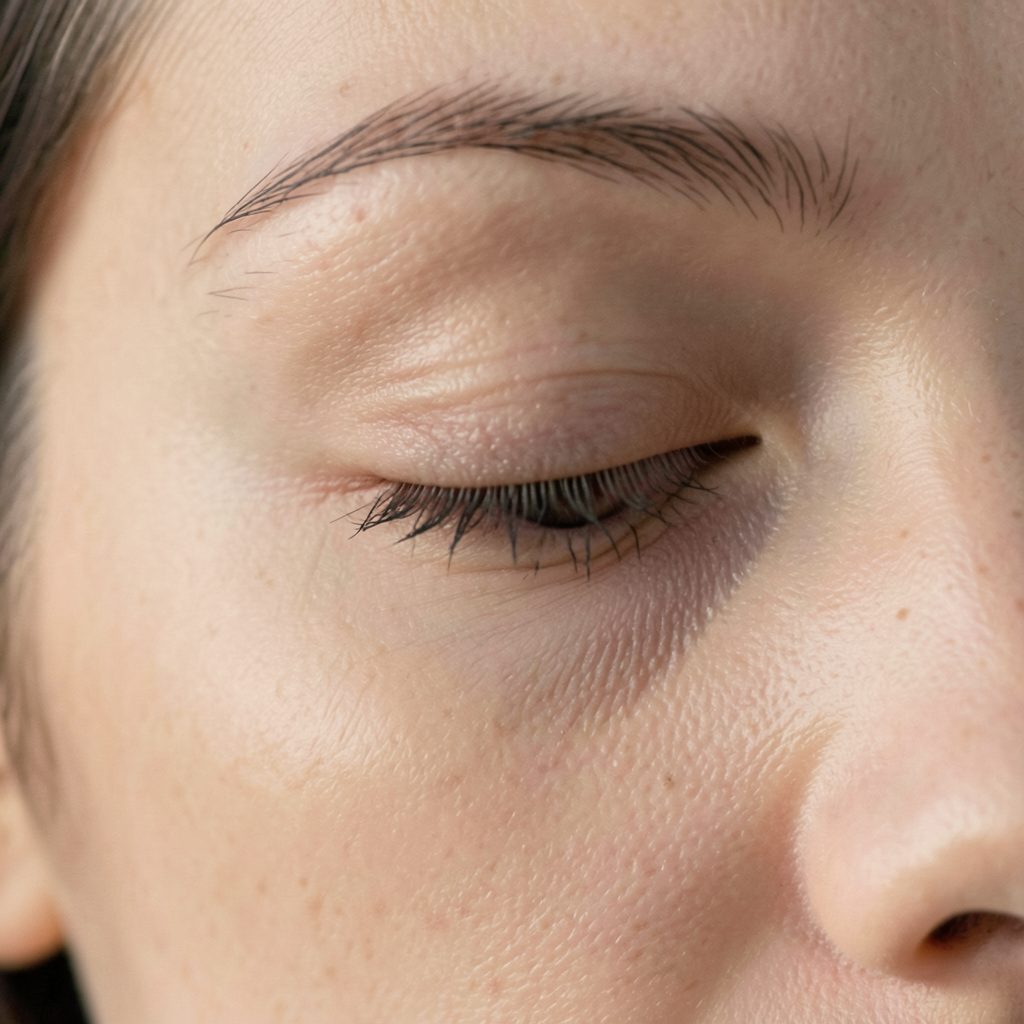
What Are Hooded Eyes?
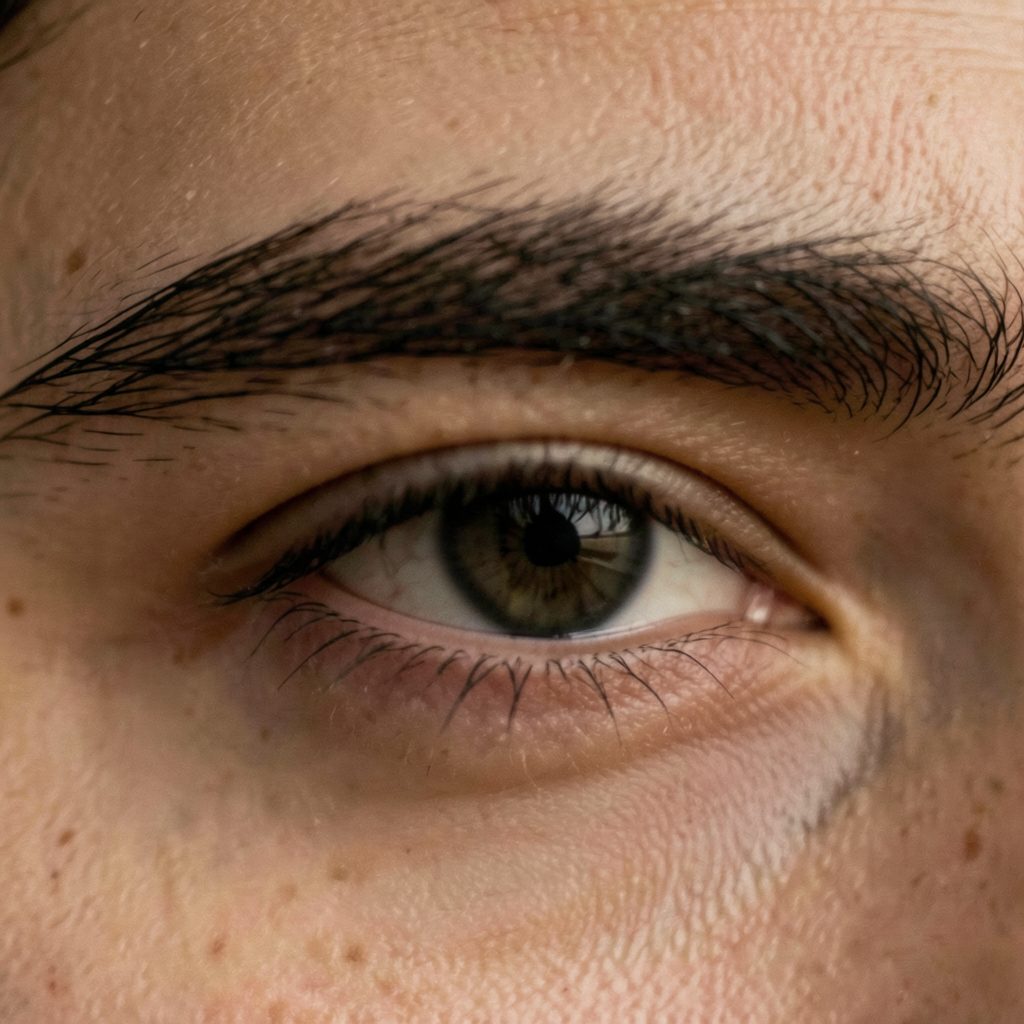
Hooded eyes are a natural eye shape where an excess piece of skin from the brow bone partially or completely covers the eyelid. The result can make eyes appear smaller or more tired than they feel.
This shape can be present from birth due to genetics, or it can develop over time. Known causes include aging, genetic traits, eye rubbing, body fatness, muscle structure, trauma, solar radiation, and sleep apnea.
A lash lift can feel like the perfect shortcut for hooded eyes — a curl that lasts for weeks without mascara smudging onto the brow bone. Yet the technique behaves very differently across eye shapes, and a hooded lid adds its own quirks to the mix. The crease hides part of the lash line, the brow bone often sits closer to the lashes than expected, and the natural curl tends to point downward rather than lift. A single careless step during a lift can leave you with a stiff, crimped fringe that disappears the moment you look up.
The outcome depends heavily on the choices made at the treatment bed. Shield size, solution strength, and the wrapping technique all matter, and these choices become more important the more hooding the eye has. Australians seeking this treatment should know that standards and product formulations can vary noticeably between clinics in Sydney, Brisbane, and Adelaide, which makes researching the right questions well before booking genuinely worthwhile.
This piece walks through the practical details behind a successful lash lift on a hooded lid, the language to use during a consultation, and what to look for in a portfolio. It also covers follow-up care, when to pair the lift with brow grooming, and the signs that a different procedure might suit you better over time. The aim is to leave the booking feeling informed rather than hopeful.
A lash lift works by breaking and reforming the bonds in the hair shaft using a small amount of setting solution. On most eye shapes, the result is a soft upward sweep that opens the gaze. On a hooded lid, the same lift can behave differently because the skin fold partially covers the lash root, compressing the lashes against the brow bone as the day progresses. The lift has to fight this compression rather than work with it.
The skin around a hooded eye also tends to hold more warmth than flatter lids, particularly in humid pockets of coastal Queensland or during a Melbourne summer afternoon. This extra warmth can shorten the effective working time of the setting solution, which is why an experienced technician will often reduce the timing slightly to avoid over-processing. Clients who mention their climate honestly at the consultation tend to get more tailored results because the timings get adjusted from the start rather than left at a textbook default.
A uniform curl across the whole lash line can flatten the outer lashes against the temple, while a softer curl at the outer edges usually reads as more lifted in real life. Bringing this asymmetry up at the consultation gives the technician a chance to plan a directional wrap rather than a one-size approach.
Silicone shields come in a surprising range of sizes and curvatures, and the choice between them is one of the largest levers a technician pulls. Smaller shields create a more dramatic curl, while larger shields produce a softer sweep that reads more naturally on heavy-lidded eyes. For hooded lids specifically, a medium shield — often labelled S or M depending on the brand — tends to deliver the most wearable lift without crowding the brow bone.
Curling direction is just as important as shield size. Many hooded eye specialists recommend a slight diagonal wrap that angles the outer lashes upward and inward, lifting them away from the skin fold near the temple. Straight horizontal wrapping can leave the outer lashes pointing into the brow, exaggerating hooding rather than softening it. Asking the technician to explain their wrapping map before they begin costs nothing and pairs naturally with the layout in the eyeliner method guide.
Clients in regional Western Australia sometimes find that travelling to a capital city expands their options for technicians who routinely work with hooded lids. Perth and Fremantle are well served, but smaller inland towns may have only one or two salons offering lifts at a high standard. Booking a phone or video consultation before committing to a long drive is a fair use of any reputable technician's time.
The setting and neutralising solutions do most of the heavy lifting during a lash lift. Australian regulations treat these products as cosmetic goods rather than medical devices, so ingredient lists can differ widely between brands stocked locally. Most setting solutions rely on thioglycolic acid or a related thiol, which breaks the hair's disulphide bonds, while a neutraliser then rebuilds them in the new shape. Both steps need precise timing, and over-processing is what causes the crispy, brittle result many clients describe.
For a hooded lid, solution strength sometimes matters more than solution time. A technician who offers a tiered system, such as a 4 percent versus 5 percent setting lotion for delicate or coarse lashes, has more room to customise. Coarse, stubborn lashes respond well to a slightly stronger formula, while fine or post-extension lashes do better with a gentler product paired with a small extension in timing. It is worth asking whether the salon carries both strengths and what their default would be for your particular lash type.
In Adelaide and parts of South Australia, hard water can influence how well the conditioning step at the end of the appointment holds up. Tap water with a higher mineral content can leave a faint cast on freshly lifted lashes if rinsed repeatedly. Many technicians in those areas use distilled water for the final rinse or recommend a gentle lash cleanser for home use. Bringing this up at the consultation signals that you understand the variables and expect them to be discussed openly.
A portfolio tells you far more about a technician than a price list does, particularly for hooded eyes. Photos that show the client's full face — open, mid-blink, and closed — reveal how the lashes sit against the brow bone, while close-up shots from a single angle often hide flaws. Strong portfolios include shots taken in natural light rather than ring-light glare, which can artificially exaggerate the curl and disguise any droop.
Local studios often build their after-photo routines around the harsh midday sun, especially in Queensland where the light is strong and consistent year-round. Asking whether photos are taken in consistent lighting — same window, same camera, same angle — gives you confidence that the comparison between before and after is fair. Any hesitation from a technician on this point deserves further questions.
Pricing in Australia for a quality lash lift typically falls between ninety and one hundred and fifty dollars depending on the city, and reputable technicians do not undercut that range dramatically. A price well below the local norm can suggest rushed appointments, generic shields, or solution that has been left open too long. Quality does tend to cost a little more, although loyal-client return visits at many Sydney and Melbourne salons drop the per-visit price meaningfully once you are established.
The first twenty-four hours after a lash lift are the most fragile. Water, steam, oil-based products, and sleeping face-down can all flatten the new curl before the bonds fully stabilise. Clients in tropical north Queensland often need to be extra careful about humidity and afternoon storms, both of which can soak the lashes in the hours after a treatment. Sleeping on a silk pillowcase is a small habit change that pays off over the weeks the lift is meant to last.
Brow position has an outsized impact on how a lifted lash line is perceived. A very low or very full brow can press down on the same area a lift is trying to open, undoing the effect by mid-afternoon. A clean brow shape — not thin, simply tidy — usually lets a lift do its job better without competing for attention. For anyone whose brow sits lower than they would like, the brow lift comparison overview helps frame a conversation with a cosmetic clinic.
Some clients find that no amount of lift adjustment will give them the openness they want. In those cases, the technician should be willing to say so and refer you toward a specialist offering blepharoplasty, Botox brow lifts, or thread lifts. A trustworthy technician will give you an honest answer about what a lash lift can and cannot do, rather than upselling a treatment that will not serve the eye shape involved.
Discuss the full aftercare plan in writing before leaving the salon, including the safe time window for resuming eye makeup, oil-based products, and lash serums. Ask for the brand names of every solution used so you can research the ingredients at home, particularly if you have any history of sensitivity to thioglycolates. A short follow-up message to the salon two to three weeks after the appointment, often included as part of the booking at higher-end clinics, is a free way to keep the technician's ear invested in any future tweaks.
For those booking in a new city, a quick check of the clinic's social media for recent reviews from clients with hooded eyes will tell you far more than a star rating alone. If hooding runs in the family or has become more pronounced with age, mention this early so the technician can suggest a maintenance rhythm that respects how quickly your lashes fall back to their natural curve. Book a trial session well before any major event, give the lashes a full seventy-two hours to settle, and judge the result by the third morning rather than the first.
Surgical Option
For those seeking a more lasting result, plastic surgery — including blepharoplasty — is covered as a treatment option for hooded eyes. Surgery addresses the excess skin directly and is considered an alternative to non-surgical approaches like Botox.
The site's surgery guide explains the procedure, what to expect, and how it compares to non-surgical routes, helping readers make informed decisions about their options.
Read the Surgery Guide →Famous Faces
Hooded eyes can enhance facial expressions and contribute to a distinctive, memorable look. These ten well-known figures all share the eye shape.
Jennifer Aniston
Leonardo DiCaprio
Solange Knowles
Taylor Swift
Michelle Williams
Robert Pattinson
Blake Lively
Selena Gomez
Gigi Hadid
Benicio del Toro
Side by Side
False Lash Guide
Varied length spikes create texture and the illusion of depth without weighing down the lid.
Longer outer-corner lashes draw the eye outward and upward, counteracting the hood effect.
A uniform, moderate length that adds definition without overwhelming a hooded lid.
Applied only to the outer half, these open up the eye shape and are easier to manage on hooded lids.
A strong upward curl (D or L curl) lifts lashes away from the hood, keeping them visible throughout the day.
The guide also covers lash curlers, mascara recommendations, and step-by-step instructions for fixing false lashes on hooded eyelids.
Full Lash Guide →Get in Touch
Whether you are just beginning your makeup journey or have been experimenting with different looks for years, we are glad you are here.
General Feedback
Share your thoughts on the site or suggest topics you'd like covered.
Looking for a Specific Tip?
Ask about a particular technique or eye-shape challenge.
Product Questions
Questions about products mentioned across the site.
Human Resources or Business Inquiries
Partnership, collaboration, or business-related correspondence.