01
Makeup Tips
Eyeshadow placement, blending techniques, and common mistakes to avoid for a more open, lifted look.
Explore →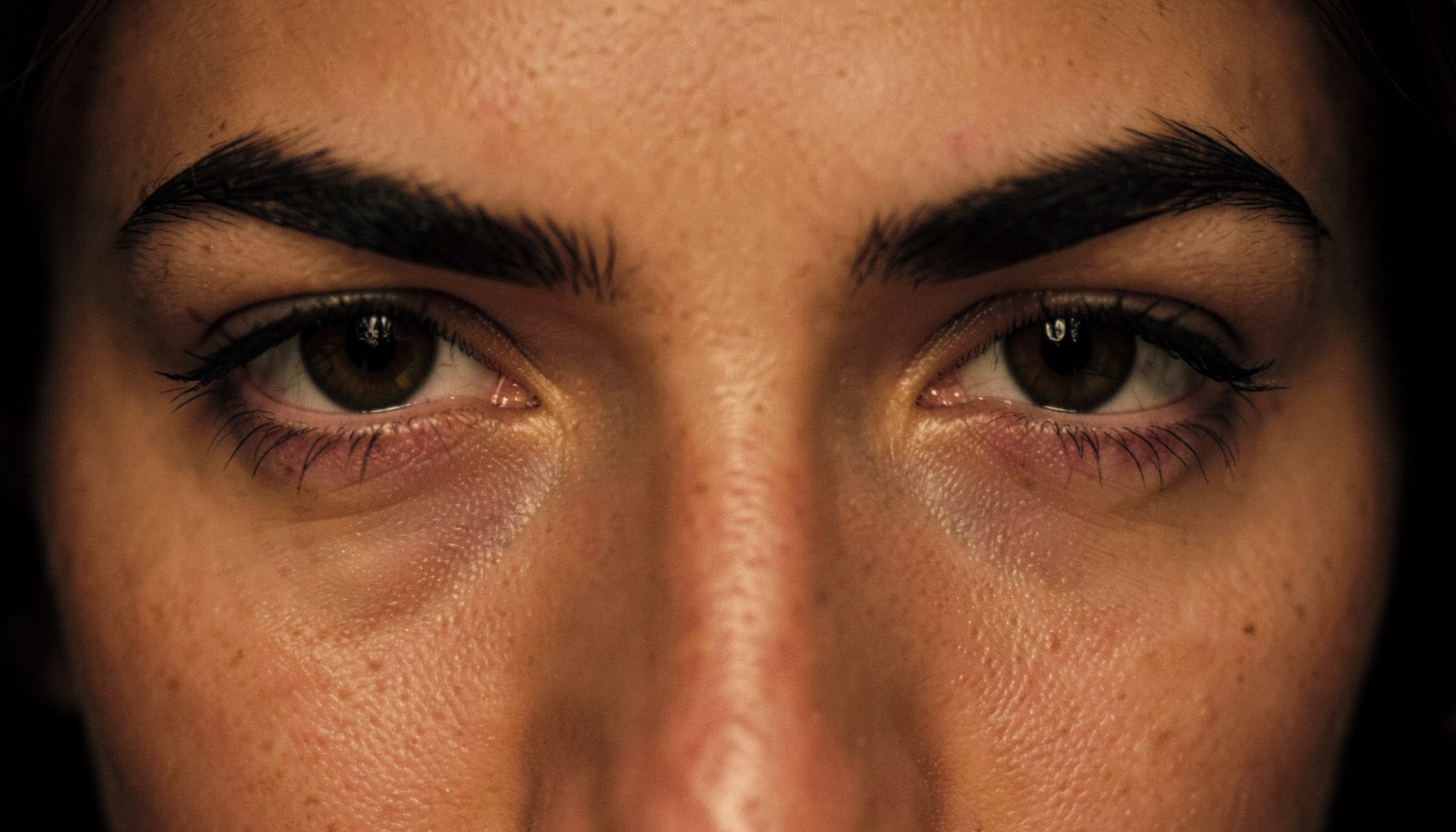
Eye Shape Guide
Understand your eye shape, master makeup techniques, and explore every treatment option — from Botox brow lifts to surgical solutions.
Explore the Site
Eyeshadow placement, blending techniques, and common mistakes to avoid for a more open, lifted look.
Explore →Winged liner, smudge prevention, and techniques that work with hooded lids to make eyes appear larger.
Explore →Non-surgical Botox brow lifts and surgical options including blepharoplasty, explained clearly.
Explore →Five false lash styles suited to hooded eyes, plus curler and mascara guidance for maximum lift.
Explore →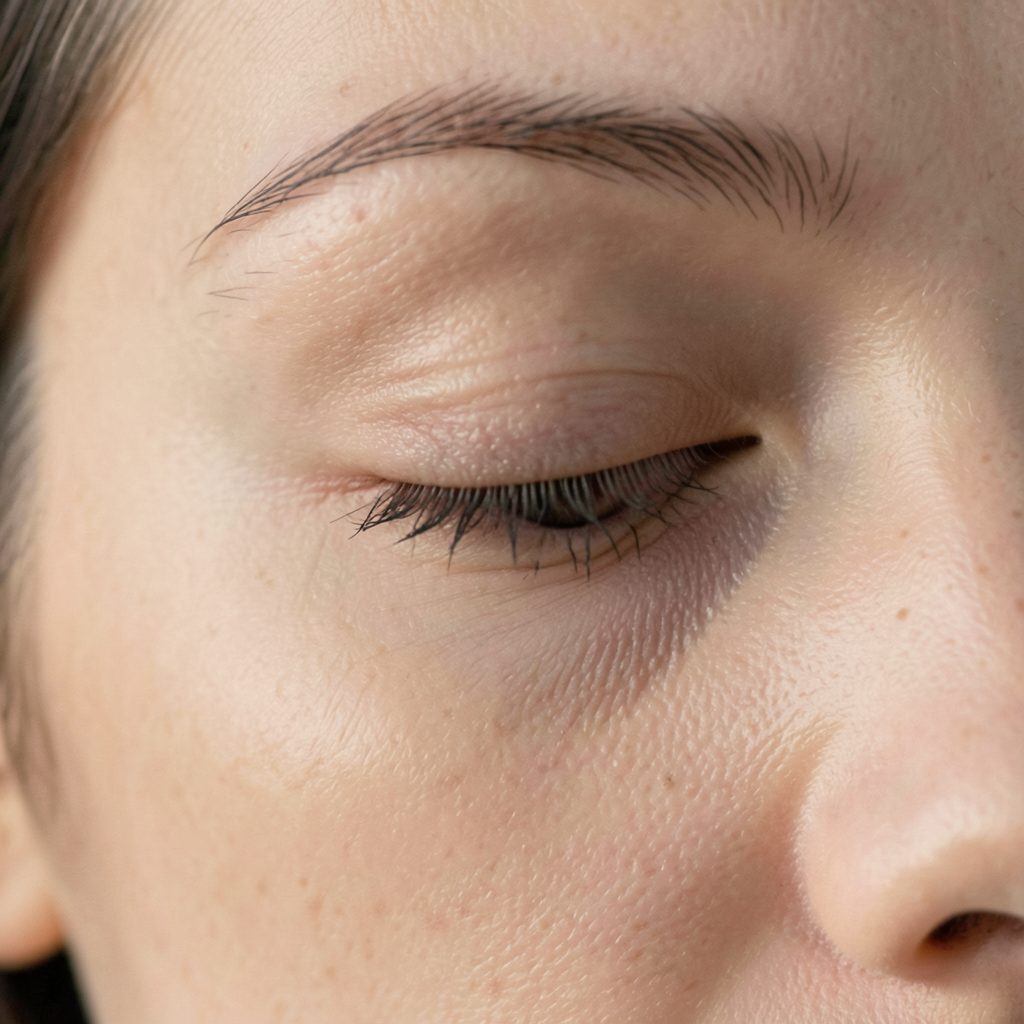
What Are Hooded Eyes?
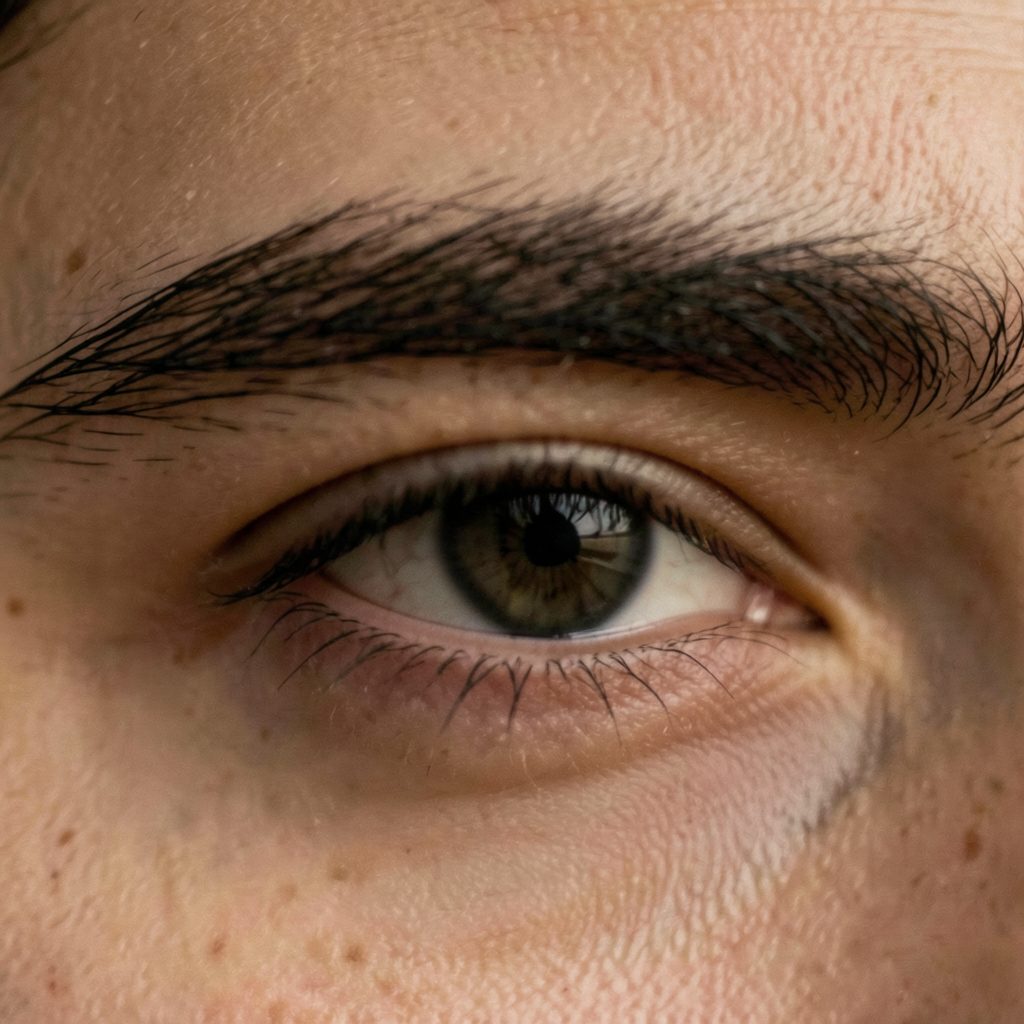
Hooded eyes are a natural eye shape where an excess piece of skin from the brow bone partially or completely covers the eyelid. The result can make eyes appear smaller or more tired than they feel.
This shape can be present from birth due to genetics, or it can develop over time. Known causes include aging, genetic traits, eye rubbing, body fatness, muscle structure, trauma, solar radiation, and sleep apnea.
Hooded eyes have a fold of skin that partially covers the crease or mobile lid, so the visible eye area can look smaller when the eyes are open. Waterline liner can define this shape beautifully, but a heavy, dark line may make the eye appear more enclosed. The right pencil, placement and finish create definition without competing with the natural fold.
Kohl and pencil liners are especially useful because they can be softened, layered and adapted to different eye shapes. A creamy nude pencil can brighten the lower waterline, while a deep brown or charcoal kohl can add subtle intensity along the upper rim. Before choosing a colour, it helps to understand how hooded eyes differ from eyes with a fully visible crease.
The waterline is the moist inner rim between the lashes and the eye itself. Applying colour here gives an immediate sense of definition because the pigment sits close to the eyeball and lash roots. With hooded eyes, this can be more flattering than drawing a thick line across the upper lid, where the fold may hide the work or transfer it onto the skin above.
A solid black line around the entire eye can visually close the shape. This is particularly noticeable on smaller hooded eyes, deep-set hooded eyes and eyes with a downward tilt at the outer corners. A softer brown, espresso, grey or deep plum often supplies enough contrast while leaving the eye looking open.
The upper waterline, sometimes called tightlining, can make sparse lashes appear denser without taking up lid space. It works well when the pencil is smooth and reasonably long-wearing. The lower waterline needs more restraint. A pale beige or muted peach can create brightness, while a dark lower line is best limited to the outer third or paired with softly blended shadow.
Waterline makeup is also affected by climate and daily routines. In humid Brisbane or Darwin, creamy formulas can migrate faster, especially during an afternoon outdoors. In dry, windy conditions around Melbourne or Canberra, the eyes may feel more sensitive. A thin application and a clean, sharp pencil are often more comfortable than repeated layers.
Look for a pencil described as waterproof, water-resistant or long-wearing, but treat these claims as practical guidance rather than a guarantee. A very hard pencil may drag the delicate inner rim, while an extremely soft kohl can release too much pigment and blur within minutes. The most useful texture is creamy enough to glide in one pass, with enough set time for controlled application.
Traditional kohl has a dense, smoky finish and is excellent for a diffused look. Kajal-style pencils are often softer and more saturated, so they can be beautiful along the upper waterline but excessive on the lower rim. Standard eyeliner pencils usually offer a little more precision and may be easier to keep within the lash line. Gel pencils sit between these categories, combining strong colour with a smoother application.
Choose a shade according to the result you want rather than assuming black is the most defining option. Deep brown looks softer for daytime, charcoal gives definition without a stark edge, and navy can make the whites of some eyes appear brighter. Beige is generally more natural than white for opening the lower waterline, while a muted rose can work well on light to medium complexions.
Useful liner qualities for hooded eyes include:
Pencils intended for the eye area should be labelled for that purpose. Avoid using art pencils, unverified imported kohl powders or products with unclear ingredients. Some traditional eye products sold online may contain heavy metals or lack reliable manufacturing information. Australian shoppers can check reputable pharmacies, department stores and established beauty retailers rather than relying on an anonymous marketplace listing.
Begin with clean hands, a clean mirror and a freshly sharpened pencil. If you wear contact lenses, insert them before makeup only when your eyes are comfortable and the product instructions allow it. Pulling the lower lid down forcefully can cause watering and make the line uneven, so look slightly upward and work in short sections instead.
For the upper waterline, gently lift the upper lid with a clean finger or cotton bud. Deposit colour between the lash roots rather than scrubbing along the entire inner rim. A dark brown or soft black pencil can be pressed into the outer two-thirds, with extra attention at the outer corner. This creates the impression of fuller lashes while preserving visible space above them.
The lower waterline usually benefits from a lighter touch. Apply beige from the centre towards the outer corner, stopping before the very edge if your eyes tend to water. Another option is to leave the lower waterline bare and place taupe or brown shadow just beneath the lashes. That method gives dimension without coating the moist rim.
If you want a smoky finish, apply the pencil in a short segment at a time and soften the edge immediately with a small smudging brush. Do not drag a wet cotton bud across the whole eye, as it can remove pigment unevenly and introduce fibres. For a sharper look, allow the pencil to set before opening the eyes fully and checking for transfer on the hood.
A practical routine is to complete one eye, look straight ahead, blink normally and inspect the fold. If pigment has stamped onto the upper skin, reduce the amount, move the line closer to the lashes or switch to a drier formula. The aim is to work with the fold rather than attempting to force a thick visible line across it.
Waterline liner looks most balanced when the surrounding makeup supports the eye shape. A matte taupe or medium brown through the crease can create gentle structure above the hood. Keep the deepest shadow near the lash roots and outer corner, then blend it slightly above the natural fold with the eyes open. This gives the impression of depth without requiring a large wing.
Shimmer is best placed selectively. A satin shade on the centre of the mobile lid or inner corner can catch light, while chunky glitter close to the waterline may increase the chance of irritation. If the eyes are watery, powder shadow should be pressed into the lash line rather than swept directly onto the moist rim.
Curling the lashes before mascara is particularly valuable for hooded eyes because lifted lashes create vertical space. Choose a tubing or waterproof mascara if your lashes touch the hood and transfer easily. Use a smaller amount on the lower lashes when a dark waterline is already present, as excessive lower-eye contrast can make the eyes look more enclosed.
The brow shape also changes how hooded eyes appear. A softly lifted arch and tidy underside can make the upper eye area look clearer, but over-plucking may remove useful structure. Brow gel is often enough for daytime. If you are exploring broader techniques, the hooded-eye guide can help you compare makeup placement with the way the fold sits when your eyes are relaxed and open.
A balanced combination might include:
For evening makeup, replace beige with a slightly deeper neutral and extend the upper waterline to the outer corner. Keep the inner lower rim lighter if you want the eye to retain openness. A tiny flick of shadow can be more reliable than a liquid wing, which may disappear into the hood or imprint above the crease.
The waterline is a sensitive area, so stop using a product if it causes stinging, persistent redness, swelling, discharge or blurred vision. Do not share pencils, and disinfecting a wooden pencil does not make sharing safe. Sharpen it regularly to remove the exposed surface, clean the sharpener, and replace the product according to its stated period after opening.
Avoid applying liner directly over an active eye infection, after eye surgery until your clinician permits cosmetics, or when the product has changed smell, texture or colour. Contact lens wearers should be particularly cautious with creamy pencils that shed particles. Remove lenses before taking off makeup if recommended by the lens manufacturer, and use a remover suitable for the eye area.
At night, dissolve the liner rather than rubbing it away. Hold a soaked cotton pad over the closed eye for several seconds, then sweep down and outward with minimal pressure. A cotton bud can remove residue between lashes, but it should not be pushed into the eye or used repeatedly on the waterline.
Australian consumers should buy from sellers that provide clear product information, manufacturer or importer details and an Australian contact pathway. Cosmetic ingredients and their supply are subject to Australian regulatory requirements, while consumer protections apply under Australian Consumer Law. Cosmetics are not automatically “TGA approved” simply because they are sold in a shop, so be wary of products making medical or therapeutic promises.
A cosmetic pencil cannot change the anatomy of a hooded eyelid. If excess upper-lid skin obstructs vision or causes ongoing functional problems, an optometrist, ophthalmologist or qualified medical practitioner can assess the issue. A Botox brow lift and blepharoplasty are different procedures with different benefits, limitations and risks; neither should be treated as a substitute for safe eye makeup. Discuss qualifications, expected results, aftercare and potential complications with an appropriately registered Australian clinician.
The most flattering waterline look is usually a controlled one: a clean pencil, a considered shade and placement that respects the hood. Start with the upper lash roots or a small amount of beige on the lower rim, then build only where the eye remains comfortable and the colour stays in place.
Keep a reliable pencil in your everyday makeup bag, particularly for long days in Sydney humidity, travel between air-conditioned offices and outdoor events. Test new products when you have time to remove them, record which formulas suit your eyes, and make the final look your own through small, deliberate adjustments.
Surgical Option
For those seeking a more lasting result, plastic surgery — including blepharoplasty — is covered as a treatment option for hooded eyes. Surgery addresses the excess skin directly and is considered an alternative to non-surgical approaches like Botox.
The site's surgery guide explains the procedure, what to expect, and how it compares to non-surgical routes, helping readers make informed decisions about their options.
Read the Surgery Guide →Famous Faces
Hooded eyes can enhance facial expressions and contribute to a distinctive, memorable look. These ten well-known figures all share the eye shape.
Jennifer Aniston
Leonardo DiCaprio
Solange Knowles
Taylor Swift
Michelle Williams
Robert Pattinson
Blake Lively
Selena Gomez
Gigi Hadid
Benicio del Toro
Side by Side
False Lash Guide
Varied length spikes create texture and the illusion of depth without weighing down the lid.
Longer outer-corner lashes draw the eye outward and upward, counteracting the hood effect.
A uniform, moderate length that adds definition without overwhelming a hooded lid.
Applied only to the outer half, these open up the eye shape and are easier to manage on hooded lids.
A strong upward curl (D or L curl) lifts lashes away from the hood, keeping them visible throughout the day.
The guide also covers lash curlers, mascara recommendations, and step-by-step instructions for fixing false lashes on hooded eyelids.
Full Lash Guide →Get in Touch
Whether you are just beginning your makeup journey or have been experimenting with different looks for years, we are glad you are here.
General Feedback
Share your thoughts on the site or suggest topics you'd like covered.
Looking for a Specific Tip?
Ask about a particular technique or eye-shape challenge.
Product Questions
Questions about products mentioned across the site.
Human Resources or Business Inquiries
Partnership, collaboration, or business-related correspondence.