01
Makeup Tips
Eyeshadow placement, blending techniques, and common mistakes to avoid for a more open, lifted look.
Explore →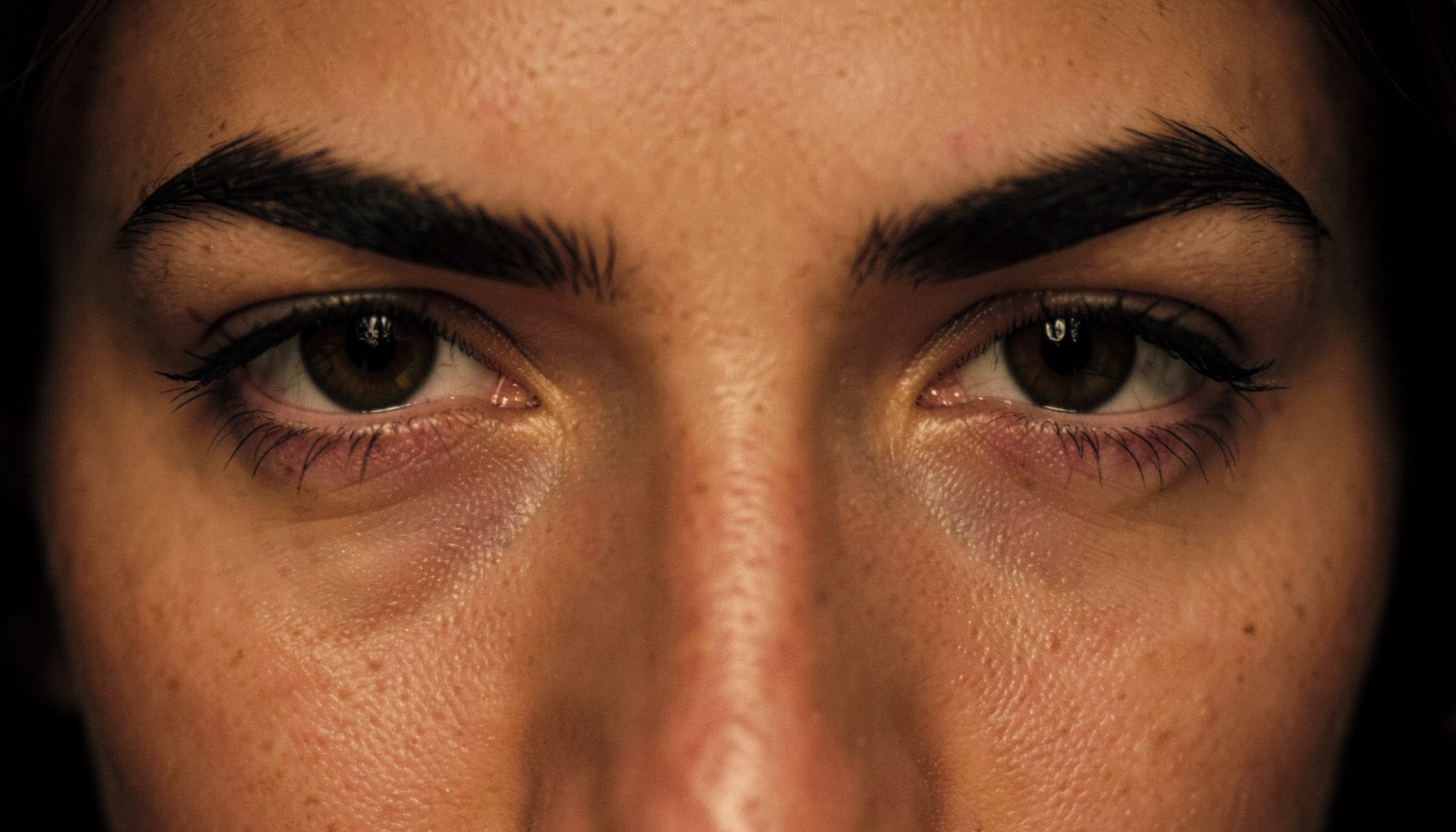
Eye Shape Guide
Understand your eye shape, master makeup techniques, and explore every treatment option — from Botox brow lifts to surgical solutions.
Explore the Site
Eyeshadow placement, blending techniques, and common mistakes to avoid for a more open, lifted look.
Explore →Winged liner, smudge prevention, and techniques that work with hooded lids to make eyes appear larger.
Explore →Non-surgical Botox brow lifts and surgical options including blepharoplasty, explained clearly.
Explore →Five false lash styles suited to hooded eyes, plus curler and mascara guidance for maximum lift.
Explore →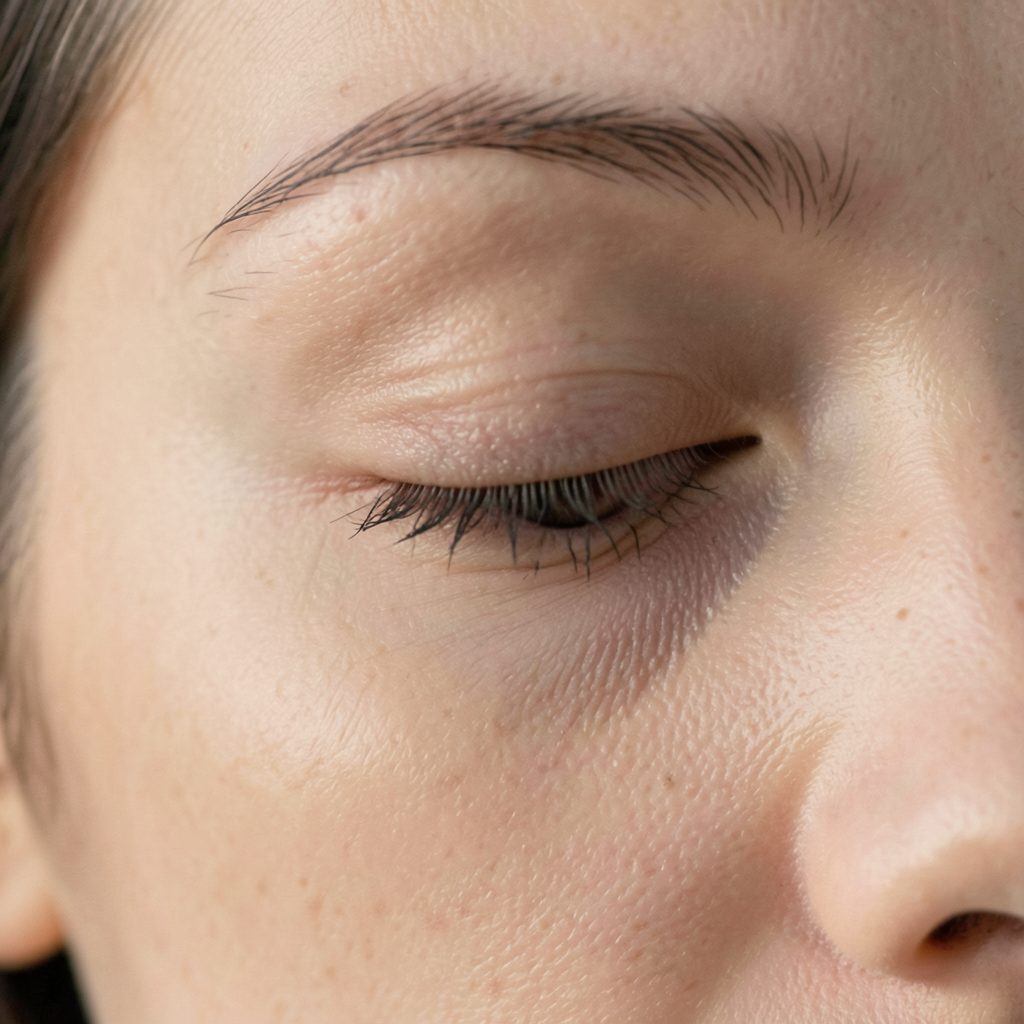
What Are Hooded Eyes?
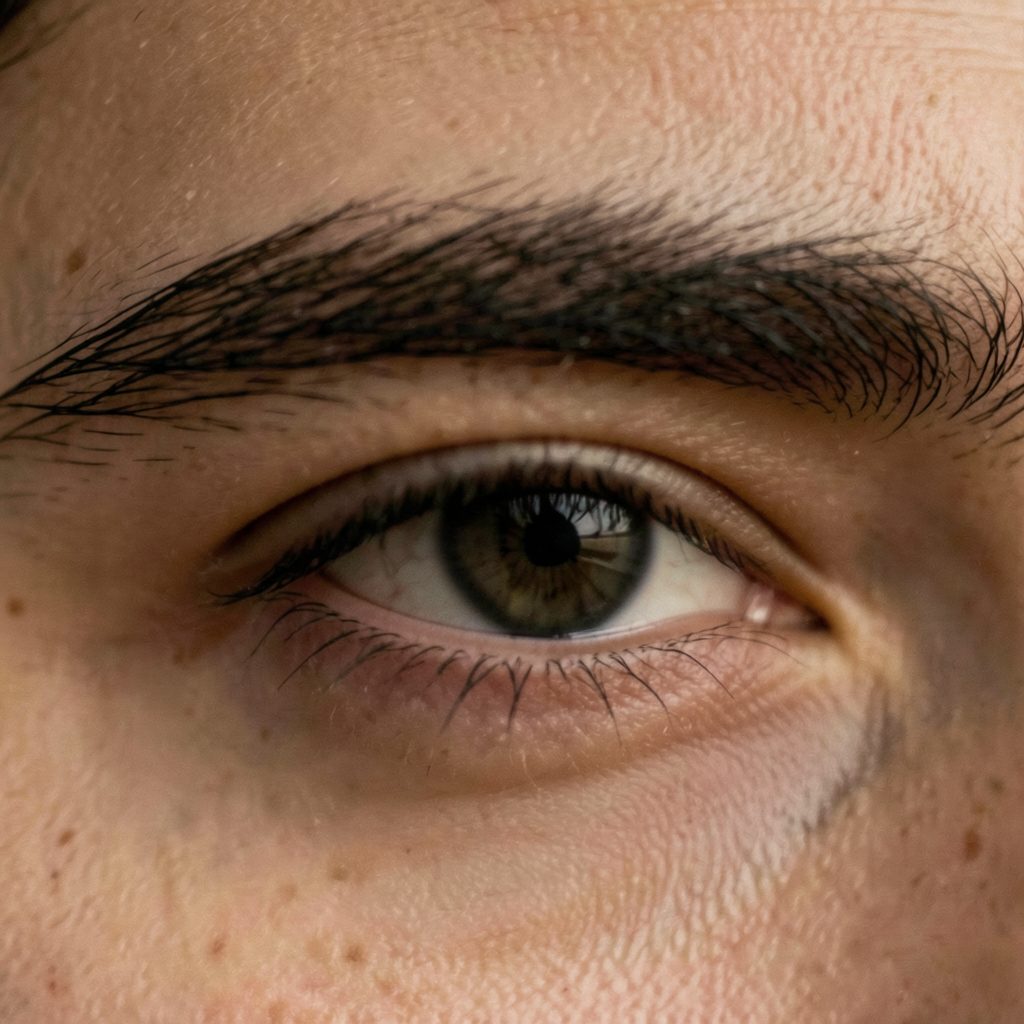
Hooded eyes are a natural eye shape where an excess piece of skin from the brow bone partially or completely covers the eyelid. The result can make eyes appear smaller or more tired than they feel.
This shape can be present from birth due to genetics, or it can develop over time. Known causes include aging, genetic traits, eye rubbing, body fatness, muscle structure, trauma, solar radiation, and sleep apnea.
Hooded eyes are a feature most people associate with middle age, yet a growing number of Australians in their twenties and thirties are noticing the tell-tale droop in their lids long before they expect it. Often the reason traces back through their family tree, where the trait has quietly skipped a generation or two before settling on their face. Genetics loads the gun, and daily life tends to pull the trigger.
A hooded eye occurs when the skin above the crease folds downward, partially covering the mobile area and sometimes brushing the lash line. The shape of the underlying bone, the amount of periorbital fat, and the elasticity of the skin all contribute. Because each of these traits is heavily inherited, the blueprint is often laid down before you ever look in the mirror with a critical eye.
The conversation around hooded eyes has shifted significantly. Where previous generations rushed toward surgery, today's readers are exploring smarter makeup, targeted skincare, and only when necessary, medical interventions. Understanding your genetic starting point helps you choose techniques that work with your features instead of fighting them.
The architecture of your eyelids is a polygenic trait, meaning it is influenced by many genes working together rather than a single dominant one. Studies in craniofacial development have pointed to variants near genes like FOXL2, PAX6, and several loci involved in collagen and elastin production. These instructions determine the height of your brow ridge, the depth of your supratarsal crease, and how resilient the skin around your eyes remains over time.
If one or both of your parents have a low or heavy lid, your chances of developing a similar shape increase considerably. Family photos often reveal the pattern: a maternal grandmother with a soft fold across her lash line, an uncle whose crease seems hidden beneath the brow, or a sibling whose eye shape mirrors your own. Yet the expression of these genes can vary, which is why one sister may have a deep visible crease and another may develop hooding by the time she finishes university.
Ethnic background also plays a role, with hooded eyelids appearing at higher frequencies in people of East Asian, Southeast Asian, and certain Northern European lineages. In a country as multicultural as Australia, this means the genetic lottery produces an enormous range of eyelid shapes, from the deeply set eyes common across many Melburnians of British descent to the softer folds often seen in Sydney's large Chinese Australian community.
Several heritable traits combine to create a hooded appearance:
When two or three of these traits stack up in one face, hooding becomes visible far sooner than the average.
Many Australians expect hooded eyes to arrive alongside reading glasses and retirement planning, but genetics does not always wait that long. If your parents developed hooding in their forties and you carry a similar combination of bony structure and skin behaviour, you may notice the first signs in your late twenties. Some readers even report subtle hooding straight out of their teens.
Accelerating factors are everywhere in the Australian environment. The continent sits under some of the thinnest ozone on the planet, and the UV index regularly pushes above eleven in summer across cities like Brisbane, Perth, and Adelaide. Chronic UV exposure breaks down collagen and elastin in the delicate periocular skin, and this damage compounds any genetic predisposition toward sagging. Years of squinting against bright southern light, walking on Bondi Beach without sunglasses, or driving west into the afternoon sun all leave a mark on the lids.
Lifestyle intersects with heredity in subtle ways. Australians who love the surf, the cricket pitch, or simply long outdoor weekends tend to have more cumulative photoageing around the eyes. A teenager who learned to drive across regional New South Wales might already have years of squinting behind their future hooded look. Genetics supplies the template, yet the climate fills it in sooner than many realise.
Sleep, hydration, and smoking history also interact with inherited skin quality. A person with genetically thinner eyelid skin who smokes will see hooding develop much earlier than a non-smoker with the same blueprint. Recognising these compounding factors helps you separate what is truly hereditary from what is preventable through daily choices.
Younger readers sometimes struggle to tell whether they are looking at early hooding, a partially hooded shape, or simply a small eye. The trick is to observe where the crease sits when your eye is fully open. If the crease disappears beneath a fold of skin and the mobile lid looks narrow, you are likely seeing true hooding rather than a partial variation. A useful breakdown of hooded versus partially hooded can help you work out exactly which category your eyes fall into.
Another giveaway is your family album. Pull out photos of relatives around the same age you are now and compare the crease depth. If your mother had a defined crease at twenty-five and you do not, genetics has clearly handed you a different set of instructions. Many Australians in their early thirties are surprised to find their lids have changed simply because they finally compare themselves to old family portraits.
Makeup can also reveal the truth. When eyeshadow disappears into the crease the moment you open your eye, or eyeliner transfers onto the hood within minutes, you are dealing with genuine hooding. Techniques like tightlining the upper waterline, using a fine tip for a thin lash-line stroke, and applying a soft shadow above the crease to create the illusion of depth all work particularly well for genetically hooded lids. Several eyeliner tricks for hooded lids are explained in detail elsewhere on the site, and they can make a remarkable difference even for those in their twenties.
The Australian setting is uniquely demanding on the eye region. The country enforces one of the strictest sunscreen standards in the world through AS/NZS 2604, which is why every pharmacy from Chemist Warehouse to Priceline stocks broad-spectrum SPF 50+ formulations. Applying sunscreen to the orbital area, even on cloudy days, slows the collagen breakdown that contributes to early hooding. Pairing SPF with a wide-brimmed hat and UV-blocking sunglasses, the kind sold at every service station from Cairns to Hobart, gives your genetically predisposed lids a fighting chance.
Outdoor living is part of the national identity. Australians spend more time gardening, sailing, hiking, and lounging on the sand than many other populations, and these habits expose the delicate periocular skin to years of UV and wind. The interaction between this lifestyle and inherited skin quality explains why some people with the same ethnic and family background age differently around the eyes depending on whether they live in coastal Queensland or inland Victoria.
When non-invasive measures are not enough, Australians considering medical options should know that cosmetic injectables and surgical procedures fall under the Therapeutic Goods Administration. Botox brow lifts, for instance, can only be administered by registered practitioners, and blepharoplasty must be performed by a qualified specialist surgeon. Medicare does not fund purely cosmetic eyelid surgery, so patients cover these procedures privately. Sharing your genetic history with a practitioner helps them shape a treatment plan that respects your underlying anatomy rather than fighting against it.
Some practical habits worth adopting early:
These small adjustments can delay the visible signs of hooding by several years.
Makeup remains the most accessible tool for reshaping the appearance of hooded lids. A well-placed shimmer on the centre of the mobile lid, a smudged shadow along the upper lash line, and a lifted brow-tail highlight can completely transform the eye. Australians with hooded shapes often find that cream products blend more easily across the hood than powders, especially in the humidity of a Brisbane summer.
For those who want more lasting change, non-invasive options include radiofrequency skin tightening, micro-needling, and carefully placed anti-wrinkle injections that relax the muscles pulling the brow downward. A consultation with a qualified clinician can clarify whether your inherited brow position will respond well to a Botox brow lift or whether you would be a stronger candidate for a surgical upper blepharoplasty. Recovery for surgery typically takes two to three weeks, during which time bruising and swelling gradually settle. A solid hooded eyes eyeliner routine will support you in the meantime and after healing.
Whichever path you choose, remember that hooded eyes are simply one variation in the beautiful diversity of human faces. Many of the most recognisable Australians and international figures have hooded lids, and the trait carries its own elegance and depth. Understanding the genetic reasons behind your eye shape puts you in control, letting you work with your inheritance rather than wishing it away.
Browse the rest of the site for tailored tutorials, treatment guides, and inspiration that celebrates every kind of hooded lid. Your blueprint is yours to refine, not to erase.
Surgical Option
For those seeking a more lasting result, plastic surgery — including blepharoplasty — is covered as a treatment option for hooded eyes. Surgery addresses the excess skin directly and is considered an alternative to non-surgical approaches like Botox.
The site's surgery guide explains the procedure, what to expect, and how it compares to non-surgical routes, helping readers make informed decisions about their options.
Read the Surgery Guide →Famous Faces
Hooded eyes can enhance facial expressions and contribute to a distinctive, memorable look. These ten well-known figures all share the eye shape.
Jennifer Aniston
Leonardo DiCaprio
Solange Knowles
Taylor Swift
Michelle Williams
Robert Pattinson
Blake Lively
Selena Gomez
Gigi Hadid
Benicio del Toro
Side by Side
False Lash Guide
Varied length spikes create texture and the illusion of depth without weighing down the lid.
Longer outer-corner lashes draw the eye outward and upward, counteracting the hood effect.
A uniform, moderate length that adds definition without overwhelming a hooded lid.
Applied only to the outer half, these open up the eye shape and are easier to manage on hooded lids.
A strong upward curl (D or L curl) lifts lashes away from the hood, keeping them visible throughout the day.
The guide also covers lash curlers, mascara recommendations, and step-by-step instructions for fixing false lashes on hooded eyelids.
Full Lash Guide →Get in Touch
Whether you are just beginning your makeup journey or have been experimenting with different looks for years, we are glad you are here.
General Feedback
Share your thoughts on the site or suggest topics you'd like covered.
Looking for a Specific Tip?
Ask about a particular technique or eye-shape challenge.
Product Questions
Questions about products mentioned across the site.
Human Resources or Business Inquiries
Partnership, collaboration, or business-related correspondence.