01
Makeup Tips
Eyeshadow placement, blending techniques, and common mistakes to avoid for a more open, lifted look.
Explore →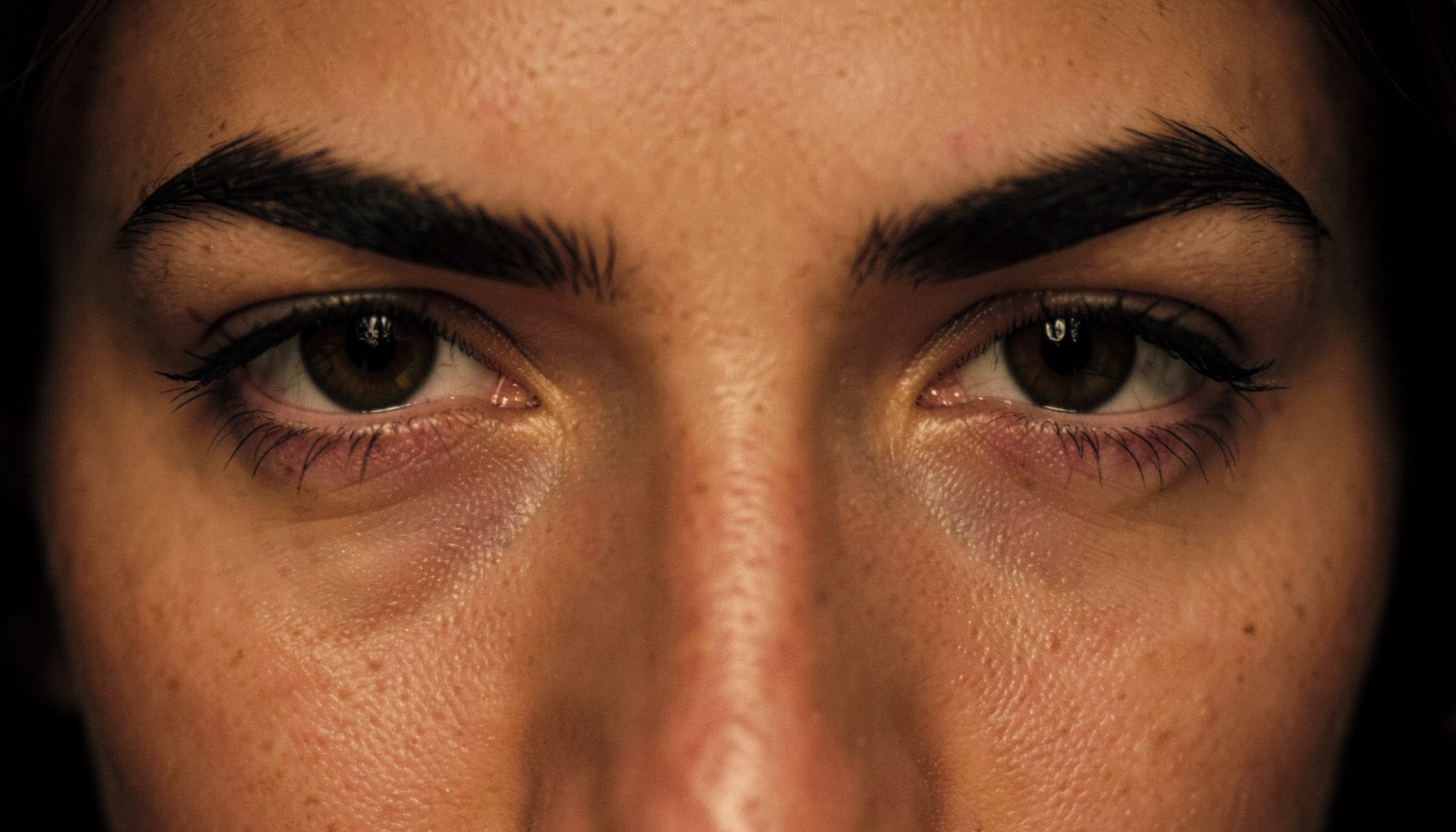
Eye Shape Guide
Understand your eye shape, master makeup techniques, and explore every treatment option — from Botox brow lifts to surgical solutions.
Explore the Site
Eyeshadow placement, blending techniques, and common mistakes to avoid for a more open, lifted look.
Explore →Winged liner, smudge prevention, and techniques that work with hooded lids to make eyes appear larger.
Explore →Non-surgical Botox brow lifts and surgical options including blepharoplasty, explained clearly.
Explore →Five false lash styles suited to hooded eyes, plus curler and mascara guidance for maximum lift.
Explore →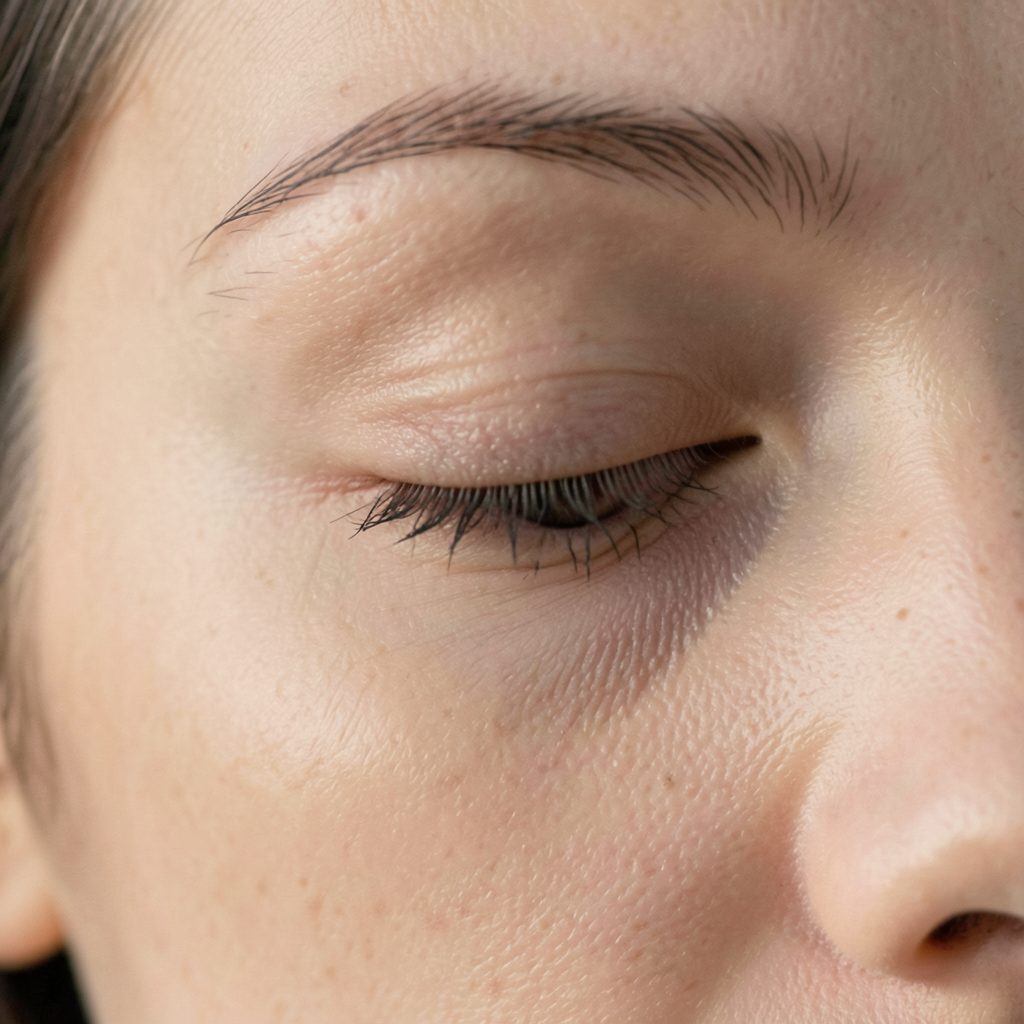
What Are Hooded Eyes?
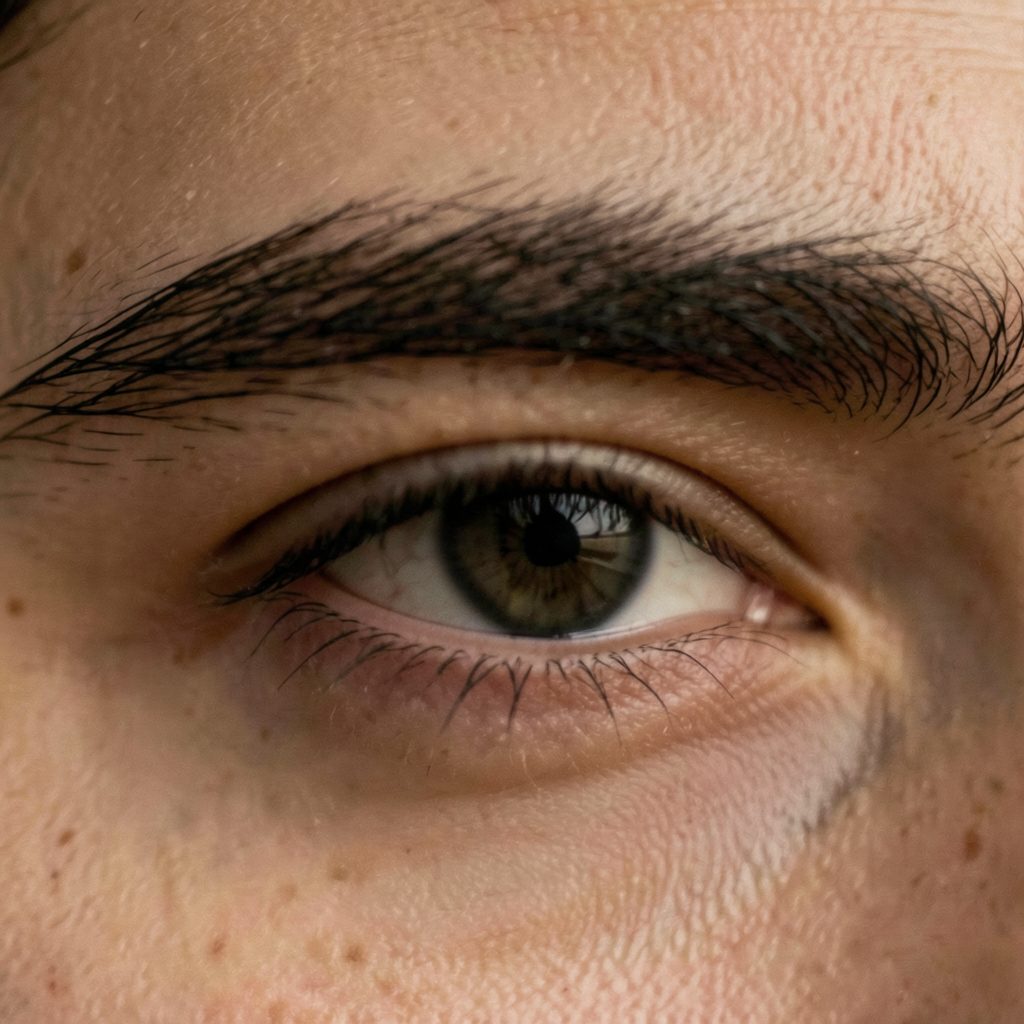
Hooded eyes are a natural eye shape where an excess piece of skin from the brow bone partially or completely covers the eyelid. The result can make eyes appear smaller or more tired than they feel.
This shape can be present from birth due to genetics, or it can develop over time. Known causes include aging, genetic traits, eye rubbing, body fatness, muscle structure, trauma, solar radiation, and sleep apnea.
Hooded eyes have a fold of skin that rests over the crease, making the eyelid appear smaller when the eyes are open. Partially hooded eyes have a similar structure, but the overhanging skin covers only part of the crease or outer lid. The distinction can be subtle, and many people sit somewhere between these two descriptions rather than fitting a single fixed category.
Understanding the difference helps with makeup placement, lash selection and decisions about cosmetic treatment. It also prevents common mistakes, such as placing eyeshadow too low, drawing eyeliner only along the visible lid or assuming that a disappearing crease automatically means the eyes are fully hooded. A useful hooded-eye guide can provide broader context about anatomy, styling and treatment choices.
In fully hooded eyes, the brow bone and upper eyelid skin extend over most or all of the natural crease. When the eyes are open and relaxed, little mobile lid may be visible. The fold may come from natural skin structure, a lower brow position, changes associated with ageing, or a combination of these factors.
The visible crease is not the same as the anatomical crease. A person may have a crease that can be seen when looking down, lifting the brows or closing the eyes, yet much of it disappears when looking straight ahead. This is why photographs can be misleading: a posed image often shows more lid space than a relaxed, forward-facing view.
Partially hooded eyes show a more limited overlap. The inner lid may be visible while the outer corner is covered, or the centre of the lid may remain clear while skin folds toward the sides. This pattern is sometimes called outer-corner hooding, although the exact shape varies between individuals.
The easiest way to identify partial hooding is to observe where the skin crosses the crease. If the fold covers only the outer third or outer half, the eye may look open near the nose and more covered toward the temple. Some people have the reverse pattern, with a heavier inner fold and a clearer outer lid.
Partially hooded eyes usually reveal more mobile eyelid space than fully hooded eyes. They may also appear more elongated, especially when the outer corner is covered. With a neutral expression, the upper lid can look compact; with the brows lifted, a larger crease may become visible.
Age, tiredness, fluid retention and brow movement can temporarily change the appearance. In Australia, heat and humidity in cities such as Brisbane, Darwin and Sydney may contribute to short-term puffiness, while dry indoor air or long days in air conditioning can make the skin feel tight. These temporary effects should not be confused with permanent eye shape.
Begin with a clean face and a relaxed expression. Look directly into a mirror in ordinary daylight rather than under a strong bathroom downlight. Keep the forehead relaxed, because raising the eyebrows can pull the hooded skin upwards and create the impression of a more visible crease.
Look at the eyelid from the front, then turn your head slightly to each side. Notice whether the skin covers the entire crease, only the outer section or just a small area. Comparing both eyes is important because mild asymmetry is common; one eye may be more hooded, lower or more deeply creased than the other.
For a more detailed comparison, this eye-shape explanation also helps distinguish hooded eyes from monolids. A monolid generally has little or no visible upper crease, whereas a hooded eye has a fold that sits over an existing crease. These structures can look similar in a straight-on photograph but behave differently during makeup application.
For fully hooded eyes, matte transition colour usually works best slightly above the natural crease, where it remains visible with the eyes open. A deeper shade can be placed at the outer corner and blended upward rather than swept broadly across the mobile lid. Shimmer is often most effective on the small area of lid that remains visible, instead of directly beneath the fold where it can transfer.
Partially hooded eyes allow more flexibility. You can place colour in the real crease while extending the blend toward the area that shows when the eyes are open. Keeping the inner lid lighter can make the eye look more open, while a softly angled outer shadow follows the natural shape without weighing down the corner.
Useful adjustments for both forms include:
A waterproof or tubing mascara may suit warm Australian conditions, especially during summer, outdoor events or commutes in humid weather. Products should still be removed gently at night. Rubbing can irritate the delicate skin and make temporary swelling more noticeable.
A fully hooded eye often benefits from a tightline or very slim liner that follows the lashes. A large wing can disappear under the fold when the eyes are open, so a short wing that extends outward and slightly upward is usually easier to see. With partial hooding, the wing can be lengthened if it follows the uncovered portion of the lid rather than crossing heavily into the fold.
False lashes need careful selection. Dense, uniform strips may press into the hood or hide the remaining lid space. Shorter styles with lift at the centre or outer corner can open the eye more naturally. Individual clusters are useful when one eye needs a small adjustment to match the other.
Some people explore non-surgical or surgical options when hooding affects their field of vision, creates persistent heaviness or causes concern about ageing. A Botox brow lift may subtly raise the lateral brow, but results depend on muscle balance and injection technique. Botox is a prescription medicine in Australia and should be administered by an appropriately qualified registered practitioner, not purchased or injected through informal channels.
Blepharoplasty removes or repositions excess skin and, in some cases, fat around the upper eyelid. It is a surgical procedure rather than a simple beauty treatment. Australian patients should check that the practitioner is registered with the Australian Health Practitioner Regulation Agency and ask about qualifications, expected downtime, risks and whether the procedure is medically indicated. Potential complications can include asymmetry, dry eyes, difficulty closing the eyes, infection, bleeding and changes in vision.
Eye shape should guide technique, not restrict personal style. A person with partial hooding may prefer a soft smoky look, while someone with full hooding may enjoy graphic liner placed strategically above the lashes. The most flattering result usually comes from adapting the position, finish and weight of products rather than copying a tutorial designed for a different lid structure.
Professional advice can be useful when hooding changes suddenly, blocks vision or appears with drooping of the brow or eyelid. A GP, optometrist or ophthalmologist can assess functional concerns, while a qualified makeup artist can demonstrate placement without recommending unnecessary treatment. In Melbourne and Sydney, consumers will find a broad market of specialist beauty retailers and department-store counters, but product choice does not replace an assessment of an eye-health issue.
| Feature | Fully Hooded Eyes | Partially Hooded Eyes |
|---|---|---|
| Visible crease | Mostly hidden when eyes are open | Visible in some areas |
| Mobile lid space | Small or minimal | Moderate and variable |
| Common coverage | Most of the lid or full outer lid | Inner lid, centre or outer corner |
| Makeup priority | Place colour above the crease and keep liner slim | Work with the visible crease and adjust the outer corner |
| False lash approach | Lightweight, lifted styles | Flexible styles matched to the uncovered area |
| Treatment considerations | Assess vision, brow position and skin excess | Assess asymmetry, brow position and the specific area of concern |
The difference between hooded and partially hooded eyes is therefore a matter of degree and distribution, rather than a strict medical divide. Your appearance can also vary with age, expression, lighting and temporary puffiness. In Australia, strong ultraviolet exposure makes daily broad-spectrum SPF 30 or higher a sensible part of skin care, although sunscreen should be kept out of the eyes and applied according to the product directions.
A clear understanding of the fold makes everyday styling more predictable. Identify the visible lid with your eyes open, place definition where it can be seen, and choose lightweight products that suit your climate and comfort. If you are considering Botox or blepharoplasty, arrange an assessment with a registered Australian practitioner and discuss realistic outcomes before making a decision.
Use these distinctions to refine your own routine, explore techniques suited to your eye structure and learn more from the specialist resources available through the site.
Surgical Option
For those seeking a more lasting result, plastic surgery — including blepharoplasty — is covered as a treatment option for hooded eyes. Surgery addresses the excess skin directly and is considered an alternative to non-surgical approaches like Botox.
The site's surgery guide explains the procedure, what to expect, and how it compares to non-surgical routes, helping readers make informed decisions about their options.
Read the Surgery Guide →Famous Faces
Hooded eyes can enhance facial expressions and contribute to a distinctive, memorable look. These ten well-known figures all share the eye shape.
Jennifer Aniston
Leonardo DiCaprio
Solange Knowles
Taylor Swift
Michelle Williams
Robert Pattinson
Blake Lively
Selena Gomez
Gigi Hadid
Benicio del Toro
Side by Side
False Lash Guide
Varied length spikes create texture and the illusion of depth without weighing down the lid.
Longer outer-corner lashes draw the eye outward and upward, counteracting the hood effect.
A uniform, moderate length that adds definition without overwhelming a hooded lid.
Applied only to the outer half, these open up the eye shape and are easier to manage on hooded lids.
A strong upward curl (D or L curl) lifts lashes away from the hood, keeping them visible throughout the day.
The guide also covers lash curlers, mascara recommendations, and step-by-step instructions for fixing false lashes on hooded eyelids.
Full Lash Guide →Get in Touch
Whether you are just beginning your makeup journey or have been experimenting with different looks for years, we are glad you are here.
General Feedback
Share your thoughts on the site or suggest topics you'd like covered.
Looking for a Specific Tip?
Ask about a particular technique or eye-shape challenge.
Product Questions
Questions about products mentioned across the site.
Human Resources or Business Inquiries
Partnership, collaboration, or business-related correspondence.