01
Makeup Tips
Eyeshadow placement, blending techniques, and common mistakes to avoid for a more open, lifted look.
Explore →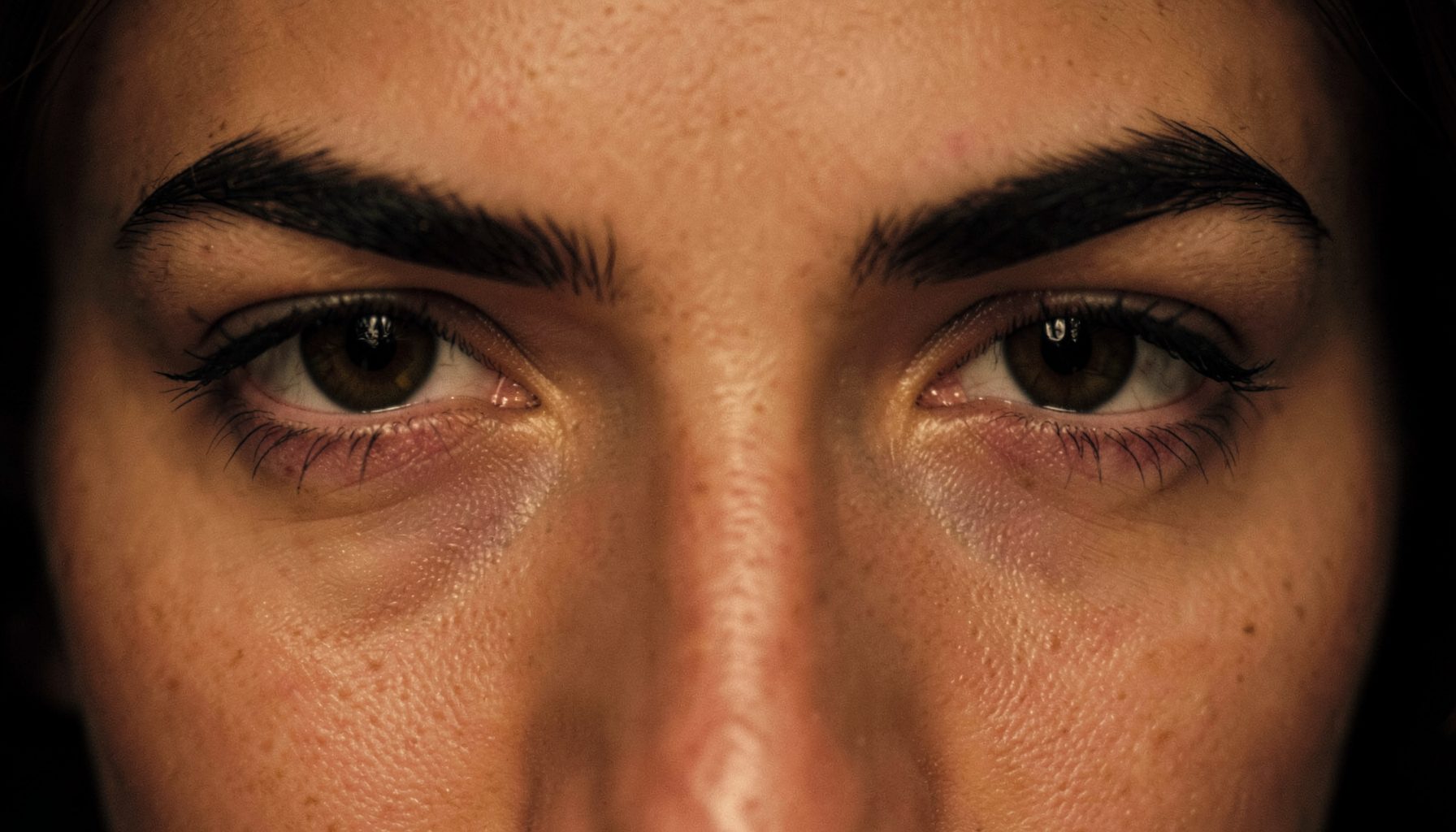
Eye Shape Guide
Understand your eye shape, master makeup techniques, and explore every treatment option — from Botox brow lifts to surgical solutions.
Explore the Site
Eyeshadow placement, blending techniques, and common mistakes to avoid for a more open, lifted look.
Explore →Winged liner, smudge prevention, and techniques that work with hooded lids to make eyes appear larger.
Explore →Non-surgical Botox brow lifts and surgical options including blepharoplasty, explained clearly.
Explore →Five false lash styles suited to hooded eyes, plus curler and mascara guidance for maximum lift.
Explore →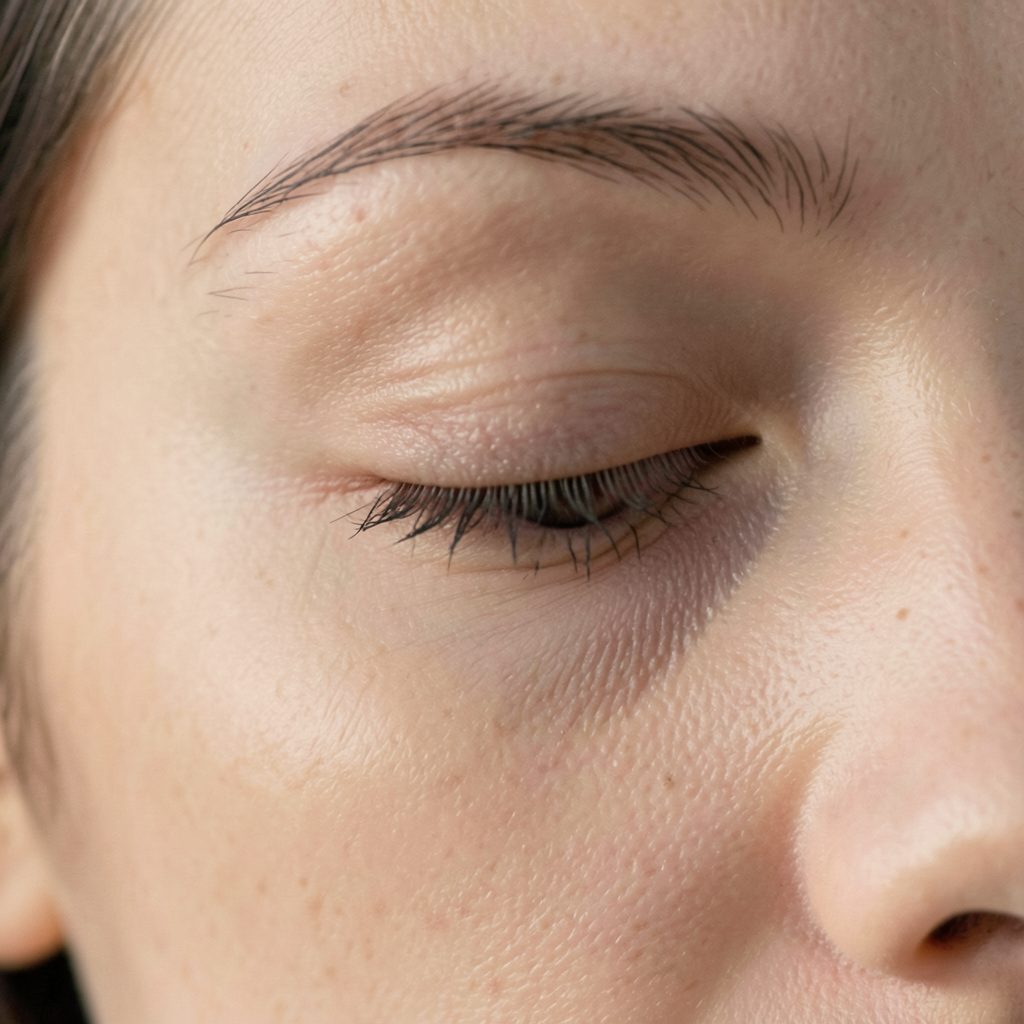
What Are Hooded Eyes?
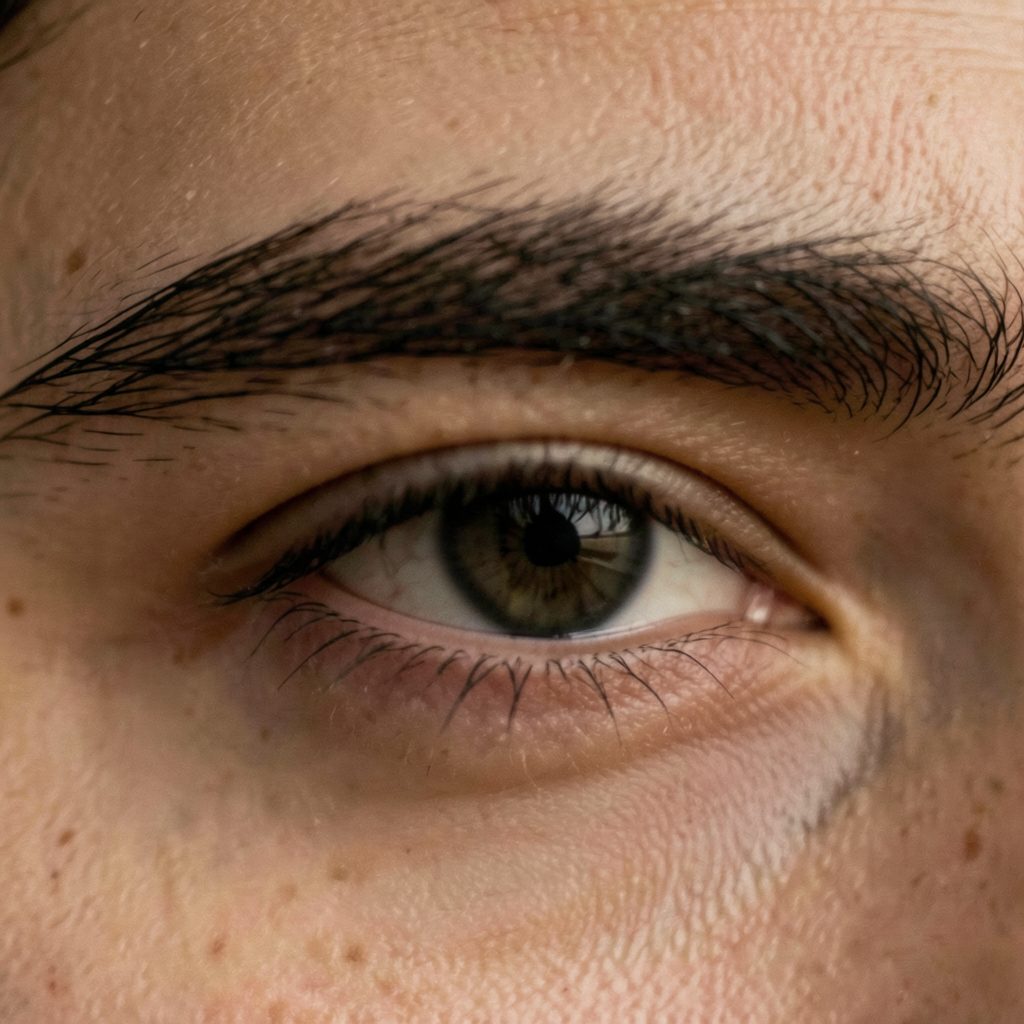
Hooded eyes are a natural eye shape where an excess piece of skin from the brow bone partially or completely covers the eyelid. The result can make eyes appear smaller or more tired than they feel.
This shape can be present from birth due to genetics, or it can develop over time. Known causes include aging, genetic traits, eye rubbing, body fatness, muscle structure, trauma, solar radiation, and sleep apnea.
Anyone whose fold brushes the brow bone knows the morning ritual: a soft smoky at 8am turns streaky by 11am on the way to a Sydney coffee run. The skin that hangs across the lid presses into the crease line with every blink, and any cream, pigment, or primer sitting on top gets pushed and melted by that constant friction. Setting powder acts as the seatbelt of eye makeup, the layer that holds pigment where you actually placed it.
The right formula also blurs the crease itself rather than drawing attention to it. A finely milled, translucent powder softens the look of the fold instead of settling into it, which is what older chalky products used to do. Modern formulas are kinder to textured lids and to the weather that often undoes them in the first place.
In Australia, the climate makes things harder from the start. Brisbane summer humidity, coastal mornings in Perth, and air-conditioned offices in Melbourne all push any powder to its limits. The setting powder you choose has to be tough enough to handle that mood-swing day without caking, shifting, or turning patchy by lunch.
The good news is the options stocked at MECCA and Priceline have come a long way in the last few years. From budget mattifiers to luxe loose powders with light-reflecting particles, today's formulas genuinely hold a hooded lid together from morning coffee to last drinks.
Hooded eyes have a defining trait that complicates every eyeshadow formula: the skin fold partly covers the mobile lid, so the crease line sits lower and the working canvas is smaller. Pigment deposited in that low crease gets compressed every time you blink, and the warmth above the brow bone quickly softens even long-wearing shadows.
Oil production makes things trickier. The upper lid looks drier than the t-zone, but once a creamy primer or shadow base melts in, it becomes a magnet for any powder layered on top. Adding more powder without managing that slip underneath often produces a patchy, caked finish by late morning.
The brow bone itself is another factor. On a hooded eye the lid meets that bone more directly, so any powder sitting there picks up extra heat and light, which is what melts product first. A targeted setting powder, dusted precisely where creasing begins, addresses all three issues at once.
Translucent powders are the safest starting point because they don't shift colour while they set. On a fair Australian complexion, a true translucent won't leave a white cast under the harsh overhead lighting of a fluorescent office or the midday glare of a Sydney beach. Translucent formulas are also the easiest to layer without build-up, which matters on a lid where over-powdering reads as texture rather than softness.
Tinted setting powders can double as a soft wash of colour, useful when you want warmth in the crease without reapplying shadow. Several brands at MECCA carry tinted options that work as both a finishing step and a blending tool. Skin-tone shades in particular hide the faint shadow lines that appear when pigment collects in the fold.
Pressed setting powders travel well. If your week bounces between Sydney meetings, a Melbourne client lunch, and a kid pickup in Adelaide, a compact means touch-ups without hauling a loose-powder jar and a fluffy brush. Pressed versions also tolerate being tapped on with a fingertip, which is often easier than aiming a brush on a moving hooded lid.
Skip the full-lid bake. The viral technique of heaping translucent powder over the eye and letting it sit was designed for deep-set sockets that stay clear of the brow bone. On hooded eyes it migrates straight into the crease and creates the patchiness you were trying to avoid.
Instead, focus product placement on the actual crease area, the soft pocket where pigment gathers. Use a small, flat shader brush to press powder into that line after your eyeshadow is fully blended but before mascara. Press, don't sweep, because sweeping brushes out the colour you just laid down.
A light dusting over the brow bone stops the warm-up effect that melts shadow fastest. Hold the brush higher, tap off the excess, and let the powder settle for thirty seconds before blending with a clean fluffy brush. If you're heading into a humid Brisbane morning, give it a full minute to grip the shadow before opening your eyes fully.
A smoky wing is the toughest test for any setting powder because the pigment sits at the lash line, exactly where the hood presses against the lashes. If your powder holds here, it holds anywhere. Build the shadow, set the lash line with a thin press of powder, and watch how it lasts through lunch and a long walk from Coogee to Bondi.
Soft cut creases showcase a powder's blurring ability. The diffused line you draw into the fold becomes softer and more dimensional when setting powder is pressed along it. For something more playful, working a wash of colour into the lid is far more wearable on hooded eyes when the formula is properly locked in, which is why pairing the routine with a colourful eyeliner approach makes the look feel modern rather than muddy.
Monochrome washes in taupe, bronze, or soft plum rely on setting powder for their smooth appearance. Without it, a wash looks patchy on a hooded lid because every blink leaves a bare band of skin. With it, colour stays even and the finish feels intentional from desk to dinner to late tram ride home.
If you're reapplying every hour and still losing the look, the issue may be skin rather than product. Excess oiliness, seasonal changes, or simply a more pronounced hood can outpace any powder. In those cases, an eye primer applied before shadow becomes essential, locking in the base so the powder has a stable canvas to sit on.
Some readers also consider professional treatments when the fold is heavy enough that no makeup technique fully delivers. Surgical options can change the lid structure itself, and researching blepharoplasty preparation steps helps anyone weighing the procedure. Makeup remains the first line for most, but knowing the full picture matters before committing either way.
Lifestyle adjustments also help. A silk pillowcase reduces overnight friction that can transfer shadow to the brow bone by morning. Lower sodium and more water reduce fluid retention, which subtly changes how heavy the hood feels by mid-afternoon in a sticky Australian summer. None of this replaces a good powder, but together they make the powder's job noticeably easier.
Try one or two from the list and rotate based on weather and occasion. The best setting powder for hooded lids is the one that fits your skin, your climate, and the look you're building that day. Test them across a humid Gold Coast weekend and a cool Melbourne arvo before deciding which earns a permanent spot on your vanity.
Pick up your current powder, head into the brightest room in your house, and check your crease line right now. If there's any shadow transfer at all, it's time to swap formulas or adjust technique. The right product plus the right method is what separates a freshly blended look from a half-day edit.
Surgical Option
For those seeking a more lasting result, plastic surgery — including blepharoplasty — is covered as a treatment option for hooded eyes. Surgery addresses the excess skin directly and is considered an alternative to non-surgical approaches like Botox.
The site's surgery guide explains the procedure, what to expect, and how it compares to non-surgical routes, helping readers make informed decisions about their options.
Read the Surgery Guide →Famous Faces
Hooded eyes can enhance facial expressions and contribute to a distinctive, memorable look. These ten well-known figures all share the eye shape.
Jennifer Aniston
Leonardo DiCaprio
Solange Knowles
Taylor Swift
Michelle Williams
Robert Pattinson
Blake Lively
Selena Gomez
Gigi Hadid
Benicio del Toro
Side by Side
False Lash Guide
Varied length spikes create texture and the illusion of depth without weighing down the lid.
Longer outer-corner lashes draw the eye outward and upward, counteracting the hood effect.
A uniform, moderate length that adds definition without overwhelming a hooded lid.
Applied only to the outer half, these open up the eye shape and are easier to manage on hooded lids.
A strong upward curl (D or L curl) lifts lashes away from the hood, keeping them visible throughout the day.
The guide also covers lash curlers, mascara recommendations, and step-by-step instructions for fixing false lashes on hooded eyelids.
Full Lash Guide →Get in Touch
Whether you are just beginning your makeup journey or have been experimenting with different looks for years, we are glad you are here.
General Feedback
Share your thoughts on the site or suggest topics you'd like covered.
Looking for a Specific Tip?
Ask about a particular technique or eye-shape challenge.
Product Questions
Questions about products mentioned across the site.
Human Resources or Business Inquiries
Partnership, collaboration, or business-related correspondence.