01
Makeup Tips
Eyeshadow placement, blending techniques, and common mistakes to avoid for a more open, lifted look.
Explore →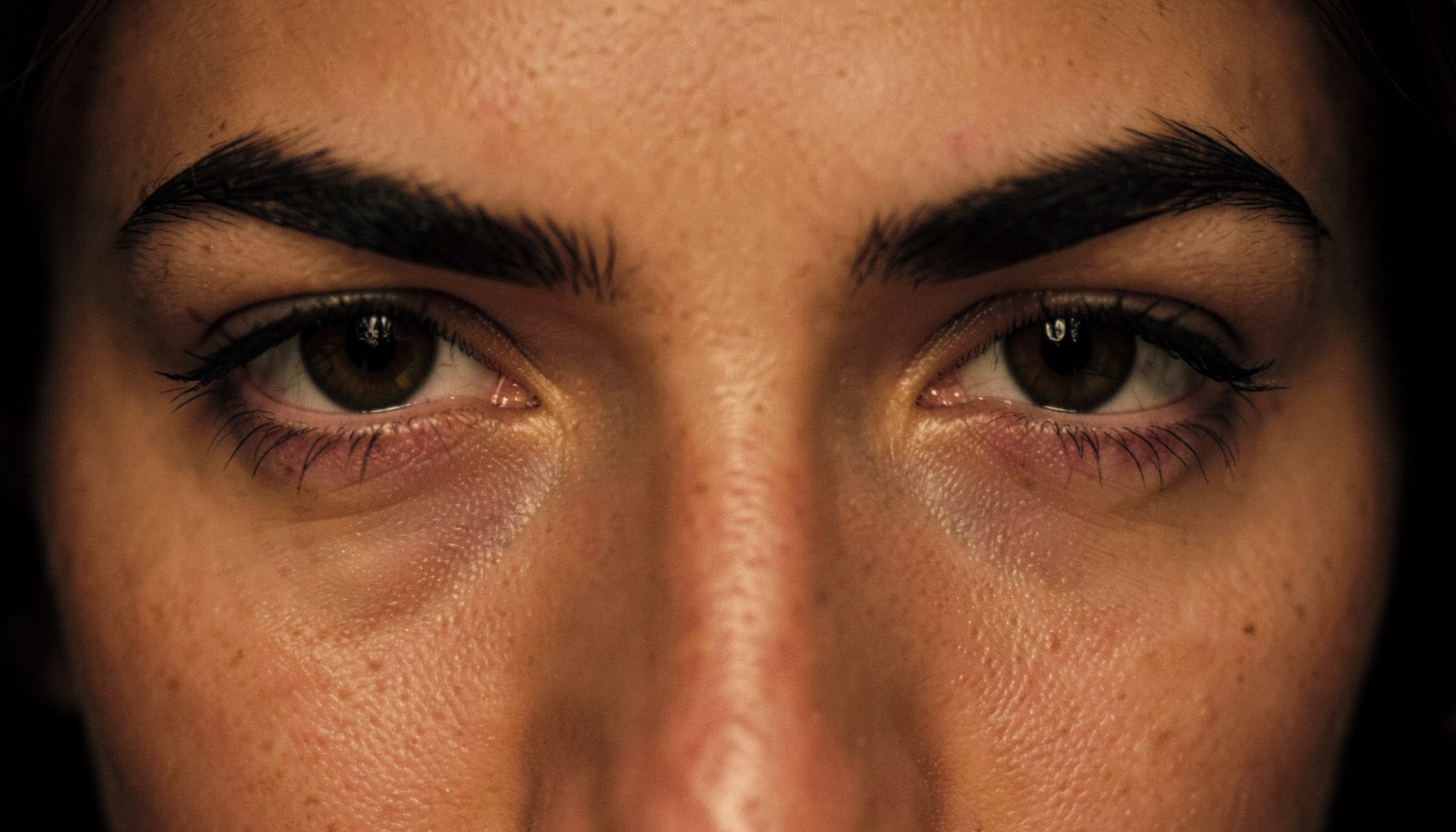
Eye Shape Guide
Understand your eye shape, master makeup techniques, and explore every treatment option — from Botox brow lifts to surgical solutions.
Explore the Site
Eyeshadow placement, blending techniques, and common mistakes to avoid for a more open, lifted look.
Explore →Winged liner, smudge prevention, and techniques that work with hooded lids to make eyes appear larger.
Explore →Non-surgical Botox brow lifts and surgical options including blepharoplasty, explained clearly.
Explore →Five false lash styles suited to hooded eyes, plus curler and mascara guidance for maximum lift.
Explore →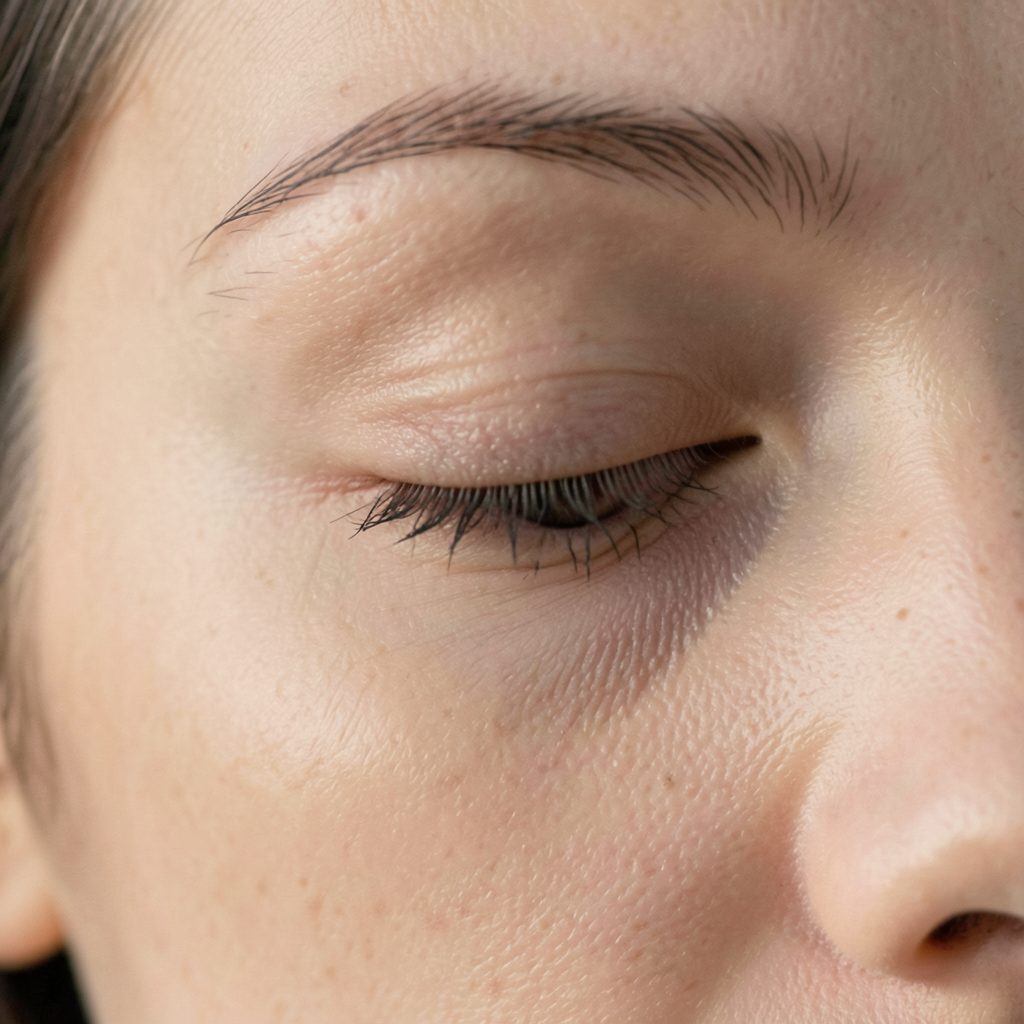
What Are Hooded Eyes?
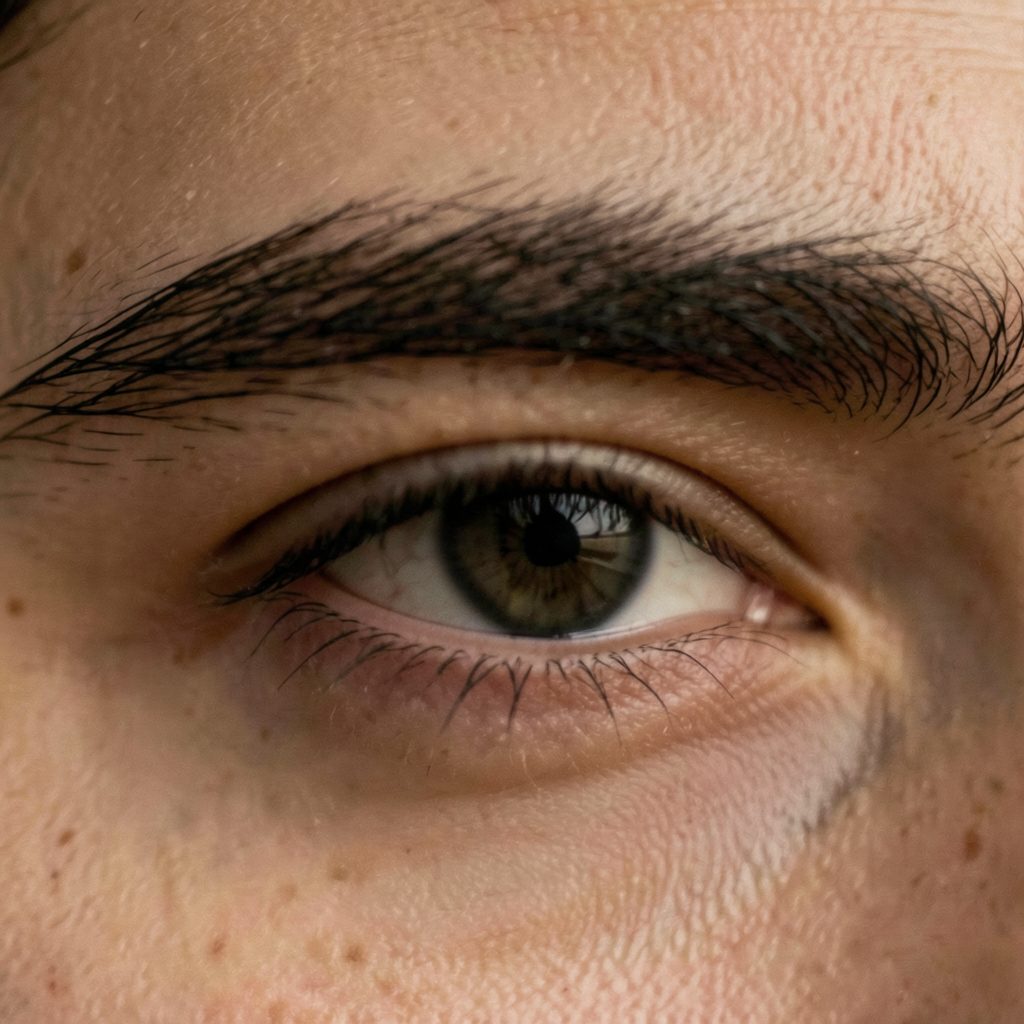
Hooded eyes are a natural eye shape where an excess piece of skin from the brow bone partially or completely covers the eyelid. The result can make eyes appear smaller or more tired than they feel.
This shape can be present from birth due to genetics, or it can develop over time. Known causes include aging, genetic traits, eye rubbing, body fatness, muscle structure, trauma, solar radiation, and sleep apnea.
Upper blepharoplasty, often called upper eyelid surgery, removes or reshapes excess skin and sometimes a small amount of fat from the upper eyelids. People may consider it because heavy lids affect their field of vision, create a tired appearance, or make makeup application difficult. Good preparation helps the operation run smoothly and gives you a clearer idea of the recovery ahead.
The first step is a consultation with a qualified medical practitioner who regularly performs eyelid procedures. They will examine your eyelid structure, brow position, skin quality, eye movements, tear production and general health. If hooded eyes are part of your concern, an eyeshape guide can help you understand the difference between naturally hooded lids, brow descent and loose upper-eyelid skin before you discuss surgery.
In Australia, cosmetic upper blepharoplasty is commonly arranged through a private specialist practice or accredited day hospital in Sydney, Melbourne, Brisbane, Perth, Adelaide or another major centre. Medicare usually does not cover an operation performed purely for appearance. A functional procedure may be treated differently when excess skin interferes with vision, although eligibility and private health insurance benefits depend on medical documentation and your policy.
Preparation is more than avoiding food before anaesthesia. You may need to change certain medicines, organise transport, arrange time away from work and make your home comfortable for the first few days. Australian summers, strong sun and long drives between regional areas can affect those plans, so practical details deserve attention well before your operation date.
During the consultation, explain what bothers you in precise terms. You might notice skin folding over the lash line, difficulty keeping eyes open while reading, a tired expression in photographs or makeup transferring onto the upper lid. Bring photographs from different angles if your concern changes throughout the day. Your surgeon will decide whether the issue is excess eyelid skin, fat, muscle, a low brow or a combination of these features.
A surgeon may ask about dry eyes, allergies, previous eye operations, contact lens use, glaucoma, thyroid conditions and facial nerve problems. Existing asymmetry is common, and surgery cannot guarantee identical eyelids. It is also important to understand that upper blepharoplasty does not usually raise the brow or remove crow’s feet at the outer corners. A brow lift or another treatment may be discussed if brow descent contributes to the hooded appearance.
Choose a practitioner whose training and registration you can verify through the Australian Health Practitioner Regulation Agency. Many patients also look for a specialist surgeon with relevant oculoplastic, ophthalmic or plastic surgery experience and hospital operating privileges. The practice should explain who will provide anaesthesia, where the operation will occur, what happens if a complication develops and who will review you after the procedure.
Give the clinic a complete health history, including prescription medicines, over-the-counter products, vitamins, herbal preparations and recreational substances. Aspirin, some anti-inflammatory medicines, anticoagulants and certain supplements can increase bruising or bleeding. Never stop a prescribed blood thinner by yourself. Your surgeon and the doctor managing that medicine must decide whether it can be paused, continued or replaced.
Tell the practice if you smoke or vape, as nicotine can impair circulation and slow wound healing. Alcohol may increase bruising and can interact with medicines used around surgery. Report any recent infection, cold sore, conjunctivitis, skin irritation or dental infection, because the operation may need to be postponed until you are well.
A useful medication and health checklist includes:
Your surgeon may request a medical clearance, blood tests or an eye assessment depending on your age and history. If you have diabetes, blood glucose control can affect healing. People with significant dry eye symptoms may need treatment or additional testing before surgery, since temporary worsening of dryness is possible after eyelid procedures.
Most patients need an adult to collect them after day surgery and stay with them for at least the first night. You should not drive yourself home, use public transport alone while groggy or make important decisions soon after sedation or general anaesthesia. If you live in regional New South Wales, Victoria or Queensland, ask whether the clinic wants you to remain nearby overnight rather than travelling several hours immediately after discharge.
Plan for several quiet days and have someone available for cooking, shopping, pets, children and household tasks. Many people return to desk-based work within roughly one to two weeks, although visible bruising can last longer. Jobs involving lifting, dust, heat, customer-facing contact or outdoor work may require more time. Your surgeon’s advice takes priority because the recovery period varies.
Before surgery, prepare the following at home:
Australia’s bright UV exposure makes sun protection especially important during healing. Keep out of direct sun, avoid tanning and follow instructions about sunscreen near the incision. In hot weather, air conditioning can make the eyes feel dry, while smoke from bushfires or poor air quality may irritate them. A clean, cool indoor environment can be more comfortable during the first week.
Your clinic will give specific directions about washing your face, removing makeup and when to stop eating and drinking. Follow the fasting instructions exactly, particularly if you are having sedation or general anaesthesia. Usually, clear fluids and solid food have different cut-off times, and breaking the rules can cause cancellation for safety reasons.
Arrive with a clean face and no eyeliner, mascara, false lashes, lash extensions or facial oils unless your practice says otherwise. Do not apply creams close to the eyelids on the morning of surgery. Contact lenses, jewellery and piercings may need to be removed. Wear loose clothing with a top that opens at the front so you do not pull fabric over swollen eyelids.
Avoid booking injectables, laser treatments, peels or aggressive facials near the surgical date unless your surgeon approves them. A recent cosmetic treatment can irritate the skin or alter the position of the brow and eyelids. If you use lash growth products or have eyelid dermatitis, mention this during the consultation rather than assuming it is irrelevant.
Australian cosmetic practices should provide time to consider the procedure, costs, alternatives and risks. Ask for a written quote covering the surgeon, anaesthetist, hospital, pathology if relevant, follow-up appointments and any possible revision fees. Private insurance may not pay for a cosmetic operation, and gap payments can apply even when a functional indication exists. Clarify the financial arrangements before committing.
On the day, the surgeon generally marks the eyelids while you are sitting or standing so natural folds and asymmetry can be assessed. Photographs and consent documents may be completed before you enter theatre. The procedure may use local anaesthetic with sedation or a general anaesthetic, depending on the extent of surgery, your health and the facility’s approach.
Afterwards, expect blurred vision from ointment, tightness, swelling and bruising. Someone must escort you home and remain available as the anaesthetic wears off. Rest with your head elevated, avoid bending and follow the practice’s instructions about cold compresses. Do not place ice directly on the skin, rub the eyes or press on the incision.
Your surgeon may prescribe ointment, lubricating drops or pain relief. Use only the products advised by the team. Keep the wound clean and attend scheduled reviews, where sutures may be removed if they are not dissolvable. Temporary numbness, uneven swelling and mild discomfort can occur during early healing, so the final appearance should not be judged immediately.
Every operation has risks, including infection, bleeding, delayed healing, scarring, asymmetry and an unsatisfactory cosmetic result. Eyelid surgery can also cause dry or watery eyes, difficulty closing the eyes, sensitivity to light, blurred vision or changes in the position of the eyelid. Rare but serious complications involving bleeding behind the eye can threaten vision, which is why urgent symptoms must be taken seriously.
Seek prompt medical advice for sudden vision changes, severe or escalating pain, marked swelling on one side, bleeding that will not stop, fever, pus, increasing redness or an inability to close the eye. Contact your surgeon or the after-hours service provided by the clinic. If you cannot reach the team and symptoms are severe, attend an emergency department or call 000.
The practice should explain the follow-up schedule before you leave. Early checks assess wounds and swelling, while later appointments consider scar maturation and the developing result. Recovery is gradual: bruising often improves over two weeks, swelling can fluctuate for several weeks and scars may continue to soften for months. Protecting the area from sun and following activity restrictions supports a better recovery.
For people comparing surgery with a brow lift, Botox or non-surgical approaches, impartial background information can make consultations easier to navigate. The website information explains the focus and scope of the hooded-eye resource, while your surgeon remains the appropriate source for an individual diagnosis and treatment plan.
Start by booking a consultation with a properly registered Australian specialist, take a complete medication and health list, and arrange transport and home support before paying a deposit. Read the consent documents carefully, keep the clinic’s contact details close and allow enough time for your eyes to heal rather than planning around a rushed return to work.
Surgical Option
For those seeking a more lasting result, plastic surgery — including blepharoplasty — is covered as a treatment option for hooded eyes. Surgery addresses the excess skin directly and is considered an alternative to non-surgical approaches like Botox.
The site's surgery guide explains the procedure, what to expect, and how it compares to non-surgical routes, helping readers make informed decisions about their options.
Read the Surgery Guide →Famous Faces
Hooded eyes can enhance facial expressions and contribute to a distinctive, memorable look. These ten well-known figures all share the eye shape.
Jennifer Aniston
Leonardo DiCaprio
Solange Knowles
Taylor Swift
Michelle Williams
Robert Pattinson
Blake Lively
Selena Gomez
Gigi Hadid
Benicio del Toro
Side by Side
False Lash Guide
Varied length spikes create texture and the illusion of depth without weighing down the lid.
Longer outer-corner lashes draw the eye outward and upward, counteracting the hood effect.
A uniform, moderate length that adds definition without overwhelming a hooded lid.
Applied only to the outer half, these open up the eye shape and are easier to manage on hooded lids.
A strong upward curl (D or L curl) lifts lashes away from the hood, keeping them visible throughout the day.
The guide also covers lash curlers, mascara recommendations, and step-by-step instructions for fixing false lashes on hooded eyelids.
Full Lash Guide →Get in Touch
Whether you are just beginning your makeup journey or have been experimenting with different looks for years, we are glad you are here.
General Feedback
Share your thoughts on the site or suggest topics you'd like covered.
Looking for a Specific Tip?
Ask about a particular technique or eye-shape challenge.
Product Questions
Questions about products mentioned across the site.
Human Resources or Business Inquiries
Partnership, collaboration, or business-related correspondence.