01
Makeup Tips
Eyeshadow placement, blending techniques, and common mistakes to avoid for a more open, lifted look.
Explore →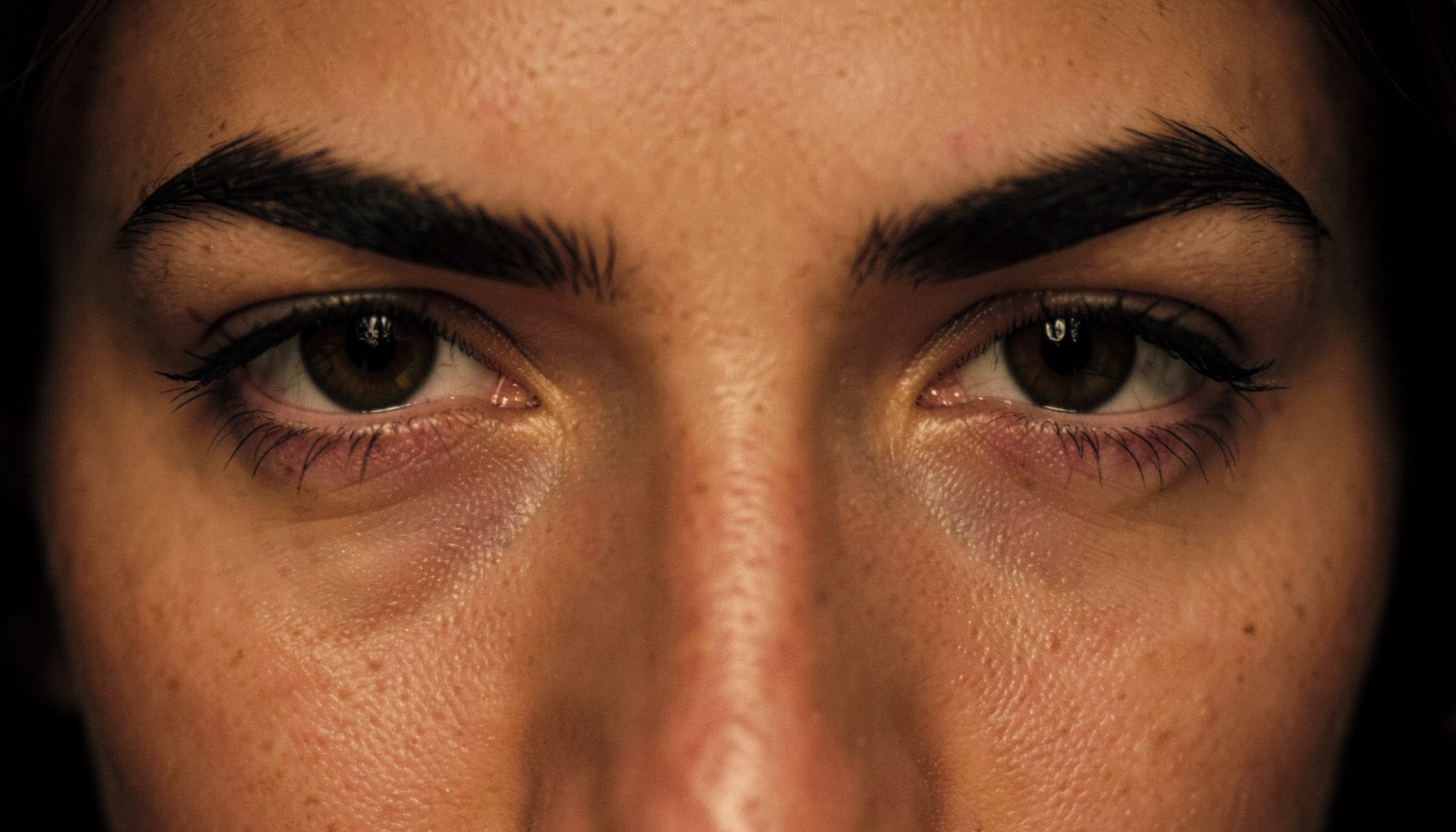
Eye Shape Guide
Understand your eye shape, master makeup techniques, and explore every treatment option — from Botox brow lifts to surgical solutions.
Explore the Site
Eyeshadow placement, blending techniques, and common mistakes to avoid for a more open, lifted look.
Explore →Winged liner, smudge prevention, and techniques that work with hooded lids to make eyes appear larger.
Explore →Non-surgical Botox brow lifts and surgical options including blepharoplasty, explained clearly.
Explore →Five false lash styles suited to hooded eyes, plus curler and mascara guidance for maximum lift.
Explore →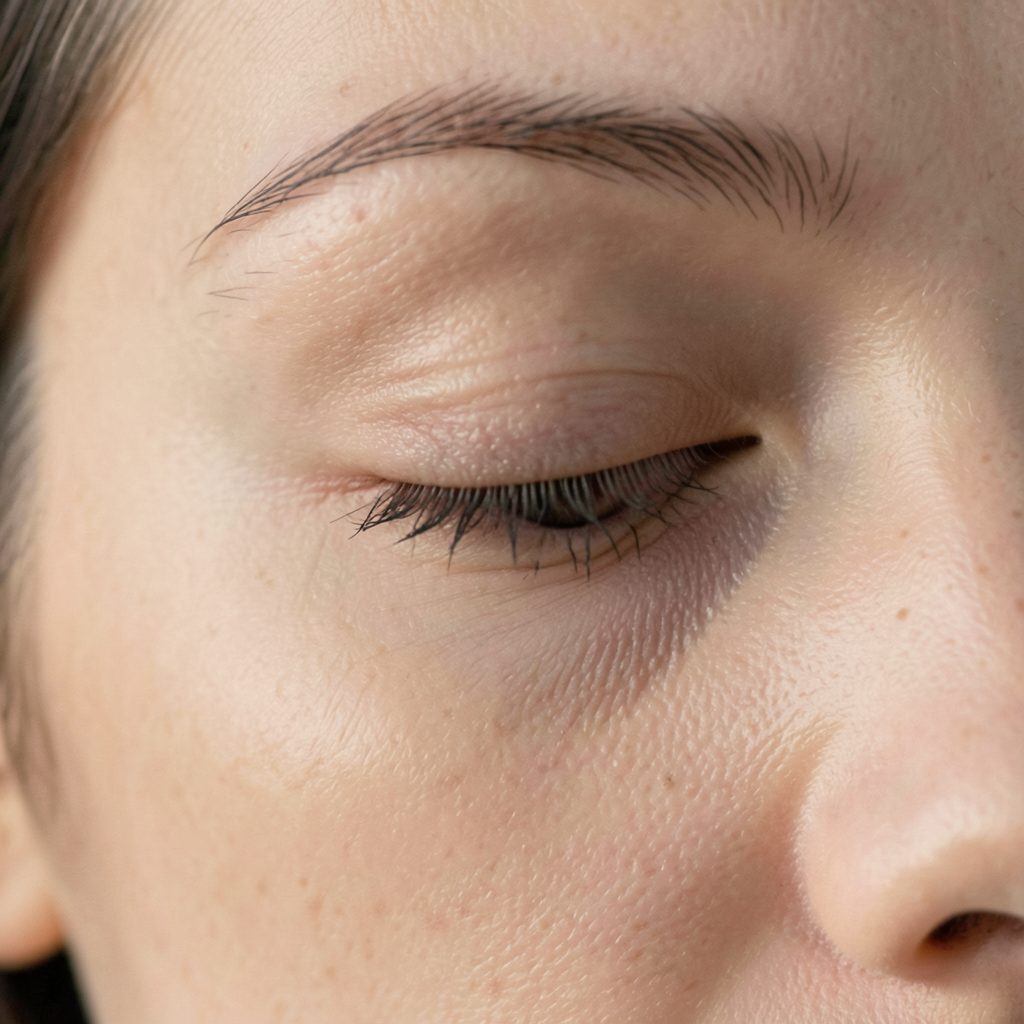
What Are Hooded Eyes?
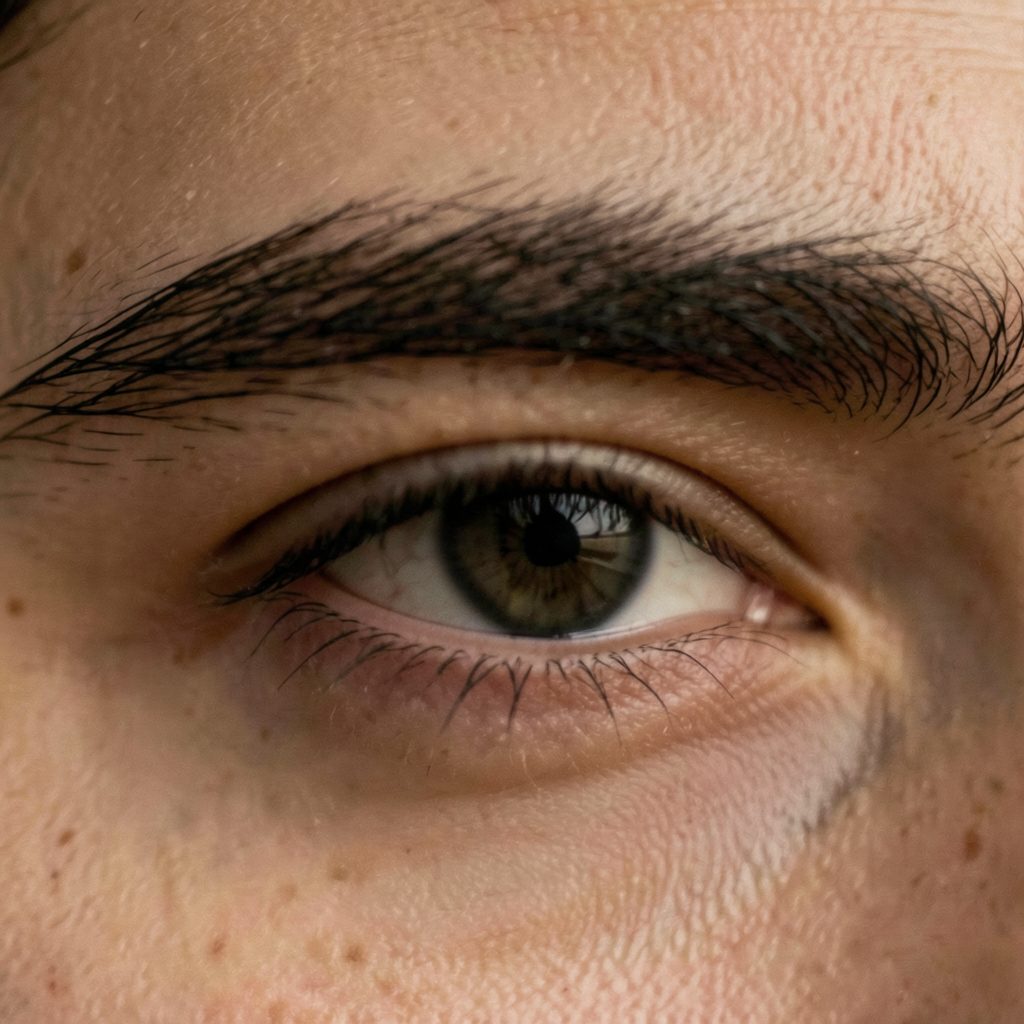
Hooded eyes are a natural eye shape where an excess piece of skin from the brow bone partially or completely covers the eyelid. The result can make eyes appear smaller or more tired than they feel.
This shape can be present from birth due to genetics, or it can develop over time. Known causes include aging, genetic traits, eye rubbing, body fatness, muscle structure, trauma, solar radiation, and sleep apnea.
Colourful eyeliner can make hooded eyes look brighter, larger and more expressive, but placement matters more than the shade itself. When the mobile lid is partly covered by the brow bone or a fold of skin, a thick line may disappear when the eyes are open. A bold colour can then look uneven, heavy or reminiscent of an older makeup trend.
The solution is not to avoid vivid shades. Modern eyeliner looks rely on precise placement, softly blended edges and colour choices that complement your complexion. Jewel tones, muted brights and unexpected pastel accents can all work beautifully when the visible lid space is used strategically.
Hooded eyes vary widely. Some people have a low crease, some have excess upper-lid skin, and others have a deep-set shape that creates a similar shadow. Your technique should follow the way your eyes look when relaxed and open, rather than copying a diagram designed for a different eye shape.
Australia’s bright daylight can make strong makeup appear more intense, especially in Sydney, Brisbane or Perth. A look that seems subtle under bathroom lighting may feel dramatic outdoors, so testing your eyeliner near a window is a useful part of the routine.
Apply colourful eyeliner while looking straight ahead into a mirror. This reveals the section of line that remains visible when your eyes are relaxed. If you draw the entire wing with your eyelid closed, the crease may swallow the shape or make the flick curve down when you open your eyes.
Begin with a thin line from the outer corner towards the centre of the lash line. Keep the inner corner fine, particularly if your eyes are small or closely set. Then add colour gradually to the outer third, where there is usually more space for definition.
For a lifted effect, sketch the wing slightly above the natural outer lash line rather than extending it directly from the corner. The flick should point towards the end of your brow, but it does not need to be long. A short, raised wing often looks fresher than a thick, extended cat-eye.
Classic cobalt, emerald, burgundy, aubergine and teal are easy starting points because they provide contrast without looking fluorescent. These shades suit many Australian complexions and work across seasons, from a polished winter look in Melbourne to a softer summer style on the Gold Coast.
For a modern finish, consider softened versions of bright colours. Rust, petrol blue, moss green, plum, cranberry and smoky violet feel wearable while still adding personality. Neon yellow, turquoise or vivid pink can be effective as a small accent rather than a complete upper-lid line.
Your undertone can guide the choice. Warm skin often pairs well with bronze, copper, olive and terracotta, while cool undertones may suit sapphire, lavender, blue-red berry and charcoal violet. Neutral skin can move between both families. Eye colour matters too: purple can intensify green eyes, bronze can warm blue eyes, and green or blue can bring out brown eyes.
Finish also changes the impression. Satin and matte liners tend to look sophisticated, while metallic formulas create a more editorial effect. Glitter can be attractive for concerts or evening events, but fine shimmer usually looks more contemporary than large reflective particles.
Colourful liner does not need to carry the entire eye look. A soft neutral base can give it structure and prevent the makeup from appearing disconnected. Sweep a matte beige, tan or soft brown over the lid and slightly above the crease, stopping before the brow becomes too dark.
For extra depth, use a medium matte shade in the outer corner and blend it upwards towards the brow tail. Keep the transition diffuse, leaving the colourful liner as the clearest point of interest. A softly smoked base can be especially flattering on hooded shapes; this soft smoky eye guide offers a useful reference for balancing definition with softness.
Avoid placing a very dark shadow directly over the entire hood. It can make the eye area look smaller and force the bright liner to compete with too much depth. Instead, concentrate darker tones along the outer lashes and use a clean brush to blur any visible edges.
A waterproof pencil is forgiving and useful for a softly smudged line. Apply it close to the lashes, then use a small angled brush before it sets. This creates a diffused colour effect that works well for daytime and is less likely to emphasise slight asymmetry.
Gel and liquid liners give sharper wings, but they need more planning on hooded eyelids. Rest your elbow on a table, make short strokes and allow each section to dry before opening and closing the eye repeatedly. A flexible felt-tip pen is often easier than a very wet brush tip because it deposits less product at once.
If your eyelids become oily, use an eye primer or a thin layer of concealer set with translucent powder. Avoid applying a thick, creamy base across the hood, as product can transfer into the crease. Some Australian beauty retailers, including Mecca, Sephora Australia and selected chemists, carry long-wear coloured pencils and tubing mascara that are practical in warm weather.
| Eyeliner style | Best placement for hooded eyes | Overall effect | Common mistake |
|---|---|---|---|
| Bright pencil | Upper lash line, outer two-thirds | Soft and wearable | Drawing a thick line across the whole lid |
| Coloured wing | Thin line with a raised outer flick | Lifted and modern | Extending the wing from a closed-eye position |
| Tightlined jewel tone | Between upper lashes | Defined without hiding lid space | Pressing too heavily and irritating the eye |
| Double liner | Neutral or black base with colour above it | Graphic and creative | Making both lines equally thick |
| Lower-lash accent | Outer third of lower lashes | Fresh pop of colour | Taking the colour too far towards the inner corner |
| Metallic liner | Fine upper line or inner-corner detail | Evening brightness | Pairing it with heavy glitter and dark shadow |
A coloured lower lash line can make the eyes look balanced, especially when upper-lid space is limited. Keep the strongest pigment on the outer third or outer half, then soften it with a small pencil brush. Connecting it gently to the upper wing can create a lifted shape without closing in the eye.
Choose a slightly lighter or more muted version of the upper shade for a subtle effect. For example, pair navy on top with soft blue beneath, or emerald above with olive along the lower lashes. A pale champagne, lilac or copper accent in the inner corner can brighten the look without competing with the main liner.
Waterline colour requires care. Creamy pencils may migrate, and intense pigment can make redness more noticeable. Use products specifically labelled for the eye area, avoid sharing them, and replace old pencils regularly. If your eyes are sensitive or dry, keep the colour just below the lashes instead of inside the waterline.
Mascara should support the liner rather than cover it. Curl the lashes, apply a lengthening formula to the upper lashes and brush the outer lashes towards the brow tail. Waterproof mascara can be helpful during humid Queensland days, while a tubing formula may be easier to remove without rubbing.
When the eyeliner is vivid, simplify the surrounding makeup. A softly defined brow, even skin and a restrained lip allow the colour to look intentional. This does not mean the rest of the face must be bare; it means each feature needs a clear role.
For daytime, try colourful liner with a cream blush in peach, rose or terracotta and a tinted balm. For evening, add a softly luminous cheek and a neutral lipstick, then intensify the liner by layering a matching pencil under a liquid formula. This creates depth without relying on a thick black border.
Avoid pairing a bright liner with overly carved brows, heavy contour and frosted lipstick if your aim is a current look. Those elements can make the makeup feel tied to a particular era. Soft edges and skin-like finishes generally make colour appear more contemporary.
If you wear glasses, check the look from normal conversation distance. Frames can hide the outer wing or magnify the liner, depending on the lenses. A slightly thicker outer third may be necessary, but keep the inner line delicate so the eyes remain open and comfortable.
Makeup can adapt to hooded eyes, although some people also want to understand the anatomical or cosmetic factors behind their lid shape. The appearance may relate to genetics, age-related changes, brow position, or the distribution of skin and fat around the upper eyelid. A cosmetic treatment overview can help explain the broader options without suggesting that treatment is necessary.
A Botox brow lift may subtly raise the outer or central brow in suitable candidates, but results are temporary and depend on muscle balance. An uneven brow response, heaviness or a lowered brow can occur if the injections are not carefully planned. Consultation with a qualified medical practitioner is essential, particularly around the eyes.
Blepharoplasty removes or repositions selected skin and tissue on the upper eyelid. It is a surgical procedure with risks such as swelling, bruising, asymmetry, dry eyes, scarring and changes in eyelid position. Anyone researching hooded-eye procedures should review preparation, recovery and potential complications with an appropriately qualified specialist.
Cosmetic treatment is separate from learning makeup technique. Many people can create excellent results with a fine brush, a visible-above-the-crease guide and a little practice. If you pursue a procedure, allow time for healing before judging how your eye shape or makeup placement has changed.
Start by removing oil from the lids, then apply a thin primer and let it set. Place the mirror slightly below eye level if you want to see the lid while keeping your eyes open. Map the wing with a neutral pencil first, especially when working with a strong shade such as electric blue or forest green.
Use short strokes rather than trying to draw one continuous line. If the edge becomes uneven, clean it with a tiny brush and micellar water, then touch up concealer underneath. Avoid repeatedly layering liquid product over a wet or oily surface, as this is more likely to crack and transfer into the hood.
Take a quick photograph with your eyes open and your face relaxed. The camera can reveal whether the liner disappears, angles down or looks heavier than expected. For an everyday look, aim for visible colour above the lashes and a clean, lifted outer edge rather than maximum thickness.
With the right placement, colourful eyeliner becomes a feature of hooded eyes rather than a problem to disguise. Experiment with one shade at a time, begin with a small outer-corner accent and increase intensity when the shape feels balanced. Save a reference photo of the placement that works, then adapt the colour for work, weekends, festivals or evenings out across Australia.
Surgical Option
For those seeking a more lasting result, plastic surgery — including blepharoplasty — is covered as a treatment option for hooded eyes. Surgery addresses the excess skin directly and is considered an alternative to non-surgical approaches like Botox.
The site's surgery guide explains the procedure, what to expect, and how it compares to non-surgical routes, helping readers make informed decisions about their options.
Read the Surgery Guide →Famous Faces
Hooded eyes can enhance facial expressions and contribute to a distinctive, memorable look. These ten well-known figures all share the eye shape.
Jennifer Aniston
Leonardo DiCaprio
Solange Knowles
Taylor Swift
Michelle Williams
Robert Pattinson
Blake Lively
Selena Gomez
Gigi Hadid
Benicio del Toro
Side by Side
False Lash Guide
Varied length spikes create texture and the illusion of depth without weighing down the lid.
Longer outer-corner lashes draw the eye outward and upward, counteracting the hood effect.
A uniform, moderate length that adds definition without overwhelming a hooded lid.
Applied only to the outer half, these open up the eye shape and are easier to manage on hooded lids.
A strong upward curl (D or L curl) lifts lashes away from the hood, keeping them visible throughout the day.
The guide also covers lash curlers, mascara recommendations, and step-by-step instructions for fixing false lashes on hooded eyelids.
Full Lash Guide →Get in Touch
Whether you are just beginning your makeup journey or have been experimenting with different looks for years, we are glad you are here.
General Feedback
Share your thoughts on the site or suggest topics you'd like covered.
Looking for a Specific Tip?
Ask about a particular technique or eye-shape challenge.
Product Questions
Questions about products mentioned across the site.
Human Resources or Business Inquiries
Partnership, collaboration, or business-related correspondence.