01
Makeup Tips
Eyeshadow placement, blending techniques, and common mistakes to avoid for a more open, lifted look.
Explore →
Eye Shape Guide
Understand your eye shape, master makeup techniques, and explore every treatment option — from Botox brow lifts to surgical solutions.
Explore the Site
Eyeshadow placement, blending techniques, and common mistakes to avoid for a more open, lifted look.
Explore →Winged liner, smudge prevention, and techniques that work with hooded lids to make eyes appear larger.
Explore →Non-surgical Botox brow lifts and surgical options including blepharoplasty, explained clearly.
Explore →Five false lash styles suited to hooded eyes, plus curler and mascara guidance for maximum lift.
Explore →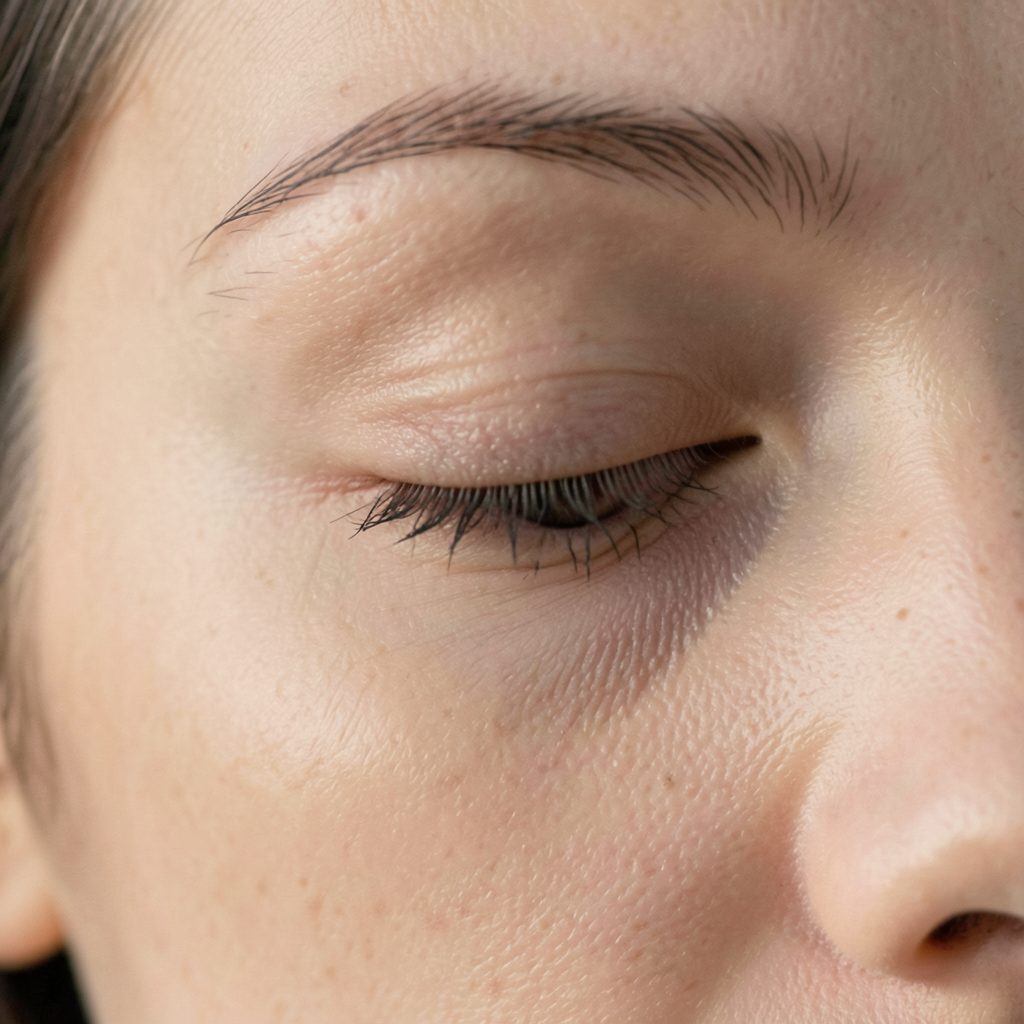
What Are Hooded Eyes?
Hooded eyes are a natural eye shape where an excess piece of skin from the brow bone partially or completely covers the eyelid. The result can make eyes appear smaller or more tired than they feel.
This shape can be present from birth due to genetics, or it can develop over time. Known causes include aging, genetic traits, eye rubbing, body fatness, muscle structure, trauma, solar radiation, and sleep apnea.
Hooded eyes are inherited for many people, while others notice the fold creeping down as collagen drops with age. When makeup can no longer hold a lift and the lid begins to brush the lashes, blepharoplasty often comes up in conversation. The procedure is one of the most popular cosmetic surgeries performed in Australia, yet the topic of scarring still makes patients hesitate. Knowing how the incision heals, where it sits, and which aftercare habits genuinely help can take a lot of the anxiety out of the decision.
Australian surgeons perform upper and lower blepharoplasty under Medicare item number 45617 when vision is impaired by drooping skin. In cosmetic-only cases, patients fund the procedure themselves, with prices in capital cities ranging from roughly $4,500 to $9,000 per pair of lids. Either way, the scar behaves the same way biologically, and the way a patient treats the area in the first twelve months shapes how visible it remains long term.
For readers weighing the surgery against non-invasive options, it helps to understand what the incision actually looks like once healing kicks in. Some find that the scar becomes nearly invisible within a year, while others see a faint line that needs extra support. The sections below walk through the healing stages, the placement choices surgeons make, and the practical routines that soften the mark in the Australian climate.
The skin around the eyes is the thinnest on the body, which sounds worrying but actually helps the wound close quickly. In the first seventy-two hours the incision looks pink, slightly raised, and may ooze a clear fluid as white blood cells clear debris. Surgeons in Sydney and Melbourne usually remove sutures between day five and day seven, after which the line flattens visibly within a fortnight.
Between weeks two and six, the scar enters its remodelling phase. Collagen fibres reorganise along the line of tension, and the redness softens from bright pink to a dull mauve. This is the stage where many patients worry the scar looks worse than before, but it is a normal part of the journey. A plain ointment recommended by your surgeon keeps the area supple and prevents the edges from drying out and cracking.
True maturation takes up to a year. By month three the scar is usually flat and pale, and by twelve months only a fine line remains in most patients. The pace depends on age, skin tone, sun exposure, and whether the patient smokes. Australian summers push the UV index above 12 in cities like Brisbane and Perth, so sunscreen over the healing skin is non-negotiable for the entire first year.
The skill of a blepharoplasty surgeon is measured largely by where the cut is hidden. For an upper eyelid lift, the incision sits within the natural supratarsal crease, so when the eye is open the line tucks into the fold. A well-placed scar on a hooded eye is virtually invisible once healed, because the lid skin drapes over it. Looking at examples of famous faces is a useful way to see how discreet the result can be in real life.
For the lower lid, surgeons either place the cut just below the lash line (subciliary) or inside the eyelid (transconjunctival). The transconjunctival approach leaves no external scar at all and is preferred for patients who only need fat repositioning rather than skin removal. When skin must be excised, the subciliary scar is camouflaged by the lashes once it matures, which is why an experienced oculoplastic surgeon is worth the premium fee.
Patients should ask their surgeon to mark the planned incision while sitting upright in the consultation room. The fold shifts when you lie flat on the operating table, so the markings need to be made in the position that matches everyday life. Surgeons accredited by the Australasian Society of Aesthetic Plastic Surgeons will routinely do this and will show you where the line will fall when your eyes are open, closed, and mid-blink.
Once the sutures are out and the wound is fully closed, the topical stage begins. Silicone-based products are the gold standard, and several are listed on the Australian Register of Therapeutic Goods. Strataderm and Dermatix Ultra are widely stocked at Chemist Warehouse and Priceline, and they work by hydrating the stratum corneum and signalling fibroblasts to lay down collagen in an orderly pattern.
Vitamin C serums layered over the silicone in the morning brighten the surrounding skin and support collagen synthesis, but they should not be applied to an open wound. A few weeks after suture removal, a low-percentage L-ascorbic acid serum (around 10%) is usually safe and helps fade any residual pigmentation, which matters more in Australian patients with olive or deeper skin tones prone to post-inflammatory hyperpigmentation.
Daily sunscreen is the single most important topical step. Cancer Council Ultra SPF50+ is the everyday favourite for arvo runs and beach walks, and the tinted version blends well over a healing scar without leaving a white cast. Reapply every two hours while the scar is still pink, because UV exposure in the first six months is the leading cause of a permanently darkened scar line.
If the scar stays raised or red past the six-month mark, a dermatologist or cosmetic physician can step in. For readers who want a broader view of when to escalate from home care to clinical treatment, the latest articles and updates cover that decision tree in detail. Pulsed dye laser is the most common first-line treatment for persistent redness, as it targets the blood vessels feeding the scar without damaging the surrounding skin. Most Australian clinics in Sydney, Melbourne, and the Gold Coast offer this, and two to three sessions are usually enough to calm the colour.
Fractional non-ablative laser, such as Fraxel, can remodel the collagen more aggressively once the scar is mature. It is often combined with microneedling for patients who want a smoother texture along the line. Downtime is roughly two to three days of redness, which fits neatly into a long weekend.
For thick, hypertrophic scars, a small amount of intralesional corticosteroid can flatten the tissue. This is offered by oculoplastic surgeons and dermatologists across Australia and is usually covered under private health insurance funds like Bupa or Medibank when billed under a medical consultation. Combination therapy, where a steroid injection is followed two weeks later by laser, tends to deliver the smoothest result.
The way a patient lives the first year after surgery has more impact than any cream or laser. Smoking is the single biggest enemy of wound healing, as nicotine constricts the blood vessels and starves the tissue of oxygen. Quitting at least four weeks before surgery and staying smoke-free for three months afterwards gives the scar a fair chance of maturing flat and pale.
Sleep position matters more than most realise. Sleeping slightly propped up on two pillows for the first two weeks reduces fluid pooling in the lids, which in turn reduces tension on the wound edge. Side sleepers should consider a travel pillow to stop themselves rolling onto the healing eye during the night.
Diet plays a quiet but real role. A high-protein intake supports collagen building, while vitamin C from kiwifruit, capsicum, and citrus accelerates the cross-linking of new fibres. Staying well-hydrated is equally important in Australia's dry inland climate, where dehydrated skin takes longer to remodel.
Healing well is a long game, but the right surgeon, sensible sun habits, and a simple silicone-based routine usually let the scar fade into the crease and stay there quietly. For readers who want to keep exploring the world of hooded eyes, from celebrity case studies to non-surgical alternatives, the hooded eyes resource hub is a good place to start browsing tonight.
Surgical Option
For those seeking a more lasting result, plastic surgery — including blepharoplasty — is covered as a treatment option for hooded eyes. Surgery addresses the excess skin directly and is considered an alternative to non-surgical approaches like Botox.
The site's surgery guide explains the procedure, what to expect, and how it compares to non-surgical routes, helping readers make informed decisions about their options.
Read the Surgery Guide →Famous Faces
Hooded eyes can enhance facial expressions and contribute to a distinctive, memorable look. These ten well-known figures all share the eye shape.
Jennifer Aniston
Leonardo DiCaprio
Solange Knowles
Taylor Swift
Michelle Williams
Robert Pattinson
Blake Lively
Selena Gomez
Gigi Hadid
Benicio del Toro
Side by Side
False Lash Guide
Varied length spikes create texture and the illusion of depth without weighing down the lid.
Longer outer-corner lashes draw the eye outward and upward, counteracting the hood effect.
A uniform, moderate length that adds definition without overwhelming a hooded lid.
Applied only to the outer half, these open up the eye shape and are easier to manage on hooded lids.
A strong upward curl (D or L curl) lifts lashes away from the hood, keeping them visible throughout the day.
The guide also covers lash curlers, mascara recommendations, and step-by-step instructions for fixing false lashes on hooded eyelids.
Full Lash Guide →Get in Touch
Whether you are just beginning your makeup journey or have been experimenting with different looks for years, we are glad you are here.
General Feedback
Share your thoughts on the site or suggest topics you'd like covered.
Looking for a Specific Tip?
Ask about a particular technique or eye-shape challenge.
Product Questions
Questions about products mentioned across the site.
Human Resources or Business Inquiries
Partnership, collaboration, or business-related correspondence.