01
Makeup Tips
Eyeshadow placement, blending techniques, and common mistakes to avoid for a more open, lifted look.
Explore →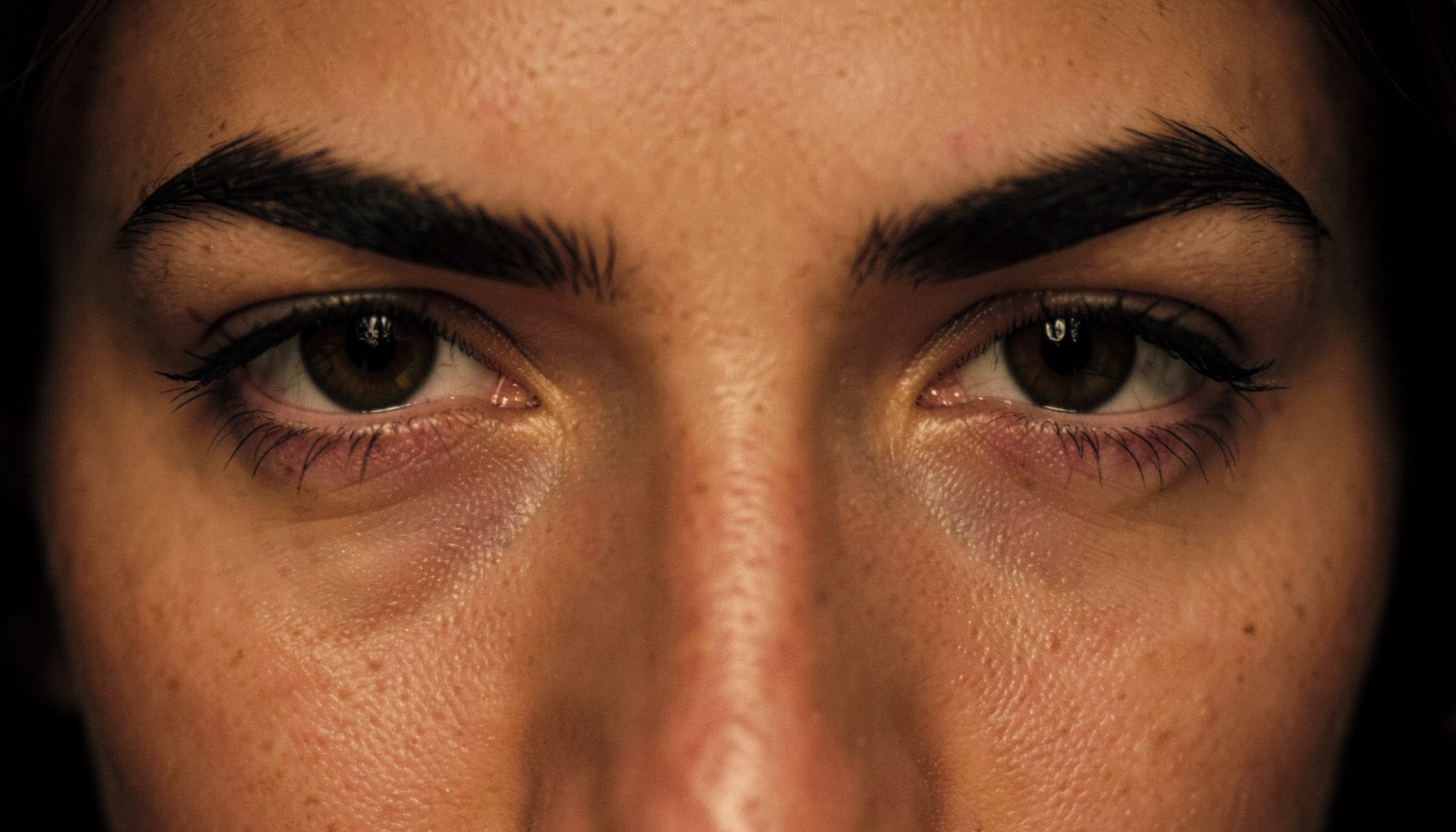
Eye Shape Guide
Understand your eye shape, master makeup techniques, and explore every treatment option — from Botox brow lifts to surgical solutions.
Explore the Site
Eyeshadow placement, blending techniques, and common mistakes to avoid for a more open, lifted look.
Explore →Winged liner, smudge prevention, and techniques that work with hooded lids to make eyes appear larger.
Explore →Non-surgical Botox brow lifts and surgical options including blepharoplasty, explained clearly.
Explore →Five false lash styles suited to hooded eyes, plus curler and mascara guidance for maximum lift.
Explore →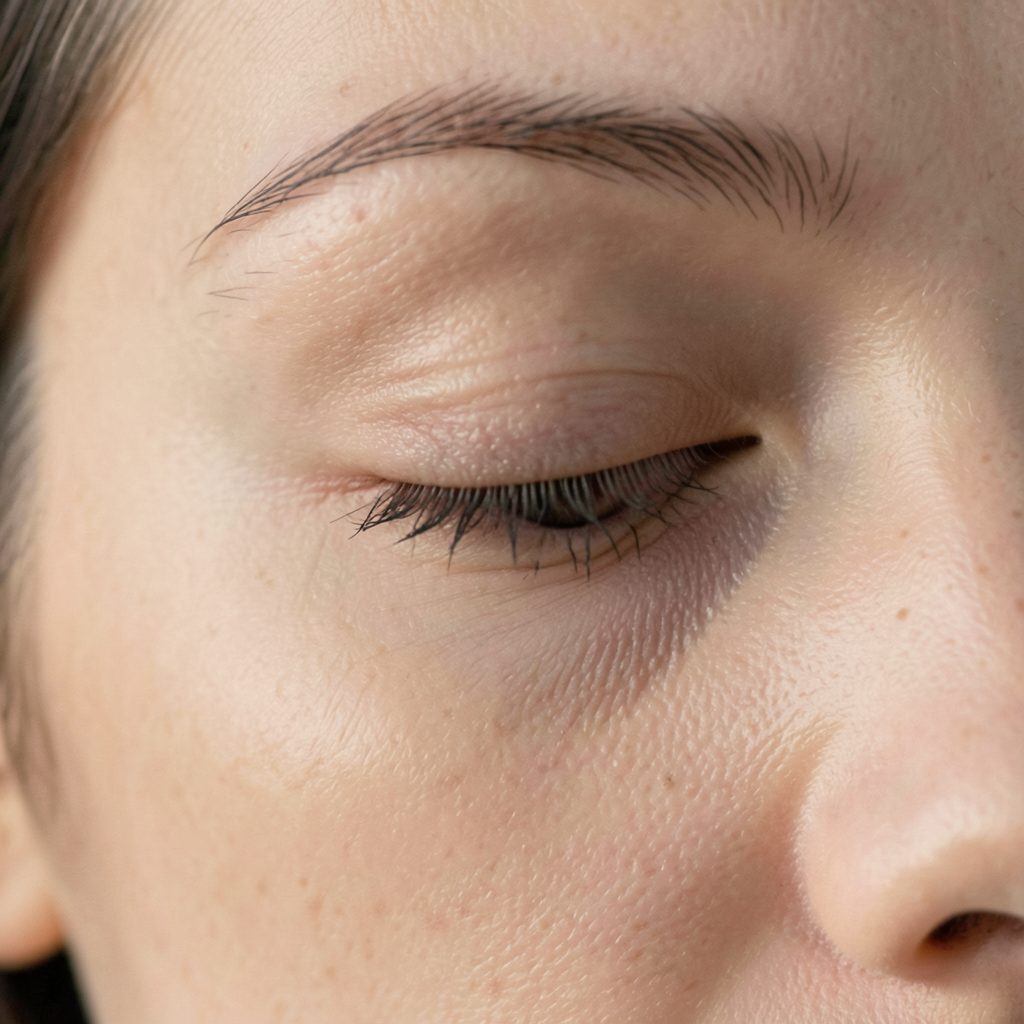
What Are Hooded Eyes?
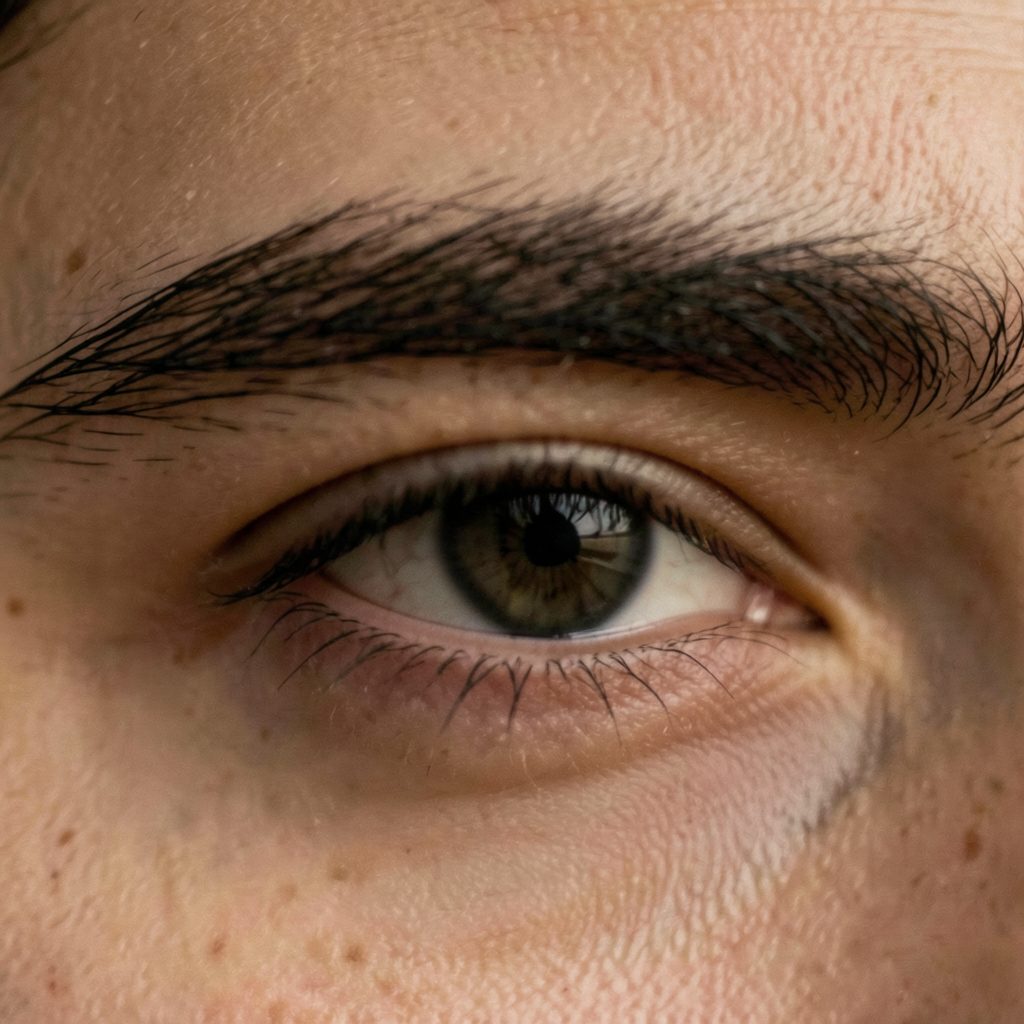
Hooded eyes are a natural eye shape where an excess piece of skin from the brow bone partially or completely covers the eyelid. The result can make eyes appear smaller or more tired than they feel.
This shape can be present from birth due to genetics, or it can develop over time. Known causes include aging, genetic traits, eye rubbing, body fatness, muscle structure, trauma, solar radiation, and sleep apnea.
A concealed crease changes where a false lash sits, how much of the band is visible, and whether your eyelid feels crowded after application. The aim is not to force the eye open or place the strip higher than your natural lash line. It is to create lift at the outer corner while keeping the band flexible enough to follow the lid.
How to apply strip lashes when your crease is hidden becomes much easier once you work with your eye shape rather than against it. A shorter, lightweight lash, careful trimming, and a thin layer of adhesive usually give a cleaner result than a very dramatic strip. The following method suits everyday makeup, weddings, photographs, and warm Australian weather.
Hooded eyes have extra skin or soft tissue that partly covers the mobile eyelid and can obscure the natural fold. When the eye is open, the strip band may disappear beneath that fold, or the outer edge may lift because the lid curves down towards the corner. A thick lash can also press against the hood and feel heavy by the end of the day.
Apply lashes while looking straight ahead into a mirror, with your eyes relaxed. Looking down gives you more lid space, but it can lead to a band that is positioned too high once your eyes open. For a balanced result, the inner corner should start a few millimetres away from the tear duct, while the outer end should finish before the lashes turn down.
The best placement is generally close to the natural lash roots, with a slight emphasis on the outer third. This creates a lifted effect without relying on a visible crease. If your lashes point downwards, curl them first so they support the strip instead of pushing against it.
Look for styles described as lightweight, flexible, invisible-band, demi, or half lashes. A clear or very fine black band is less likely to show when the eyelid folds over it. Wispy clusters and tapered fibres are often more comfortable than a dense, uniform fringe, especially if you wear glasses or have a low brow bone.
Avoid strips that are dramatically longer in the centre unless you want a rounded, doll-like effect. For hooded eyes, a flare that gradually increases towards the outer corner often gives more visible lift. The fibres should not be so long that they brush the brow area when you blink.
In Australia, Mecca, Priceline, Chemist Warehouse, and department beauty counters stock a broad mix of false eyelashes, while independent lash brands often sell online. Check the band in person where possible, because two styles labelled “natural” can have very different thicknesses. A lash with a soft cotton or clear band may perform better than a stiff plastic strip in Brisbane humidity or during a hot Sydney summer.
Complete most of your eye makeup before attaching the lashes. A matte or softly satin eyeshadow gives the adhesive a clean surface, while a small amount of pencil or gel liner can disguise any gap. Keep oily eye cream away from the lash line on the day of application, as excess oil can weaken the bond.
Measure the strip against your open eye without glue. Hold it from the centre or outer edge and compare the inner end with your natural lash line. Trim from the outer side in tiny sections, preserving the shorter inner fibres. Cutting from the inner end can leave an abrupt, bulky section near the tear duct.
Flex the strip several times around a clean makeup brush or between your fingers. This softens the curve and helps the band conform to a hooded lid. If the lash still looks too long, cut it into two pieces or use only the outer half. A half lash is often easier to place and can give a polished result for an everyday office look or an afternoon event.
Apply a thin, even line of lash adhesive to the band, adding a fraction more to each end. Wait around 20 to 40 seconds until the glue becomes tacky rather than wet. In warm weather it may become ready quickly, so judge the texture instead of following the clock rigidly. Latex-free adhesive is a useful choice if your eyes are sensitive, but read the product directions carefully.
Keep your eye open and look directly into a mirror positioned slightly below eye level. Place the centre of the strip first, as close as possible to the natural lash roots. Then press down the outer corner and finish with the inner section. A fine applicator or angled tweezers can help you reach the band without catching the skin.
With a hidden crease, pressing the strip into the fold is usually counterproductive. Instead, use the tip of the applicator to nudge the band into your natural lash line while the glue sets. If the outer corner lifts, remove only that section, add a small amount of adhesive, and hold it down for several seconds. Avoid adding fresh glue over a wet, unstable layer.
Once the strip is secure, gently squeeze your natural lashes and the false fibres together. Do this with a lash applicator rather than pinching hard with fingers. If the band remains visible, add a narrow line of eyeliner over it. Do not repeatedly reposition the lash after it has started drying, as this can create flakes and uneven texture.
A dark brown or black liner along the upper lash line can make the lash band look intentional. For a softer daytime finish, press a little deep brown shadow over the outer half rather than drawing a thick line across the whole lid. Keep the inner corner bright and uncluttered so the eye does not appear smaller.
Mascara can join the natural and false lashes, but use one light coat and avoid soaking the strip. Waterproof formulas may hold better for an Australian summer, beachside photographs, or a long wedding reception, although they can be harder to remove. Use an oil-based remover or a dedicated lash cleanser at night, following the lash manufacturer’s care instructions.
If your eyes become red, itchy, watery, painful, or swollen, remove the lashes and adhesive promptly. Persistent irritation deserves medical advice. People with known adhesive allergies should patch-test according to the product guidance and consider professional advice before wearing strip lashes.
For a more permanent change to excess upper-lid skin or brow position, medical procedures are a separate decision from makeup. This hooded-eye surgery guide explains options such as blepharoplasty, preparation, recovery, and possible risks without treating surgery as a substitute for lash technique.
Different strip designs create different results on a hooded lid. A full strip can add density but may feel heavy, while a half lash concentrates length where it is most visible. Individual clusters allow precise placement, though they take longer and require more adhesive control. Magnetic lashes can be convenient for some users, but their liner may feel thick or transfer onto the hood.
Your choice can also depend on the occasion. A soft demi lash is practical for work, a wispy flare suits dinner or an event, and a lightweight full strip photographs well when the fibres are graduated. Australian summer heat can make a thick adhesive line uncomfortable, so a smaller strip with a flexible band is often the safer bet for outdoor celebrations.
| Lash style | Band and weight | Visual effect | Suitability for a hidden crease |
|---|---|---|---|
| Half lash | Short, light band | Lifted outer corner | Excellent for beginners and smaller lids |
| Wispy demi strip | Flexible, tapered fibres | Soft definition and length | Very good for everyday or event makeup |
| Full dramatic strip | Denser, heavier band | Strong volume and glamour | Best when trimmed and applied in sections |
| Individual clusters | Separate small sections | Custom shape and control | Excellent, but slower to apply |
| Magnetic lash | Magnetic band or liner | Reusable, defined finish | Variable; test for comfort under the hood |
For inspiration, notice how placement can be adapted rather than copied from a generic tutorial. This guide to Blake Lively’s technique shows how an outer-corner emphasis and controlled definition can flatter a hooded eye shape.
Build the application around comfort, symmetry, and the way your eyes look when fully open. A small mirror placed below eye level gives you a clear view of the roots while preventing the common mistake of applying the strip only to a lowered lid. Keep cotton buds and micellar water nearby for small corrections, but avoid saturating the band.
Practise before an important occasion rather than trying a new lash style just before leaving the house. A few short sessions help you learn whether your eye shape prefers a half lash, a divided strip, or a full band trimmed into a custom curve. This is especially useful before a Melbourne winter event, a Queensland summer celebration, or a long day when reapplication may be inconvenient.
A well-fitted strip should feel secure without pinching, scratching, or lifting as you blink. With the right band and placement, a hidden crease becomes a guide for a softer, more targeted lash design. Start with a lightweight style, practise the centre-to-corner method, and refine the finish with liner for dependable definition. Explore more hooded-eye makeup guidance to adapt your lash, eyeliner, and eyeshadow routine with confidence.
Surgical Option
For those seeking a more lasting result, plastic surgery — including blepharoplasty — is covered as a treatment option for hooded eyes. Surgery addresses the excess skin directly and is considered an alternative to non-surgical approaches like Botox.
The site's surgery guide explains the procedure, what to expect, and how it compares to non-surgical routes, helping readers make informed decisions about their options.
Read the Surgery Guide →Famous Faces
Hooded eyes can enhance facial expressions and contribute to a distinctive, memorable look. These ten well-known figures all share the eye shape.
Jennifer Aniston
Leonardo DiCaprio
Solange Knowles
Taylor Swift
Michelle Williams
Robert Pattinson
Blake Lively
Selena Gomez
Gigi Hadid
Benicio del Toro
Side by Side
False Lash Guide
Varied length spikes create texture and the illusion of depth without weighing down the lid.
Longer outer-corner lashes draw the eye outward and upward, counteracting the hood effect.
A uniform, moderate length that adds definition without overwhelming a hooded lid.
Applied only to the outer half, these open up the eye shape and are easier to manage on hooded lids.
A strong upward curl (D or L curl) lifts lashes away from the hood, keeping them visible throughout the day.
The guide also covers lash curlers, mascara recommendations, and step-by-step instructions for fixing false lashes on hooded eyelids.
Full Lash Guide →Get in Touch
Whether you are just beginning your makeup journey or have been experimenting with different looks for years, we are glad you are here.
General Feedback
Share your thoughts on the site or suggest topics you'd like covered.
Looking for a Specific Tip?
Ask about a particular technique or eye-shape challenge.
Product Questions
Questions about products mentioned across the site.
Human Resources or Business Inquiries
Partnership, collaboration, or business-related correspondence.