01
Makeup Tips
Eyeshadow placement, blending techniques, and common mistakes to avoid for a more open, lifted look.
Explore →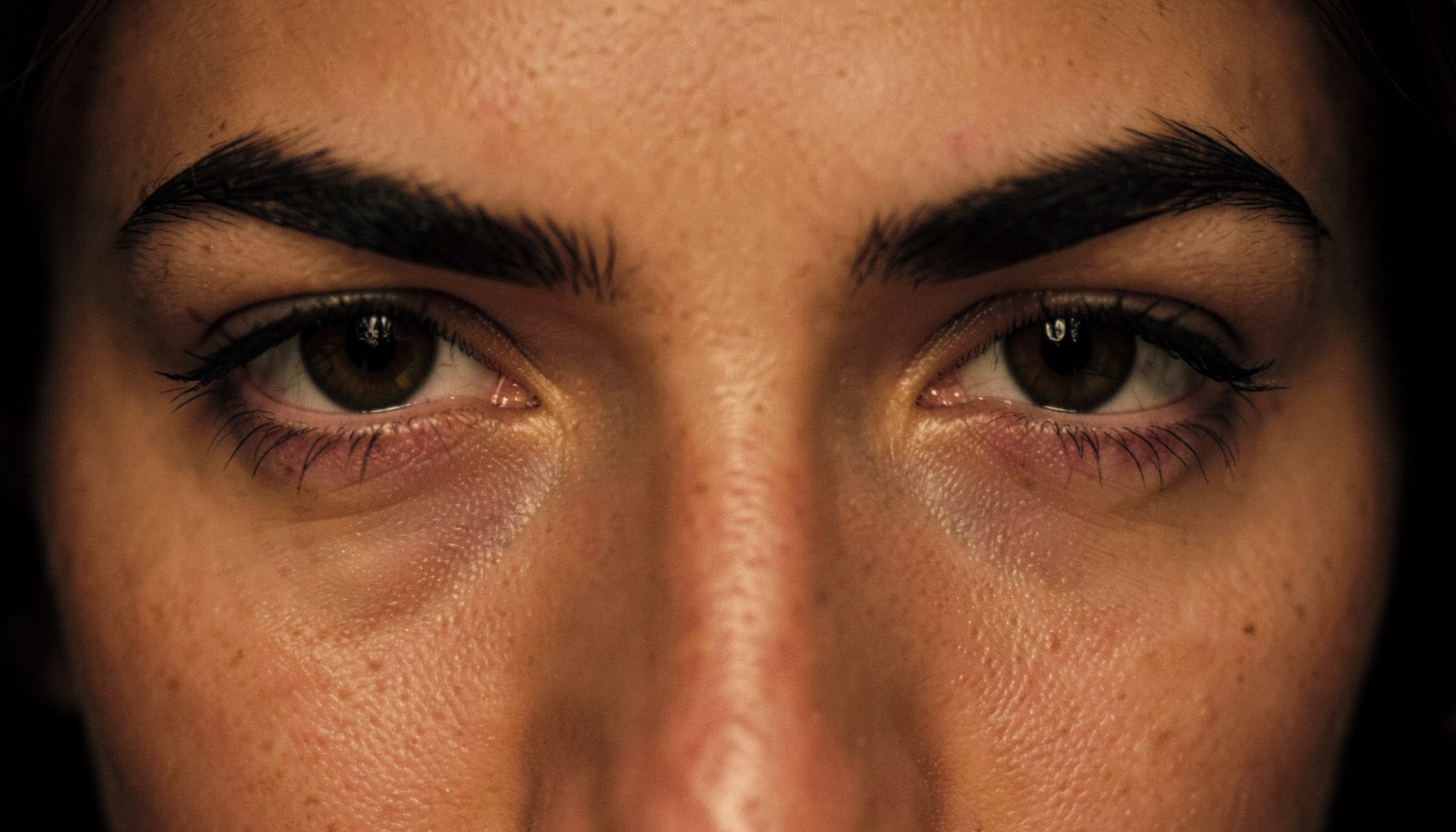
Eye Shape Guide
Understand your eye shape, master makeup techniques, and explore every treatment option — from Botox brow lifts to surgical solutions.
Explore the Site
Eyeshadow placement, blending techniques, and common mistakes to avoid for a more open, lifted look.
Explore →Winged liner, smudge prevention, and techniques that work with hooded lids to make eyes appear larger.
Explore →Non-surgical Botox brow lifts and surgical options including blepharoplasty, explained clearly.
Explore →Five false lash styles suited to hooded eyes, plus curler and mascara guidance for maximum lift.
Explore →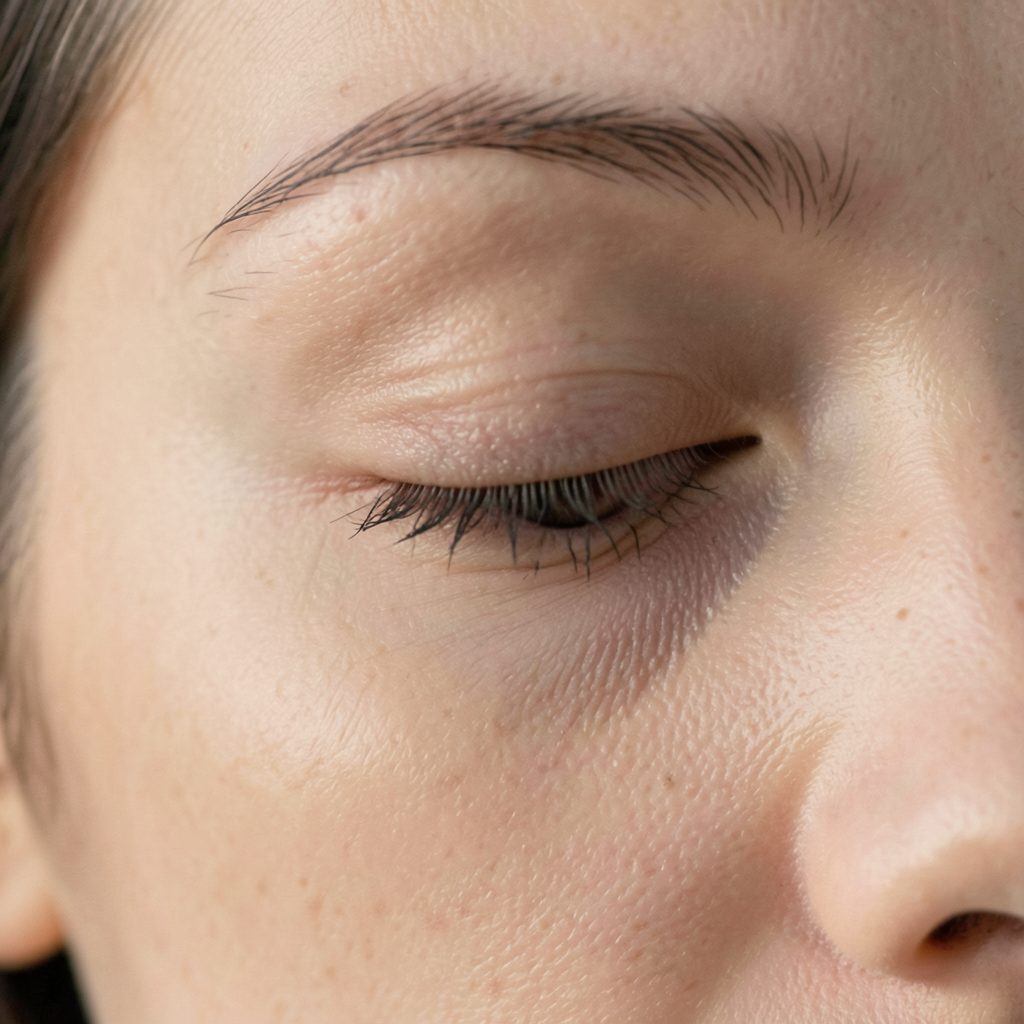
What Are Hooded Eyes?
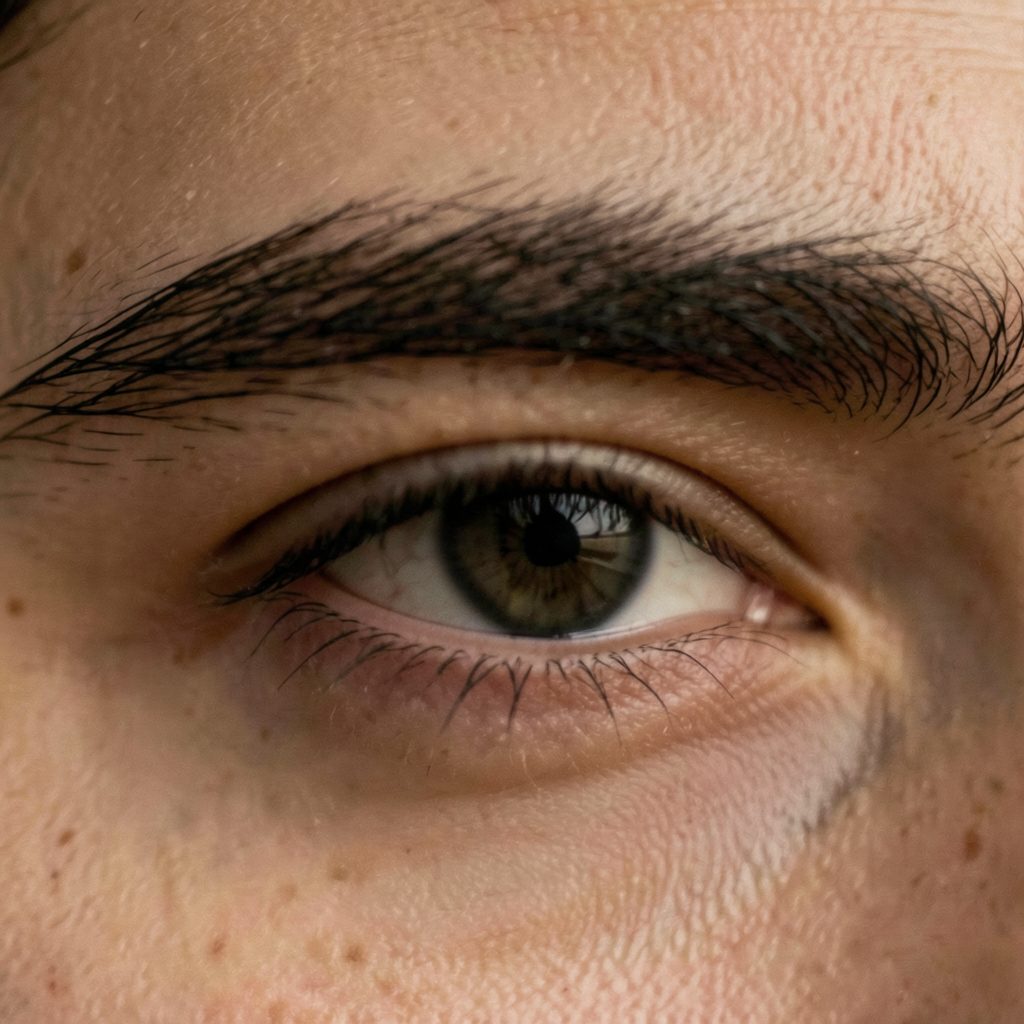
Hooded eyes are a natural eye shape where an excess piece of skin from the brow bone partially or completely covers the eyelid. The result can make eyes appear smaller or more tired than they feel.
This shape can be present from birth due to genetics, or it can develop over time. Known causes include aging, genetic traits, eye rubbing, body fatness, muscle structure, trauma, solar radiation, and sleep apnea.
A cat eye can look sharp, lifted and elegant on hooded eyes, but the technique needs to account for the fold of skin that partly covers the mobile lid. A wing that looks even with the eye closed may disappear when the eyes are open, while a thick line placed in the crease can transfer onto the brow bone within minutes.
The most reliable approach combines thin layers, strategic placement and products that set firmly. This guide explains how to create a smudge-resistant cat eye, from skin preparation and eyeshadow mapping to eyeliner, lashes and final touch-ups. The method suits everyday makeup, evening looks and the warmer conditions often experienced across Australia.
Hooded eyes have extra skin or a deeper crease that overlaps part or all of the eyelid. Some people have naturally hooded lids, while others notice more hooding as the brow area changes with age. The amount of visible lid space can also vary between the two eyes, so copying a symmetrical line from one side to the other may create an uneven result.
When the eyes are open, the fold can hide the outer corner of a conventional wing. If eyeliner is drawn only along the lash line, the line may appear to dip down or vanish into the crease. A successful cat eye usually needs a lifted outer flick that is mapped with the eyes open, followed by a small connection to the lash line.
Transfer is another common issue. Creamy pencils and slow-drying liquid liners can leave marks on the upper fold, particularly if the lid is oily or the weather is humid. In Brisbane or Darwin, heat and moisture can make this happen faster, while Melbourne’s changing conditions may call for different products from one day to the next.
Begin with clean, dry eyelids. Avoid rich eye cream directly on the lid immediately before makeup, as emollient products can prevent primer and liner from gripping. If you use skincare in the morning, allow it to absorb fully, then gently blot the lid with a tissue before applying makeup.
Press a thin layer of eyeshadow primer over the mobile lid and the area where the wing will sit. A small amount is enough; too much can crease. Set the primer with a sheer matte shadow close to your skin tone. This creates a smooth surface without adding a heavy layer that could make hooded eyes look smaller.
Keep concealer away from the upper fold unless you need coverage there. Creamy concealer can remain tacky and encourage eyeliner to move. For a long day at work, a wedding or an outdoor event, choose waterproof or water-resistant formulas available through Australian beauty retailers such as Mecca, Sephora Australia and selected Priceline stores.
Look straight ahead into a mirror with your face relaxed. Do not pull the outer corner towards the temple, because the skin will return to its natural position when released. Mark the intended wing slightly above the outer crease, where it remains visible while the eye is open.
Imagine a line extending from the outer corner towards the end of the brow, but keep the angle modest. A short, softly lifted flick is usually more flattering and easier to control than a long, dramatic point. For a wearable daytime style, aim towards the outer edge of the brow rather than the highest point.
Draw the outer shape with a fine eyeshadow brush and a little brown shadow first. This guide is easy to soften or remove with a cotton bud. Check both eyes from a distance, then adjust the height before using liquid or gel eyeliner. Mapping is especially useful when one eye is more hooded than the other.
Avoid forcing the wing into the natural crease. On hooded eyes, the crease may curve downward near the outer corner, which can pull the flick down with it. Instead, create a small “floating” section above the fold, then connect it to the outer lash line when your eye is open.
Apply a matte transition shade slightly above the natural crease, blending it towards the outer brow. This gives the eye definition that remains visible when the lid is open. Keep the deepest colour close to the lash line and outer corner rather than spreading dark shadow across the entire hood.
A satin or shimmer shade can brighten the inner lid, but reflective texture is best placed on the visible mobile lid rather than directly in the fold. The guide to matte and shimmer eyeshadow can help you choose finishes that add dimension without emphasising transfer-prone areas.
Use a small, tapered brush to deepen the outer third of the eye. Blend upwards and outwards, following the planned wing angle. Keep the upper edge controlled so the eyeshadow does not become a broad smoky shape that competes with the cat eye.
Before eyeliner, remove any loose powder or fallout beneath the eyes. A clean, dry surface helps the liner adhere and makes the finished flick look sharper. If you prefer applying complexion makeup first, place a small amount of translucent powder under the outer corner and brush it away once the eye makeup is complete.
Start with the wing rather than tracing the entire lash line. With the eye open, draw a short line from the outer corner towards the point you mapped. Then draw a second line from the tip back towards the upper lash line, forming a slim triangle. Fill it in with short strokes.
Keep the base of the wing narrow. A thick triangle can close off the outer corner, especially when the hood folds over it. If you want more intensity, add pigment gradually after the first layer has dried. Let liquid liner set for at least 20 to 30 seconds before blinking firmly or applying another layer.
For the lash line, work from the centre towards the outer corner with the smallest possible strokes. Press the eyeliner between the lashes rather than drawing a thick stripe above them. This creates definition while preserving visible lid space.
Gel liner applied with an angled brush offers excellent control, while a fine-tip waterproof pen is convenient for precision. Pencil can work for a softer cat eye, but choose a long-wearing formula and set it with matching eyeshadow. Avoid stretching the eyelid while drawing, as the line can buckle when the skin returns to its normal shape.
Once the liner is dry, press a tiny amount of matte black or dark brown eyeshadow over the outer wing. Use a flat, narrow brush and avoid sweeping motions that could blur the edge. This powder layer absorbs excess cream and helps reinforce the shape.
Mascara should be applied with attention to the upper lashes that touch the hood. Curl the lashes first, concentrating at the roots, then apply a tubing, waterproof or humidity-resistant mascara. Wait for the first coat to dry before adding another. Excess product on the tips can make lashes brush against the upper fold and leave marks.
If your eyelids become oily, carry cotton buds and a small amount of micellar water for precise corrections. Do not rub the fold repeatedly, as this spreads pigment. Instead, allow the mark to dry, lift it gently with a pointed cotton bud, then touch up the primer and liner in that area.
For summer events in Sydney, Perth or the Gold Coast, consider a setting spray formulated for long wear, but keep it away from the eyes and allow it to dry fully. Sunglasses, sunscreen and humidity can all affect eye makeup, so apply sunscreen around the orbital area without placing a greasy layer directly on the lid.
If your hood extends low over the outer corner, keep the wing short and slightly higher. A long flick may disappear under the fold or create a disconnected shape. If the outer corner turns down, lift the line from just beyond the corner rather than following the lower lash line.
For deep-set hooded eyes, use a thinner lash-line line and place the visible shadow a touch higher. For mature hooded eyes, flexible gel or satin textures may look smoother than very dry liquid products. Avoid dragging the liner across loose skin; small, close-set strokes produce a cleaner result.
Colour can change the effect. Deep brown, charcoal and bronze create a softer everyday wing, while black gives maximum contrast. Navy, forest green and burgundy are useful alternatives for Australian evenings when you want definition without the severity of solid black.
If you wear contact lenses or have sensitive eyes, choose ophthalmologist-tested products and replace old liquid liner regularly. Stop using any product that causes stinging, persistent watering or redness. Makeup should sit on the lid comfortably rather than requiring repeated rubbing or adjustment.
A successful cat eye depends as much on restraint as on precision. Use thin layers, allow each formula to set and check the shape with your eyes open. These practical habits help the wing stay lifted and visible:
Practise the shape when you have time to remove and redraw it. Take a quick photograph with your eyes open, because a wing that looks balanced in a close mirror may appear different in normal lighting. Natural daylight near a window can reveal gaps, transfer and mismatched angles more accurately than a bright bathroom light.
Cosmetic procedures are not required to create this look, but people considering options for upper-lid hooding should research carefully. If surgery is part of your longer-term planning, read about blepharoplasty preparation and speak with a qualified Australian medical practitioner about suitability, recovery and risks.
A polished cat eye on hooded eyes comes from designing around the fold instead of fighting it. Start with a small wing, keep the visible lid uncluttered and build intensity only after the shape has stayed in place. With a few practice sessions, the technique becomes quicker and far less prone to smudging.
Save the steps that suit your eye shape, test your products in the climate where you live and practise both eyes with a relaxed, open gaze. A controlled flick, set carefully at the outer corner, can give hooded eyes lift and definition while keeping the finish comfortable throughout the day.
Surgical Option
For those seeking a more lasting result, plastic surgery — including blepharoplasty — is covered as a treatment option for hooded eyes. Surgery addresses the excess skin directly and is considered an alternative to non-surgical approaches like Botox.
The site's surgery guide explains the procedure, what to expect, and how it compares to non-surgical routes, helping readers make informed decisions about their options.
Read the Surgery Guide →Famous Faces
Hooded eyes can enhance facial expressions and contribute to a distinctive, memorable look. These ten well-known figures all share the eye shape.
Jennifer Aniston
Leonardo DiCaprio
Solange Knowles
Taylor Swift
Michelle Williams
Robert Pattinson
Blake Lively
Selena Gomez
Gigi Hadid
Benicio del Toro
Side by Side
False Lash Guide
Varied length spikes create texture and the illusion of depth without weighing down the lid.
Longer outer-corner lashes draw the eye outward and upward, counteracting the hood effect.
A uniform, moderate length that adds definition without overwhelming a hooded lid.
Applied only to the outer half, these open up the eye shape and are easier to manage on hooded lids.
A strong upward curl (D or L curl) lifts lashes away from the hood, keeping them visible throughout the day.
The guide also covers lash curlers, mascara recommendations, and step-by-step instructions for fixing false lashes on hooded eyelids.
Full Lash Guide →Get in Touch
Whether you are just beginning your makeup journey or have been experimenting with different looks for years, we are glad you are here.
General Feedback
Share your thoughts on the site or suggest topics you'd like covered.
Looking for a Specific Tip?
Ask about a particular technique or eye-shape challenge.
Product Questions
Questions about products mentioned across the site.
Human Resources or Business Inquiries
Partnership, collaboration, or business-related correspondence.