01
Makeup Tips
Eyeshadow placement, blending techniques, and common mistakes to avoid for a more open, lifted look.
Explore →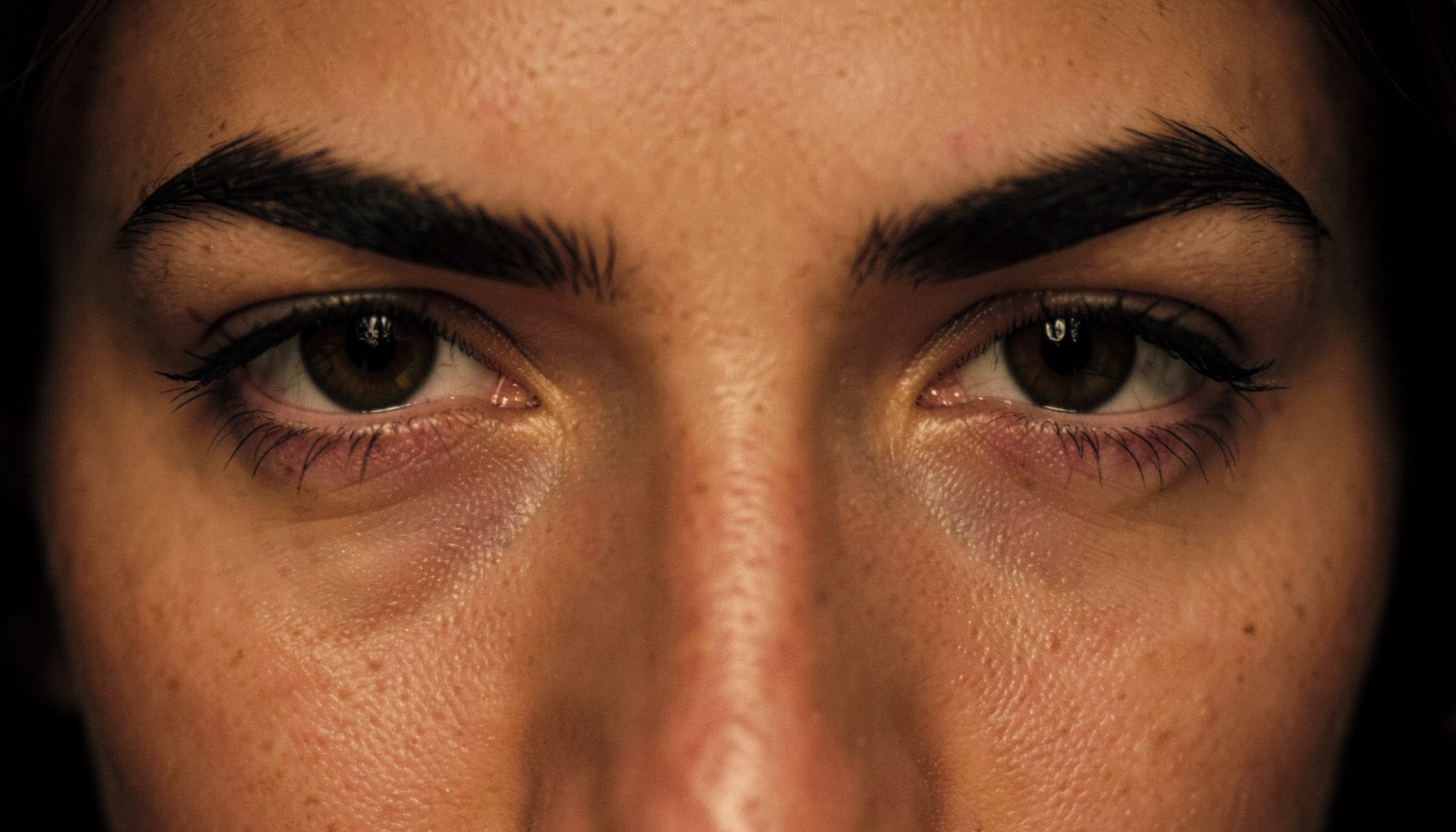
Eye Shape Guide
Understand your eye shape, master makeup techniques, and explore every treatment option — from Botox brow lifts to surgical solutions.
Explore the Site
Eyeshadow placement, blending techniques, and common mistakes to avoid for a more open, lifted look.
Explore →Winged liner, smudge prevention, and techniques that work with hooded lids to make eyes appear larger.
Explore →Non-surgical Botox brow lifts and surgical options including blepharoplasty, explained clearly.
Explore →Five false lash styles suited to hooded eyes, plus curler and mascara guidance for maximum lift.
Explore →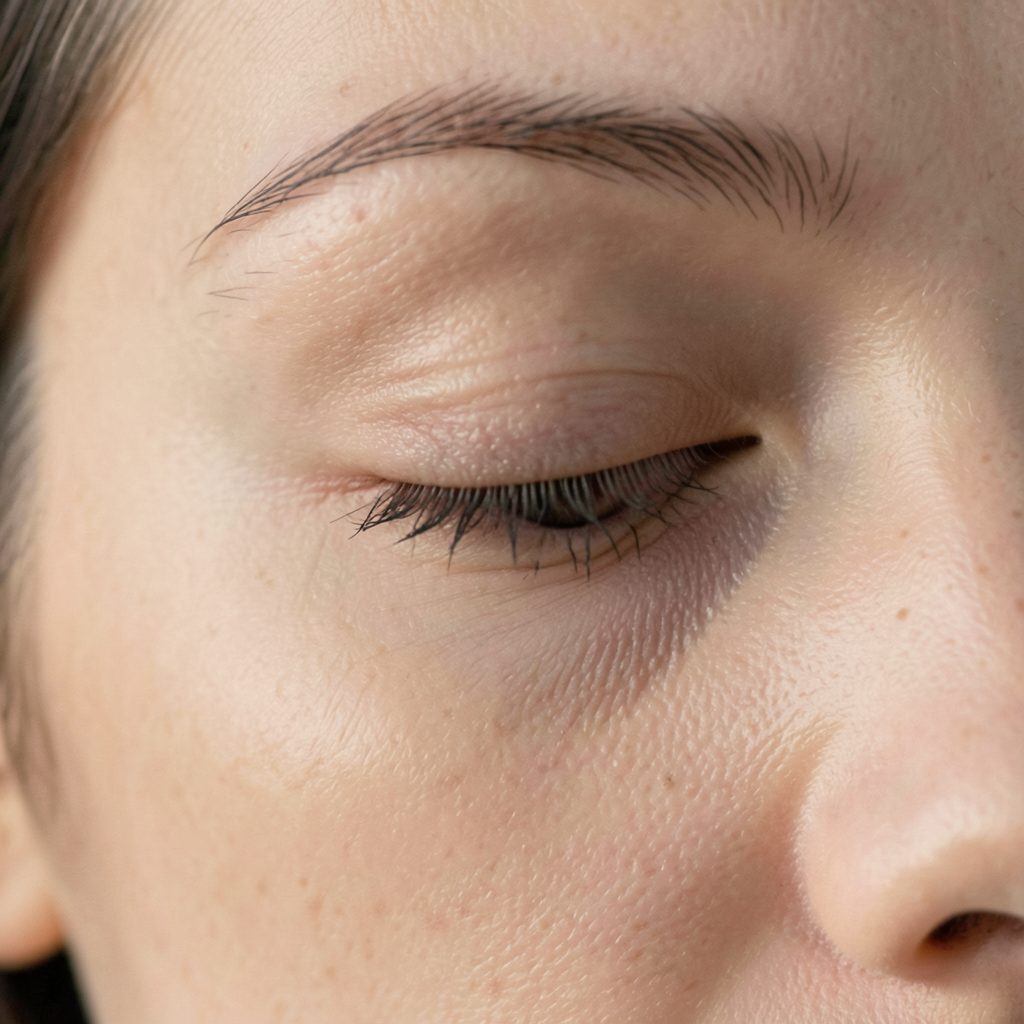
What Are Hooded Eyes?
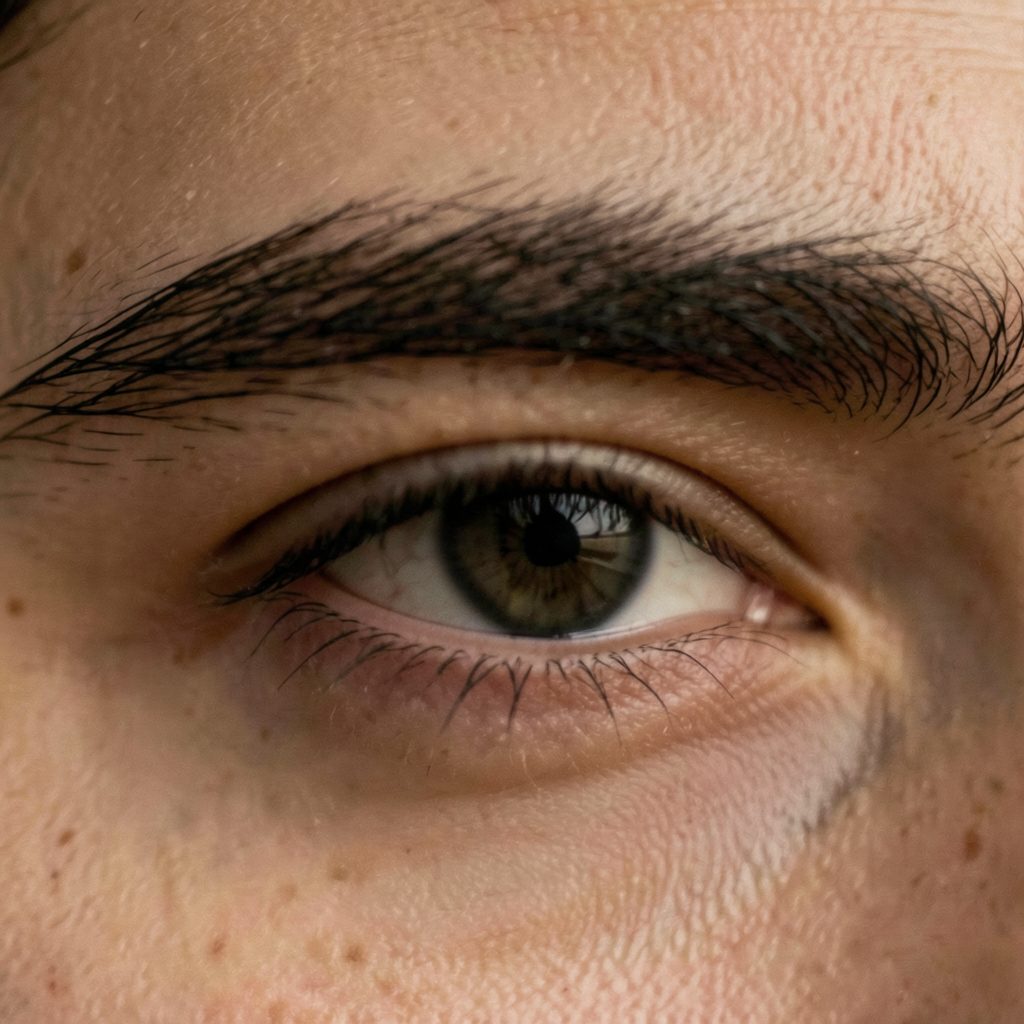
Hooded eyes are a natural eye shape where an excess piece of skin from the brow bone partially or completely covers the eyelid. The result can make eyes appear smaller or more tired than they feel.
This shape can be present from birth due to genetics, or it can develop over time. Known causes include aging, genetic traits, eye rubbing, body fatness, muscle structure, trauma, solar radiation, and sleep apnea.
Hooded eyes have a fold of skin that partially covers the mobile eyelid, so the visible lid space can look smaller when the eyes are open. This shape may be natural, linked with ageing, or more noticeable on one side than the other. The most flattering eyeshadow finish depends less on strict rules than on where light and depth are placed.
Matte shadow usually creates definition without adding visual bulk, while shimmer can bring brightness to carefully selected areas. For many people with hooded eyelids, the best result comes from combining both: matte shades to build structure above the crease and a restrained satin or shimmer accent where it will remain visible.
| Finish | Most useful placement | Visual effect | Common issue |
|---|---|---|---|
| Matte | Crease, outer corner, brow transition | Adds depth and definition | Can look flat if used alone |
| Satin | Inner lid, centre lid, soft highlight | Gives gentle brightness | May crease if applied heavily |
| Fine shimmer | Small centre or inner-lid area | Reflects light and opens the eyes | Can transfer onto the hood |
| Glitter | Occasional accent over a primer | Strong sparkle and dimension | Often emphasises texture and fallout |
The fold above a hooded eye can hide much of the eyeshadow applied directly to the lid. If colour is placed only in the natural crease, it may disappear when the eyes are open. A useful technique is to look straight ahead, keep the eyes relaxed, and softly extend the transition shade slightly above the fold. This creates a visible contour without drawing an artificial line too far towards the brow.
Before choosing finishes, check that the eye shape is genuinely hooded rather than a monolid, deep-set eye, or a combination of features. This eye-shape guide can help clarify what you are seeing. Shape identification matters because a placement technique designed for a fold may not suit an eyelid with little or no crease.
Asymmetry is also common. One eyelid may have a heavier fold, a lower brow, or more visible skin than the other. Australian daylight, overhead office lighting and front-facing phone cameras can make the difference appear stronger, so matching every brushstroke perfectly is rarely necessary. Use each eye’s visible space as the guide rather than forcing identical placement.
Matte eyeshadow absorbs light, making it useful for creating a recessed appearance above the hood. A medium taupe, muted brown, soft plum or neutral grey can be blended from the outer corner through the transition area. Keeping the deepest colour close to the lashes and outer V prevents the eye from looking weighed down.
For daytime makeup, a matte base is practical in warm Australian conditions. Humidity in Brisbane and coastal New South Wales can encourage creasing, while a matte powder over an appropriate eye primer may stay visually tidy for longer than a creamy metallic formula. In Melbourne, changing weather and indoor heating or cooling can also affect how a shadow feels across the day.
Matte does not have to mean dull. Layering two or three related shades creates dimension, especially when the brow area is kept soft and the inner corner remains lighter. A satin highlight or a touch of fine shimmer can then be added without competing with the structure underneath.
Shimmer is most effective when it catches light in a controlled area. Pressing a small amount onto the centre of the visible lid can make the eye look brighter, while a pale satin shade in the inner corner can create openness. Choose finely milled formulas rather than chunky glitter, which may settle into lines or transfer to the upper fold.
The placement should be checked with the eyes open. If the shimmer vanishes completely, move it slightly higher or narrow the application so the reflective area sits within the visible lid. If it touches the hood and transfers, use less product, apply an eyeshadow primer, or switch to a satin finish with smaller particles.
Texture also matters for mature or crepey eyelids. A smooth matte can sometimes emphasise dryness when heavily powdered, while a dense metallic can highlight fine lines. A thin layer of satin, applied by fingertip or a flat brush, often gives a softer result than repeated sweeping.
Eyeliner should support the shadow rather than cover the remaining lid space. A slim line, softly lifted outer edge and carefully curled lashes can work better than a thick black band. These hooded-eye eyeliner tips explain why keeping the line visible with open eyes is especially important.
Australian beauty counters offer plenty of finishes, from supermarket palettes to products stocked by Mecca, Sephora Australia and Chemist Warehouse. Comparing textures in person can be useful because a shade labelled “shimmer” may be a subtle satin in one range and a high-impact metallic in another. Online swatches can also appear more reflective under studio lighting than they look in ordinary daylight.
For an office in Sydney, a school-run morning in Adelaide or a casual lunch in Perth, a restrained combination is usually versatile. Apply the matte transition shade first, deepen the outer corner, then add brightness only where the eye remains visible. Remove makeup thoroughly at night, especially after long days in heat, sunscreen and air-conditioning.
Useful combinations include:
A setting spray may help the overall makeup last, but it cannot replace good preparation. Start with clean, dry skin, use a small amount of eye primer, and allow creamy products to settle before adding powder. In tropical areas, waterproof mascara and a thin, quick-drying eyeliner can be more reliable than thick layers of eyeshadow.
For an evening event, shimmer can be increased gradually rather than spread over the entire lid. Place the brightest shade at the centre, keep the crease matte, and blend the border so the eye still has depth. A damp brush may intensify a pressed shimmer, but test the method first because it can make some formulas patchy or difficult to remove.
False lashes can further affect the balance. A shorter, lifted style or individual outer-corner lashes may open hooded eyes without hiding the shadow. Very dense bands can cast a shadow over the lid and make a reflective look less visible. Mascara should be concentrated at the roots, with excess product removed from the tips to avoid a heavy appearance.
If hooding has become more prominent with age, cosmetic options may be discussed with a qualified practitioner. A brow lift using prescription-only botulinum toxin may subtly change brow position, but outcomes vary and temporary effects, asymmetry or eyelid drooping are possible. Cosmetic injectables and advertising in Australia are regulated, and treatment should be provided by an appropriately registered health practitioner under current Australian requirements.
Blepharoplasty removes or reshapes excess eyelid skin and sometimes fat. It is a surgical procedure, not a makeup shortcut, and requires assessment of eyelid function, dry-eye symptoms, healing and expectations. Risks can include bruising, swelling, infection, scarring, changes in eyelid position and the need for further treatment. Any consultation should cover preparation, medicines, smoking, sun exposure and aftercare.
Consider these finish choices when building a personalised look:
Cameras flatten dimension and can exaggerate unevenness between the eyelids. A strong flash may turn shimmer into a bright patch, while warm indoor bulbs can make neutral matte shades look orange. Take test photographs with the eyes open, relaxed and looking directly ahead, then adjust the visible placement rather than relying on the appearance of the closed eye.
Phone lenses also change proportions at close range. The eye nearest the camera may look larger, and a raised brow can make one hood seem lighter. This discussion of asymmetry in photos is useful when a makeup look seems balanced in person but uneven on screen.
For photography, a satin or fine shimmer on the centre lid often gives enough reflection to prevent the eyes looking flat. Keep the transition matte and blend beyond the outer corner with a soft, lifted shape. Avoid placing sparkle too high on the hood, where flash can emphasise texture and make the eyes appear more closed.
A reliable routine is to begin with matte definition, open the eyes to check visibility, and then apply the smallest amount of shimmer that achieves the desired brightness. This approach works across many hooded-eye variations and can be adjusted for climate, skin texture, occasion and personal style.
Start with a matte neutral palette, add one finely milled satin shade, and practise the placement in natural Australian daylight before relying on it for an event. Save a photograph of the version that looks balanced with your eyes open, then refine the colours and intensity as your confidence grows.
Surgical Option
For those seeking a more lasting result, plastic surgery — including blepharoplasty — is covered as a treatment option for hooded eyes. Surgery addresses the excess skin directly and is considered an alternative to non-surgical approaches like Botox.
The site's surgery guide explains the procedure, what to expect, and how it compares to non-surgical routes, helping readers make informed decisions about their options.
Read the Surgery Guide →Famous Faces
Hooded eyes can enhance facial expressions and contribute to a distinctive, memorable look. These ten well-known figures all share the eye shape.
Jennifer Aniston
Leonardo DiCaprio
Solange Knowles
Taylor Swift
Michelle Williams
Robert Pattinson
Blake Lively
Selena Gomez
Gigi Hadid
Benicio del Toro
Side by Side
False Lash Guide
Varied length spikes create texture and the illusion of depth without weighing down the lid.
Longer outer-corner lashes draw the eye outward and upward, counteracting the hood effect.
A uniform, moderate length that adds definition without overwhelming a hooded lid.
Applied only to the outer half, these open up the eye shape and are easier to manage on hooded lids.
A strong upward curl (D or L curl) lifts lashes away from the hood, keeping them visible throughout the day.
The guide also covers lash curlers, mascara recommendations, and step-by-step instructions for fixing false lashes on hooded eyelids.
Full Lash Guide →Get in Touch
Whether you are just beginning your makeup journey or have been experimenting with different looks for years, we are glad you are here.
General Feedback
Share your thoughts on the site or suggest topics you'd like covered.
Looking for a Specific Tip?
Ask about a particular technique or eye-shape challenge.
Product Questions
Questions about products mentioned across the site.
Human Resources or Business Inquiries
Partnership, collaboration, or business-related correspondence.