01
Makeup Tips
Eyeshadow placement, blending techniques, and common mistakes to avoid for a more open, lifted look.
Explore →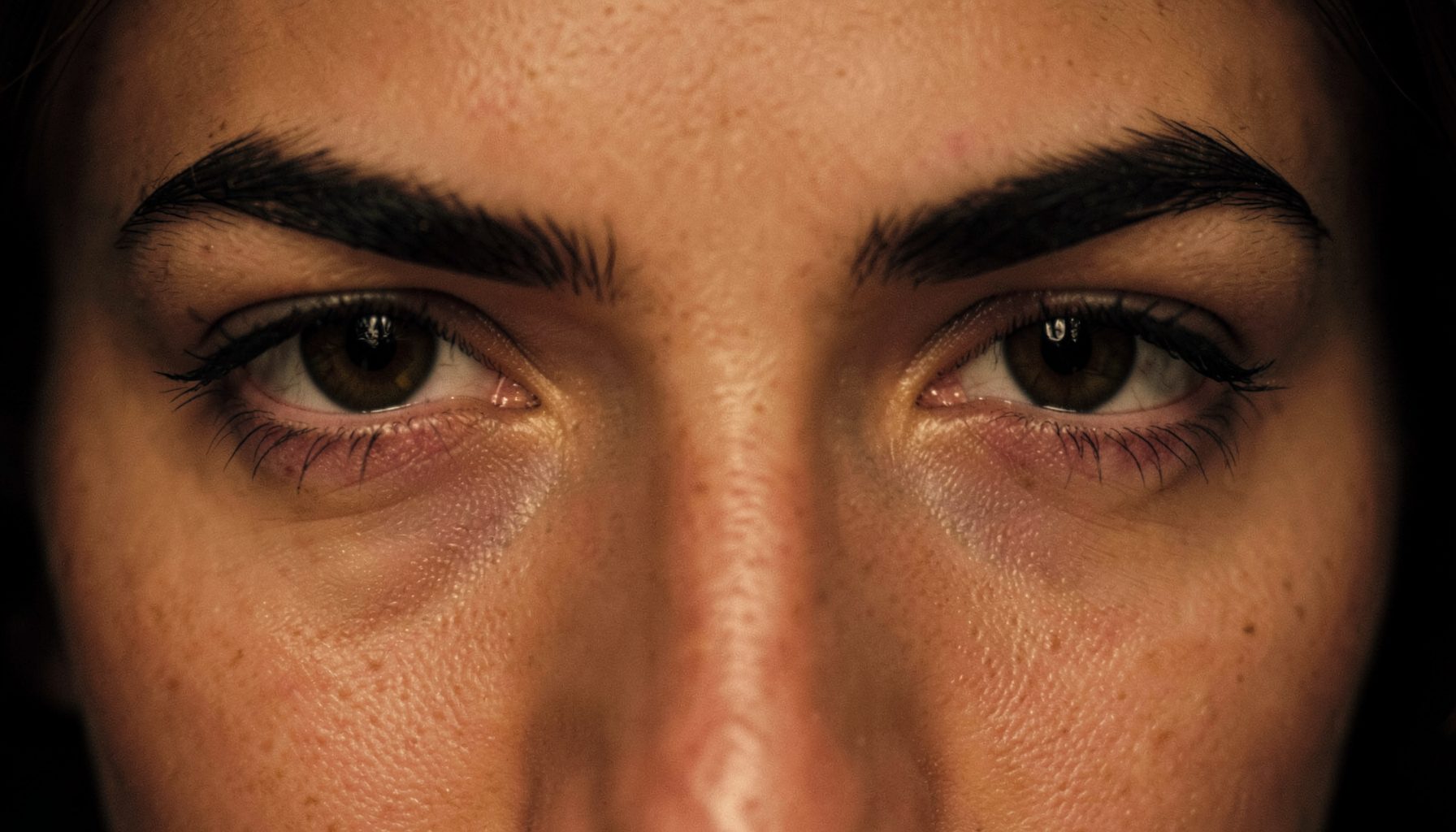
Eye Shape Guide
Understand your eye shape, master makeup techniques, and explore every treatment option — from Botox brow lifts to surgical solutions.
Explore the Site
Eyeshadow placement, blending techniques, and common mistakes to avoid for a more open, lifted look.
Explore →Winged liner, smudge prevention, and techniques that work with hooded lids to make eyes appear larger.
Explore →Non-surgical Botox brow lifts and surgical options including blepharoplasty, explained clearly.
Explore →Five false lash styles suited to hooded eyes, plus curler and mascara guidance for maximum lift.
Explore →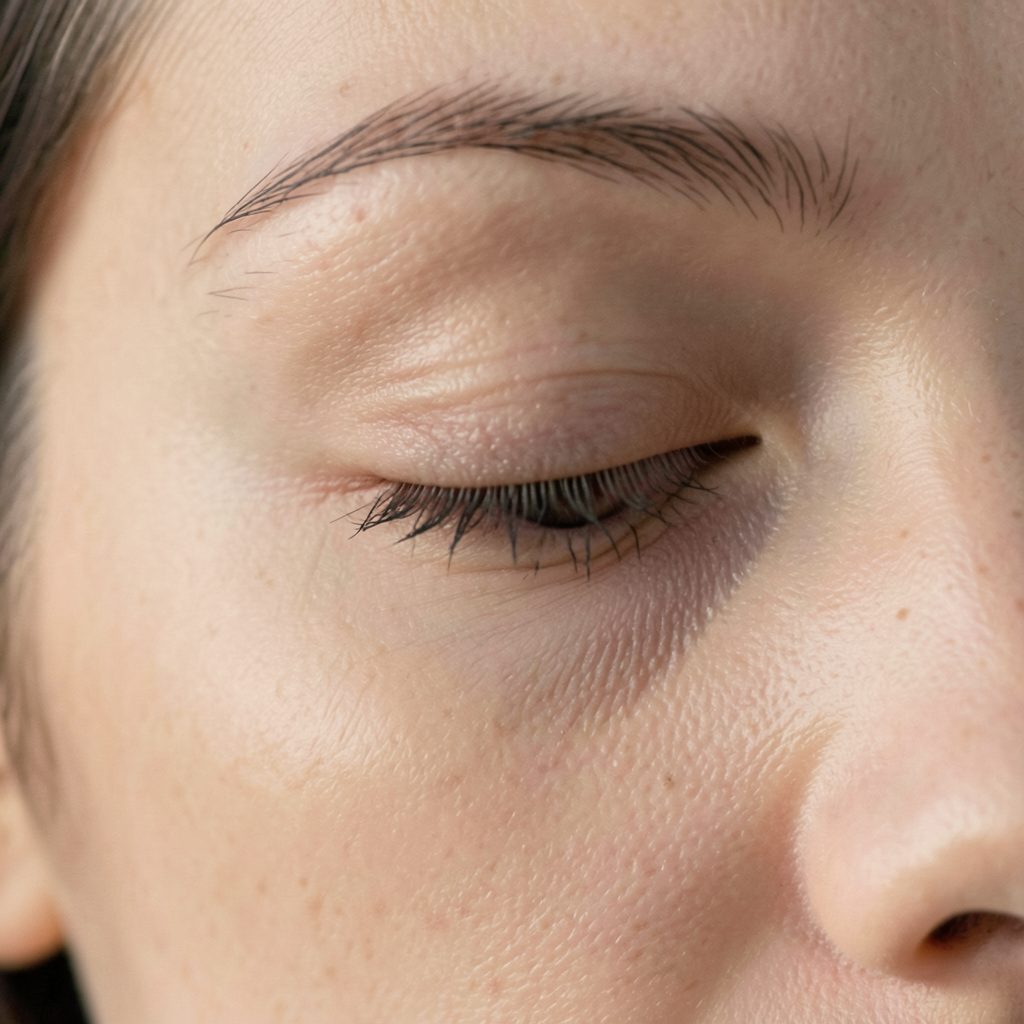
What Are Hooded Eyes?
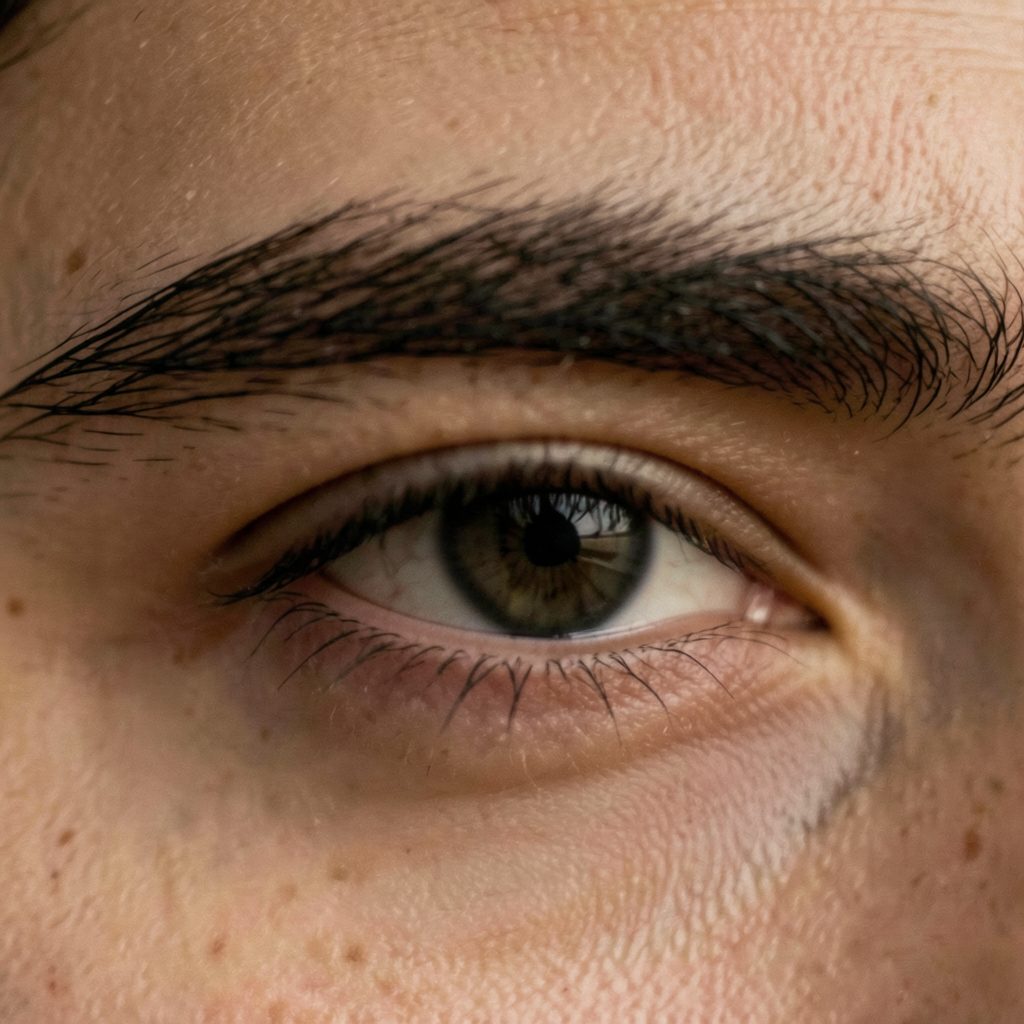
Hooded eyes are a natural eye shape where an excess piece of skin from the brow bone partially or completely covers the eyelid. The result can make eyes appear smaller or more tired than they feel.
This shape can be present from birth due to genetics, or it can develop over time. Known causes include aging, genetic traits, eye rubbing, body fatness, muscle structure, trauma, solar radiation, and sleep apnea.
Hooded eyes have a fold of skin that sits over part or all of the mobile eyelid. The shape may be genetic, or it may become more noticeable with changes in skin elasticity, brow position and facial volume. After 50, the aim of eye makeup is usually to add definition without making the eyes look heavy, dry or overly drawn.
A soft, natural finish works particularly well because it follows the face rather than competing with it. Sheer shadows, a lifted lash line and carefully placed colour can make the eyes appear more open while allowing mature skin to retain its texture. The most flattering result is often subtle in daylight but still visible in photographs.
Australian conditions also affect how makeup wears. Strong UV exposure in cities such as Perth, Brisbane and Sydney makes daily sunscreen and sunglasses important, while humidity can cause concealer and eyeliner to settle into the hood. Melbourne’s cooler, changeable weather may call for richer skin preparation, and air conditioning can leave eyelids feeling dry.
The best approach is adaptable rather than rigid. A woman with a deep-set hood may need a different crease placement from someone with a low brow or a heavier upper lid. Start with thin layers, check the makeup with your eyes open and adjust the intensity where it can actually be seen.
Begin with a light, fragrance-free moisturiser around the orbital area, keeping rich creams away from the lash roots. Give skincare several minutes to absorb before applying makeup. If the eyelids become oily during the day, press a small amount of translucent setting powder over the fold instead of covering the entire lid with a thick primer.
Sun protection is part of a practical Australian makeup routine. Apply a broad-spectrum facial sunscreen according to its label, then allow it to settle before foundation. Avoid placing sunscreen directly into the eyes, and choose formulas that do not sting or make the lids watery. A hat is especially useful during long walks, gardening or outdoor sport, when makeup alone cannot address UV exposure.
Choose a flexible, satin or natural-matte base rather than a very dry full-coverage foundation. Heavy products can emphasise fine lines and transfer onto the hood. Use a small amount of concealer only where darkness or redness needs correction, blending the edges so the eye area remains fresh.
For hooded eyes, apply transition colour slightly above the natural crease, following the eye socket while looking straight ahead. This creates visible depth when the eye is open. Keep the shade soft—taupe, warm beige, muted rose, soft cocoa and gentle olive are versatile options for mature complexions.
Use a lighter satin shade on the centre of the visible lid or inner corner, rather than covering the whole lid with glitter. A matte or softly luminous colour under the brow’s highest point can create lift, but avoid a stark white highlight. Deep colour belongs close to the lashes and outer corner, where it gives structure without forming a dark block across the hood.
Blend upwards and outwards, not down into the crease. The outer corner can be shaped into a short, softly raised angle that follows the lower lash line. This makes a natural eye makeup look feel polished while preserving the eye’s real proportions.
If the fold is particularly low, keep most of the colour below the brow and use a small amount above the crease only for transition. Looking straight into a mirror during application is more reliable than applying everything with the eye closed.
A thick line across the upper lid can disappear under a hood and make the eye look smaller. Instead, press a dark brown, charcoal or soft black pencil between the upper lashes. Start with a fine line from the outer third and build gradually. Brown often looks gentler than black on mature skin, especially for daytime makeup.
A tiny lifted flick can work, but it should follow the natural direction of the outer lashes rather than extend horizontally. Gel or waterproof pencil may last better in Australian humidity, although waterproof products should be removed gently to reduce rubbing. If eyeliner transfers, set it with a matching shadow or use a long-wearing formula on the outer half only.
Curling the lashes helps reveal the lid without requiring a dramatic false-lash effect. A practical guide to eyelash curlers for hooded eyes can help with choosing a shape that reaches the lash base safely. Curl before mascara, using gentle pulses rather than clamping hard at one point.
Mascara should focus on lifting and separating. Apply a thin coat to the upper lashes, concentrating at the roots, then comb away clumps. If the lashes touch the hood, choose a tubing or smudge-resistant formula and keep the ends light. Lower-lash mascara can be limited to the outer third for a balanced, open effect.
Mature eyes can be more sensitive, and watery eyes quickly disturb carefully placed makeup. Replace eye products according to the manufacturer’s guidance, avoid sharing them and stop using anything that causes burning, swelling or persistent redness. Products labelled ophthalmologist-tested may be useful for sensitive eyes, but no label guarantees that a particular formula will suit everyone.
Lash growth products deserve particular care. Latisse, or bimatoprost, is a prescription treatment and can cause side effects such as irritation, eyelid darkening or changes around the eye. It does not usually make the hood itself larger, but heavier or longer lashes may alter the visual balance of a hooded lid. Read about lash growth and lid weight before considering any treatment, and discuss it with an appropriately qualified health professional.
The Australian market includes department-store cosmetics, pharmacy brands, independent beauty retailers and professional ranges. A higher price does not guarantee better wear, so test a product in small amounts and assess it over several hours. In Australia, cosmetic and therapeutic claims can be subject to different regulatory requirements, while prescription medicines are regulated through the Therapeutic Goods Administration. A pharmacist, optometrist or doctor can help distinguish a cosmetic concern from an eye-health issue.
For a daytime look, a cream-to-powder shadow may be convenient, but very emollient formulas can crease on a warm, hooded lid. Powder shadows are often easier to control. Keep blotting papers, cotton buds and a small mirror in a handbag for humid commutes, long lunches or events where air conditioning changes the skin’s finish.
Brow shape strongly influences hooded eyes. A very dark, sharply arched brow can make the upper face look tense, while softly filled brows create space around the eyes. Use short pencil strokes or a tinted gel, keeping the front lighter than the tail. Avoid extending the tail too far down, as this can pull the eye area visually downward.
If loose upper-lid skin affects peripheral vision or causes persistent discomfort, makeup is not the only possible discussion. A brow lift or blepharoplasty may be considered by some people, but these are medical decisions rather than beauty shortcuts. In Australia, cosmetic practitioners should be registered with the Australian Health Practitioner Regulation Agency where applicable, and patients should receive clear information about benefits, risks, alternatives, fees and aftercare before consenting.
A Botox brow lift may subtly alter brow position, although results vary and asymmetry, bruising, headache or an unwanted change in expression are possible. Blepharoplasty involves surgery and has risks including swelling, infection, scarring, dry eye and changes in eyelid position. Seek an assessment from a suitably qualified practitioner, especially if vision, dry eye or previous eyelid surgery is involved.
The following guide helps match a low-key look to the effect you want:
| Desired effect | Shadow approach | Liner and lashes | Finish |
|---|---|---|---|
| Brighter daytime eyes | Beige or soft rose on the lid, taupe above the crease | Brown tightline and lifted mascara | Natural satin |
| Softer definition | Cocoa at the outer corner, muted bronze on the centre | Short outer flick and separated lashes | Warm and polished |
| More visible lid space | Light matte lid shade with a slightly deeper socket shade | Fine upper-lash line only | Clean matte |
| Evening softness | Deep plum, charcoal or espresso close to the lashes | Curled lashes with a second light mascara coat | Low-shimmer |
| Fresh, minimal makeup | Sheer cream shadow and softly groomed brows | Mascara focused at the roots | Skin-like |
Keep the whole face in balance. A peach, apricot or rose blush placed slightly high on the cheek can echo the eye colour without creating a heavy contour. Lip colour in soft rose, terracotta or pink-beige brings definition to the face while keeping the eyes as the focal point.
A successful look should remain comfortable through ordinary movement: smiling, looking down, wearing glasses and spending time outdoors. Photograph the makeup with the eyes open, because a style that looks dramatic with closed lids may disappear or become too dark when the hood settles naturally.
Build your routine around a few dependable products, a gentle hand and regular checks in daylight. With the right placement, hooded eyes over 50 can look defined, lifted and expressive while still appearing like your own features. Try the techniques one at a time, refine the shades to suit your skin and make eye comfort the standard for every finished look.
Surgical Option
For those seeking a more lasting result, plastic surgery — including blepharoplasty — is covered as a treatment option for hooded eyes. Surgery addresses the excess skin directly and is considered an alternative to non-surgical approaches like Botox.
The site's surgery guide explains the procedure, what to expect, and how it compares to non-surgical routes, helping readers make informed decisions about their options.
Read the Surgery Guide →Famous Faces
Hooded eyes can enhance facial expressions and contribute to a distinctive, memorable look. These ten well-known figures all share the eye shape.
Jennifer Aniston
Leonardo DiCaprio
Solange Knowles
Taylor Swift
Michelle Williams
Robert Pattinson
Blake Lively
Selena Gomez
Gigi Hadid
Benicio del Toro
Side by Side
False Lash Guide
Varied length spikes create texture and the illusion of depth without weighing down the lid.
Longer outer-corner lashes draw the eye outward and upward, counteracting the hood effect.
A uniform, moderate length that adds definition without overwhelming a hooded lid.
Applied only to the outer half, these open up the eye shape and are easier to manage on hooded lids.
A strong upward curl (D or L curl) lifts lashes away from the hood, keeping them visible throughout the day.
The guide also covers lash curlers, mascara recommendations, and step-by-step instructions for fixing false lashes on hooded eyelids.
Full Lash Guide →Get in Touch
Whether you are just beginning your makeup journey or have been experimenting with different looks for years, we are glad you are here.
General Feedback
Share your thoughts on the site or suggest topics you'd like covered.
Looking for a Specific Tip?
Ask about a particular technique or eye-shape challenge.
Product Questions
Questions about products mentioned across the site.
Human Resources or Business Inquiries
Partnership, collaboration, or business-related correspondence.