01
Makeup Tips
Eyeshadow placement, blending techniques, and common mistakes to avoid for a more open, lifted look.
Explore →
Eye Shape Guide
Understand your eye shape, master makeup techniques, and explore every treatment option — from Botox brow lifts to surgical solutions.
Explore the Site
Eyeshadow placement, blending techniques, and common mistakes to avoid for a more open, lifted look.
Explore →Winged liner, smudge prevention, and techniques that work with hooded lids to make eyes appear larger.
Explore →Non-surgical Botox brow lifts and surgical options including blepharoplasty, explained clearly.
Explore →Five false lash styles suited to hooded eyes, plus curler and mascara guidance for maximum lift.
Explore →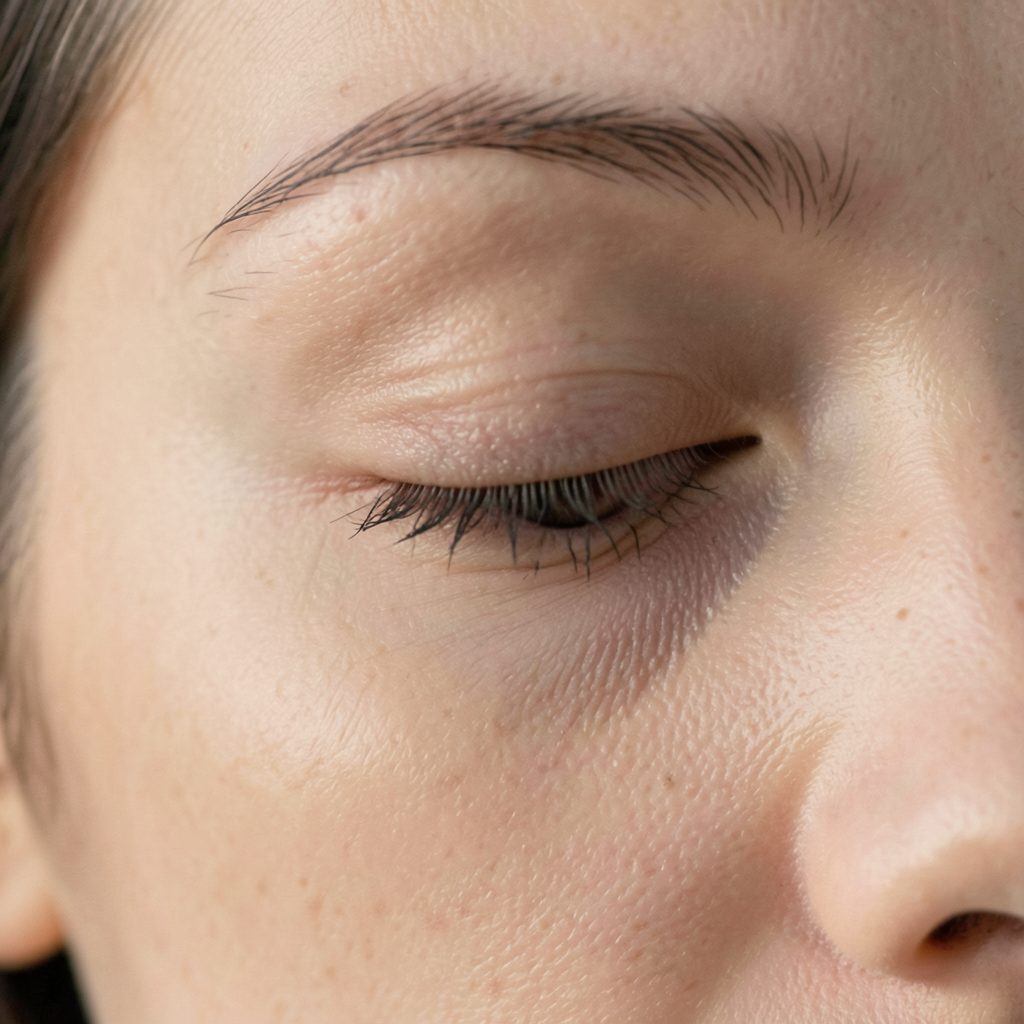
What Are Hooded Eyes?
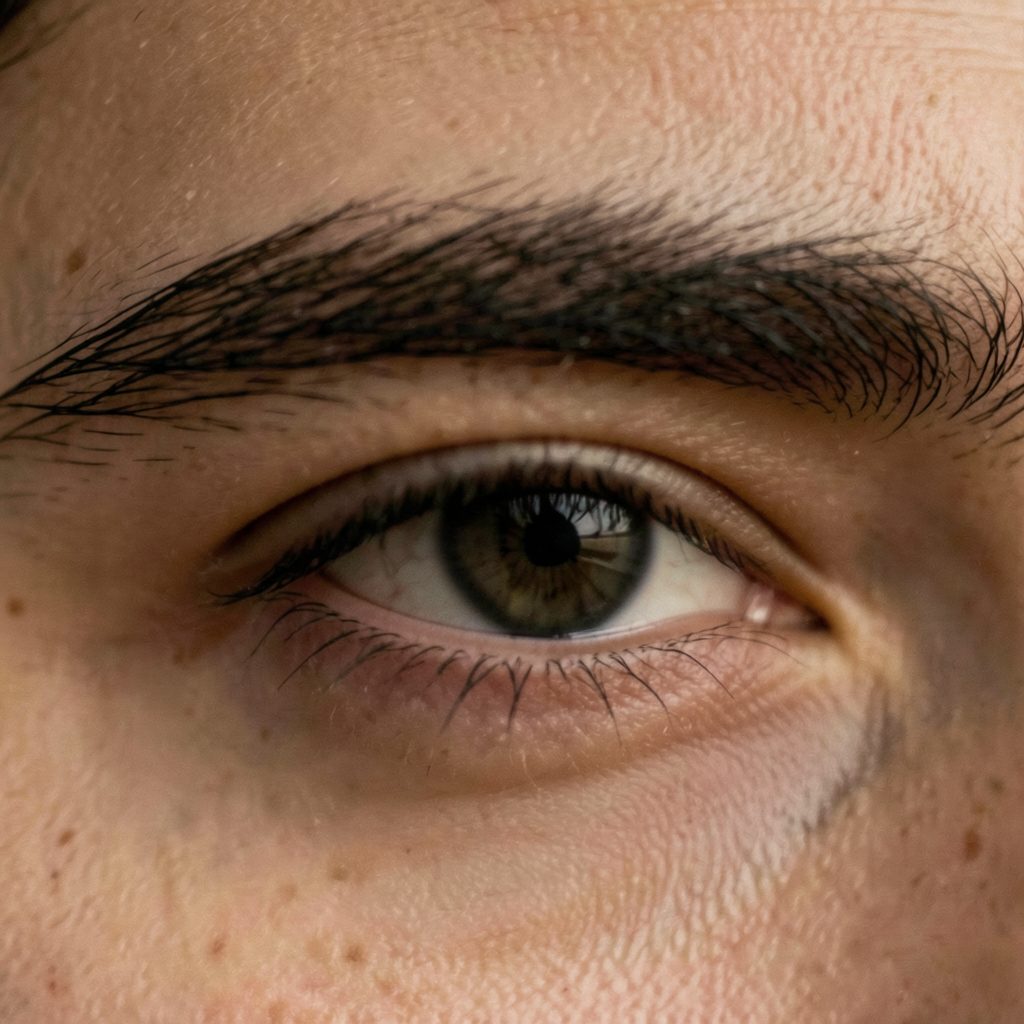
Hooded eyes are a natural eye shape where an excess piece of skin from the brow bone partially or completely covers the eyelid. The result can make eyes appear smaller or more tired than they feel.
This shape can be present from birth due to genetics, or it can develop over time. Known causes include aging, genetic traits, eye rubbing, body fatness, muscle structure, trauma, solar radiation, and sleep apnea.
Hooded eyes have a distinctive shape where the brow bone sits close to the lash line, often folding skin over the mobile lid. Many people with this feature explore lash growth serums to enhance their eyes, and Latisse is one of the most recognised prescription options available. Yet a common concern lingers among potential users: could longer, heavier lashes actually exaggerate the hooded appearance or weigh the lid down further?
The relationship between lash length and lid weight is more nuanced than many realise. While Latisse (bimatoprost ophthalmic solution 0.03%) is approved for hypotrichosis of the eyelashes, its effects on the surrounding tissue, including the upper eyelid, deserve careful consideration. Anyone with hooded eyes who is thinking about starting treatment should understand both the potential visual benefits and the trade-offs involved before committing to a daily routine.
In Australia, bimatoprost is classified by the Therapeutic Goods Administration and is available only with a prescription from a registered medical practitioner. This means Australians considering Latisse must consult a GP, dermatologist, or ophthalmologist rather than purchasing it over the counter at a local chemist. The regulatory environment here prioritises patient safety, and prescribers are required to discuss possible side effects before issuing a script.
Bimatoprost, the active ingredient in Latisse, was originally developed as a glaucoma medication. Ophthalmologists noticed that patients using the drops experienced significant eyelash growth as a side effect, which led to the development of a dedicated lash serum. The product extends the anagen, or growth, phase of the hair cycle, allowing lashes to grow longer and thicker over time.
Clinical trials have shown that most users see noticeable improvement within eight weeks, with full results typically appearing after 16 weeks of consistent use. The serum is applied daily along the skin of the upper eyelid margin, close to the lash line, using sterile applicator brushes. Once treatment begins, the changes are gradual but progressive, and many people report a visible increase in both length and density.
For hooded eyes, the appeal is understandable. A fuller lash line can create the illusion of more open eyes, especially when paired with strategic eyeshadow placement. However, the physical weight of longer lashes and their interaction with the hooded fold is a separate issue that the product itself does not directly address.
The idea that lash serums add noticeable weight to the eyelid is not supported by clinical evidence. Individual lashes are extremely lightweight, and even when they grow longer, their total mass remains minimal. From a purely mechanical standpoint, longer lashes should not cause the lid to droop further or increase the heaviness of a hooded eye in any measurable way.
That said, visual perception plays a role. When lashes become dramatically longer, they may rest against the hooded skin more frequently, creating a shadowed or weighed-down appearance. In some cases, people report that their lashes seem to press into the skin of the mobile lid, particularly in the outer corners where the hood is often most pronounced. This is not true weight gain but rather a change in how the lashes interact with the surrounding tissue and the available light.
If you notice that your eyes look heavier after starting Latisse, it is more likely due to the visual emphasis of the lashes against the hooded fold rather than any actual gravitational pull. This effect can be minimised by curling the lashes after they have reached your desired length or by trimming them carefully with small scissors if they become unruly. Some Australian stylists recommend a lash lift every six to eight weeks to maintain a lifted appearance without daily curling.
Latisse carries several well-documented side effects, and some are particularly relevant for people with hooded eyes. The most common issues include eye irritation, dryness, and redness at the application site. These symptoms are usually mild and tend to resolve once the body adjusts to the medication, but they can be more pronounced if the serum migrates onto the mobile lid where the skin is thinner.
More concerning for hooded eyes is the risk of hyperpigmentation, or darkening of the skin along the lash line. Because the hooded fold often covers part of the upper lid, any darkening in this area may become less visible or, conversely, more noticeable when the eye is open. In rare cases, users have reported permanent changes in iris colour, especially if the serum accidentally gets into the eye during application.
There is also evidence that bimatoprost can cause periorbital fat loss in a small percentage of users, which might actually benefit some hooded eyes by making the lid appear less full. However, this is an off-label effect and should not be relied upon as a treatment strategy. Australians using Latisse are advised to follow the TGA guidelines and report any unusual changes to their prescriber promptly, particularly if vision becomes blurred or the eyes become persistently uncomfortable.
In Australia, Latisse is sold under the brand name Lumigan in some formulations, though bimatoprost for cosmetic lash growth is typically prescribed off-label or supplied through compounding pharmacies. The cost varies significantly depending on the pharmacy and whether private health insurance covers any portion of the prescription. Most Australians pay between $80 and $150 for a three-month supply, though prices in major cities like Sydney and Melbourne may be higher due to clinic fees and specialist consultations.
The Pharmaceutical Benefits Scheme does not subsidise Latisse for cosmetic use, so patients bear the full cost out of pocket. Some dermatology clinics in Brisbane and Perth offer package deals that include the initial consultation and follow-up appointments, which can reduce the overall expense. It is worth shopping around, as the price difference between providers can be substantial, and telehealth services have made it easier to access prescriptions in regional areas of Queensland and Western Australia.
UV exposure is another Australian-specific consideration. The country has some of the highest UV levels in the world, and patients using Latisse are advised to wear protective sunglasses and broad-brimmed hats when outdoors. This is particularly important for people with hooded eyes, as the natural fold offers limited protection from sunlight and may increase the risk of pigmentation changes when combined with the serum. For a broader look at managing hooded eyes, the Hooded Eyes guide covers everything from makeup techniques to surgical options in detail.
For those concerned about the visual impact of longer lashes on hooded eyes, several alternatives exist that do not require a prescription. Lash lifts and tints are popular in Australian salons and can create the appearance of fuller lashes without adding weight. These treatments are widely available in beauty clinics across Adelaide and the Gold Coast, with prices ranging from $60 to $120 per session depending on the salon and the products used.
Eyelash extensions are another option, though they require careful application to avoid further weighing down the lid. Choose a stylist experienced with hooded eyes, as they will know how to map the extensions to complement your eye shape and avoid placing too much length in the outer corners. For ongoing maintenance, a good mascara and the right curling technique can make a significant difference, and exploring the best lashes for hooded eyes can help you find styles and products that work well with your features.
If you do choose to use Latisse, applying it carefully and avoiding the mobile lid is crucial. Use the provided sterile brushes and blot any excess liquid to prevent migration into the eye. Many Australian prescribers recommend starting with every-other-day application to assess tolerance before moving to daily use. Before starting treatment, consider these practical points:
Taking the next step in your hooded eye journey involves booking a consultation with a qualified Australian practitioner and weighing the options discussed above. If you are still considering your choices or simply want to pass the time while your lashes grow, you can play now at crypto casino for a different kind of entertainment. Whatever path you choose, understanding how Latisse interacts with hooded eyes is the first step toward making an informed decision that suits your features and lifestyle.
Surgical Option
For those seeking a more lasting result, plastic surgery — including blepharoplasty — is covered as a treatment option for hooded eyes. Surgery addresses the excess skin directly and is considered an alternative to non-surgical approaches like Botox.
The site's surgery guide explains the procedure, what to expect, and how it compares to non-surgical routes, helping readers make informed decisions about their options.
Read the Surgery Guide →Famous Faces
Hooded eyes can enhance facial expressions and contribute to a distinctive, memorable look. These ten well-known figures all share the eye shape.
Jennifer Aniston
Leonardo DiCaprio
Solange Knowles
Taylor Swift
Michelle Williams
Robert Pattinson
Blake Lively
Selena Gomez
Gigi Hadid
Benicio del Toro
Side by Side
False Lash Guide
Varied length spikes create texture and the illusion of depth without weighing down the lid.
Longer outer-corner lashes draw the eye outward and upward, counteracting the hood effect.
A uniform, moderate length that adds definition without overwhelming a hooded lid.
Applied only to the outer half, these open up the eye shape and are easier to manage on hooded lids.
A strong upward curl (D or L curl) lifts lashes away from the hood, keeping them visible throughout the day.
The guide also covers lash curlers, mascara recommendations, and step-by-step instructions for fixing false lashes on hooded eyelids.
Full Lash Guide →Get in Touch
Whether you are just beginning your makeup journey or have been experimenting with different looks for years, we are glad you are here.
General Feedback
Share your thoughts on the site or suggest topics you'd like covered.
Looking for a Specific Tip?
Ask about a particular technique or eye-shape challenge.
Product Questions
Questions about products mentioned across the site.
Human Resources or Business Inquiries
Partnership, collaboration, or business-related correspondence.