01
Makeup Tips
Eyeshadow placement, blending techniques, and common mistakes to avoid for a more open, lifted look.
Explore →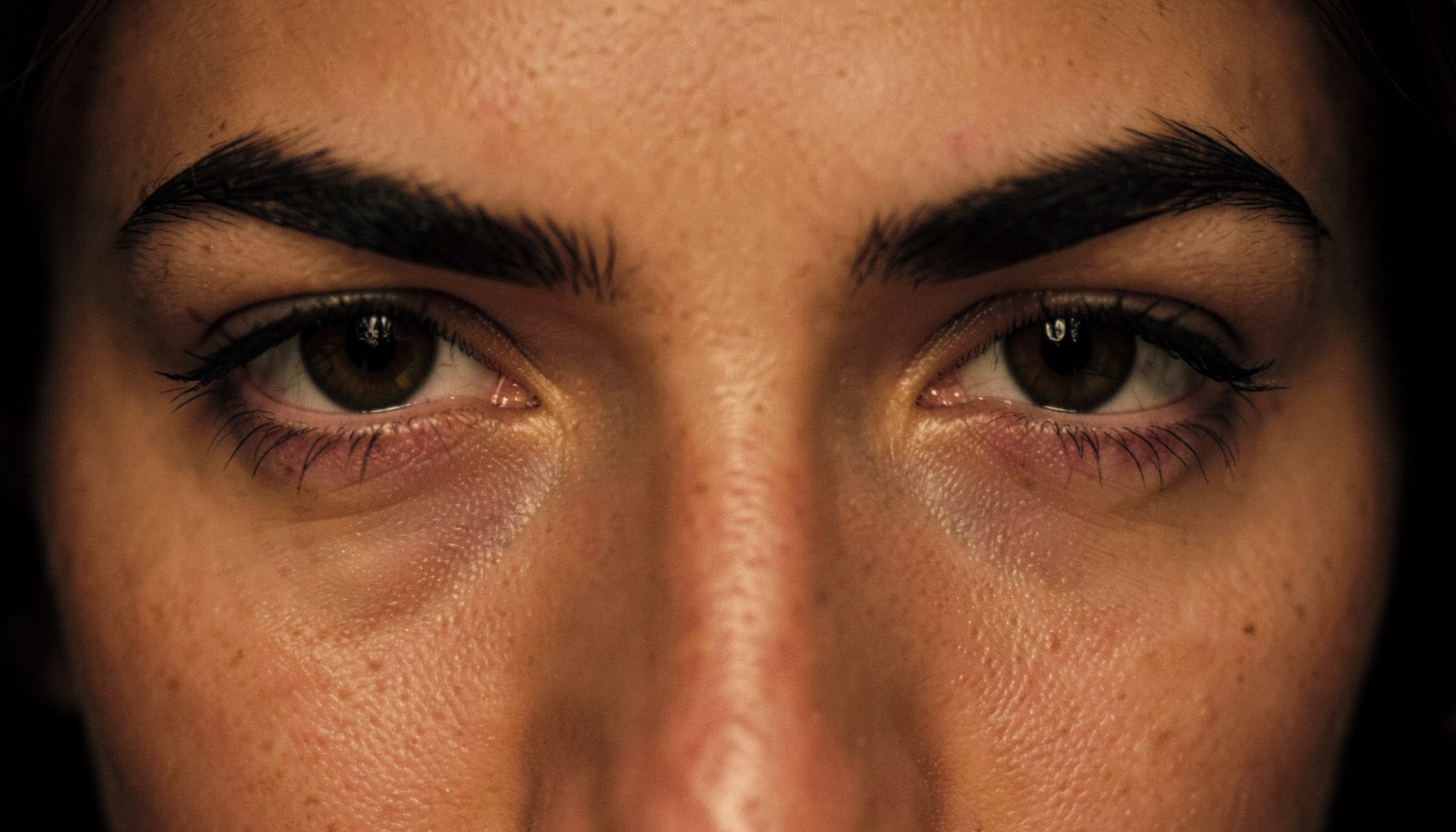
Eye Shape Guide
Understand your eye shape, master makeup techniques, and explore every treatment option — from Botox brow lifts to surgical solutions.
Explore the Site
Eyeshadow placement, blending techniques, and common mistakes to avoid for a more open, lifted look.
Explore →Winged liner, smudge prevention, and techniques that work with hooded lids to make eyes appear larger.
Explore →Non-surgical Botox brow lifts and surgical options including blepharoplasty, explained clearly.
Explore →Five false lash styles suited to hooded eyes, plus curler and mascara guidance for maximum lift.
Explore →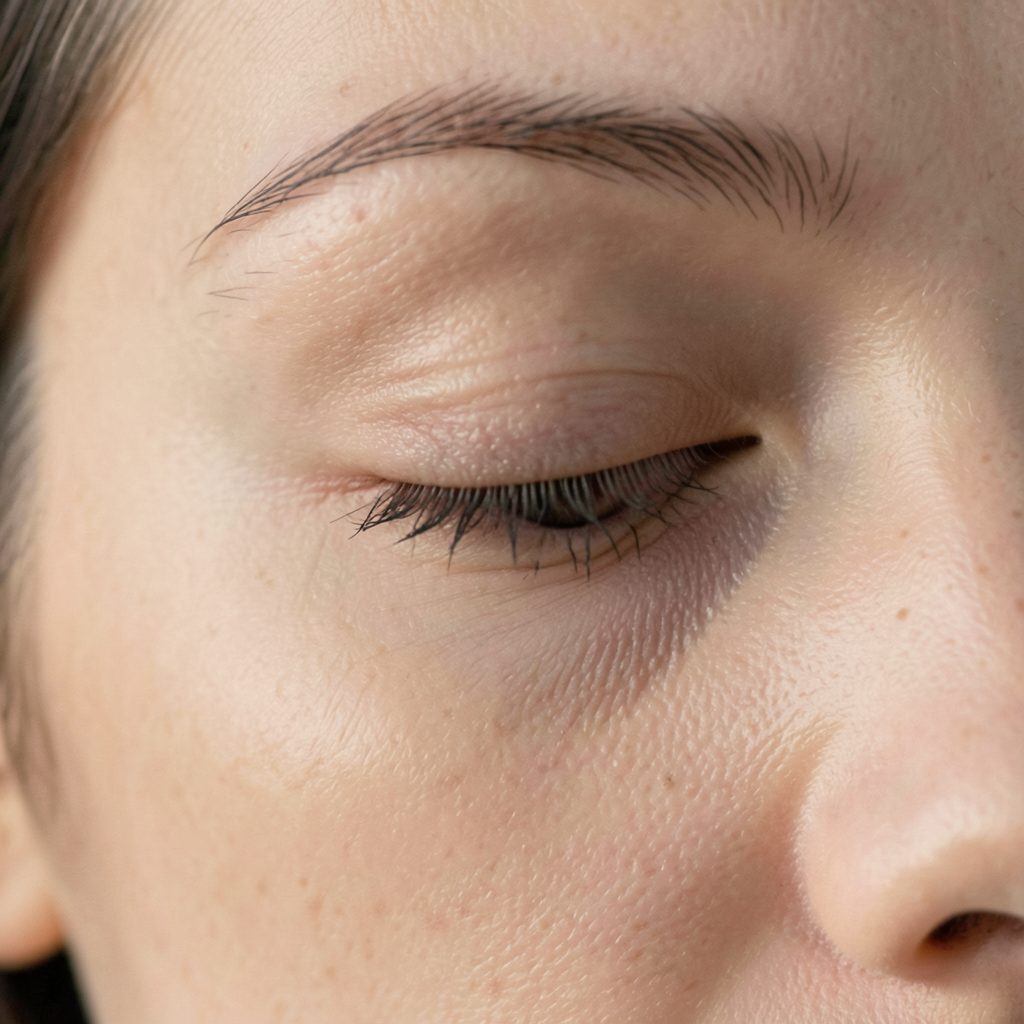
What Are Hooded Eyes?
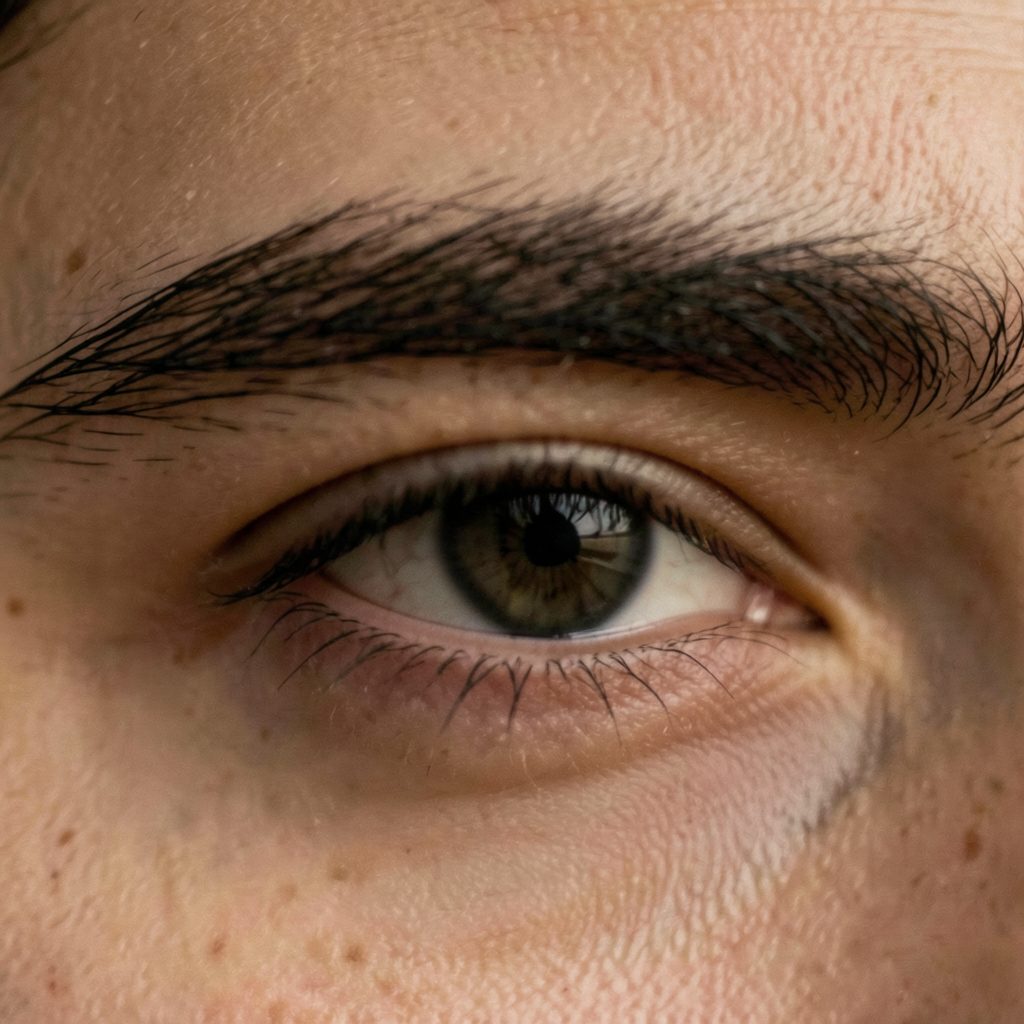
Hooded eyes are a natural eye shape where an excess piece of skin from the brow bone partially or completely covers the eyelid. The result can make eyes appear smaller or more tired than they feel.
This shape can be present from birth due to genetics, or it can develop over time. Known causes include aging, genetic traits, eye rubbing, body fatness, muscle structure, trauma, solar radiation, and sleep apnea.
Hooded eyes have a fold of skin that rests over part or all of the mobile eyelid. This can make the lash line appear smaller, hide the roots of the lashes and cause curled hairs to brush against the brow bone. A standard eyelash curler may still work, but its curve, width and handle design can make a significant difference to comfort and lift.
For Australian shoppers, the ideal tool needs to suit both the eye shape and the local beauty routine. Humid summers in Brisbane and Darwin, dry heat in Perth and strong cosmetic availability through retailers such as Mecca, Sephora Australia, Myer and Chemist Warehouse all affect how a lash curl performs. The right curler should create an open-eyed effect without pinching the lid or leaving a sharp, temporary bend.
The fold above a hooded eyelid can sit close to the lash line, so the curler must reach the lash roots without catching the surrounding skin. A very deep or rigid curve may press into the brow bone before it grips every lash. A flatter, wider curler often gives better coverage because it follows the visible lash line rather than forcing the eye into an unnatural position.
Eye shapes also vary considerably. Some people have lightly hooded outer corners, while others have a heavier fold that covers most of the mobile lid. Hooded eyes can also be confused with monolids, where the crease is absent or much less defined. Comparing hooded eyes vs monolids can help you choose a tool based on your actual lid structure rather than a product description.
The direction of growth matters as well. Straight-down lashes can make the eyes look more closed, while downward-pointing inner-corner lashes may need a smaller tool or a second angle of application. A good curler should lift the lashes gradually from root to tip, leaving enough room for the hooded fold to remain comfortable when the eyes are open.
Look for a silicone or rubber pad with a gentle, rounded edge. The pad should cushion the lashes and distribute pressure across the lash line. A hard, narrow pad may leave a severe kink, particularly if you hold it in place for too long. Replacement pads are useful because they flatten and wear with regular use.
The curve should suit the width of your eye. Wide, flatter curlers can be helpful for almond-shaped or broad eyes, while a smaller precision curler may reach the inner and outer corners more effectively. Some hooded-eye users prefer a full-size tool for the centre lashes and a mini curler for corners, although this adds another step to the routine.
Handles deserve attention too. Scissor-style handles give clear control, while spring-loaded designs can feel gentler for people who tend to squeeze too firmly. A lightweight metal curler is easy to manoeuvre, but a heavier tool may feel steadier. Test the opening mechanism if possible, especially when shopping in person at a beauty counter in Sydney or Melbourne.
Avoid choosing a curler simply because it is popular online. A model designed for a deep-set eye may not sit comfortably against a shallow hood, and a tool made for very round eyes may leave gaps at the corners. Product images can be useful, but the shape of the pad and the replacement-pad policy are usually more important than branding.
Begin with clean, dry lashes before applying mascara. Oils from eye cream, sunscreen or waterproof makeup remover can make the lashes slippery and reduce the hold. Position a mirror slightly below eye level, keep the eye relaxed and look down without closing it tightly. This exposes the upper lash roots while giving the curler a clearer path.
Place the open curler as close to the lash base as comfort allows, checking that the upper pad is sitting above the lashes rather than on the skin. Squeeze gently for five to eight seconds. Instead of clamping once with strong pressure, use light pulses at the base, middle and tips. This creates a rounded lift that is less likely to form an angular crease beneath the hood.
For hooded lids, lifting the chin slightly can help you see the lash line, but avoid stretching the eyelid. If the outer corner is difficult to reach, turn the curler slightly towards the temple and make a small, controlled press. A mini curler can be safer for short outer lashes because it reduces the chance of catching the fold.
Apply mascara after curling, never before. Wet mascara can make lashes stick to the pad and may pull them from the root. Choose a lightweight, quick-drying formula if your lashes fall easily. A water-resistant product often holds a curl better in Australia’s humid coastal climates, but remove it carefully at night with a suitable eye makeup remover.
A lifted lash line creates space beneath the hood, but the effect depends on the rest of the makeup. Concentrate mascara at the roots and use a smaller amount on the tips. Heavy, wet layers can weigh down the curl and cause the lashes to touch the upper lid. A slim brush may separate short lashes more effectively than a large, dramatic wand.
False lashes can also support the appearance of a more open eye. Look for styles with shorter inner corners, a lifted centre or a soft outer flare rather than a thick band that sits heavily beneath the fold. The guide to lash choices can help you compare lash shapes, lengths and finishes before committing to a full strip.
Eyeliner should leave room for the lash curl to show. A thick line across the mobile lid can hide the lift you have created, especially when the hood is pronounced. Try tightlining the upper lash roots or drawing a thin line that becomes slightly thicker at the outer corner. More ideas for opening eyeliner tricks can be adapted to suit your eye width and preferred makeup style.
Eyeshadow placement can reinforce the same effect. Use a matte mid-tone shade just above the natural crease, blend it towards the brow without taking it too high, and keep the inner lid relatively bright. Shimmer is usually easiest on the visible centre of the lid rather than directly beneath the fold, where it may transfer during the day.
Before purchasing, consider whether you can see the tool in person and whether replacement pads are easy to obtain. Australian retailers may stock international brands alongside more affordable local options, but availability can change between metropolitan stores and regional areas. Ordering a niche model online is convenient, although checking the return policy is wise because opened eye tools may not be accepted for hygiene reasons.
A reliable curler should feel stable, open wide enough for your eye and close without scraping the skin. It should also fit into your everyday routine. If you wear glasses, have sensitive eyes or curl in a compact mirror at work, a slim and easy-to-control tool may be more practical than a large professional-style model.
Use this checklist when comparing eyelash curlers for hooded eyes:
Clean the tool regularly with a gentle, fragrance-free cleanser or an alcohol wipe suitable for cosmetic tools, then allow it to dry completely. Do not share it, and replace the pad when it loses its shape. If you experience persistent redness, pain, swelling or lash breakage, stop using the curler and give the eye area time to recover.
A premium model is not automatically the best option. What matters is the relationship between the pad, your lash direction and the position of your hood. A moderately priced curler that reaches the roots evenly can outperform an expensive model that pinches at the corners.
The most flattering result usually comes from gentle, repeated control rather than maximum pressure. Take a few minutes to test the placement on bare lashes, compare a full-size and precision tool if needed, and photograph the result with your eyes open. This makes it easier to see whether the curl remains visible beneath the hood throughout the day.
Build the routine around comfort: curl clean lashes, use light pressure, add a separating mascara and keep eyeliner close to the roots. With a suitable tool and consistent technique, hooded eyes can look brighter and more defined while retaining their natural shape. Browse the options available through Australian beauty retailers, choose a curler with a compatible curve and make lash care part of your everyday eye makeup routine.
Surgical Option
For those seeking a more lasting result, plastic surgery — including blepharoplasty — is covered as a treatment option for hooded eyes. Surgery addresses the excess skin directly and is considered an alternative to non-surgical approaches like Botox.
The site's surgery guide explains the procedure, what to expect, and how it compares to non-surgical routes, helping readers make informed decisions about their options.
Read the Surgery Guide →Famous Faces
Hooded eyes can enhance facial expressions and contribute to a distinctive, memorable look. These ten well-known figures all share the eye shape.
Jennifer Aniston
Leonardo DiCaprio
Solange Knowles
Taylor Swift
Michelle Williams
Robert Pattinson
Blake Lively
Selena Gomez
Gigi Hadid
Benicio del Toro
Side by Side
False Lash Guide
Varied length spikes create texture and the illusion of depth without weighing down the lid.
Longer outer-corner lashes draw the eye outward and upward, counteracting the hood effect.
A uniform, moderate length that adds definition without overwhelming a hooded lid.
Applied only to the outer half, these open up the eye shape and are easier to manage on hooded lids.
A strong upward curl (D or L curl) lifts lashes away from the hood, keeping them visible throughout the day.
The guide also covers lash curlers, mascara recommendations, and step-by-step instructions for fixing false lashes on hooded eyelids.
Full Lash Guide →Get in Touch
Whether you are just beginning your makeup journey or have been experimenting with different looks for years, we are glad you are here.
General Feedback
Share your thoughts on the site or suggest topics you'd like covered.
Looking for a Specific Tip?
Ask about a particular technique or eye-shape challenge.
Product Questions
Questions about products mentioned across the site.
Human Resources or Business Inquiries
Partnership, collaboration, or business-related correspondence.