01
Makeup Tips
Eyeshadow placement, blending techniques, and common mistakes to avoid for a more open, lifted look.
Explore →
Eye Shape Guide
Understand your eye shape, master makeup techniques, and explore every treatment option — from Botox brow lifts to surgical solutions.
Explore the Site
Eyeshadow placement, blending techniques, and common mistakes to avoid for a more open, lifted look.
Explore →Winged liner, smudge prevention, and techniques that work with hooded lids to make eyes appear larger.
Explore →Non-surgical Botox brow lifts and surgical options including blepharoplasty, explained clearly.
Explore →Five false lash styles suited to hooded eyes, plus curler and mascara guidance for maximum lift.
Explore →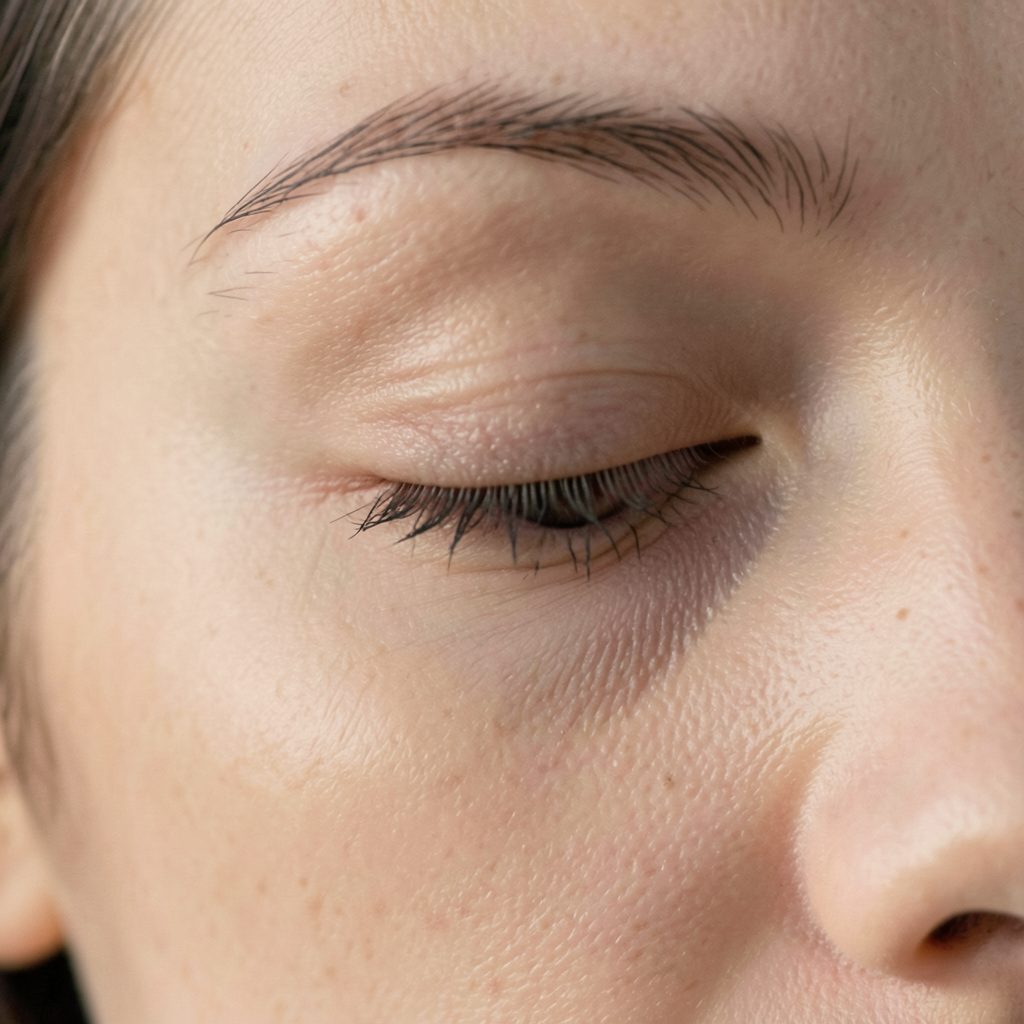
What Are Hooded Eyes?
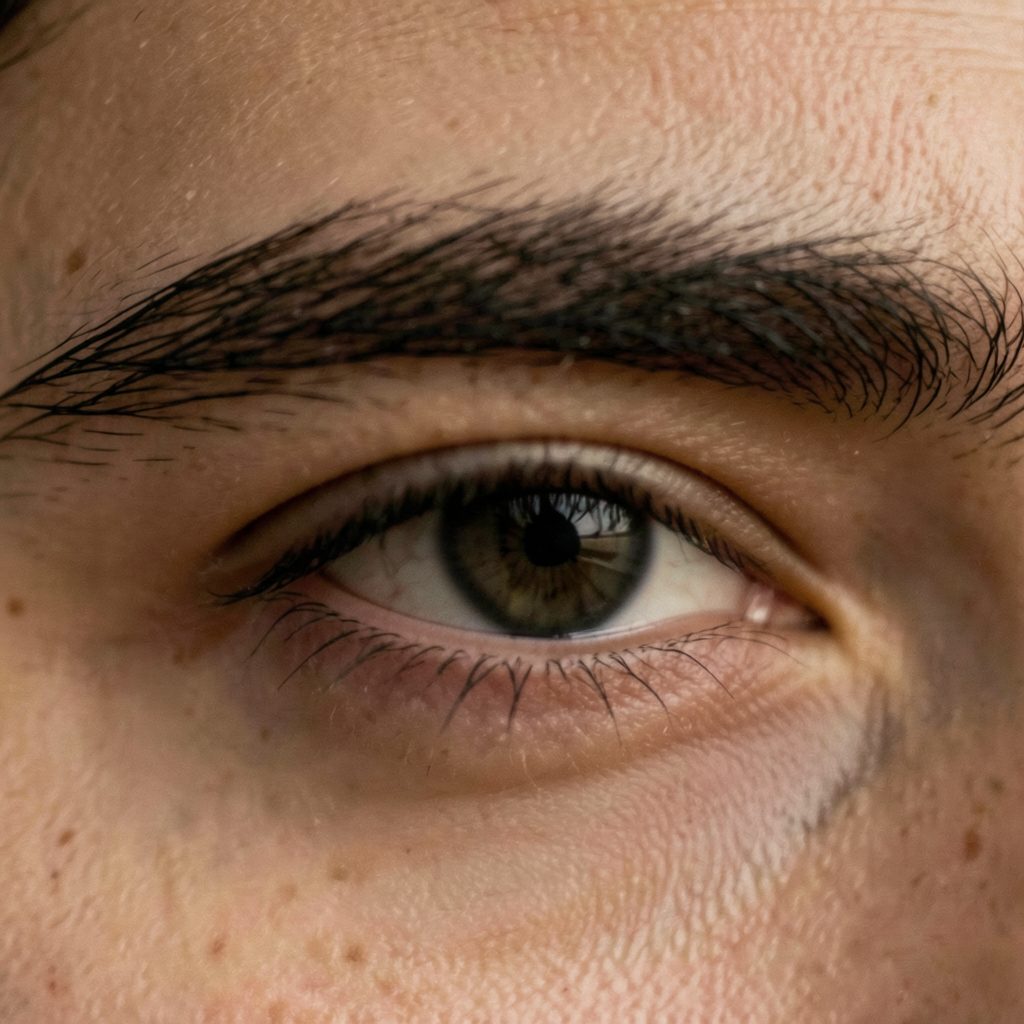
Hooded eyes are a natural eye shape where an excess piece of skin from the brow bone partially or completely covers the eyelid. The result can make eyes appear smaller or more tired than they feel.
This shape can be present from birth due to genetics, or it can develop over time. Known causes include aging, genetic traits, eye rubbing, body fatness, muscle structure, trauma, solar radiation, and sleep apnea.
Eyelid surgery sits at the intersection of medical necessity and aesthetic refinement, and for Australians living with hooded eyes, it often represents a meaningful investment. The price tag attached to a blepharoplasty procedure can swing dramatically depending on the surgeon's reputation, the city where the operation is performed, and whether the work is classed as functional or purely cosmetic. Patients who plan ahead, ask sharper questions, and understand the line items inside a quote tend to feel far more confident walking into the operating theatre.
A realistic budget stretches well beyond the surgeon's fee. Anaesthesia, hospital or day-surgery facility charges, pre-operative tests, post-operative medications, follow-up appointments, and time off work all sit on the same invoice. The figures below reflect typical ranges observed in Sydney, Melbourne, Brisbane, Perth, and Adelaide, and they account for both upper and lower lid work. Anyone weighing up the fully hooded look guide alongside surgical correction will recognise that not every droop calls for a scalpel, but for those who proceed, the cost puzzle deserves careful study.
Upper eyelid blepharoplasty alone usually lands between AUD 4,500 and AUD 8,500 when performed by a fully qualified specialist plastic surgeon. Lower lid surgery tends to run higher, often AUD 6,000 to AUD 11,000, because the technique is more delicate and the risk profile slightly steeper. Combined upper and lower surgery in a single session ranges from AUD 9,000 to AUD 16,000, with revision or redo work climbing toward AUD 12,000 to AUD 20,000 depending on the complexity of scar tissue and structural changes left by the first operation.
City matters across Australia. Sydney and Melbourne command the highest fees, with senior surgeons in Double Bay, Mosman, or Toorak regularly quoting at the top end of the spectrum. Brisbane and the Gold Coast sit slightly below, while Adelaide and Hobart tend to be the most affordable capitals, partly because overheads are lower and the pool of FRACS-qualified oculoplastic specialists is smaller. Perth sits somewhere in the middle, with strong demand from FIFO workers and a small number of high-profile surgeons pushing averages upward.
| Procedure type | Typical Australian cost | Medicare eligible | Anaesthesia | Downtime |
|---|---|---|---|---|
| Upper eyelid blepharoplasty | AUD 4,500–8,500 | Sometimes (functional only) | Local or sedation | 7–10 days |
| Lower eyelid blepharoplasty | AUD 6,000–11,000 | Rarely | Sedation or general | 10–14 days |
| Combined upper and lower | AUD 9,000–16,000 | Sometimes (upper portion) | General | 14–21 days |
| Revision or redo surgery | AUD 12,000–20,000 | No | General | 14–21 days |
| Asian eyelid surgery (double eyelid) | AUD 5,500–10,000 | No | Local or sedation | 7–10 days |
Recovery is often the most underestimated expense. Prescription painkillers, antibiotic eye ointment, lubricating drops, cold compresses, and arnica tablets collectively cost AUD 80 to AUD 200. Time off work can dwarf that figure: most surgeons recommend seven to ten days for desk-based roles, and two to three weeks for jobs involving dust, heavy lifting, or screen-heavy work that strains the healing lids. Australian office workers earning an average full-time wage of around AUD 1,800 to AUD 2,200 per week after tax should plan for at least AUD 1,800 in lost income.
Surgeon fees represent the largest variable in any quote, and they reflect training, subspecialty, and reputation. A surgeon who has completed a Fellowship with the Australian Society of Plastic Surgeons (ASPS) or the Australasian Society of Aesthetic Plastic Surgeons (ASAPS), and who operates under AHPRA registration, can charge more than a general practitioner offering cosmetic work. Oculoplastic surgeons — ophthalmologists with extra training in eyelid anatomy — often sit at the premium end because their work straddles functional and aesthetic concerns, especially relevant for patients with heavy hooding that encroaches on the visual field.
Patients should expect the first consultation to cost between AUD 200 and AUD 400, sometimes rebated partially through Medicare if a referral is obtained from a GP. A second opinion, which wise budgeters always seek, adds another AUD 200 to AUD 350. Those who examine asymmetrical hooded eyes before booking consultations will find they ask better questions about whether the asymmetry is muscular, skeletal, or simply a lighting artefact, which in turn shapes what the surgeon plans to do.
Anaesthetist fees are quoted separately and usually range from AUD 800 to AUD 1,800 for a blepharoplasty, depending on whether the procedure runs under local anaesthetic with sedation or a full general anaesthetic. Upper-lid work can be done under local in many clinics, which slashes this line item significantly. Lower-lid or combined work almost always requires deeper sedation, pushing the fee upward.
Facility fees cover the use of the operating theatre, nursing staff, sterilisation, and recovery bay time. Private hospitals in capital cities charge AUD 2,000 to AUD 4,500 for a few hours of theatre time, while accredited day-surgery facilities tend to charge AUD 1,200 to AUD 2,500. Patients should confirm the facility is licensed with the state health department — in New South Wales this is the Private Health Care Facilities registration, in Victoria the Department of Health licensing scheme, and in Queensland the Health Quality and Complaints Commission oversight — because rebates and safety standards depend on this accreditation.
Before the day of surgery, most surgeons request a set of pre-operative tests. A standard workup includes a full blood count, coagulation studies, an ECG for patients over 50, and sometimes a visual field test if the upper lid is encroaching on the pupil and the case may qualify for a Medicare rebate. These tests collectively cost AUD 150 to AUD 400 out of pocket if not bulk-billed, and patients in regional areas of Western Australia or the Northern Territory may need to travel to Perth or Darwin to access pathology services that meet surgeon requirements.
Photographic imaging and computerised morphing, used to map expected results, may add another AUD 100 to AUD 300. Some clinics in Sydney's CBD include this in the consultation fee, while others itemise it. Patients who book multiple consultations should clarify whether imaging is bundled, because the cumulative cost across two or three visits can quietly inflate the budget by AUD 600 or more.
Blepharoplasty can attract a Medicare rebate when the procedure is deemed medically necessary, for instance when hooded skin obstructs the visual field by more than 50 percent as documented through a visual field test. The relevant MBS item numbers are 45617 for upper eyelid reduction and 45620 for lower lid work, though strict criteria apply, and surgeons must lodge clinical photographs and test results for the rebate to be processed. A rebate of roughly AUD 600 to AUD 1,200 per eye can apply in functional cases, but purely cosmetic surgery attracts no rebate at all.
Private health insurance can cover the hospital and theatre fees if the policy includes cover for plastic and reconstructive surgery and the procedure is performed in a private hospital. Excesses vary wildly, from AUD 250 to AUD 750, and waiting periods of twelve months often apply to new memberships. Australians with extras-only cover, or those on basic hospital policies that exclude cosmetic-related admissions, will receive nothing back. Confirming cover with the fund before booking the theatre date is non-negotiable.
Planning the financial side of blepharoplasty takes as much care as the medical side. A few deliberate moves in the months before the surgery date can lower out-of-pocket costs, reduce financial stress during recovery, and give patients the confidence to choose a surgeon on quality rather than on price alone. The list below reflects advice that cosmetic surgery financial counsellors across Sydney, Melbourne, and Brisbane routinely share with new patients.
Timing also matters. Booking the surgery during a slower work period, or aligning it with long-service leave, can reduce lost income significantly. Some patients in regional New South Wales and Victoria combine the recovery trip with a short holiday, recouping the travel cost through the restful environment it provides. Comparing three quotes side by side, factoring in travel and time off, almost always surfaces savings of 10 to 20 percent across the total package.
For readers wanting a deeper look at how the team behind this resource approaches hooded eye concerns, the about-us page outlines the editorial philosophy and the medical reviewers consulted for surgical topics. The combination of careful research, realistic budgeting, and a trusted surgeon tends to be the difference between regret and relief, and the right clinic will walk patients through every line of the quote before a single cent changes hands.
Surgical Option
For those seeking a more lasting result, plastic surgery — including blepharoplasty — is covered as a treatment option for hooded eyes. Surgery addresses the excess skin directly and is considered an alternative to non-surgical approaches like Botox.
The site's surgery guide explains the procedure, what to expect, and how it compares to non-surgical routes, helping readers make informed decisions about their options.
Read the Surgery Guide →Famous Faces
Hooded eyes can enhance facial expressions and contribute to a distinctive, memorable look. These ten well-known figures all share the eye shape.
Jennifer Aniston
Leonardo DiCaprio
Solange Knowles
Taylor Swift
Michelle Williams
Robert Pattinson
Blake Lively
Selena Gomez
Gigi Hadid
Benicio del Toro
Side by Side
False Lash Guide
Varied length spikes create texture and the illusion of depth without weighing down the lid.
Longer outer-corner lashes draw the eye outward and upward, counteracting the hood effect.
A uniform, moderate length that adds definition without overwhelming a hooded lid.
Applied only to the outer half, these open up the eye shape and are easier to manage on hooded lids.
A strong upward curl (D or L curl) lifts lashes away from the hood, keeping them visible throughout the day.
The guide also covers lash curlers, mascara recommendations, and step-by-step instructions for fixing false lashes on hooded eyelids.
Full Lash Guide →Get in Touch
Whether you are just beginning your makeup journey or have been experimenting with different looks for years, we are glad you are here.
General Feedback
Share your thoughts on the site or suggest topics you'd like covered.
Looking for a Specific Tip?
Ask about a particular technique or eye-shape challenge.
Product Questions
Questions about products mentioned across the site.
Human Resources or Business Inquiries
Partnership, collaboration, or business-related correspondence.