01
Makeup Tips
Eyeshadow placement, blending techniques, and common mistakes to avoid for a more open, lifted look.
Explore →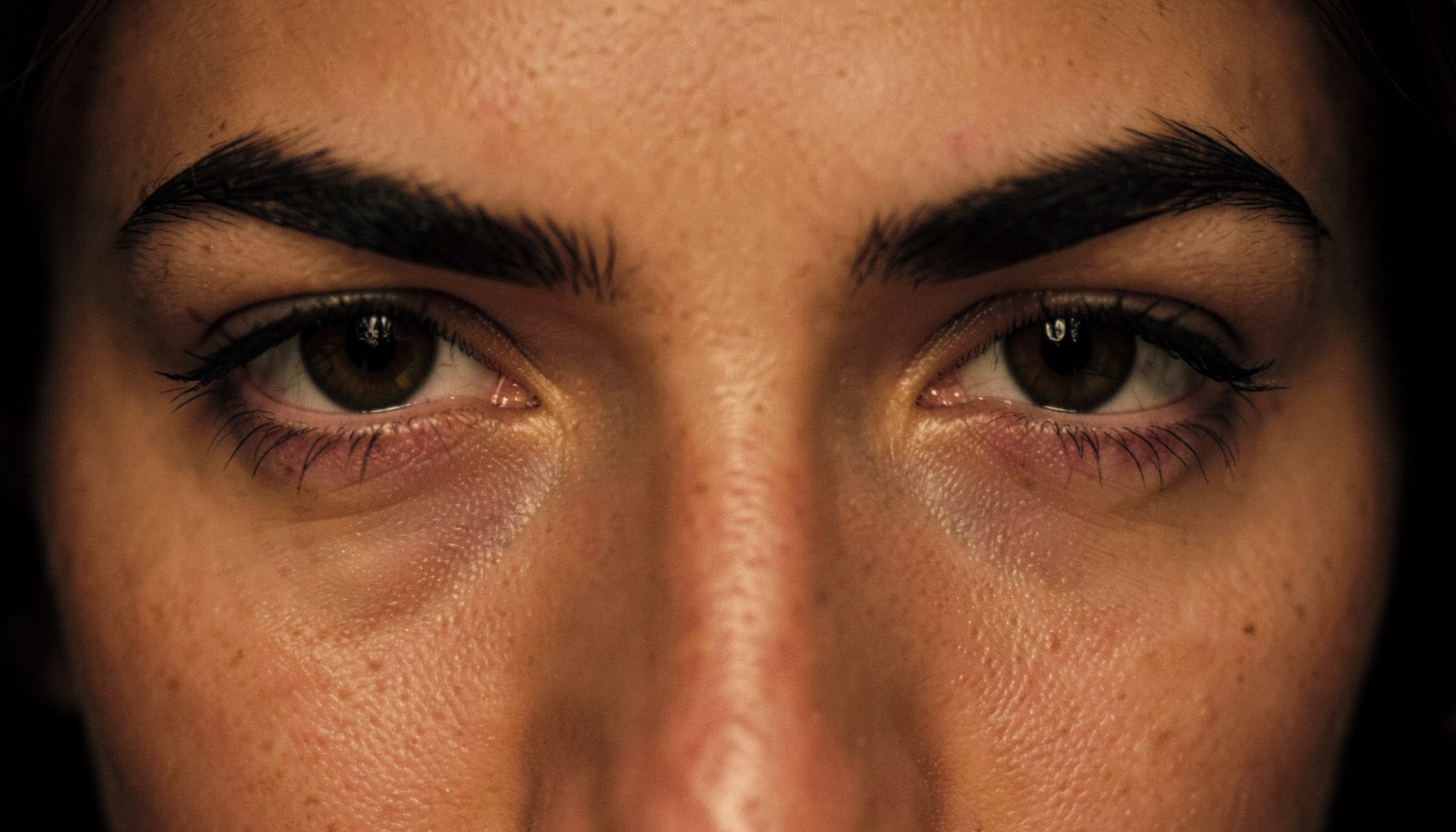
Eye Shape Guide
Understand your eye shape, master makeup techniques, and explore every treatment option — from Botox brow lifts to surgical solutions.
Explore the Site
Eyeshadow placement, blending techniques, and common mistakes to avoid for a more open, lifted look.
Explore →Winged liner, smudge prevention, and techniques that work with hooded lids to make eyes appear larger.
Explore →Non-surgical Botox brow lifts and surgical options including blepharoplasty, explained clearly.
Explore →Five false lash styles suited to hooded eyes, plus curler and mascara guidance for maximum lift.
Explore →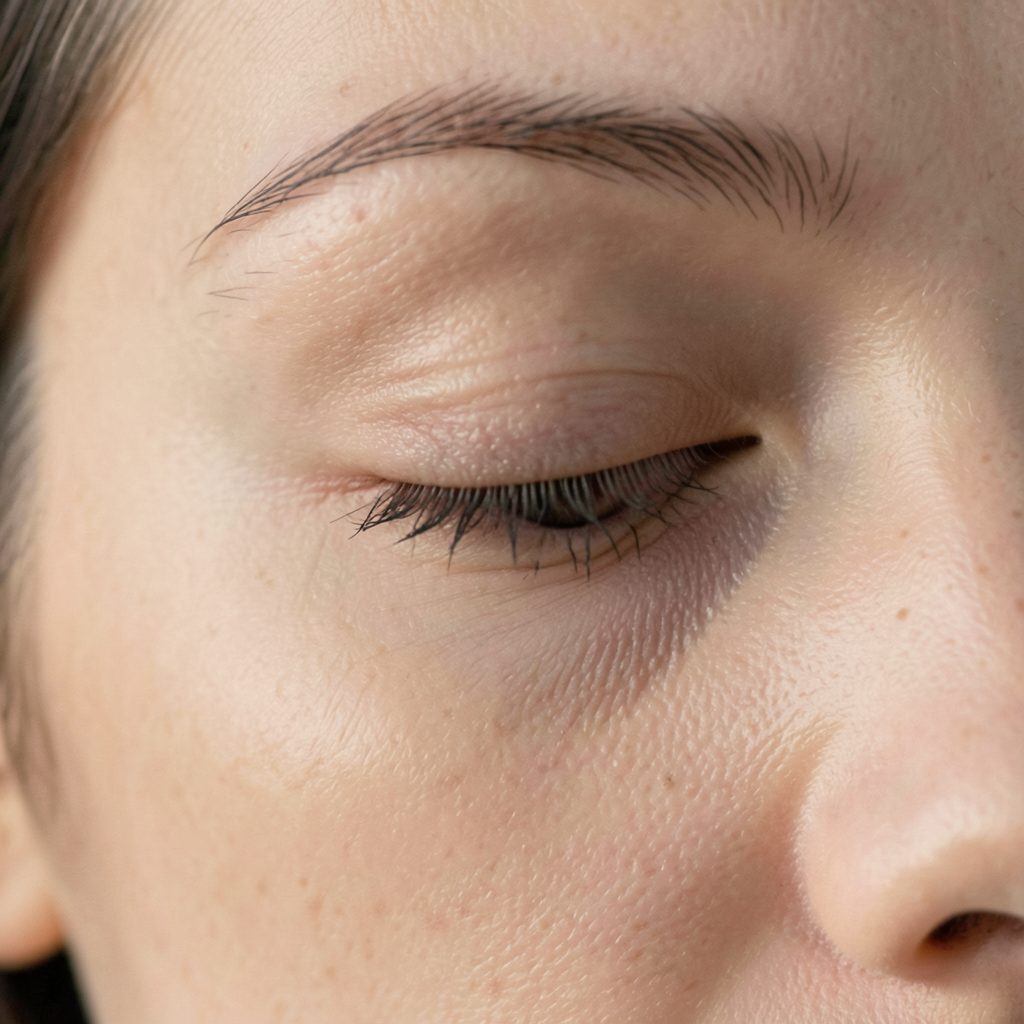
What Are Hooded Eyes?
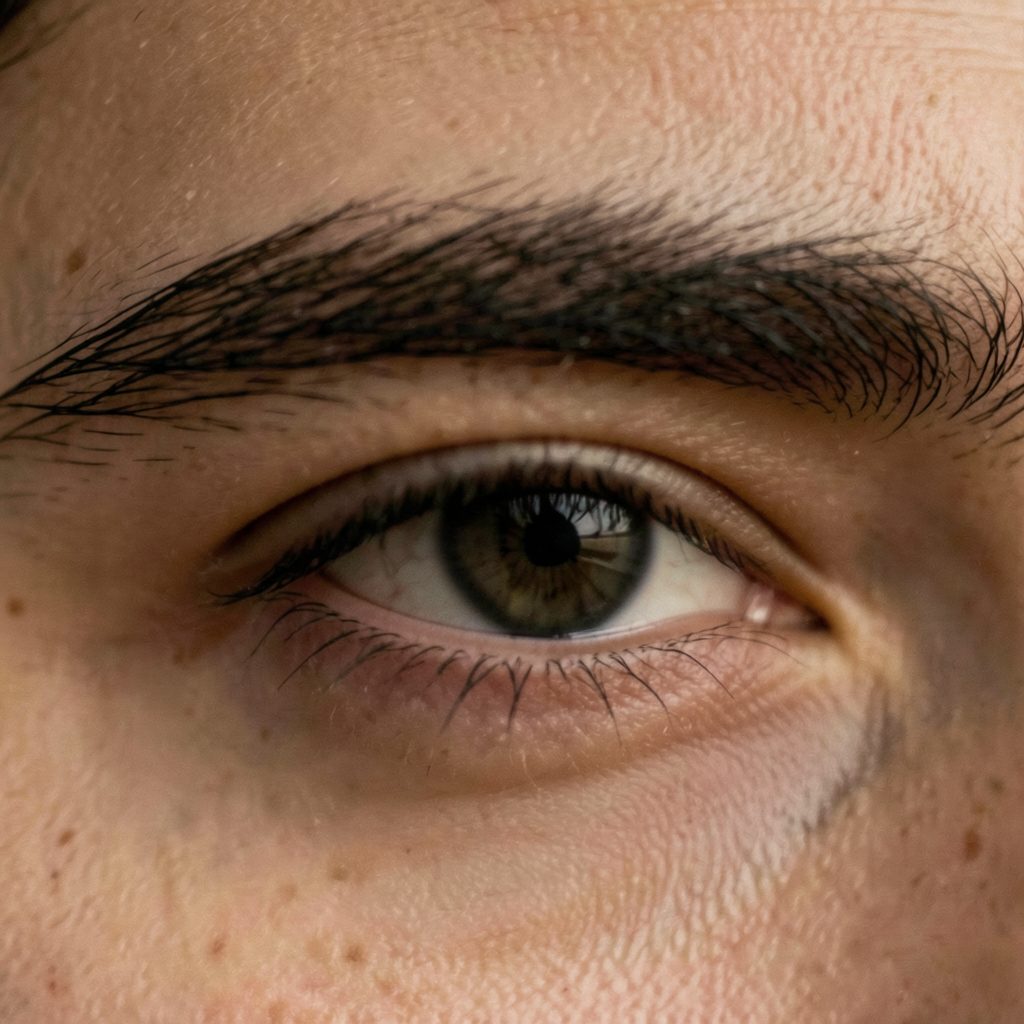
Hooded eyes are a natural eye shape where an excess piece of skin from the brow bone partially or completely covers the eyelid. The result can make eyes appear smaller or more tired than they feel.
This shape can be present from birth due to genetics, or it can develop over time. Known causes include aging, genetic traits, eye rubbing, body fatness, muscle structure, trauma, solar radiation, and sleep apnea.
A softly defined brow bone can make the eyes look lifted, rested and more open. The key is controlling placement, texture and contrast so the light catches the area beneath the eyebrow without drawing attention to the fold above the mobile lid.
Hooded eyes have a natural skin fold that partially covers the crease, and their shape varies from person to person. Makeup that works beautifully on a visible crease may look crowded or overly bright on a hooded lid, so the most flattering approach is to work with the eye’s structure rather than trying to redraw it completely.
The brow bone is the firm, gently curved area beneath the eyebrow and above the eye socket. On a hooded eye, it may be partly masked by the overhanging skin, especially when the eyes are open. This means a strong highlight placed too close to the crease can reflect directly from the hood instead of creating a lifted effect.
Before applying makeup, look straight ahead into a mirror with relaxed eyes. The skin that remains visible above the natural fold is the practical area for your highlight. Understanding the difference between the brow bone, crease and hood will make placement much easier; this guide to hooded eyelid anatomy explains how these structures relate to one another.
Your brow shape also affects the result. A high, softly arched brow leaves more room for a subtle highlight, while a straighter or lower brow may need a narrower application. Avoid forcing a dramatic arch with concealer, as an exaggerated light shape can make the hood appear heavier.
A satin eyeshadow, softly luminous powder or light-reflecting concealer is usually more flattering than a frosty white shade. Satin gives the brow bone dimension without creating a hard reflective line. Shades such as soft ivory, pale beige, muted champagne and light peach can work well, depending on your skin tone.
For fair skin, a neutral cream or pale pink-beige may look more natural than stark white. Medium and olive skin tones often suit champagne, golden beige or soft apricot. Deep skin tones can use bronze, caramel, copper or rich gold, provided the finish is finely milled and blended. The aim is to brighten the high point, not create a noticeable block of colour.
Apply the product with a small tapered brush or your fingertip, starting beneath the highest part of the brow and diffusing it towards the tail. Leave the inner and outer edges soft. A tiny amount is easier to build than a thick layer that catches light across the entire hood.
Large glitter particles and metallic formulas can emphasise texture and make the hood look more prominent. Shimmer is not automatically unsuitable for hooded eyes, but it needs careful placement. Keep it on the stable brow-bone area rather than brushing it through the fold where it may transfer, crease or reflect unevenly.
A matte or satin transition shade can create the illusion of space around the highlight. Sweep a soft taupe, caramel or neutral brown slightly above the natural crease, keeping the colour diffused and lighter at the centre. This technique defines the eye socket without drawing a dark line into the fold.
Texture matters particularly in Australia, where warm weather and humidity in cities such as Brisbane, Sydney and Darwin can make creamy or glittery products move during the day. For a comparison of finishes, this matte versus shimmer guide can help you choose a formula that remains balanced on a hooded lid.
Concealer can brighten the brow bone, but applying a thick, sharply outlined band beneath the brow may make the hood look more pronounced. Use a small flat brush to place a thin amount only where redness, shadow or stray brow hairs need softening. Then tap the edges with a clean fingertip or blending brush.
The concealer should be close to your skin tone or only slightly lighter. A very pale shade creates a high-contrast halo that can pull the eye towards the fold. If you use a brighter product, concentrate it under the arch and fade it before reaching the inner brow and tail.
Brow products should support this subtle structure. Fill gaps with hair-like strokes, brush the hairs upward and use a clear or tinted gel to hold them in place. Avoid drawing an overly thick lower brow line, since a heavy edge reduces the visible space between the brow and hood.
| Technique | Light placement | Effect on hooded eyes | Useful caution |
|---|---|---|---|
| Satin powder | Beneath the arch | Soft lift and gentle definition | Blend the edges thoroughly |
| Matte concealer | Small areas under the brow | Cleans and brightens the brow bone | Avoid a thick halo |
| Fine shimmer | Highest stable point only | Adds controlled dimension | Keep glitter out of the fold |
| Matte transition shade | Slightly above the natural crease | Creates socket definition | Use a diffused edge |
| Highlighter pencil | Short strokes under the arch | Crisp brow shaping | Choose a skin-toned finish |
A brow-bone highlight looks more natural when the rest of the eye has gentle structure. Use a medium matte shade on the outer corner and blend it slightly upwards, stopping before it reaches the brow highlight. This creates depth without making the upper eye area look overly shaded.
Eyeliner can also change how the highlight reads. A thick line across the upper lash line takes up lid space and may make the eye seem smaller. A thin, smudged line or a short lifted wing usually leaves more room for the brow-bone brightness to work. Apply liner with the eyes open so you can see where the hood covers the line.
Mascara should be concentrated at the roots and brushed outward rather than heavily coating the tips. Curling the lashes can open the eye, but waterproof formulas may be more practical for Australian summers, beach days and long commutes. Remove waterproof makeup gently at night to avoid rubbing the delicate skin around the hood.
A broad brow-bone highlight is rarely necessary. If the hood extends close to the brow, use a narrow patch under the arch and keep the inner brow area matte. If your eyes are deep-set as well as hooded, avoid placing a very light shade too far back into the socket, where it can exaggerate shadow around the eye.
For downturned eyes, place the brightest point slightly before the outer brow tail and blend upwards. For close-set eyes, a touch of brightness under the inner brow can create balance, though it should remain sheer. For wide-set eyes, keep the inner brow softly shaded and put the light closer to the centre.
Natural daylight is the best way to check the result. Australian bathroom lighting can vary considerably, and a look that seems subtle indoors may appear reflective in strong Melbourne summer sun or at an outdoor event in Perth. Take a quick photo with the eyes open and relaxed before adding more product.
Makeup can alter the appearance of the brow bone, but it cannot change excess skin, muscle position or the underlying eye socket. If hooding has developed with age or affects your field of vision, an appointment with a qualified medical professional can help distinguish cosmetic concerns from functional ones.
Some people investigate options such as a Botox brow lift or upper blepharoplasty. These treatments involve different mechanisms, results and risks, so information about hooded-eye surgery options should be treated as background reading rather than a substitute for an individual consultation. A practitioner should assess brow position, eyelid skin, asymmetry, dry-eye symptoms and medical history before recommending treatment.
In Australia, botulinum toxin is a prescription-only medicine and should be administered by an appropriately qualified, registered health practitioner. Check registration through the Australian Health Practitioner Regulation Agency and be cautious of clinics promising guaranteed lifting or permanent results. Cosmetic advertising must follow Australian rules, and testimonials or dramatic before-and-after claims do not replace informed consent and a proper risk discussion.
A repeatable routine helps prevent over-application, especially when the hood changes position as you raise or relax your brows. Test the placement with your eyes open, use a small amount of product and assess the makeup after several minutes of normal blinking.
Useful habits include:
This approach keeps the focus on gentle dimension rather than a conspicuous stripe. It also makes the technique easier to adjust for mature skin, uneven brows, glasses or different levels of eyelid coverage.
The most convincing brow-bone highlight is often the detail that cannot be immediately identified. A small amount of satin light, a diffused transition shade and a tidy brow shape can make the eyes appear fresher while allowing the natural hood to remain part of the face.
Start with one product and build slowly, especially in warm Australian conditions where excess cream or shimmer can shift. With precise placement and a restrained finish, you can brighten the brow bone, open the appearance of hooded eyes and create a polished look that lasts through ordinary daily wear.
Surgical Option
For those seeking a more lasting result, plastic surgery — including blepharoplasty — is covered as a treatment option for hooded eyes. Surgery addresses the excess skin directly and is considered an alternative to non-surgical approaches like Botox.
The site's surgery guide explains the procedure, what to expect, and how it compares to non-surgical routes, helping readers make informed decisions about their options.
Read the Surgery Guide →Famous Faces
Hooded eyes can enhance facial expressions and contribute to a distinctive, memorable look. These ten well-known figures all share the eye shape.
Jennifer Aniston
Leonardo DiCaprio
Solange Knowles
Taylor Swift
Michelle Williams
Robert Pattinson
Blake Lively
Selena Gomez
Gigi Hadid
Benicio del Toro
Side by Side
False Lash Guide
Varied length spikes create texture and the illusion of depth without weighing down the lid.
Longer outer-corner lashes draw the eye outward and upward, counteracting the hood effect.
A uniform, moderate length that adds definition without overwhelming a hooded lid.
Applied only to the outer half, these open up the eye shape and are easier to manage on hooded lids.
A strong upward curl (D or L curl) lifts lashes away from the hood, keeping them visible throughout the day.
The guide also covers lash curlers, mascara recommendations, and step-by-step instructions for fixing false lashes on hooded eyelids.
Full Lash Guide →Get in Touch
Whether you are just beginning your makeup journey or have been experimenting with different looks for years, we are glad you are here.
General Feedback
Share your thoughts on the site or suggest topics you'd like covered.
Looking for a Specific Tip?
Ask about a particular technique or eye-shape challenge.
Product Questions
Questions about products mentioned across the site.
Human Resources or Business Inquiries
Partnership, collaboration, or business-related correspondence.