01
Makeup Tips
Eyeshadow placement, blending techniques, and common mistakes to avoid for a more open, lifted look.
Explore →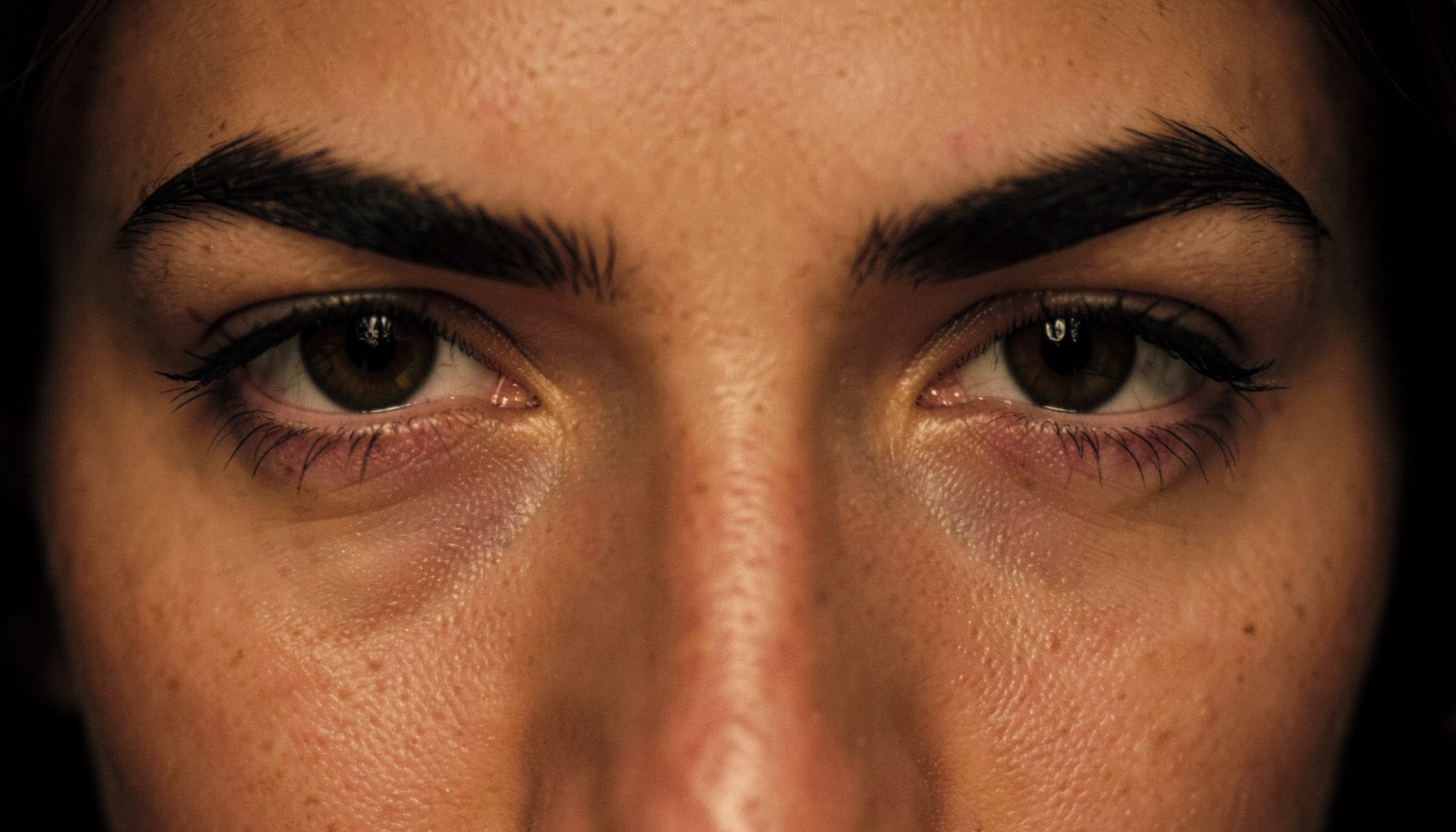
Eye Shape Guide
Understand your eye shape, master makeup techniques, and explore every treatment option — from Botox brow lifts to surgical solutions.
Explore the Site
Eyeshadow placement, blending techniques, and common mistakes to avoid for a more open, lifted look.
Explore →Winged liner, smudge prevention, and techniques that work with hooded lids to make eyes appear larger.
Explore →Non-surgical Botox brow lifts and surgical options including blepharoplasty, explained clearly.
Explore →Five false lash styles suited to hooded eyes, plus curler and mascara guidance for maximum lift.
Explore →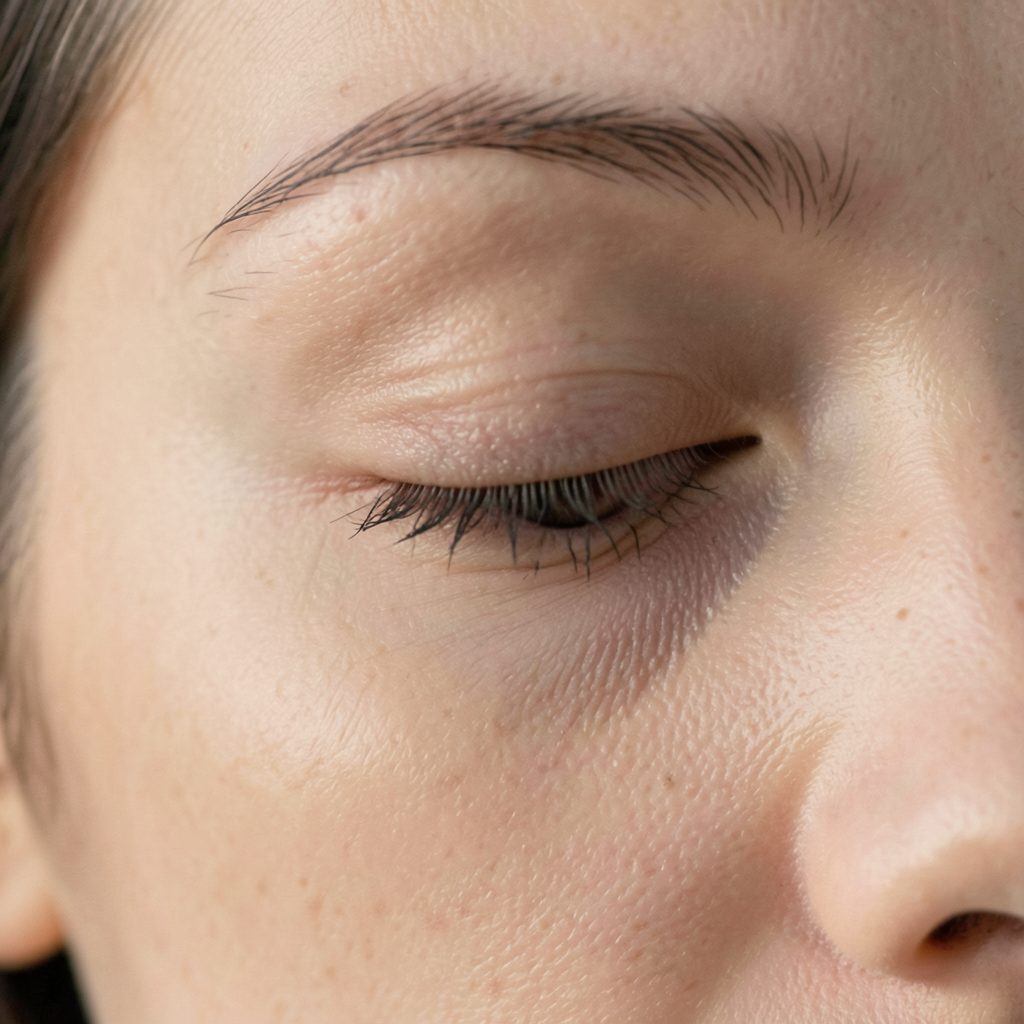
What Are Hooded Eyes?
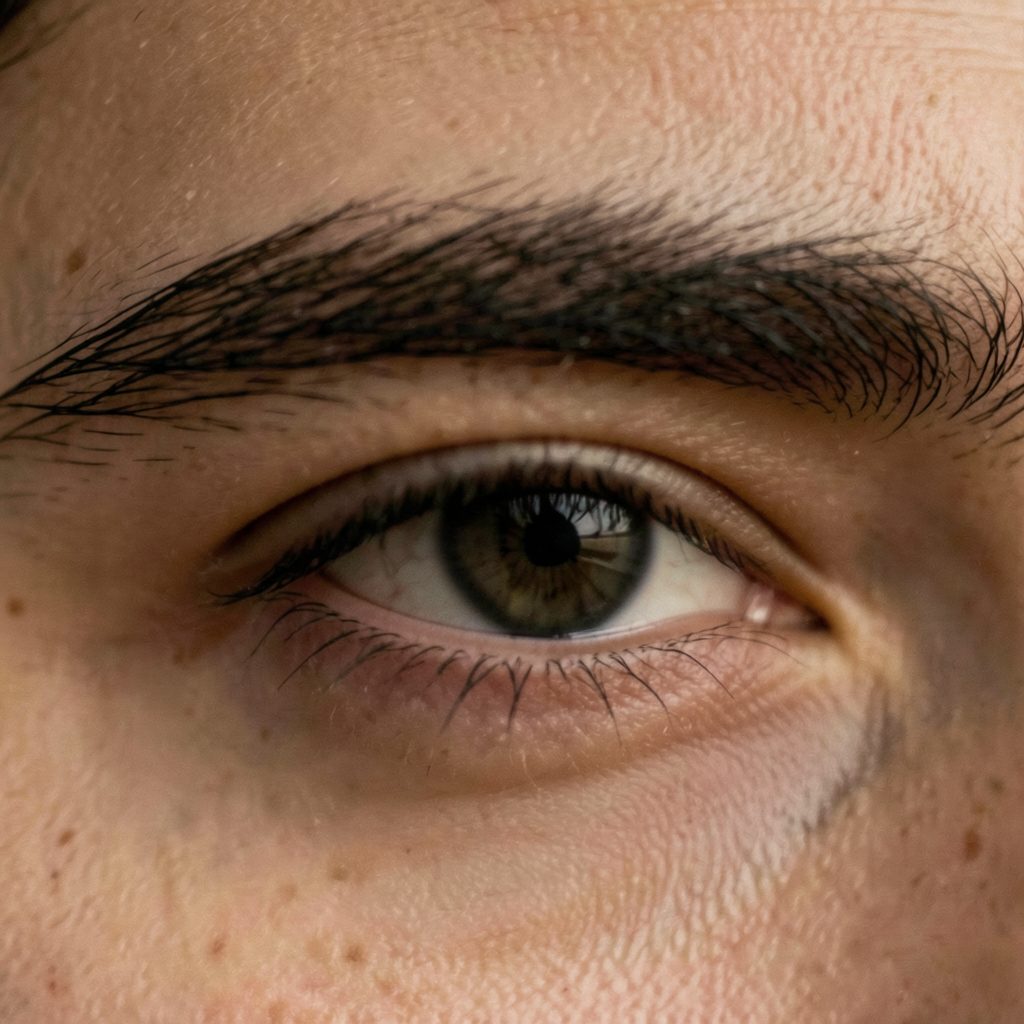
Hooded eyes are a natural eye shape where an excess piece of skin from the brow bone partially or completely covers the eyelid. The result can make eyes appear smaller or more tired than they feel.
This shape can be present from birth due to genetics, or it can develop over time. Known causes include aging, genetic traits, eye rubbing, body fatness, muscle structure, trauma, solar radiation, and sleep apnea.
A hooded eyelid has a fold of skin that extends from the brow area towards, or over, the mobile eyelid. This natural structure can make the visible lid space appear smaller, especially when the eyes are open and the surrounding facial muscles are relaxed. It is a normal variation in eye shape rather than a flaw, and it can appear on one eye, both eyes, or to different degrees on each side.
Understanding the anatomy behind the fold makes makeup placement, lash selection and cosmetic treatment decisions easier to assess. The appearance may be influenced by inherited facial structure, brow position, skin elasticity, fat distribution and age. A hooded eye can also overlap with deep-set, downturned, monolid or almond characteristics, so identifying the specific features matters more than relying on a single label.
The upper eyelid includes the mobile lid, the crease, the brow-side skin and the tissues beneath them. On a hooded eye, the skin between the crease and the brow may sit lower or project forward enough to partly cover the crease. The fold can be soft and subtle, or it can rest close to the lash line and conceal much of the eyelid when the eyes are open.
The crease itself is created where skin connects with tissues associated with the eyelid-lifting muscle. Its position varies widely. Some people have a high crease that remains visible above the hood, while others have a low crease that disappears when they look straight ahead. A crease that seems to vanish is still present anatomically; it is simply hidden by the overlying tissue.
The brow and upper orbital bone also affect how much lid space can be seen. A stronger brow ridge may create a deep-set appearance, while a lower brow can make the hood look heavier. These features may occur together, which is why two people with hooded eyes can need entirely different eyeliner or eyeshadow techniques.
When assessing your own eye shape, look straight ahead in a relaxed expression rather than lifting the brows. Check whether the crease is visible, whether the outer lid is more covered than the inner lid, and whether the skin rests on the lashes. A front-facing photograph in natural light can be more useful than examining the eyes while raising the eyebrows.
Genetics is a major factor. Many people inherit a particular brow bone, crease height or eyelid fold from family members, and the shape may be noticeable from childhood. Hooding is found across many populations and can be present regardless of age, gender or ethnicity. It is also common for the left and right eyes to have slightly different folds.
Ageing can change the balance between the brow, eyelid skin and the tissues beneath them. Collagen and elastin gradually decrease, while the brow may descend and the upper eyelid skin may become less taut. Fat compartments can shift, and repeated facial movement can make existing folds more visible. These changes are gradual and do not necessarily indicate a medical problem.
Temporary factors can make the upper lids look heavier. Poor sleep, allergies, irritation and fluid retention may increase puffiness around the eyes. Australian conditions can contribute: Brisbane humidity may make swelling more noticeable, while dry heat, wind and high UV exposure in inland areas can leave the skin feeling irritated. Sunscreen, sunglasses and gentle skincare help protect the surrounding area, although they cannot alter the underlying eye anatomy.
A sudden change in one eyelid, especially with pain, double vision, marked drooping or a change in pupil size, deserves prompt medical assessment. Cosmetic hooding is usually stable or gradual. A rapid or pronounced change may relate to an eyelid, nerve or general health issue rather than ordinary ageing.
Hooded eyes have a fold of tissue that partially obscures the mobile lid or crease. With deep-set eyes, the eyes sit further back within the eye socket, often beneath a more prominent brow bone. Deep-set eyes may also be hooded, but the defining feature is the position of the eyeball and surrounding structure rather than skin alone.
A monolid, or epicanthic fold pattern with little or no visible external crease, has a different crease anatomy. The lid may appear smooth from the lash line to the brow, although the amount of visible lid varies considerably. Some people have a tapered crease, a partial crease or a fold that resembles a hood from certain angles.
An almond eye describes the overall outline, with the iris partly covered by the upper and lower lids and tapered inner and outer corners. An almond eye can be hooded, deep-set or neither. Downturned eyes refer to the direction of the outer corner relative to the inner corner, so this feature can also overlap with hooding.
These categories are useful descriptions, not strict diagnoses. Looking at several features together gives a more accurate picture: crease visibility, brow position, socket depth, lid exposure, corner direction and symmetry. This prevents a common mistake in which a technique designed for a deep-set eye is used on a shallow hood, or a high-crease method is applied to a low-crease lid.
On a hooded lid, a thick line drawn across the natural crease may disappear when the eyes open. A finer line close to the lashes usually preserves more visible lid space. If a wing is desired, mapping it with the eyes open helps keep the shape visible rather than designing it only with the eyelid stretched flat.
Eyeshadow is generally easiest to see when colour is placed slightly above the natural fold, in the area that remains visible with the eyes relaxed. A matte transition shade can define the upper contour, while a lighter or satin shade on the mobile lid adds dimension without relying on a broad expanse of lid space. The exact position should follow the person’s crease, socket and brow rather than a fixed diagram. This guide to eyeshadow placement is particularly relevant when hooding overlaps with deep-set anatomy.
Mascara and lashes also interact with the fold. Curling the lashes can lift the visual line of the eye, but very dense false lashes may press into the hood or cast a shadow over the lid. Flexible half-lashes, shorter outer-corner clusters or a lifting mascara can be more comfortable for some eye shapes. Waterproof formulas may be useful in humid Australian summers, although they should be removed gently to avoid unnecessary rubbing.
For shopping locally, Australian beauty retailers such as Mecca, Adore Beauty and Priceline stock a wide range of fine eyeliners, tubing mascaras and lash curlers. Testing a formula in a store or choosing a return-friendly option is sensible because transfer depends on oiliness, humidity and the amount of skin contact. At events such as Melbourne Cup week or a Sydney wedding, checking the makeup with the eyes open and under flash photography can prevent a disappearing liner or heavy shadow effect.
The brow frames the upper eyelid and can change how hooding is perceived. A naturally low brow may push more skin towards the crease, while a high brow can reveal additional lid space. Habitually lifting the brows to see the eyelid may create a misleading impression, making the eyes seem more open than they appear at rest.
Skin laxity is another important distinction. A soft fold that has always been present reflects inherited anatomy, while extra upper-lid skin that develops over time may be associated with dermatochalasis. The two can exist together. An eye health professional or qualified cosmetic doctor can assess whether the main issue is brow descent, excess skin, muscle activity, fat position or a combination.
Botulinum toxin brow lifting, often called a Botox brow lift, may subtly change brow position by relaxing selected muscles. Results are temporary and depend on injection placement, muscle balance and individual anatomy. Incorrect placement can produce asymmetry, a heavier brow or difficulty raising the forehead, so treatment should be performed by an appropriately trained, registered practitioner.
Blepharoplasty removes or repositions selected upper-eyelid tissue and is a surgical procedure rather than a makeup solution. It may be considered when excess skin affects appearance or, in some cases, the visual field. Cosmetic surgery is generally paid for privately in Australia, and Medicare eligibility depends on medical necessity and the specific circumstances. A proper consultation should cover the brow, eyelid crease, eye surface, closure and realistic outcome.
Anatomy can be understood through appearance, but function is equally important. Notice whether the upper lid interferes with peripheral vision, whether you raise your forehead to see clearly, or whether the lashes touch the skin and cause irritation. These observations can help distinguish a cosmetic preference from a problem worth discussing with an optometrist, ophthalmologist or GP.
Photographs taken at the same distance and in the same relaxed expression can show gradual changes more clearly than memory. Avoid comparing your face with a celebrity image taken under strong lighting, edited conditions or a deliberately lifted brow. Public figures may have professionally styled brows, lashes and lighting that change the apparent lid anatomy.
Useful observations to record include:
Care around the eyes should remain gentle. Remove makeup without aggressive rubbing, replace mascara according to the product guidance and pause products that cause burning or swelling. In Australia, broad-spectrum SPF 50+ and quality sunglasses are practical daily habits because cumulative sun exposure affects the thin skin around the eyes, even though sunscreen should not be applied directly into the eye.
Before considering surgery, plan for the practical recovery period. Bruising, swelling, dry eyes and temporary asymmetry can affect work, driving and social events. The expected process varies by person, and this blepharoplasty recovery timeline can help explain why healing continues after the first visible swelling settles.
A qualified clinician should discuss warning signs such as worsening pain, vision changes, significant bleeding, infection or inability to close the eyes. Recovery instructions may include cold compresses, prescribed medication, head elevation and limits on strenuous activity. Following the treating practitioner’s advice is more reliable than copying a routine from social media.
There is no single ideal crease height or amount of visible eyelid. Hooded eyes can create a soft, deep or expressive appearance, and small changes in angle can alter the way the fold reads. The most effective makeup usually follows the open-eye anatomy instead of trying to force a sharply visible crease where the skin naturally covers it.
A balanced routine might use a thin lash-line definition, softly diffused shadow above the fold and a controlled highlight at the inner corner. Matte textures often provide structure, while shimmer is best kept away from areas where it creases or transfers. Brow grooming should preserve the natural arch rather than removing too much hair in an attempt to create extra lid space.
Makeup artists may use different techniques for mature hooding, oily lids, deep-set eyes and asymmetry. Primer can reduce transfer, but it cannot prevent every fold from touching the makeup. Small adjustments, such as placing the outer shadow slightly higher or keeping the inner lid lighter, can make the result more visible without making it look heavy.
Understanding the anatomy of a hooded eyelid gives you a practical framework for choosing products, explaining your preferences to a makeup artist and evaluating cosmetic options. It also replaces comparison with observation: the goal is to work with the brow, crease, socket and skin you have.
Use the guide’s eye-shape resources to map your own features in a relaxed, front-facing position, then test makeup in the lighting and climate where you will actually wear it. If hooding affects comfort or vision, arrange an assessment with a registered Australian eye-care professional; if you are exploring a procedure, seek an in-person consultation with a qualified practitioner who can explain benefits, limitations and risks clearly.
Surgical Option
For those seeking a more lasting result, plastic surgery — including blepharoplasty — is covered as a treatment option for hooded eyes. Surgery addresses the excess skin directly and is considered an alternative to non-surgical approaches like Botox.
The site's surgery guide explains the procedure, what to expect, and how it compares to non-surgical routes, helping readers make informed decisions about their options.
Read the Surgery Guide →Famous Faces
Hooded eyes can enhance facial expressions and contribute to a distinctive, memorable look. These ten well-known figures all share the eye shape.
Jennifer Aniston
Leonardo DiCaprio
Solange Knowles
Taylor Swift
Michelle Williams
Robert Pattinson
Blake Lively
Selena Gomez
Gigi Hadid
Benicio del Toro
Side by Side
False Lash Guide
Varied length spikes create texture and the illusion of depth without weighing down the lid.
Longer outer-corner lashes draw the eye outward and upward, counteracting the hood effect.
A uniform, moderate length that adds definition without overwhelming a hooded lid.
Applied only to the outer half, these open up the eye shape and are easier to manage on hooded lids.
A strong upward curl (D or L curl) lifts lashes away from the hood, keeping them visible throughout the day.
The guide also covers lash curlers, mascara recommendations, and step-by-step instructions for fixing false lashes on hooded eyelids.
Full Lash Guide →Get in Touch
Whether you are just beginning your makeup journey or have been experimenting with different looks for years, we are glad you are here.
General Feedback
Share your thoughts on the site or suggest topics you'd like covered.
Looking for a Specific Tip?
Ask about a particular technique or eye-shape challenge.
Product Questions
Questions about products mentioned across the site.
Human Resources or Business Inquiries
Partnership, collaboration, or business-related correspondence.