01
Makeup Tips
Eyeshadow placement, blending techniques, and common mistakes to avoid for a more open, lifted look.
Explore →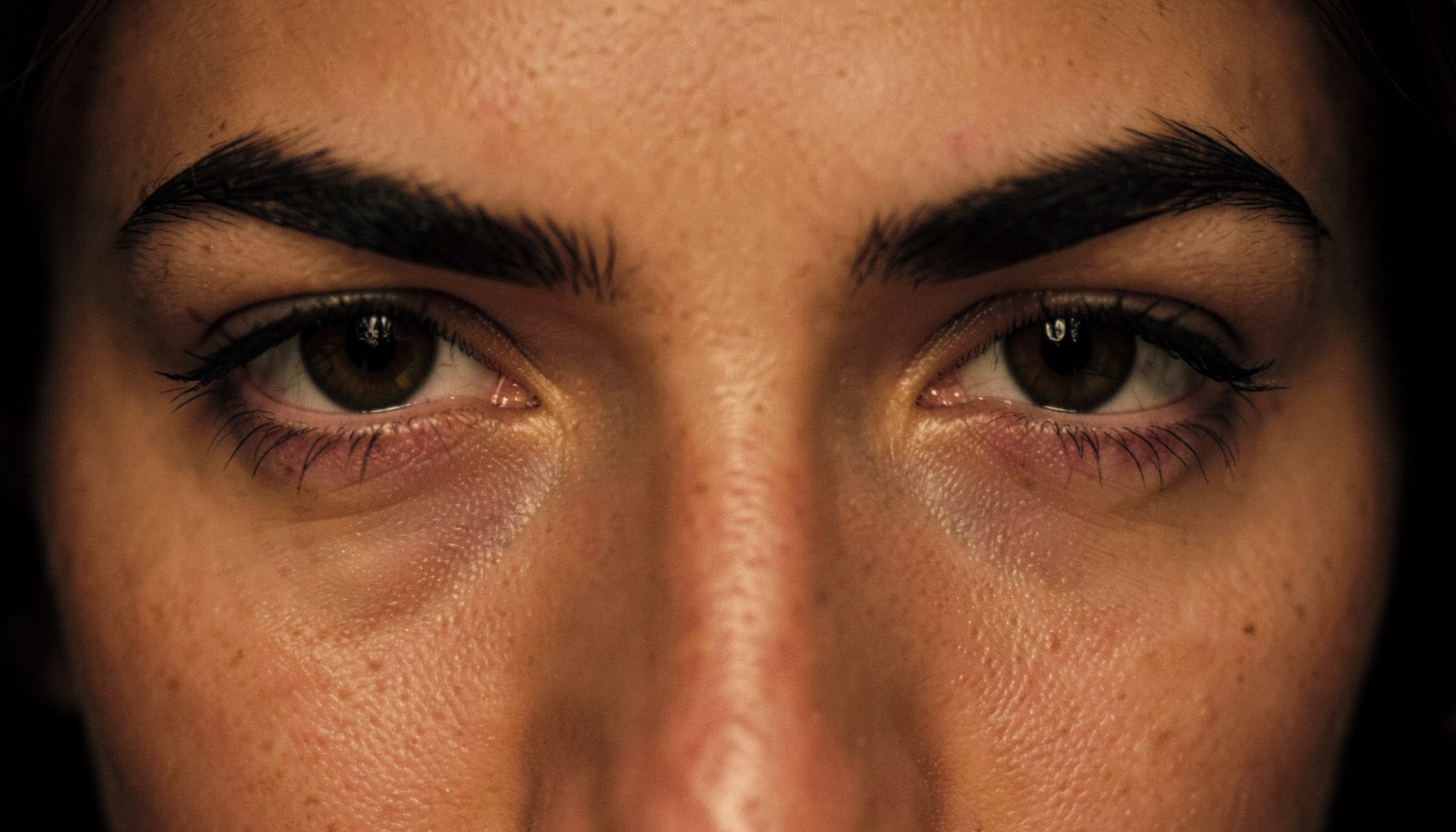
Eye Shape Guide
Understand your eye shape, master makeup techniques, and explore every treatment option — from Botox brow lifts to surgical solutions.
Explore the Site
Eyeshadow placement, blending techniques, and common mistakes to avoid for a more open, lifted look.
Explore →Winged liner, smudge prevention, and techniques that work with hooded lids to make eyes appear larger.
Explore →Non-surgical Botox brow lifts and surgical options including blepharoplasty, explained clearly.
Explore →Five false lash styles suited to hooded eyes, plus curler and mascara guidance for maximum lift.
Explore →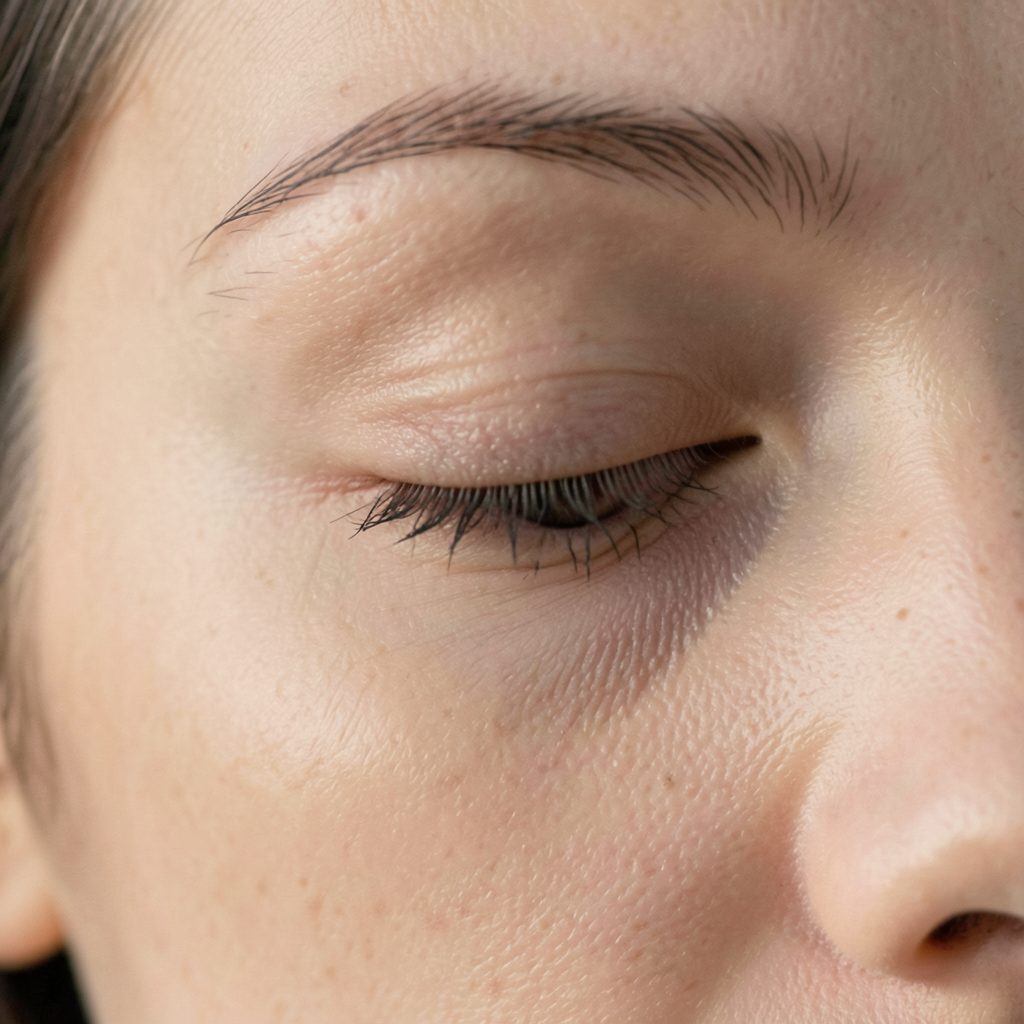
What Are Hooded Eyes?
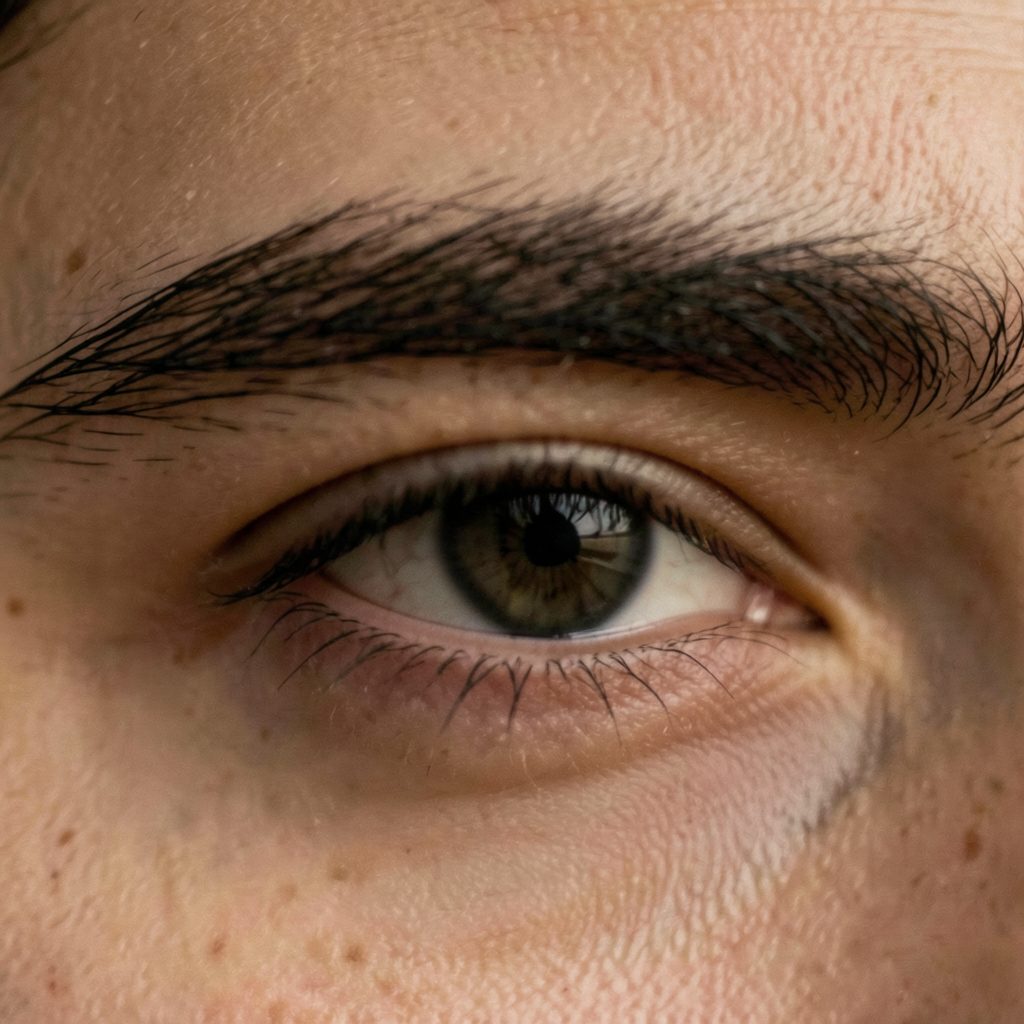
Hooded eyes are a natural eye shape where an excess piece of skin from the brow bone partially or completely covers the eyelid. The result can make eyes appear smaller or more tired than they feel.
This shape can be present from birth due to genetics, or it can develop over time. Known causes include aging, genetic traits, eye rubbing, body fatness, muscle structure, trauma, solar radiation, and sleep apnea.
Many people with hooded eyes notice their lids look heavier first thing in the morning. The crease seems to vanish further, and the fold of skin above the lashes appears thicker than it did the night before. While ageing, genetics and collagen loss are the usual suspects, the way you rest your head plays a quieter but real role. Sleeping on your side, or curling into a foetal position, compresses one side of the face, traps fluid and leaves the eyelid looking puffier than usual.
In Australia, where UV exposure ranks among the harshest in the world and the climate swings from humid coastal air in Sydney and Brisbane to dry, frosty mornings in Melbourne and Adelaide, the skin around the eyes takes a particular beating. Combine that with central heating in winter, air-conditioning in summer, and the strong marketing push from retailers such as Mecca and Priceline around silk pillowcases, and the topic of sleep-related eye puffiness earns plenty of attention. The short answer is yes, your posture at night can briefly exaggerate a hooded appearance, though the effect is usually temporary rather than structural.
When you lie on your side, gravity pulls fluids towards the lowest point of your face. For most side sleepers, that means one eye ends up lower than the other, often pressed into the pillow. The skin on the orbital bone is thin and unusually porous, so any retained fluid settles there first. Over a long night, that swelling softens the definition of the upper lid and the hooded fold appears to droop downwards.
There is also a mechanical effect. Pillow fabric pulls and drags on the skin, especially cotton, which grips and tugs. Repeated nightly friction across a decade or two contributes to fine lines, laxity and a heavier-looking lid. The fold that defines a hooded eye becomes softer and less crisp. Compared with back sleepers, side sleepers tend to show more visible asymmetry between their two eyes by mid-morning, with the lower eye looking more hooded than the elevated one.
Lymphatic drainage is the body's quiet clean-up crew, removing waste and excess fluid from tissues. It works best when the body is upright and moving. When you lie horizontally for seven or eight hours, the lymph system slows. The periorbital area, which already has poor drainage because of its delicate structure, becomes a collection point for any extra fluid from salty dinners, alcohol the night before, or hormonal fluctuations.
For someone with hooded eyes, this retention makes the existing skin sit heavier on the lash line. The brow bone can also appear slightly swollen, which reduces the visible space between the brow and the eye. Many people notice the effect more during the warmer months, when humidity in Brisbane or a long-haul flight from Perth leaves the whole face looking puffier on touchdown. The temporary nature of this swelling is important: it does not change the actual anatomy of the eyelid, but it certainly alters how pronounced the hooding looks for an hour or two after waking.
A few simple changes can reduce the morning puff that exaggerates a hooded lid. Back sleeping is the gold standard for keeping fluid evenly distributed, though it is not realistic for everyone. For those who cannot break the side-sleeping habit, a slightly thicker pillow that supports the head level with the spine stops the face from tilting downward and limits fluid migration.
The pillow material matters as well. Mulberry silk pillowcases, popularised through beauty counters at David Jones and Myer, glide across the skin rather than tugging. They also stay cooler, which helps reduce the heat-related vasodilation that contributes to puffiness. Keeping the bedroom around 18 to 20 degrees helps the lymph system stay efficient. Avoiding heavy meals, salty snacks and alcohol within three hours of bed also reduces morning swelling around the orbital bone.
Practical bedtime habits to limit overnight puffiness:
When the morning mirror shows a heavier lid than the night before, makeup can re-establish a defined look without fighting the swelling. The trick is to work with the puffiness rather than pile on shadow. A light, water-based primer absorbs excess fluid on the lid and creates a smooth base. Cream shadows in matte tones tend to perform better than powder formulas on a slightly swollen surface, because they do not settle into creases the way powders do.
Brush selection matters at this point. Dense, fluffy brushes that buff colour into the lid rather than drag across it help maintain definition, and a separate, clean brush for the crease prevents muddy colour transfer when the crease fold is barely visible. Investing in blending brushes for hooded lids makes the morning routine quicker, because the brush does the work of placing pigment exactly where the slightly altered fold now sits.
For eyeliner, a tightline approach along the upper lash line keeps definition without adding visible weight on the lid. Curling the lashes and using a tubing mascara lift the eye upwards and counteract the downward visual pull of the swollen fold. Setting the under-eye area with a fine, loose powder absorbs the morning dewiness that makes puffiness look more obvious.
Sleeping position delivers a temporary hit to the lid, but lifestyle factors compound over years. Australian UV levels regularly reach extreme ratings, even in winter in Hobart and Canberra. Cumulative photodamage accelerates collagen breakdown around the eye, which thins the skin and reduces the structural tension that holds a hooded lid at a certain angle. Daily broad-spectrum SPF 50 on the orbital bone, sunglasses with side coverage, and a wide-brim hat during peak UV hours slow that breakdown.
Dehydration has the counterintuitive effect of fluid retention. When the body senses chronic dehydration, it holds onto water in vulnerable areas, including around the lids. Australians who train outdoors in summer, garden through long stretches of sun, or live in hot inland regions like Alice Springs need to drink consistently through the year, not only after workouts. A diet rich in potassium, found in bananas, avocados and sweet potatoes, helps balance sodium and reduces overnight fluid retention around the eyes.
Daily habits that protect the orbital skin over time:
For some people, the morning puff is just one layer of a deeper structural concern. As the brow descends and the upper lid skin loses elasticity with age, hooding becomes more pronounced regardless of sleep position. In those cases, clinical treatments can offer longer-lasting change. A Botox brow lift relaxes the muscles that pull the brow downward, allowing the forehead muscles to lift the tail of the brow slightly and open the eye area.
Blepharoplasty, or upper eyelid surgery, removes excess skin and a small amount of fat from the lid. It is a more invasive step, generally considered once non-surgical approaches have been exhausted. The procedure requires careful preparation, downtime of one to two weeks, and a clear understanding of risks including dry eye, asymmetry and visible scarring. Choosing a surgeon experienced with Australian skin types and sun histories lowers the chance of pigmentation irregularities after the procedure.
Some patients ask whether a facelift will address their hooded eyes. The short answer is that a facelift targets the lower face and jawline rather than the upper lid, so facelifts do not fix hooding on their own. An upper blepharoplasty is usually the right procedure for lid-specific concerns. A consultation with a qualified Australian practitioner who understands the local skin types and sun exposure history is essential before committing to any surgical step.
If morning hooding bothers you and simple lifestyle tweaks have not delivered the change you wanted, a consultation with a trusted clinician or a brow specialist gives you a tailored plan that suits your lid, your age and your sun history. Combine that with smart sleep choices and makeup that flatters your fold, and the morning mirror becomes a much friendlier place. Start tonight by adjusting your pillow height, switching to silk and giving the lymph system a chance to drain before you reach for the coffee.
Surgical Option
For those seeking a more lasting result, plastic surgery — including blepharoplasty — is covered as a treatment option for hooded eyes. Surgery addresses the excess skin directly and is considered an alternative to non-surgical approaches like Botox.
The site's surgery guide explains the procedure, what to expect, and how it compares to non-surgical routes, helping readers make informed decisions about their options.
Read the Surgery Guide →Famous Faces
Hooded eyes can enhance facial expressions and contribute to a distinctive, memorable look. These ten well-known figures all share the eye shape.
Jennifer Aniston
Leonardo DiCaprio
Solange Knowles
Taylor Swift
Michelle Williams
Robert Pattinson
Blake Lively
Selena Gomez
Gigi Hadid
Benicio del Toro
Side by Side
False Lash Guide
Varied length spikes create texture and the illusion of depth without weighing down the lid.
Longer outer-corner lashes draw the eye outward and upward, counteracting the hood effect.
A uniform, moderate length that adds definition without overwhelming a hooded lid.
Applied only to the outer half, these open up the eye shape and are easier to manage on hooded lids.
A strong upward curl (D or L curl) lifts lashes away from the hood, keeping them visible throughout the day.
The guide also covers lash curlers, mascara recommendations, and step-by-step instructions for fixing false lashes on hooded eyelids.
Full Lash Guide →Get in Touch
Whether you are just beginning your makeup journey or have been experimenting with different looks for years, we are glad you are here.
General Feedback
Share your thoughts on the site or suggest topics you'd like covered.
Looking for a Specific Tip?
Ask about a particular technique or eye-shape challenge.
Product Questions
Questions about products mentioned across the site.
Human Resources or Business Inquiries
Partnership, collaboration, or business-related correspondence.