01
Makeup Tips
Eyeshadow placement, blending techniques, and common mistakes to avoid for a more open, lifted look.
Explore →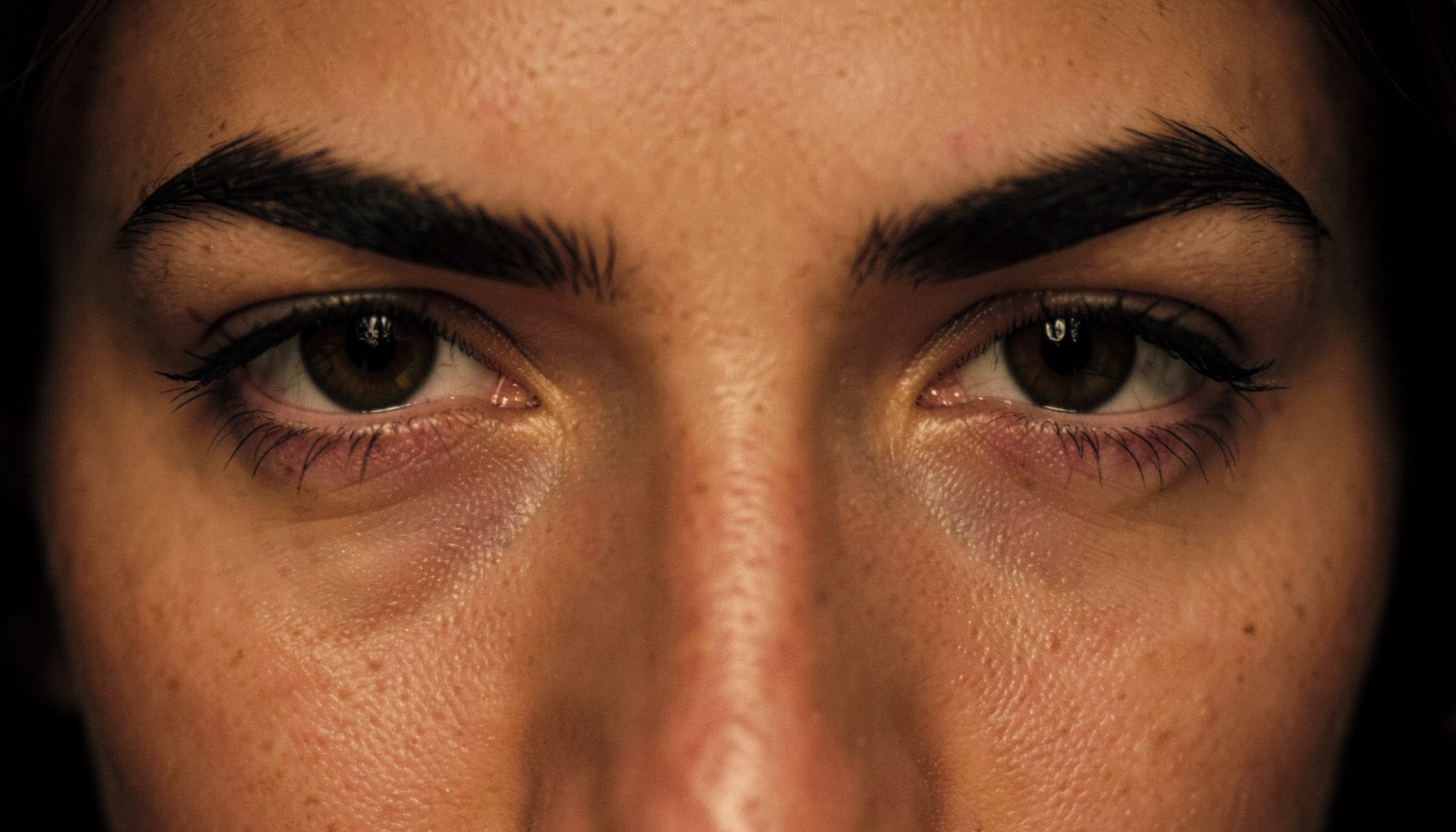
Eye Shape Guide
Understand your eye shape, master makeup techniques, and explore every treatment option — from Botox brow lifts to surgical solutions.
Explore the Site
Eyeshadow placement, blending techniques, and common mistakes to avoid for a more open, lifted look.
Explore →Winged liner, smudge prevention, and techniques that work with hooded lids to make eyes appear larger.
Explore →Non-surgical Botox brow lifts and surgical options including blepharoplasty, explained clearly.
Explore →Five false lash styles suited to hooded eyes, plus curler and mascara guidance for maximum lift.
Explore →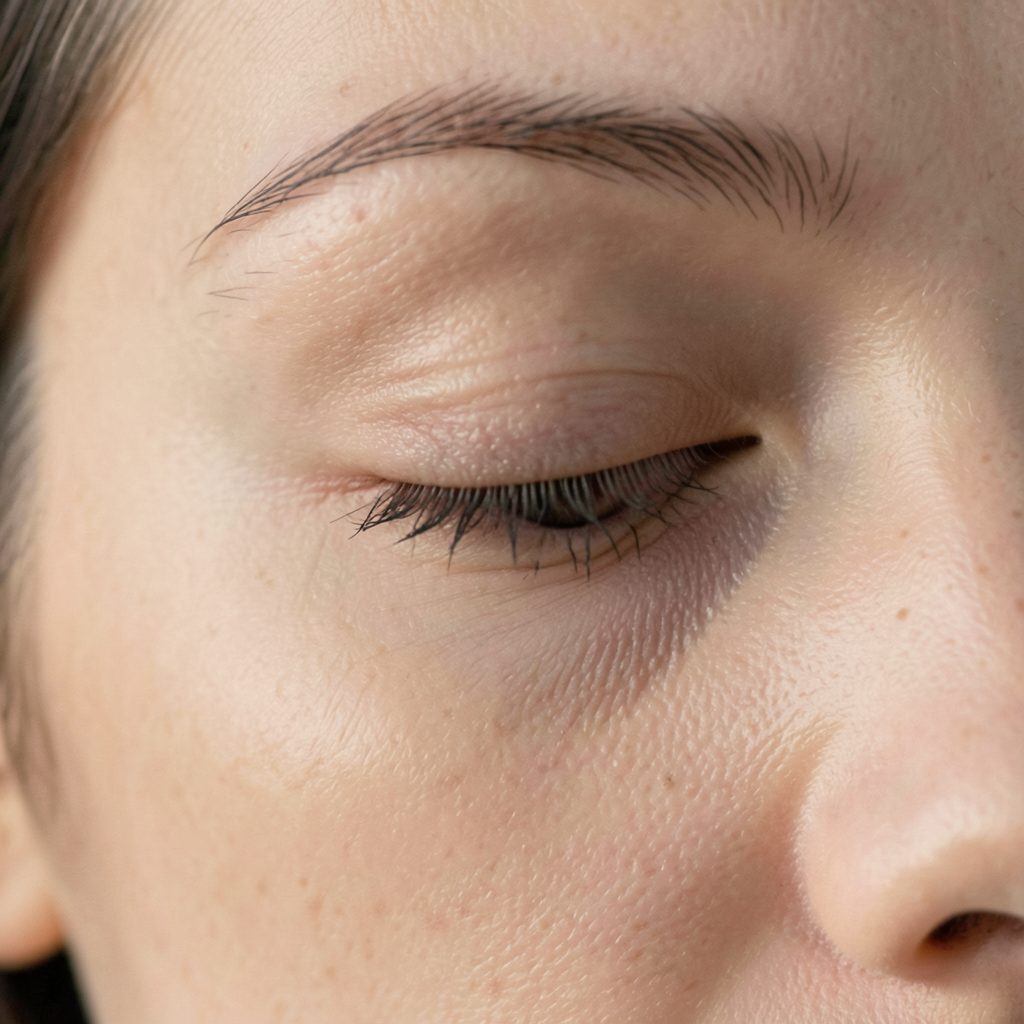
What Are Hooded Eyes?
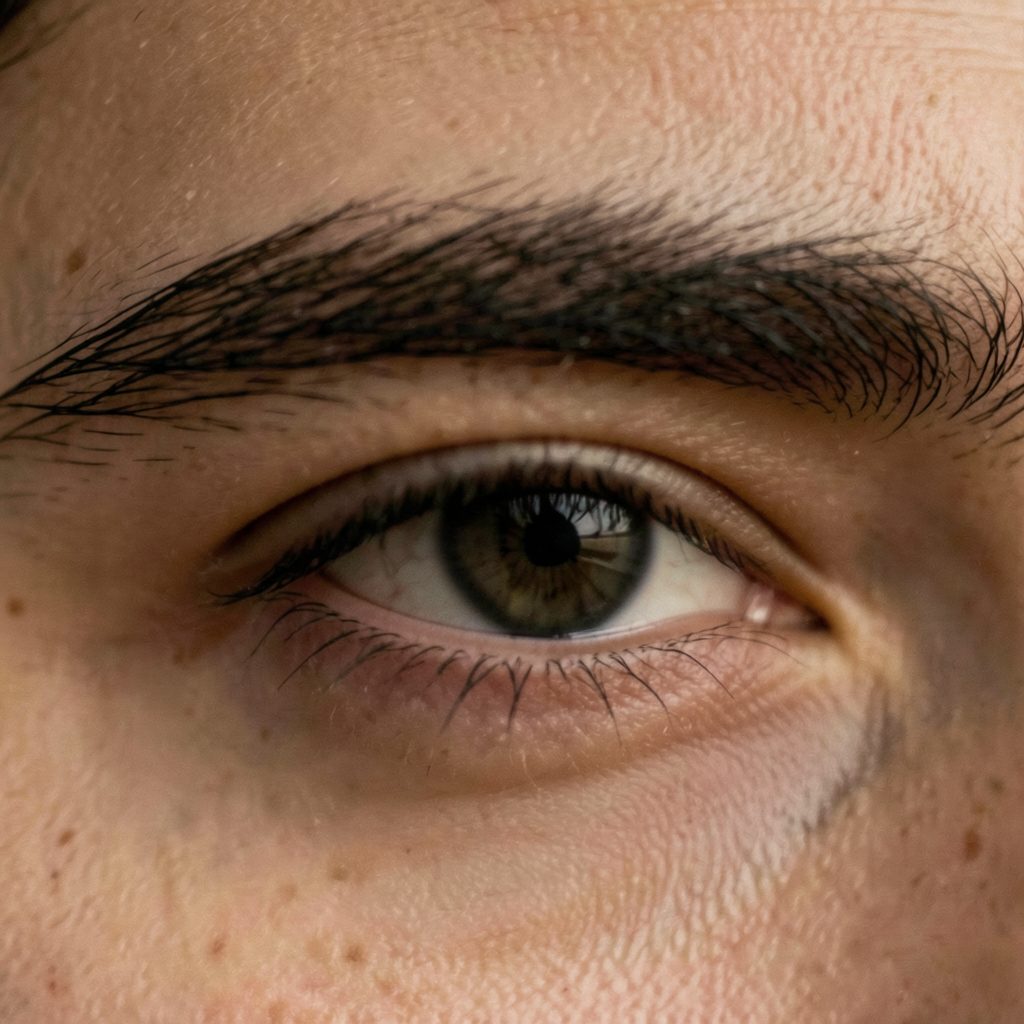
Hooded eyes are a natural eye shape where an excess piece of skin from the brow bone partially or completely covers the eyelid. The result can make eyes appear smaller or more tired than they feel.
This shape can be present from birth due to genetics, or it can develop over time. Known causes include aging, genetic traits, eye rubbing, body fatness, muscle structure, trauma, solar radiation, and sleep apnea.
Hooded eyes are the most common eye shape in Australia, shared by people from Perth to Brisbane, yet many brushes marketed as "essential" simply do not reach the small canvas left visible once the lid folds inward. When the brow bone is also deeply set into the socket, the workable space shrinks further and a wash of colour can disappear into shadow before lunch in the Sydney summer heat. Picking a brush that fits this anatomy is less about collecting another pretty tool and more about choosing shapes that deliver pigment exactly where light catches the lid. Learn more about Hooded Eyes Eyeliner.
The Australian beauty market is unusually saturated, with MECCA, Adore Beauty, Priceline and Sephora AU all stocking international brands alongside local favourites, so the choice can feel paralysing. Cruelty-free certification is often non-negotiable for buyers, and the Goods and Services Tax adds a consistent ten per cent to every cart total, making brush sets a real investment. That makes the shape, density and fibre of each tool genuinely worth understanding before adding to the basket.
Most eye brushes on a standard magnetic palette are designed for a flat lid with a visible crease, so pigment falls across the area evenly. On a deep set hooded lid, the crease sits higher than the fold and much of the shadow lives behind bone rather than on skin. A brush must therefore be small enough to land colour in the socket pocket and fluffy enough to diffuse the edge before it migrates south into the fold.
This is a guide to the blending brushes that work in real life for deep set hooded lids, the fibres that hold up in the humidity of a Darwin afternoon, and the care habits that keep tools working for years. It does not rely on the highest priced name on the shelf, because shape and density matter far more than branding for a recessed lid.
A deep set hooded eye sits further back into the skull, which means the brow bone protrudes slightly and casts a natural shadow across the lid. Add the hooded fold, where a flap of skin drapes over the crease, and the visible lid becomes a narrow strip from the lash line to the fold. Pigment applied with a wide brush tends to land on the brow bone and on the cheekbone area, leaving the actual lid untouched.
A useful rule is to find the highest point of the brow bone with a fingertip and imagine the lid as everything below that ridge. Blending must happen within this pocket, not above it, so the brush head needs a small footprint. A dense, oversized fluffy head will simply push colour above the fold where it never reads in a mirror.
A second consideration is the placement of the transition shade, which is the medium tone used to soften the line between the lighter lid colour and the deeper outer corner. On a deep set hooded lid the transition needs to sit in the crease pocket, which is higher than the lid fold. The brush tip should be narrow enough to thread the shade into this pocket without depositing heavy pigment on the brow bone above.
Synthetic fibres have improved dramatically in the last decade, and most modern vegan taklon brushes now rival natural goat hair in softness. They are easier to clean, do not absorb as much product and stand up to the strong UV light and humidity found along the eastern seaboard. For a deep set hooded lid, taklon fibres are especially useful because they push pigment rather than sweep it, giving more control in a small area.
Natural fibres such as goat, squirrel or pony hair still have a place for diffusing soft washes of powder. They pick up more pigment and release it gradually, which suits a sheer transition shade. The trade-off is that natural brushes wear faster in salty coastal air, so a brush bought in Byron Bay or a coastal Adelaide suburb may need replacing sooner than one kept in a climate-controlled Melbourne apartment.
Density matters more than fibre for hooded blending. A loosely packed head diffuses softly but can drop pigment outside the intended area. A densely packed head pushes colour into place but can leave harsh lines if not cleaned. For the Australian climate, a medium density taklon brush with a slightly tapered tip is the most forgiving tool for everyday use, especially when the air is dry and powder can cling to the lid for hours.
The crease brush is the workhorse for any hooded eye, and for a deep set lid it becomes the single most important tool. Look for a head roughly the size of a five cent coin, with a soft taper and a slightly pointed tip. The point helps thread colour into the socket pocket while the wider base diffuses the edges.
Brands such as Sigma, Morphe, Real Techniques and the local label Luxie are easy to find in Australian MECCA and Priceline stores. Each offers a tapered crease brush in the mid price range, often between twenty-five and forty Australian dollars. Higher end options from brands like Wayne Goss or Chikuhodo are stocked online through Adore Beauty for those willing to invest.
The technique is to load the brush, tap off the excess, and place the tip in the outer third of the crease. Then use tiny circular motions, often called windshield wipers, to diffuse the shade upward toward the brow bone. The brush should be small enough that the circular motion stays within the socket rather than sweeping above it.
The tapered blending brush is fluffier than the crease brush and slightly larger, designed to soften any harsh lines left by smaller tools. It is the second pass tool, used after the crease shade has been placed, to blend the transition into the brow bone without depositing too much additional pigment.
For a deep set hooded lid, a tapered brush with a head roughly the size of a ten cent coin works well, as long as the tip is still pointed enough to fit inside the socket. A brush that is too wide will streak colour across the brow bone, where it is hidden anyway and only adds to fall out on the cheek.
MAC's 217, the Sigma E25, the Morphe M433 and the Real Techniques 200 are all readily available in Australian stores and ship quickly from local warehouses. A good test is to run the brush across the back of the hand and check whether the tip still feels soft and pointed rather than splaying flat. A brush that splays after a few uses will not blend a hooded crease without smearing.
Shader brushes are flat and dense, used to pack colour onto the lid. For hooded eyes the brush head needs to be narrow, around the width of the lid, so the entire strip can be covered in one press. A wider shader will overlap the fold and waste pigment on skin that is never seen.
The packer brush can be slightly smaller and even more dense, useful for pressing a shimmer or foil finish into the lid. A dense taklon shader with a flat top, such as the Sigma E60 or the Morphe M124, gives strong colour payoff without fallout. For those who prefer a softer finish, the Zoeva 234 is a popular pick and is stocked through Australian online retailers.
When packing shimmer onto a deep set hooded lid, press rather than sweep. Sweeping pushes pigment into the crease where it creases and falls during the day, while pressing locks the colour into place. A clean fingertip can also be used, but a flat shader gives a more even layer, especially when the air is humid and fingers can drag the product.
Pencil brushes have a small, firm tip shaped like a sharpened pencil, perfect for darkening the outer V or smudging colour along the upper lash line. On a hooded lid the outer V is often the only part of the shadow that actually reads in a mirror, so a precise tool matters.
The smudge brush is slightly fluffier, used to soften eyeliner or to add a soft haze along the lower lash line. Many makeup lovers overlook the lower lash line for hooded eyes, but a touch of shadow here balances the upper lid and stops the eye from looking heavy. The right brush for this step should be small enough to fit between the lashes without scratching.
A useful cross-reference for anyone working on a deep set hooded eye is this detailed guide to hooded eyes eyeliner, which explains how lash line work interacts with the lid fold. Pairing a clean pencil brush with a steady hand creates a soft, lived-in line that does not transfer onto the hood above.
The following table summarises the five brushes most useful for blending shadows on a deep set hooded eye, with their typical role and a representative example for Australian shoppers.
| Brush type | Head shape | Best for | Bristle density | Example available in Australia |
|---|---|---|---|---|
| Crease brush | Small, tapered, pointed | Threading transition shade into socket | Medium | Sigma E25, MAC 217 |
| Tapered blending | Fluffy, slightly larger | Softening edges, second pass | Loose | Real Techniques 200, Morphe M433 |
| Flat shader | Flat, narrow | Packing colour onto the lid strip | Dense | Sigma E60, Zoeva 234 |
| Packer | Compact, firm | Pressing shimmer or foil finish | Very dense | Morphe M124, IT Cosmetics 330 |
| Pencil | Small, firm tip | Outer V, lash line smudge | Firm | MAC 219, Sigma E30 |
Some brush shapes are tempting but rarely suit a deep set hooded lid. Large fluffy powder brushes repurposed for eyes are too wide and create a halo of colour above the crease. Fluffy domed brushes marketed as all over workhorses often have rounded tips that cannot reach into the socket pocket.
A second category to avoid is cheap synthetic brushes with rough fibres. They feel scratchy on the delicate skin above the lash line, and they tend to drop bristles as the glue breaks down in the Australian humidity. Brushes sold in bulk sets at discount stores for under fifteen dollars often fall into this group.
Finally, the newer micro brushes with tiny heads are useful for precise placement but blend too small an area to act as the main blending tool. They are best treated as a finishing brush for the outer V or a small inner corner highlight, not as a replacement for the crease brush.
Brushes need consistent care to keep performing well, especially in a country where the climate ranges from tropical humidity in Darwin to dry heat in inland Queensland. Powder builds up quickly, and pigment can stain lighter bristles after a few uses.
A good set of brushes turns into a real routine when paired with the right prep. Eyeshadow primer is essential in a climate where sweat and oil can dissolve a careful blend within hours, and a thin layer across the lid from the lash line to the brow bone gives every powder something to grip. Setting the primer with a tiny dusting of translucent powder helps the blending brush glide without streaking.
For those who wear lashes, the routine often extends beyond shadow, and pairing a smudge brush with carefully chosen falsies keeps the look balanced. A useful walkthrough of applying false lashes shows how lash choice and lid work together. Light, wispy styles photograph beautifully in the bright Australian sun and do not pull on the hood above the lash line.
The final step is a soft, well-blended transition. Once the brushes are clean and the technique feels natural, blending shadows on a deep set hooded eye becomes a quick daily habit rather than a long ritual. Try one new brush at a time, see how it shapes the socket, and build a small, focused kit that earns its place in the drawer.
Surgical Option
For those seeking a more lasting result, plastic surgery — including blepharoplasty — is covered as a treatment option for hooded eyes. Surgery addresses the excess skin directly and is considered an alternative to non-surgical approaches like Botox.
The site's surgery guide explains the procedure, what to expect, and how it compares to non-surgical routes, helping readers make informed decisions about their options.
Read the Surgery Guide →Famous Faces
Hooded eyes can enhance facial expressions and contribute to a distinctive, memorable look. These ten well-known figures all share the eye shape.
Jennifer Aniston
Leonardo DiCaprio
Solange Knowles
Taylor Swift
Michelle Williams
Robert Pattinson
Blake Lively
Selena Gomez
Gigi Hadid
Benicio del Toro
Side by Side
False Lash Guide
Varied length spikes create texture and the illusion of depth without weighing down the lid.
Longer outer-corner lashes draw the eye outward and upward, counteracting the hood effect.
A uniform, moderate length that adds definition without overwhelming a hooded lid.
Applied only to the outer half, these open up the eye shape and are easier to manage on hooded lids.
A strong upward curl (D or L curl) lifts lashes away from the hood, keeping them visible throughout the day.
The guide also covers lash curlers, mascara recommendations, and step-by-step instructions for fixing false lashes on hooded eyelids.
Full Lash Guide →Get in Touch
Whether you are just beginning your makeup journey or have been experimenting with different looks for years, we are glad you are here.
General Feedback
Share your thoughts on the site or suggest topics you'd like covered.
Looking for a Specific Tip?
Ask about a particular technique or eye-shape challenge.
Product Questions
Questions about products mentioned across the site.
Human Resources or Business Inquiries
Partnership, collaboration, or business-related correspondence.