01
Makeup Tips
Eyeshadow placement, blending techniques, and common mistakes to avoid for a more open, lifted look.
Explore →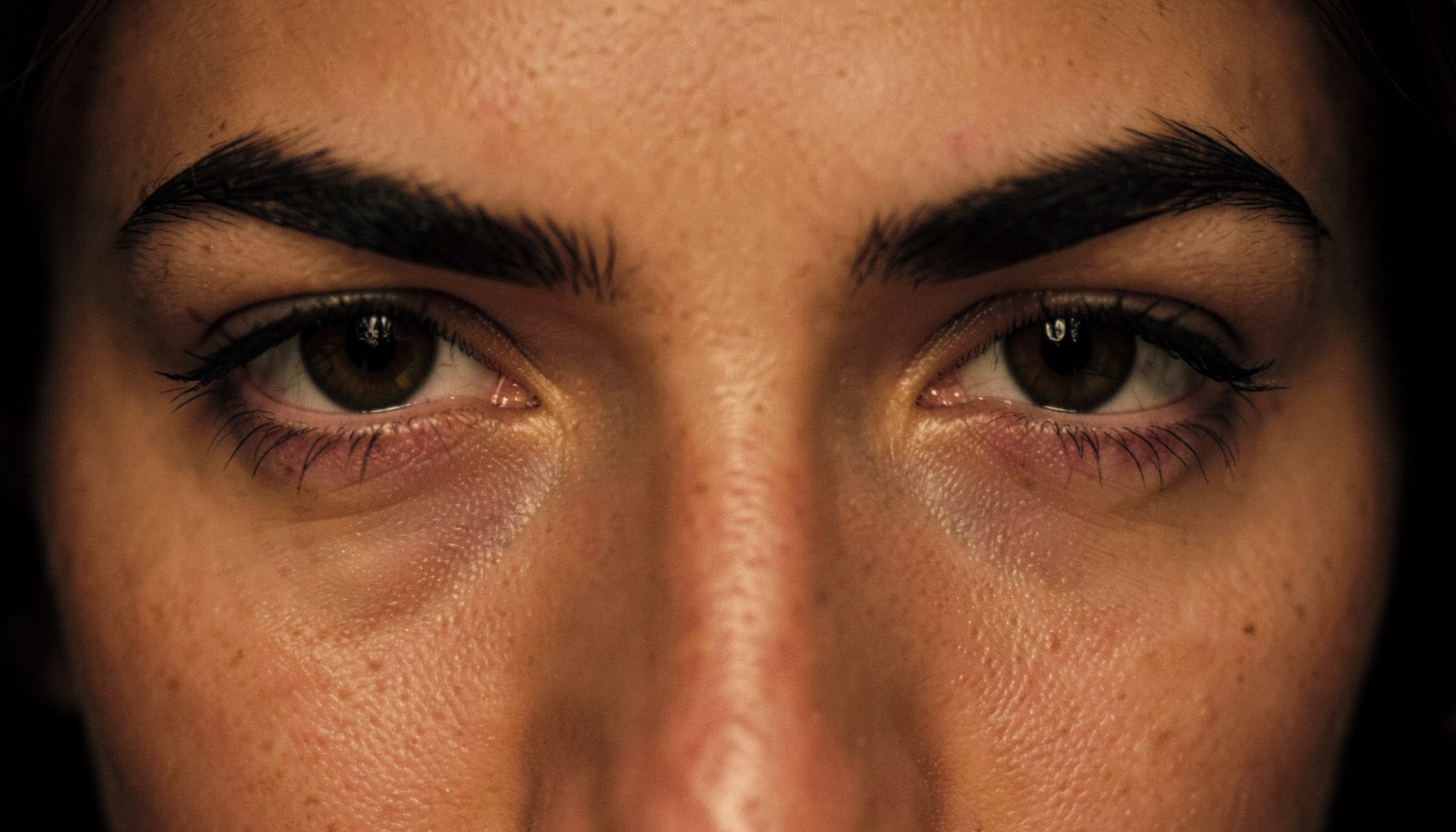
Eye Shape Guide
Understand your eye shape, master makeup techniques, and explore every treatment option — from Botox brow lifts to surgical solutions.
Explore the Site
Eyeshadow placement, blending techniques, and common mistakes to avoid for a more open, lifted look.
Explore →Winged liner, smudge prevention, and techniques that work with hooded lids to make eyes appear larger.
Explore →Non-surgical Botox brow lifts and surgical options including blepharoplasty, explained clearly.
Explore →Five false lash styles suited to hooded eyes, plus curler and mascara guidance for maximum lift.
Explore →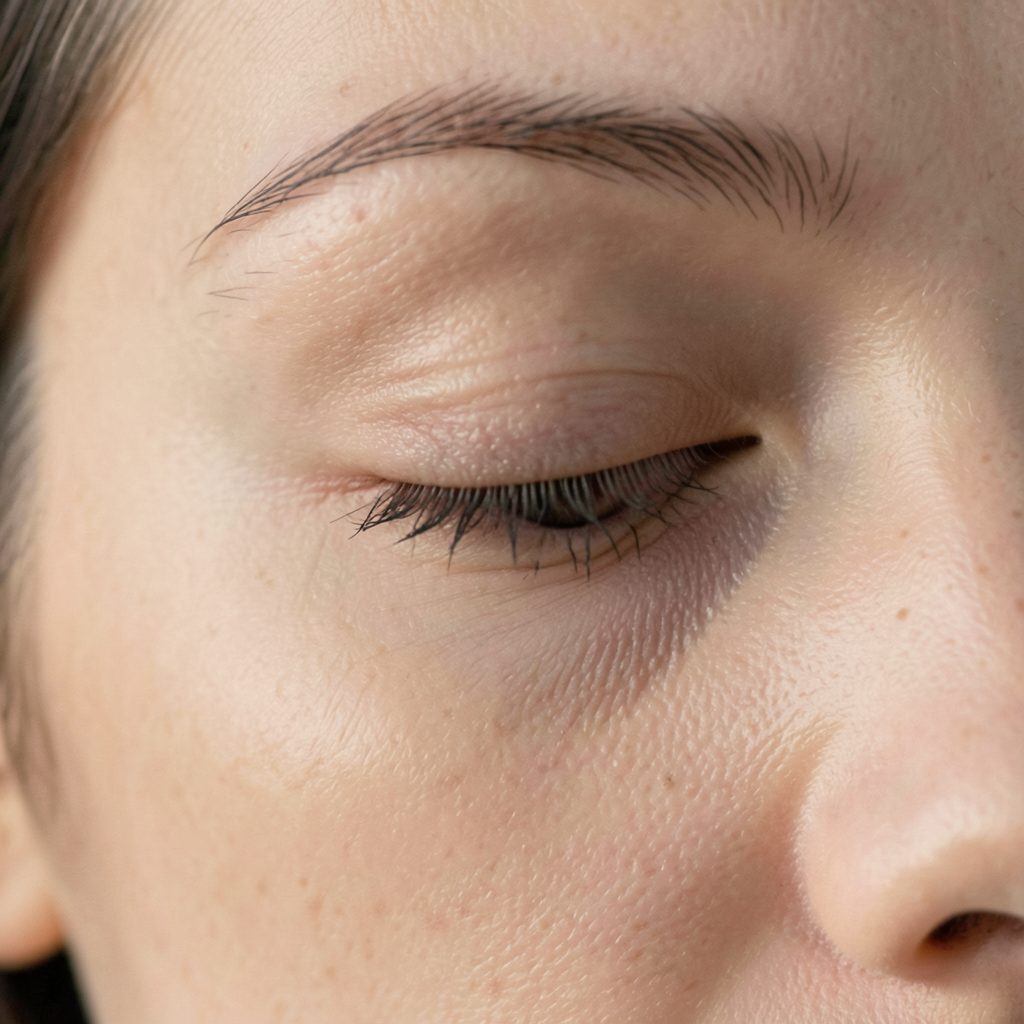
What Are Hooded Eyes?
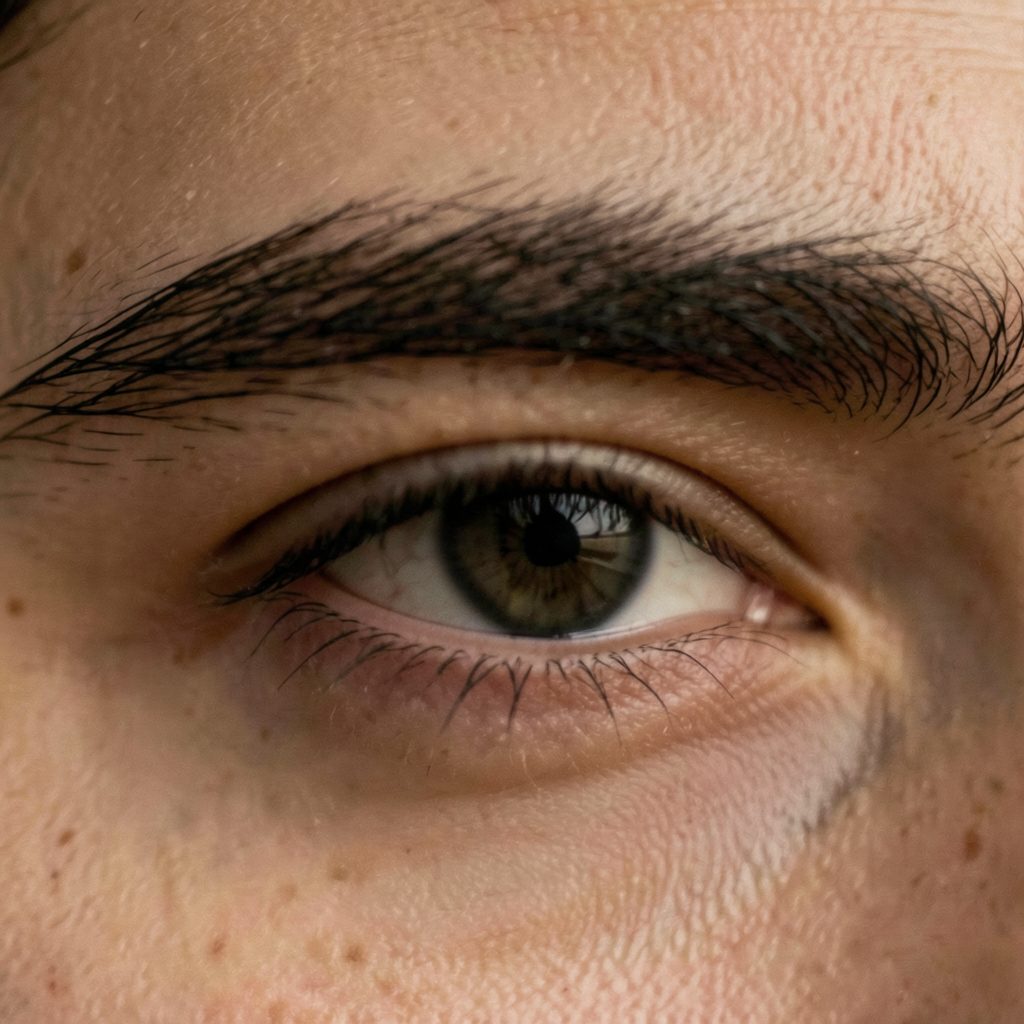
Hooded eyes are a natural eye shape where an excess piece of skin from the brow bone partially or completely covers the eyelid. The result can make eyes appear smaller or more tired than they feel.
This shape can be present from birth due to genetics, or it can develop over time. Known causes include aging, genetic traits, eye rubbing, body fatness, muscle structure, trauma, solar radiation, and sleep apnea.
Hooded eyes have a fold of upper-eyelid skin that sits over, or partly covers, the natural crease. For some people, this is simply their inherited eye shape. For others, the hood becomes heavier with age as the forehead, brow, eyelid skin, fat compartments, and supporting tissues gradually change.
A facelift is designed mainly to improve sagging in the cheeks, jawline, jowls, and neck. It does not directly remove excess upper-eyelid skin. However, a facelift may be performed alongside a brow lift or blepharoplasty, and those procedures can change how hooded eyes look. Understanding which structure is responsible for the heaviness is essential before choosing treatment.
The term “hooded eyes” describes an appearance rather than one single medical condition. The upper-lid fold may be hidden by excess skin, a low brow, a naturally deep orbital structure, or a combination of these factors. Some people also have eyelid ptosis, where the upper eyelid margin itself sits lower because the lifting muscle or its tendon is weakened.
Ageing can make the hood more noticeable. Skin loses elasticity, the forehead may descend, and the brow can settle closer to the eye. Repeated sun exposure may contribute to skin laxity, which is especially relevant in Australia, where outdoor lifestyles and strong ultraviolet light can affect facial skin over time. A hooded appearance may also vary from one side to the other.
Makeup can disguise some types of hooding, but technique needs to match the anatomy. A higher transition shade, thin eyeliner, curled lashes, and strategically placed mascara may open the eyes visually. The educational material at The Hooded Eyes helps distinguish natural hooding from changes that may need professional assessment.
A traditional facelift tightens and repositions facial tissues in the lower two-thirds of the face. It can soften jowls, improve loose cheek skin, and define the jaw and neck. These changes may make the face appear fresher, but they do not usually correct a heavy upper-eyelid fold.
There can be an indirect connection through the brow. If forehead and temple tissues are pulling the outer brow downward, lifting the brow may reduce some skin pressing onto the upper eyelid. A facelift alone is not the same as a brow lift, though, and any apparent eye-opening effect is usually limited when the brow is the main cause.
The distinction matters because removing eyelid skin when the real issue is brow descent can produce an unsatisfactory result. In some cases, taking too much skin may create tightness, an unnatural expression, or difficulty closing the eyes. A specialist must assess the forehead, brow position, eyelid crease, eyelid margin, and visual field together rather than treating the fold in isolation.
A consultation generally begins with questions about family features, changes over time, headaches, tired eyes, dry-eye symptoms, vision obstruction, and previous eye or facial procedures. The surgeon may examine the strength of the eyelid-lifting muscle, measure brow height, assess asymmetry, and ask you to relax the forehead rather than constantly lifting the brows.
Photographs are useful, but they do not tell the whole story. Lighting, brow grooming, facial expression, camera angle, and filters can make eyelids look more or less hooded. Celebrity images can be particularly misleading because professional makeup, retouching, and carefully controlled lighting alter the apparent eye shape.
If surgery is being considered, preparation may include a medication review, smoking advice, medical history, and instructions about products that can increase bruising. The guidance on preparing for upper blepharoplasty is relevant even when eyelid surgery is being discussed as part of a broader facial plan.
The most suitable procedure depends on the tissue causing the hooded appearance. A facelift addresses laxity in the mid and lower face. Upper blepharoplasty removes or reshapes selected eyelid skin and, when appropriate, adjusts fat or muscle. A brow lift elevates descended forehead and brow tissues, with different techniques producing different effects at the inner, central, or outer brow.
Some patients benefit from combining procedures, while others need only one. Combining surgery can create a more balanced result, yet it also increases operating time, recovery demands, and the number of areas that need monitoring. A surgeon should explain why each procedure is recommended rather than presenting a package as the default solution.
| Procedure | Main area treated | Likely effect on hooded eyes | Common considerations |
|---|---|---|---|
| Facelift | Cheeks, jawline, jowls, neck | Usually little direct change | Does not remove upper-lid skin |
| Upper blepharoplasty | Upper eyelid skin and selected tissues | Directly reduces an eyelid fold | May not correct a low brow or ptosis |
| Brow lift | Forehead and brow position | Can reduce skin pressing down from above | May alter forehead movement or hairline |
| Ptosis repair | Eyelid-lifting mechanism | Raises a low eyelid margin | Requires careful functional assessment |
| Combined surgery | More than one facial region | Can address several causes together | Longer recovery and added risks |
Terminology also differs between clinics. A “facelift with eye lift” may mean a facelift combined with upper blepharoplasty, a brow lift, or both. Ask for the exact procedure names and the tissues being changed. In Australia, checking that the practitioner is registered with the Australian Health Practitioner Regulation Agency and asking where surgery will occur are sensible parts of due diligence.
Recovery from facial surgery is variable. Swelling and bruising around the eyes can temporarily make hooding look worse before it looks better. Tightness, numbness, uneven swelling, and changes in eyelid position may settle gradually. The week-by-week recovery guide can help set realistic expectations for upper-eyelid healing.
A facelift and eyelid procedure may be performed in a private hospital or accredited day-surgery setting, depending on the operation and the surgeon’s plan. In Sydney, Melbourne, Brisbane, Perth, Adelaide, and regional centres, costs can vary considerably with anaesthetic fees, hospital charges, facility fees, and the number of procedures combined. Cosmetic surgery is generally not covered by Medicare, although limited rebates may apply when a procedure meets strict medical criteria, such as documented visual obstruction.
Before booking, keep the following practical points in mind.
Questions for the consultation
Details to check before surgery
The best result is usually based on proportion rather than maximum lifting or skin removal. A brow that is raised too high can look surprised, while an eyelid that has been over-tightened may feel uncomfortable or fail to close normally. Surgeons also need to account for dry eye, previous laser eye surgery, contact-lens use, thyroid eye disease, allergies, and habits such as frequent forehead movement.
Non-surgical options may be discussed when the change is mild. Botox brow treatment can sometimes create a subtle lift at the outer brow by relaxing selected muscles, but the effect is temporary and depends heavily on injection placement. It cannot remove excess eyelid skin or reliably correct true ptosis. Incorrect dosing can cause brow or eyelid drooping, so treatment should be performed by a qualified, appropriately trained practitioner.
A facelift may still be worthwhile for lower-face ageing even when it does little for hooded eyes. Conversely, someone with good cheek and jaw definition may gain little from a facelift if the main concern is upper-lid heaviness. Separating these concerns helps prevent an expensive operation from being chosen for the wrong anatomical problem.
Bring clear, unfiltered photographs and a list of medicines to your appointment. Be open about previous procedures and health conditions, and allow enough time for swelling to settle before judging the final appearance. If hooding is affecting peripheral vision, causing eye strain, or changing rapidly, seek a medical assessment rather than relying only on cosmetic advice.
An informed consultation is the next step: ask a qualified Australian specialist to identify whether your hooded appearance comes from the eyelid, brow, forehead, or several areas together. Request a personalised treatment plan, a complete cost estimate, and written aftercare instructions before deciding whether a facelift, brow lift, blepharoplasty, or no procedure is appropriate.
Surgical Option
For those seeking a more lasting result, plastic surgery — including blepharoplasty — is covered as a treatment option for hooded eyes. Surgery addresses the excess skin directly and is considered an alternative to non-surgical approaches like Botox.
The site's surgery guide explains the procedure, what to expect, and how it compares to non-surgical routes, helping readers make informed decisions about their options.
Read the Surgery Guide →Famous Faces
Hooded eyes can enhance facial expressions and contribute to a distinctive, memorable look. These ten well-known figures all share the eye shape.
Jennifer Aniston
Leonardo DiCaprio
Solange Knowles
Taylor Swift
Michelle Williams
Robert Pattinson
Blake Lively
Selena Gomez
Gigi Hadid
Benicio del Toro
Side by Side
False Lash Guide
Varied length spikes create texture and the illusion of depth without weighing down the lid.
Longer outer-corner lashes draw the eye outward and upward, counteracting the hood effect.
A uniform, moderate length that adds definition without overwhelming a hooded lid.
Applied only to the outer half, these open up the eye shape and are easier to manage on hooded lids.
A strong upward curl (D or L curl) lifts lashes away from the hood, keeping them visible throughout the day.
The guide also covers lash curlers, mascara recommendations, and step-by-step instructions for fixing false lashes on hooded eyelids.
Full Lash Guide →Get in Touch
Whether you are just beginning your makeup journey or have been experimenting with different looks for years, we are glad you are here.
General Feedback
Share your thoughts on the site or suggest topics you'd like covered.
Looking for a Specific Tip?
Ask about a particular technique or eye-shape challenge.
Product Questions
Questions about products mentioned across the site.
Human Resources or Business Inquiries
Partnership, collaboration, or business-related correspondence.