01
Makeup Tips
Eyeshadow placement, blending techniques, and common mistakes to avoid for a more open, lifted look.
Explore →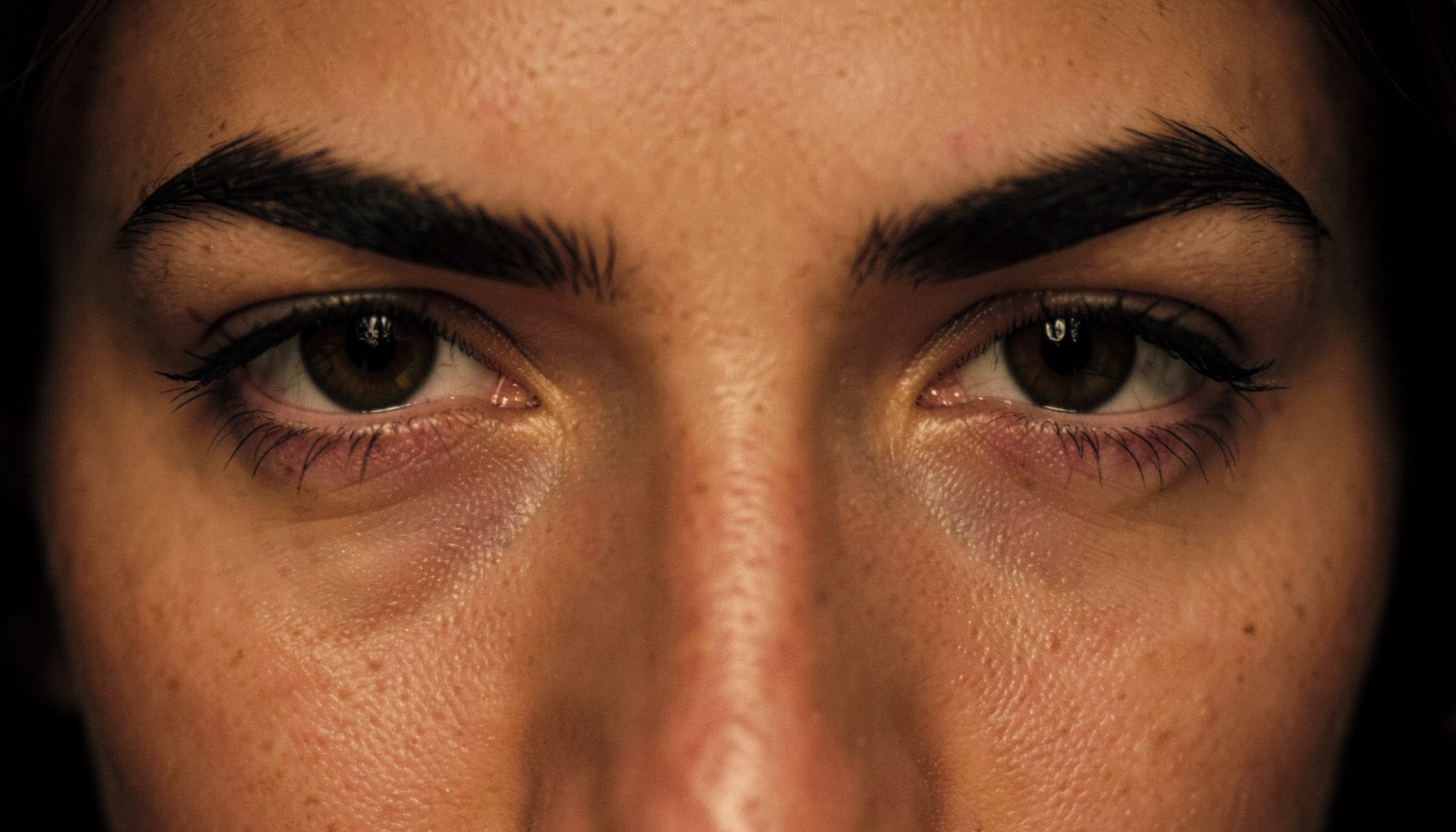
Eye Shape Guide
Understand your eye shape, master makeup techniques, and explore every treatment option — from Botox brow lifts to surgical solutions.
Explore the Site
Eyeshadow placement, blending techniques, and common mistakes to avoid for a more open, lifted look.
Explore →Winged liner, smudge prevention, and techniques that work with hooded lids to make eyes appear larger.
Explore →Non-surgical Botox brow lifts and surgical options including blepharoplasty, explained clearly.
Explore →Five false lash styles suited to hooded eyes, plus curler and mascara guidance for maximum lift.
Explore →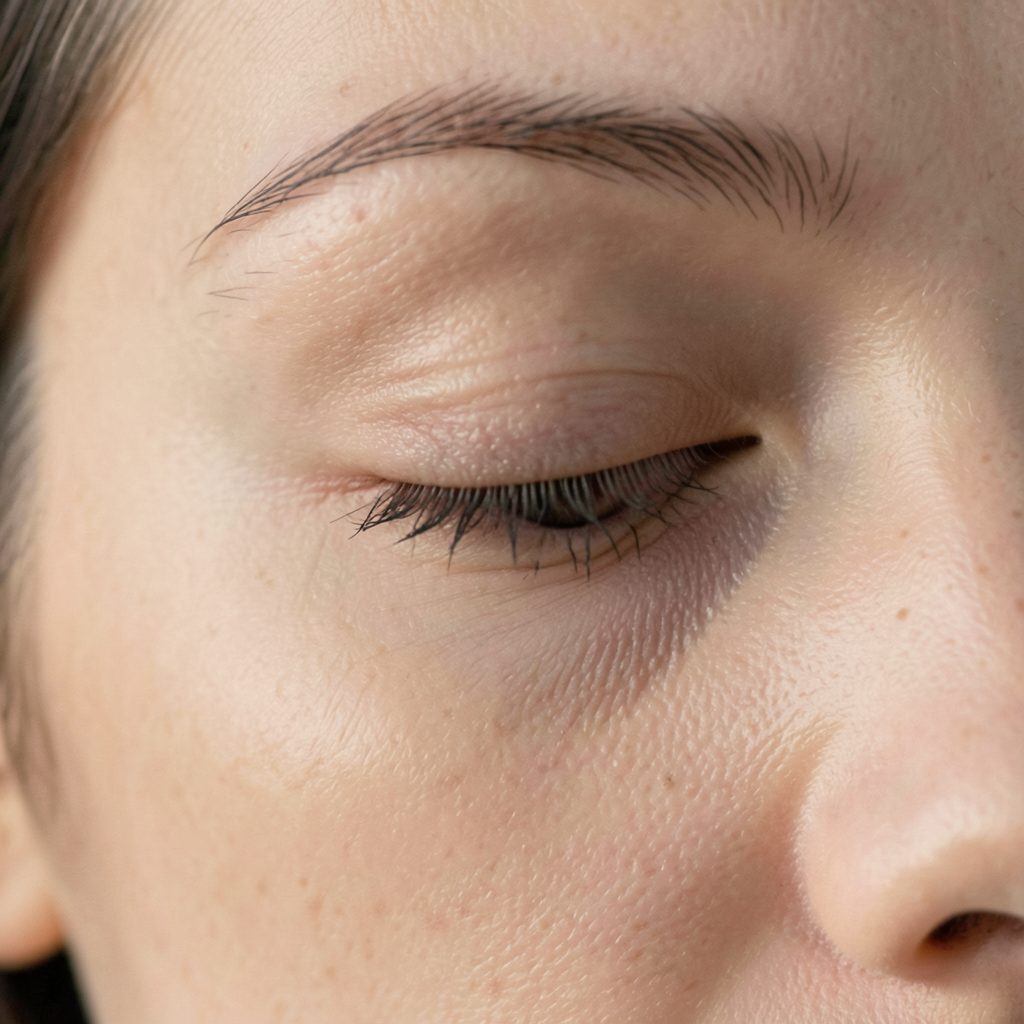
What Are Hooded Eyes?
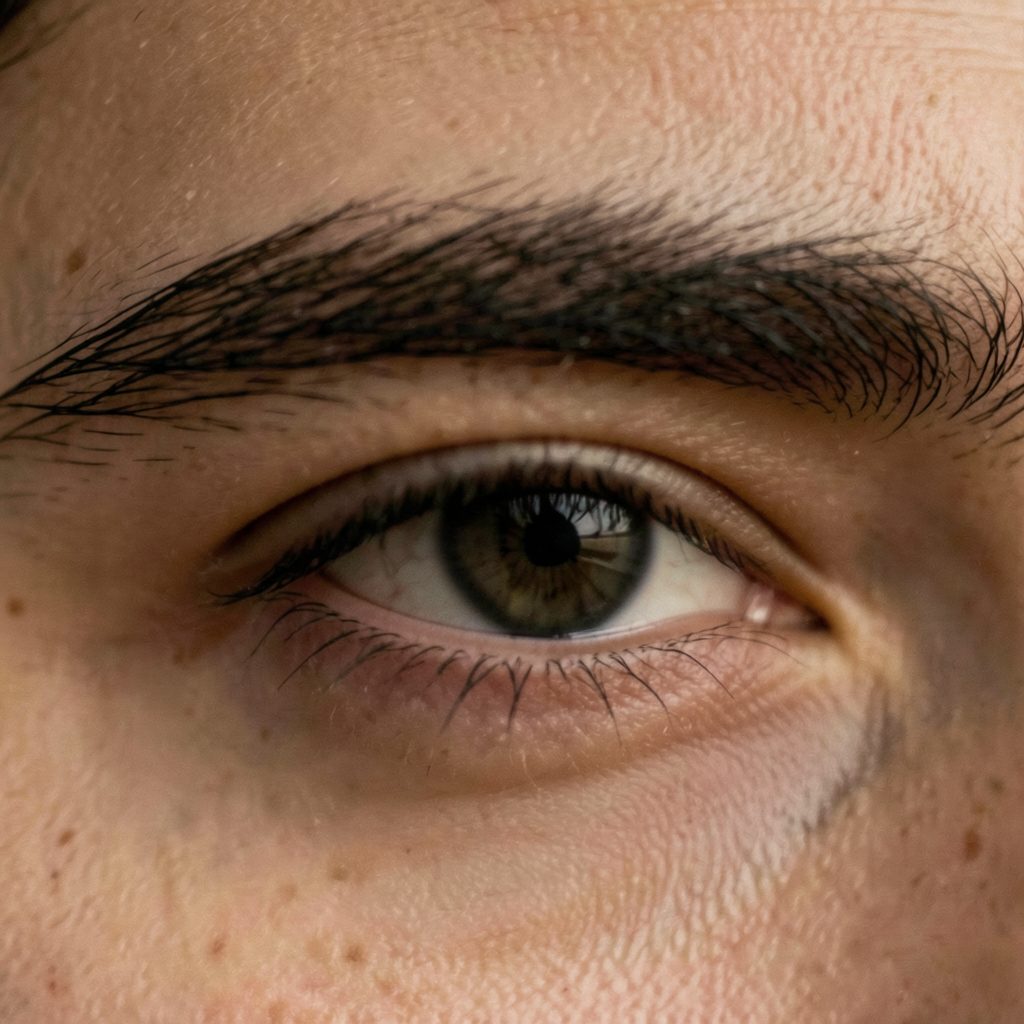
Hooded eyes are a natural eye shape where an excess piece of skin from the brow bone partially or completely covers the eyelid. The result can make eyes appear smaller or more tired than they feel.
This shape can be present from birth due to genetics, or it can develop over time. Known causes include aging, genetic traits, eye rubbing, body fatness, muscle structure, trauma, solar radiation, and sleep apnea.
Hooded eyes are usually described as eyes where extra skin, soft tissue, or the brow structure sits over part of the mobile eyelid. Some people are born with this shape, while others notice a gradual change as the forehead, brow, and upper eyelid tissues lose firmness. A lowered brow can make that change look much more pronounced.
When the outer or central brow descends, it may press skin down towards the lash line and cover more of the visible lid. This can create the impression of a fully hooded eye, even when the eyelid itself has not changed dramatically. Understanding the difference helps with makeup placement, treatment decisions, and realistic expectations.
A hooded eye appearance can come from several overlapping factors. Genetics may determine the depth of the eye socket, the position of the brow bone, and the amount of upper-lid skin. Ageing can add another layer through reduced skin elasticity, changes in fat distribution, and weakening of the forehead muscles.
The brow position is especially important because the eyebrow acts as a visual boundary between the forehead and eyelid. If it sits low or gradually moves downwards, the skin beneath it can fold over the crease. A naturally hooded eye may therefore appear heavier, while a previously visible crease may become partly or completely hidden.
Fully hooded eyes do not always look identical. Some have a low brow with a clearly visible inner lid and a covered outer corner. Others have skin extending across almost the entire mobile eyelid. Asymmetry is common, so one eye may appear more hooded than the other.
A drooping eyebrow can create a fully hooded look by pushing the upper-lid skin downward. This is often easiest to notice in photographs taken with a relaxed forehead. People sometimes lift their brows unconsciously when looking in the mirror, temporarily opening the eye and masking the amount of hooding.
Brow descent may affect the inner brow, centre, outer brow, or the whole arch. A lower outer brow can make the outer corner look covered and slightly downturned. A low central brow may place more weight directly above the pupil. When the entire brow sits lower, the upper lid can seem shorter from the lash line to the crease.
The forehead may compensate by contracting the frontalis muscle to hold the eyebrows higher. This can produce horizontal forehead lines, a tired expression, or a sensation of heaviness around the eyes. The compensation may be subtle, especially when it develops slowly over many years.
A useful visual check is to relax the forehead and look straight ahead, rather than raising the brows. Compare the brow position with the upper eyelid crease and observe how much of the mobile lid remains visible. If the crease is present but covered by skin from above, brow descent may be contributing to the hooded effect.
Another clue is a difference between the relaxed and gently lifted brow positions. If lifting the brow reveals considerably more lid space, the brow may be adding weight to the appearance. If very little changes, the main cause may be the eyelid anatomy, a prominent brow bone, or excess upper-lid skin.
Images can help, although camera angle and lighting are influential. A close-up taken from below may make the brow look lower, while a raised chin can make the eyelid seem more exposed. For a balanced comparison, use soft natural light and take relaxed, straight-on photographs. A visual guide to hooded eye eyeliner can also help distinguish lid coverage from eyeliner placement issues.
Makeup should work with the available lid space rather than trying to force a crease where one is hidden. Apply a matte transition shade slightly above the natural fold, checking the placement with the eyes open. This can create visible definition without disappearing when the eyes are relaxed.
Keep darker eyeshadow close to the lash line and outer corner, then blend upwards and outwards in a controlled shape. Very dark colour across the entire hood can make the eye look smaller. Satin or shimmer shades usually work best on the portion of the lid that remains visible, rather than directly beneath the heaviest fold.
Eyeliner is often easier when it is thin at the inner corner and gradually thickens towards the outer edge. A small, lifted wing can open the appearance, but an oversized wing may be covered by the outer hood. For a detailed method that accounts for lid friction and transfer, follow this cat-eye tutorial.
Mascara can make a meaningful difference when the brow is low. Curling the lashes, concentrating product at the roots, and choosing a tubing or humidity-resistant formula may reduce smudging against the hood. In Brisbane or Darwin, heat and humidity can make transfer more noticeable, while Melbourne’s changeable weather can affect drying time and wear.
A brow lift may be discussed when brow descent is a significant reason the upper eyelid looks covered. Non-surgical options such as carefully placed anti-wrinkle injections can subtly relax selected muscles and create a modest brow elevation. Results vary, and excessive treatment may produce an unnatural arch or affect forehead movement.
A surgical brow lift changes the position of the brow more directly. It may be considered when there is clear brow ptosis, forehead heaviness, or a marked difference between the two sides. The appropriate approach depends on brow anatomy, hairline position, forehead height, skin quality, and the amount of lift required.
Blepharoplasty addresses excess upper-eyelid skin and, in some cases, underlying fat or muscle. It does not automatically correct a low brow. Removing eyelid skin while overlooking brow descent can produce an incomplete result or leave the person still feeling that the upper eye is heavy.
Assessment should include the brow at rest, the eyelid crease, forehead muscle activity, eye closure, and any visual field concerns. In Australia, cosmetic procedures are regulated within the healthcare system, so checking that a practitioner is registered with AHPRA and appropriately trained is an important safety step.
Before arranging a consultation, record how the eye area looks in different states. Take relaxed photographs, then repeat them while gently raising the brows. Note whether the heaviness is new, whether one side is more affected, and whether the change is accompanied by headaches, eye strain, or difficulty seeing above the lashes.
A consultation should cover the difference between a brow lift, upper blepharoplasty, and combined treatment. Ask how much improvement is realistic, where scars may sit, how long swelling can last, and what risks apply to your anatomy. A second opinion can be useful when the recommended procedure is extensive or when the diagnosis is unclear.
For Australian patients, costs are usually quoted privately and cosmetic treatment is commonly not covered by Medicare. Some functional eyelid or visual-field problems may be assessed differently, but eligibility depends on clinical circumstances and policy requirements. Allow for travel, time away from work, follow-up appointments, and aftercare rather than comparing the procedure fee alone.
A sensible plan begins by identifying whether the main visual issue is brow position, eyelid skin, muscle activity, or a combination. The following checks can help organise a consultation and avoid choosing a procedure based solely on a single photograph:
Before surgery or injections, disclose previous eye procedures, contact lens use, allergies, medications, and any history of dry eyes. Follow the clinician’s instructions about medicines, alcohol, skincare, and sun exposure. Australia’s strong UV levels make diligent sun protection especially relevant during healing, when the skin and scars may be more sensitive.
A brow lift is designed to elevate or reshape the eyebrow and reduce the downward pressure on the upper eyelid. It may improve forehead heaviness and create more space above the eye, but it may not remove loose eyelid skin. The result can look subtle when the goal is to restore a balanced brow position rather than create a high arch.
Upper blepharoplasty removes or adjusts selected eyelid tissue to increase visible lid space. It can be effective when excess upper-lid skin is the dominant concern. However, removing too much tissue can create a hollow or tight appearance and may affect comfortable eye closure, so conservative planning matters.
Some people have both brow descent and eyelid hooding. In those cases, treating only one area may leave part of the concern unchanged. A qualified assessment should consider facial proportions, eye health, expression, and the desired degree of change rather than treating the brow and eyelid as separate features.
The aim is usually a rested, functional appearance that still suits the person’s natural anatomy. Fully hooded looks can be attractive and expressive, and they do not require correction unless the individual wants a change or the tissue causes functional problems. Makeup, lash styling, and careful brow grooming remain useful options at every stage.
Look at your eyes with the forehead relaxed, compare the visible changes carefully, and use that information to guide both makeup choices and professional discussions. If brow descent is making the lids feel heavy or affecting vision, arrange an assessment with an appropriately qualified Australian practitioner before deciding on treatment.
Surgical Option
For those seeking a more lasting result, plastic surgery — including blepharoplasty — is covered as a treatment option for hooded eyes. Surgery addresses the excess skin directly and is considered an alternative to non-surgical approaches like Botox.
The site's surgery guide explains the procedure, what to expect, and how it compares to non-surgical routes, helping readers make informed decisions about their options.
Read the Surgery Guide →Famous Faces
Hooded eyes can enhance facial expressions and contribute to a distinctive, memorable look. These ten well-known figures all share the eye shape.
Jennifer Aniston
Leonardo DiCaprio
Solange Knowles
Taylor Swift
Michelle Williams
Robert Pattinson
Blake Lively
Selena Gomez
Gigi Hadid
Benicio del Toro
Side by Side
False Lash Guide
Varied length spikes create texture and the illusion of depth without weighing down the lid.
Longer outer-corner lashes draw the eye outward and upward, counteracting the hood effect.
A uniform, moderate length that adds definition without overwhelming a hooded lid.
Applied only to the outer half, these open up the eye shape and are easier to manage on hooded lids.
A strong upward curl (D or L curl) lifts lashes away from the hood, keeping them visible throughout the day.
The guide also covers lash curlers, mascara recommendations, and step-by-step instructions for fixing false lashes on hooded eyelids.
Full Lash Guide →Get in Touch
Whether you are just beginning your makeup journey or have been experimenting with different looks for years, we are glad you are here.
General Feedback
Share your thoughts on the site or suggest topics you'd like covered.
Looking for a Specific Tip?
Ask about a particular technique or eye-shape challenge.
Product Questions
Questions about products mentioned across the site.
Human Resources or Business Inquiries
Partnership, collaboration, or business-related correspondence.