01
Makeup Tips
Eyeshadow placement, blending techniques, and common mistakes to avoid for a more open, lifted look.
Explore →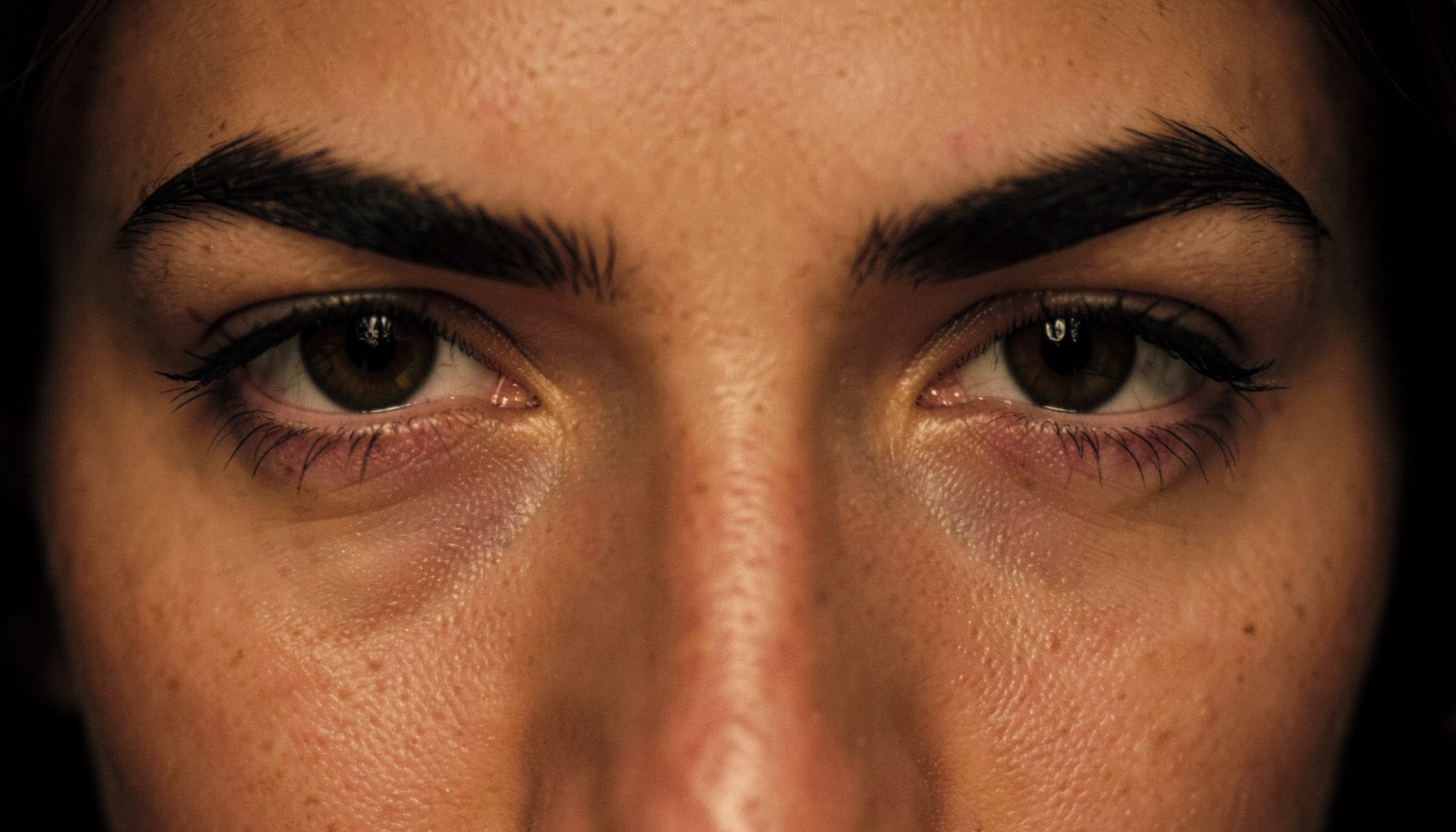
Eye Shape Guide
Understand your eye shape, master makeup techniques, and explore every treatment option — from Botox brow lifts to surgical solutions.
Explore the Site
Eyeshadow placement, blending techniques, and common mistakes to avoid for a more open, lifted look.
Explore →Winged liner, smudge prevention, and techniques that work with hooded lids to make eyes appear larger.
Explore →Non-surgical Botox brow lifts and surgical options including blepharoplasty, explained clearly.
Explore →Five false lash styles suited to hooded eyes, plus curler and mascara guidance for maximum lift.
Explore →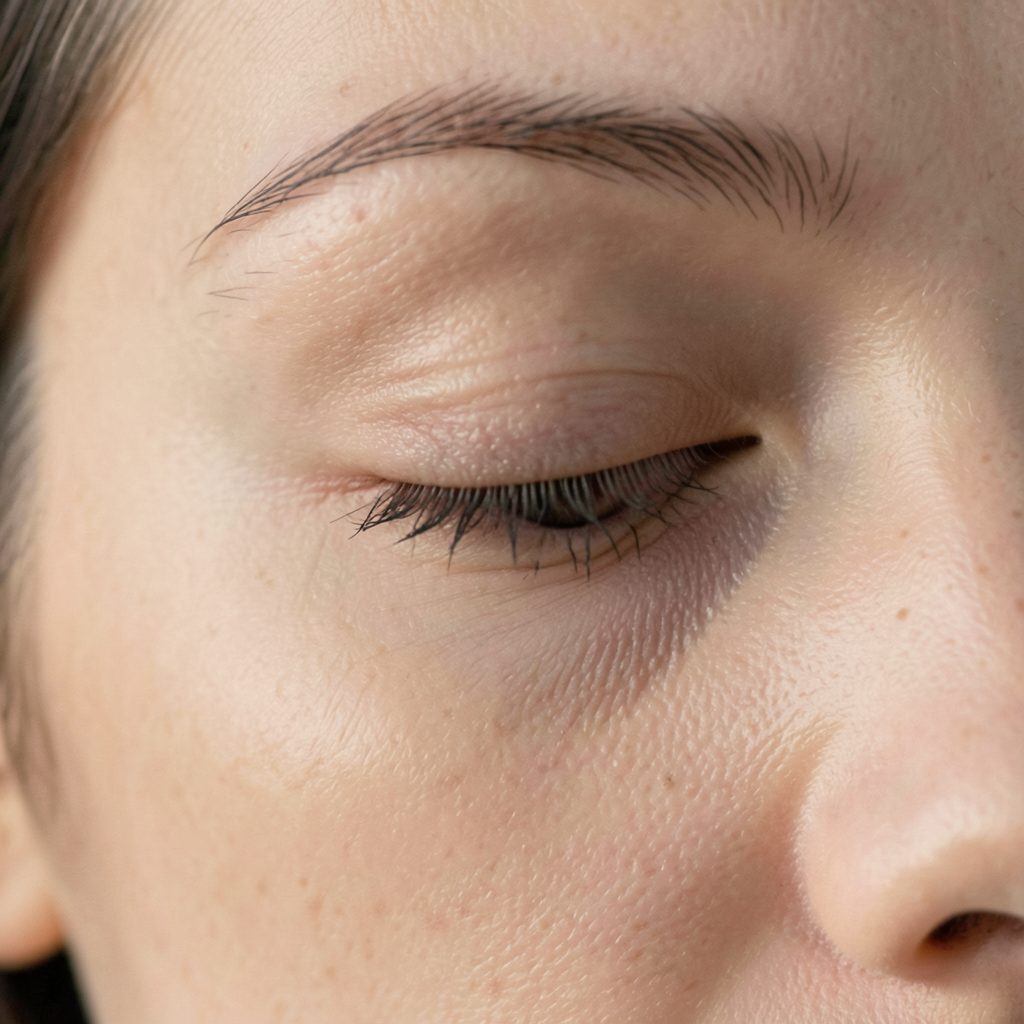
What Are Hooded Eyes?
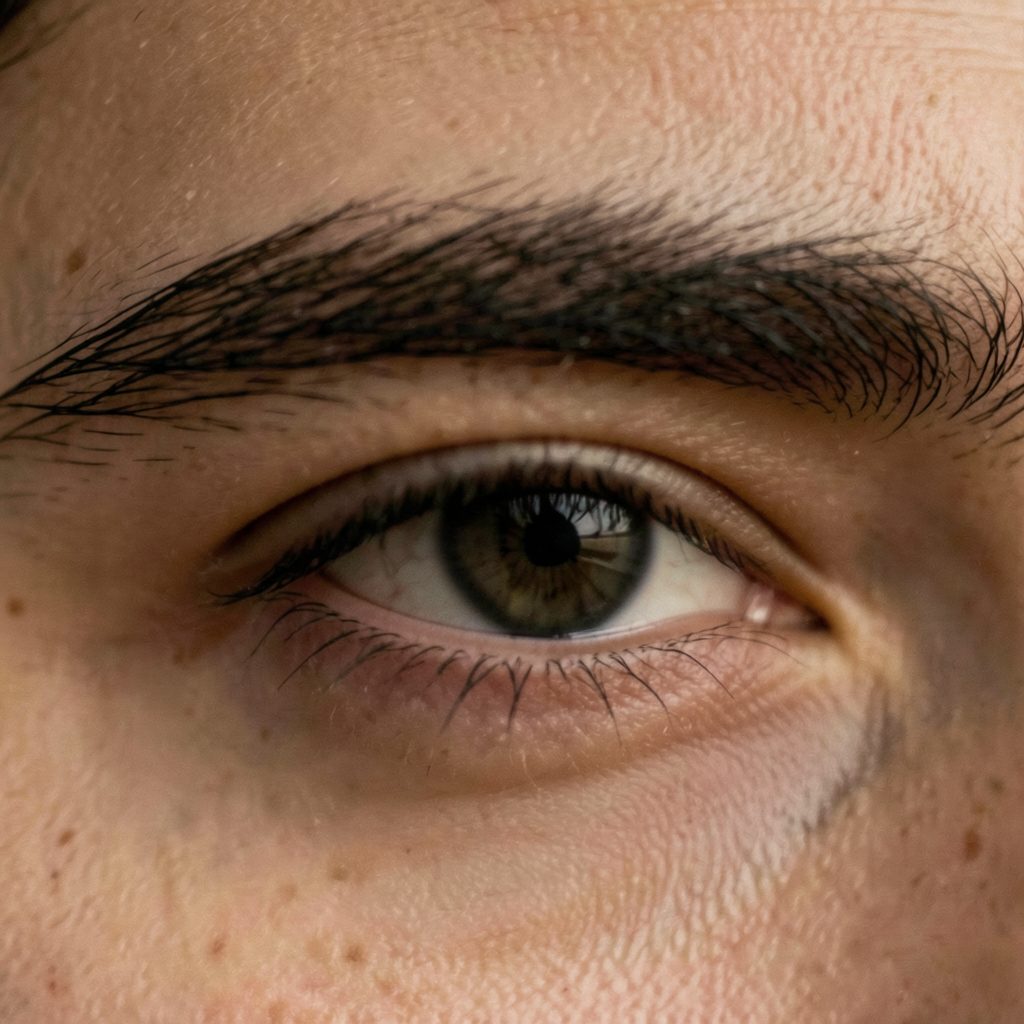
Hooded eyes are a natural eye shape where an excess piece of skin from the brow bone partially or completely covers the eyelid. The result can make eyes appear smaller or more tired than they feel.
This shape can be present from birth due to genetics, or it can develop over time. Known causes include aging, genetic traits, eye rubbing, body fatness, muscle structure, trauma, solar radiation, and sleep apnea.
Most people with hooded eyes have compared two selfies side by side and felt frustration. One eye looks half-shut while the other appears perfectly open, the crease vanishes on one side but stays visible on the other, and a feature you barely notice in the mirror suddenly becomes the centre of attention. The good news is that this kind of visual mismatch is remarkably common, and it usually comes from a small cluster of physical and photographic causes rather than any flaw in the way you were made.
Hooded eyes form when a fold of skin drapes lower than the brow bone, covering the mobile lid and shrinking the visible lid space. When that fold sits slightly differently on each side, every shadow, swipe of eyeshadow, and flash of light falls in a different place. Across Australia, where brunches in Surry Hills, sunset shots at Bondi, and trail selfies generate countless images a year, this asymmetry appears on screens far more often than people expect.
Front-facing smartphone cameras add a further twist. The lens sits close to the face, distorting proportions in ways mirror reflections do not. Paired with the bright overhead light of a typical Sydney or Melbourne afternoon, the taller brow side can cast a shadow into the crease of the other eye, erasing definition altogether. The climate plays a role too: humid Brisbane mornings or salty Perth sea breezes cause subtle swelling along the lids, exaggerating the lower side of the hood.
The fix begins with understanding exactly where the imbalance originates. Once you know whether the cause is anatomical, postural, or photographic, you can choose between makeup adjustments, smarter lighting, lash choices, and longer-term habits that gradually even things out.
Most brow and lid asymmetry begins in the bone. The skull is not symmetrical, and the orbits around the eyes are no exception. One brow ridge often sits a millimetre or two higher than the other, changing how much skin drapes over the mobile lid. The eye on the higher ridge looks more open, while the one beneath the lower ridge carries the heavier fold. This subtle skeletal difference exists from birth, although it becomes more visible as the brow loses collagen with age.
Muscle behaviour adds another layer. People who favour one side of the face when they sleep, chew, or speak develop slightly stronger muscles along that side. A person who habitually rests their cheek on one hand during a long Adelaide studio session or leans into a single shoulder on a Parramatta commute can find that side of the brow appears subtly lifted. The opposing side, lacking that pull, lets the hood settle a fraction lower.
Fat distribution rounds out the picture. The pads that cushion the brow descend at different rates across the two halves of the face, especially after the mid-thirties when hormonal shifts and years of Australian sun exposure thin the surrounding skin. When one pad slips sooner, the crease on that side disappears from view while the other side still shows a clean line. None of these factors is a personal failing; they are simply the ordinary unevenness of a living face.
The same pair of eyes can look identical in a mirror yet wildly different on a phone screen, because of how lenses and lighting interact with a hooded shape. Smartphones use wide-angle optics that exaggerate the closest features, so the eye nearest the lens ends up looking larger while the farther one looks compressed. Rear cameras with longer focal lengths flatten the face and treat both eyes more equally, which is why the same person often prefers how they look in a friend's photo taken across a Collins Street restaurant table rather than in a handheld selfie.
Light direction is equally influential. Overhead midday sun, which most Australian outdoor photographers contend with, drops a shadow under the brow bone that hides detail on the deeper-set side. Light bouncing from below — common when a phone torch shines upward during a late dinner — lifts that shadow into the lower lid and creates the opposite imbalance. Even mirrors in a brightly lit MECCA fitting room can subtly bias the angle you tilt your head, training you to see your eyes from a flattering perspective no candid photo will replicate.
| Capture Method | Effect on Hooded Eyes | Asymmetry Level | Best Use |
|---|---|---|---|
| Front-facing selfie | Wide-angle distortion, single-eye emphasis | High | Quick social posts |
| Rear camera, arm's length | Flatter, more balanced proportions | Moderate | Standalone portraits |
| Overhead sunlight | Deep shadow hides one crease | High | Avoid for hooded lids |
| Soft 45° side light | Each eye catches its own highlight | Low | Outdoor group photos |
| Softbox at eye level | Even illumination across both orbits | Very low | Studio-grade results |
The most flattering capture method pairs a longer focal length with diffused side lighting, rather than relying on the default flash and wide lens most phones choose automatically.
Once the role of light is clear, controlling it indoors becomes straightforward. A clip-on ring light or a small LED panel positioned just above the screen, tilted slightly downward, fills both creases with the same soft glow. The key is height: light at eye level rather than above shrinks the shadow cast by the hood into a thin crescent that reads as shape rather than a black gap. Australians who shoot content for local brands often replicate this setup at home with a tripod near a north-facing window during the morning, when the light is bright but gentle.
Outdoors, the goal flips — work with the sun rather than against it. Facing the sun places the brow shadow behind you and lights the entire lid space, but it makes squinting hard to avoid. Turning so the sun crosses the face at forty-five degrees gives each eye its own pool of warmth and reveals a clean line under the brow, which paradoxically makes the eyes look more symmetrical. A small white card held below the chin bounces light back into the deeper crease.
Avoiding the phone's built-in flash is one of the simplest shifts. Direct flash sits too close to the lens and fires straight into the brow, throwing a stark shadow under the deeper hood while bleaching the highlights on the other side. Turning flash off — or using night mode — produces a softer image where both eyes land in a similar tonal range, which explains why so many Melbourne studio photographers rely on big softboxes.
Light can only do so much, which is why most Australians with hooded eyes turn to makeup for the final correction. The trick is to treat each lid on its own terms instead of copying one shape onto the other. Start by identifying which eye carries the heavier hood in the mirror under your normal bathroom light. That eye benefits from a slightly higher crease line, a touch more lift in the outer corner, and an extra second of blending to soften where the colour meets the fold.
Winged liner is where asymmetry becomes most obvious, because a millimetre off on one side shows clearly in a photo. Drawing the wing on the heavier eye at a marginally steeper angle balances the perceived tilt of the brow. Choosing lashes from a curated source like those tailored to hooded lids helps because longer, gently curled fibres peeking out from beneath the fold compensate for the lost lid space. Avoiding overly dense, straight styles matters too; a lash that points outward rather than upward visually reopens the deeper side.
Concealer is the quiet hero. A half-shade lighter product brushed along the deep crease on the heavier side brings that fold forward, catching light in a way natural skin would not. Blending with a damp sponge and setting with translucent powder — easy to find at TerryWhite Chemmart or Priceline — keeps it from creasing through a long Brisbane lunch or humid Sydney commute. A small dab of highlighter on the centre of the lid, just above the lash line, finishes the levelling.
Small daily habits gradually even out the deeper causes of asymmetry. Posture is the easiest to address. Years of leaning the chin toward a phone screen pull the muscles on one side of the face downward, lowering that brow relative to the other. Holding the screen at chest height and training yourself to look down with the eyes rather than the whole head reduces that pull within weeks. Switching from a stomach-sleeping habit that presses one cheek into the pillow to a silk pillowcase and a supportive pillow reduces overnight creasing.
Skincare around the eye goes a long way in sun-soaked parts of the country. Australian formulas rich in peptides, gentle vitamin C, and well-formulated SPF 50+ used along the brow bone support collagen, slow fat-pad descent, and limit the loose skin that exaggerates the hood with age. Brands stocked at MECCA and Sephora Australia — including local favourites such as Aesop and Go-To — offer lightweight eye creams suited to this purpose without disturbing makeup.
For readers curious about clinical options, two procedures deserve a brief mention. A Botox brow lift relaxes the muscles that pull the brow downward, allowing the arch to rise gently over weeks. Blepharoplasty surgically removes a small amount of hooding skin for a permanent lift. Both carry preparation, aftercare, and risks to discuss with a qualified Australian practitioner who can show before-and-after photos of similar lid shapes. Lifestyle adjustments, smart makeup, and thoughtful photography handle the daily case; these treatments suit only when asymmetry feels like a real concern rather than a passing shadow.
A complete walkthrough of products, techniques, and routine adjustments lives at the hooded eyes resource, where each strategy is broken down for everyday Australian lighting conditions.
Surgical Option
For those seeking a more lasting result, plastic surgery — including blepharoplasty — is covered as a treatment option for hooded eyes. Surgery addresses the excess skin directly and is considered an alternative to non-surgical approaches like Botox.
The site's surgery guide explains the procedure, what to expect, and how it compares to non-surgical routes, helping readers make informed decisions about their options.
Read the Surgery Guide →Famous Faces
Hooded eyes can enhance facial expressions and contribute to a distinctive, memorable look. These ten well-known figures all share the eye shape.
Jennifer Aniston
Leonardo DiCaprio
Solange Knowles
Taylor Swift
Michelle Williams
Robert Pattinson
Blake Lively
Selena Gomez
Gigi Hadid
Benicio del Toro
Side by Side
False Lash Guide
Varied length spikes create texture and the illusion of depth without weighing down the lid.
Longer outer-corner lashes draw the eye outward and upward, counteracting the hood effect.
A uniform, moderate length that adds definition without overwhelming a hooded lid.
Applied only to the outer half, these open up the eye shape and are easier to manage on hooded lids.
A strong upward curl (D or L curl) lifts lashes away from the hood, keeping them visible throughout the day.
The guide also covers lash curlers, mascara recommendations, and step-by-step instructions for fixing false lashes on hooded eyelids.
Full Lash Guide →Get in Touch
Whether you are just beginning your makeup journey or have been experimenting with different looks for years, we are glad you are here.
General Feedback
Share your thoughts on the site or suggest topics you'd like covered.
Looking for a Specific Tip?
Ask about a particular technique or eye-shape challenge.
Product Questions
Questions about products mentioned across the site.
Human Resources or Business Inquiries
Partnership, collaboration, or business-related correspondence.