01
Makeup Tips
Eyeshadow placement, blending techniques, and common mistakes to avoid for a more open, lifted look.
Explore →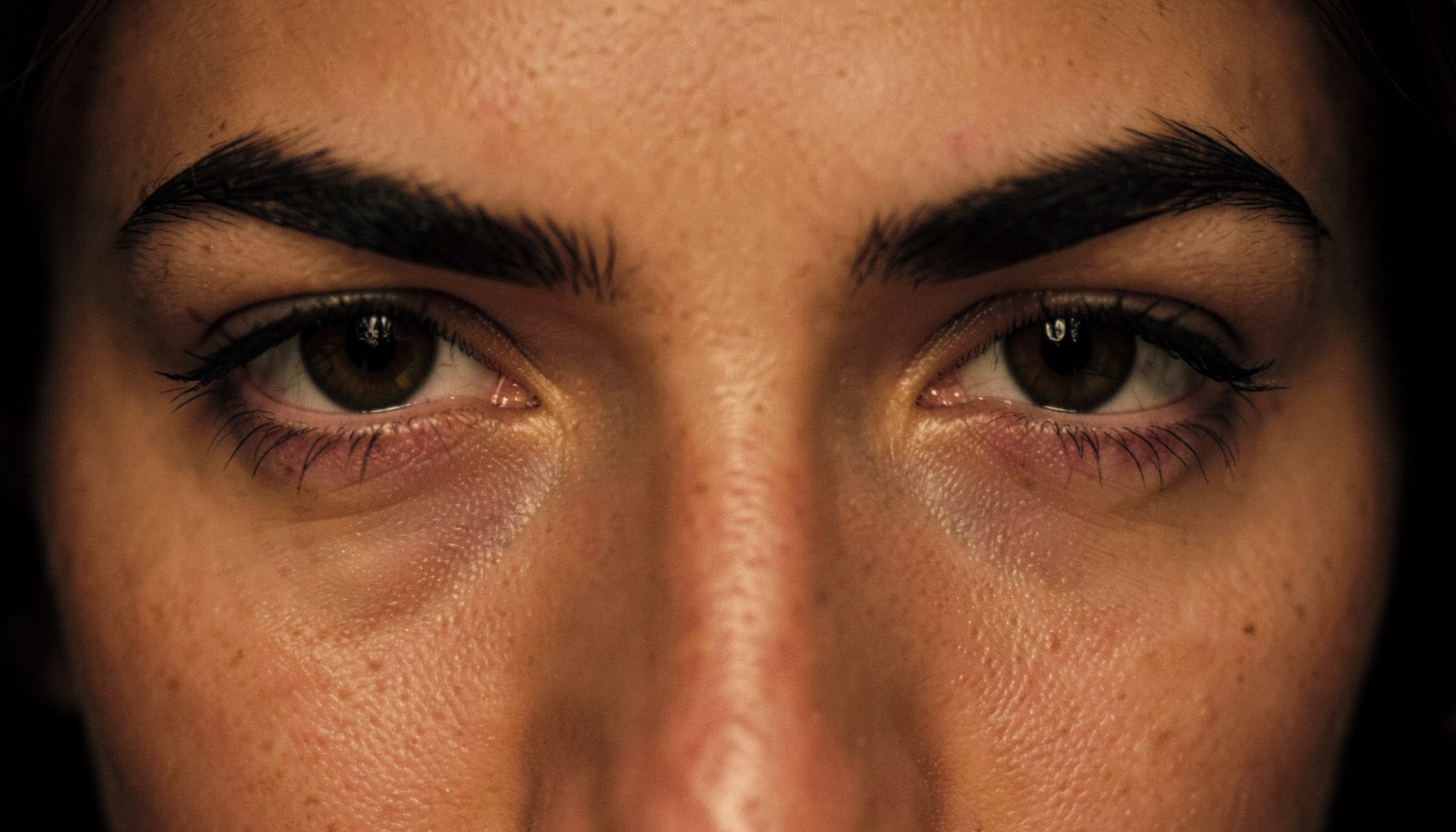
Eye Shape Guide
Understand your eye shape, master makeup techniques, and explore every treatment option — from Botox brow lifts to surgical solutions.
Explore the Site
Eyeshadow placement, blending techniques, and common mistakes to avoid for a more open, lifted look.
Explore →Winged liner, smudge prevention, and techniques that work with hooded lids to make eyes appear larger.
Explore →Non-surgical Botox brow lifts and surgical options including blepharoplasty, explained clearly.
Explore →Five false lash styles suited to hooded eyes, plus curler and mascara guidance for maximum lift.
Explore →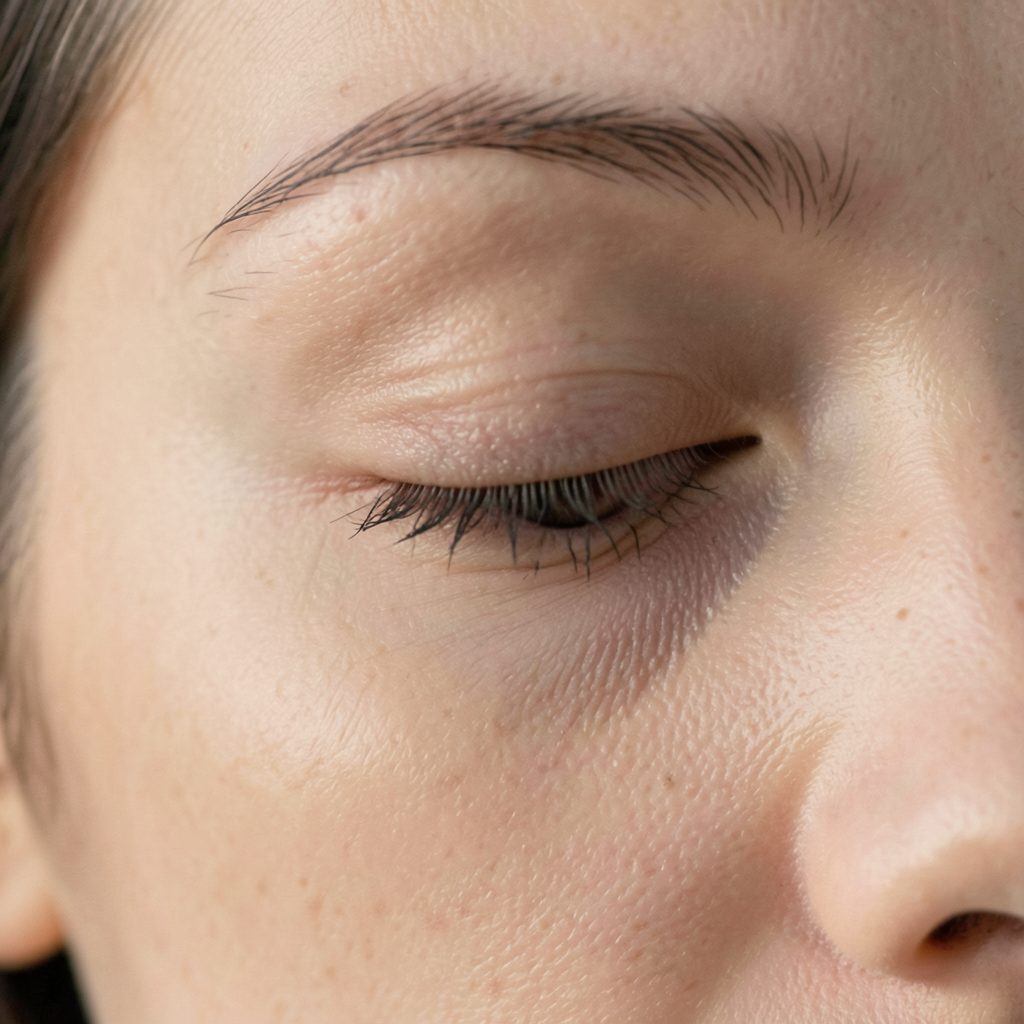
What Are Hooded Eyes?
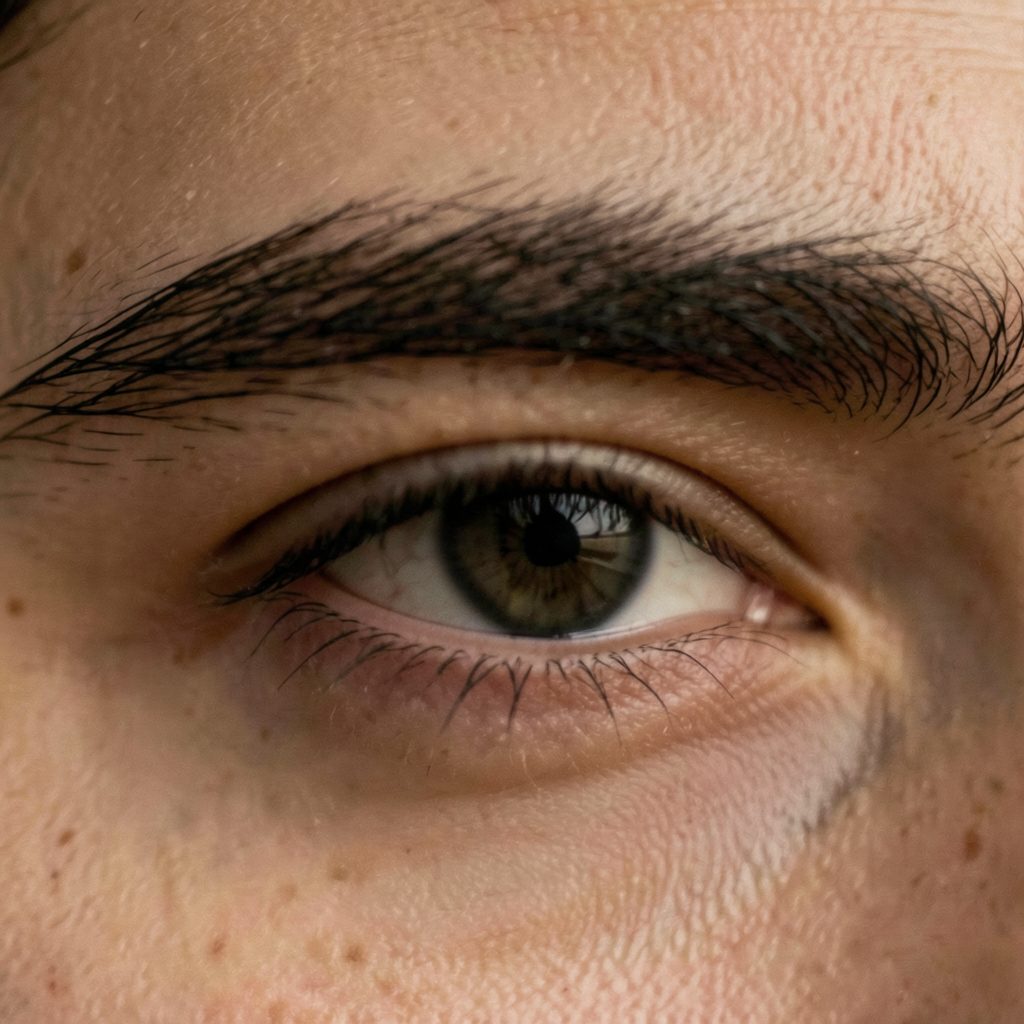
Hooded eyes are a natural eye shape where an excess piece of skin from the brow bone partially or completely covers the eyelid. The result can make eyes appear smaller or more tired than they feel.
This shape can be present from birth due to genetics, or it can develop over time. Known causes include aging, genetic traits, eye rubbing, body fatness, muscle structure, trauma, solar radiation, and sleep apnea.
Hooded eyes are incredibly common among Australians, with the trait frequently linked to a combination of bone structure, age-related skin laxity, and the kind of long-term UV exposure that comes with beach weekends in Bondi or summers spent outdoors in Brisbane. The fold of skin that drapes over the natural crease is not a flaw, yet many readers who walk into clinics in Sydney and Melbourne still ask whether there is a way to lift it without booking a blepharoplasty consultation. That question has only intensified as face-yoga videos and "eye-lifting" routines circulate across Instagram and YouTube, promising noticeable change in just a few minutes a day.
The exercises themselves range from gentle eye-opening holds and rapid blinking drills to resistance techniques that supposedly retrain the frontalis muscle above the brow. Influencers claim these drills can mimic the effect of a surgical brow lift, smooth fine lines, and even stop the lid from drooping further. Some routines are free, others come packaged as paid apps, and a few are tied to luxury skincare ranges stocked at Mecca in Chadstone or David Jones in the CBD.
What makes the trend so appealing is the low barrier to entry. A morning and evening routine performed in front of the bathroom mirror seems safer and cheaper than Botox, threads, or surgery. Yet the gap between marketing promise and measurable outcome is where most honest advice needs to live. Australians who want real answers deserve a clear-eyed look at what these exercises actually deliver.
This guide breaks down the anatomy of a hooded eye, reviews the most popular at-home routines, and weighs them against what Australian clinicians, dermatologists, and oculoplastic surgeons observe in practice. It also points to evidence-based alternatives that produce visible change, from strategic hooded-eye liner techniques to professional procedures covered by the Therapeutic Goods Administration's framework.
A hooded eye develops when the skin, soft tissue, and sometimes the brow itself shift downward, covering the supratarsal crease that would normally sit several millimetres above the lash line. Genetics dictate the starting position of the brow and the depth of the bony socket, traits that are particularly common among people of European and East Asian descent, and those traits are largely fixed. Ageing accelerates the picture: collagen thins, the levator muscle can stretch, and years of squinting under harsh Australian UV accelerate elastin breakdown. Repeated sunscreen-free beach days in places like Noosa or Coogee quietly add to that photo-damage.
Facial exercises target the muscles around the orbit, particularly the orbicularis oculi that circles the eye, the corrugator that pulls the brow inward, and the frontalis that lifts it. The promise is that regular contraction and resistance will either strengthen the lifting muscles or release the downward-pulling ones, producing a more open appearance. Some routines add in facial massage to encourage lymphatic drainage and reduce the slightly puffy look that can worsen the hooded effect in humid Queensland mornings.
The problem with the model is that eyelid droopiness is rarely a muscle-strength issue. Most cases involve excess skin, fat redistribution, and changes in the supporting fascia that sit beneath the muscular layer. No published study has yet demonstrated that voluntary resistance training can remodel these structures the way weight training reshapes a bicep. That mismatch between the cause and the proposed fix is the heart of the scepticism surrounding the trend.
A walk-through of the most shared routines shows a striking similarity. The "eye lift" typically starts with wide-eyed holds of ten to thirty seconds, repeated five to ten times. Next comes a resistance step: fingers pressed lightly above the brow while the forehead tries to lift, supposedly training the frontalis to work harder. The third element is rapid blinking or squeezing the eyes shut tightly for several sets.
Some programmes add in facial massage with a jade roller or gua sha tool, gliding from the inner corner outward across the brow bone. Others layer in acupressure points around the temples or above the bridge of the nose, claiming to release tension that weighs the lid down. The more elaborate paid courses often run between fifteen and twenty-five minutes twice a day, asking users to commit to eight to twelve weeks before expecting visible change.
The marketing leans heavily on before-and-after imagery that is rarely standardised. Lighting, camera angle, eye makeup, brow shape, and whether the subject is wearing eyeliner all shift the apparent size of the visible lid. Without controlled photography and a consistent measurement protocol, even an honest participant can convince themselves that a difference exists when the eye itself has not changed.
Australian oculoplastic surgeons, who complete additional fellowship training through the Royal Australian and New Zealand College of Ophthalmologists, generally treat the exercise trend with caution rather than dismissal. Their position is that the exercises are unlikely to cause harm when performed gently, but they also rarely deliver measurable lift. Patient consultations in clinics from Chatswood to South Yarra more frequently end with a referral for a brow lift, blepharoplasty, or a non-surgical option such as anti-wrinkle injections.
The Therapeutic Goods Administration regulates any product or device marketed with therapeutic claims, which keeps the worst offenders from advertising Botox-style results through exercise programmes. That regulatory layer does not extend to the wellness and beauty content posted by influencers, much of which is hosted from overseas and reaches Australian viewers through global platforms. When a video claims a "non-surgical eye lift in fourteen days", it operates outside any formal scrutiny, and the burden falls on the viewer.
Research into facial muscle training remains thin. The closest analogues come from speech pathology and from facial rehabilitation after Bell's palsy or stroke, where targeted exercises help restore function in weakened muscles. Those conditions involve true muscle atrophy or nerve damage, both of which respond to retraining. Hooded eyelids, by contrast, are usually a structural and skin-quality issue rather than a deconditioned muscle problem, which is why the clinical literature on facial exercise for cosmetic brow lifting remains sparse.
For readers who suspect their drooping is more pronounced on one side, or who feel their lid is genuinely heavy rather than simply covered by skin, a conversation with an AHPRA-registered practitioner is the safest next step. Brows can drop for reasons beyond ageing, and a condition such as brow ptosis often needs professional input before any cosmetic plan makes sense.
Eye exercises are not dangerous in the way that a home microneedling attempt can be, but they are not risk-free either. Overly aggressive squeezing introduces fine creasing around the outer canthus, the very area that hooded-eye routines claim to smooth. Repetitive rubbing accelerates loss of elasticity in skin that is already prone to laxity, and pressing too firmly near the orbital bone can aggravate the small capillaries that cause dark shadows.
There is also the less obvious cost of time. A twice-daily, twenty-minute routine adds up to more than two full days per month, time that could otherwise go towards sleep, SPF application, or techniques that have a clearer evidence base. The opportunity cost is real, especially for busy professionals juggling commutes on the Sydney network or long shifts across Perth's mining corridors.
Then there is the emotional cost. People who commit to a programme and see no change often conclude that their hooded lids are uniquely stubborn, when in fact the routine was never likely to shift the underlying structure. That sense of personal failure is the quiet harm of any cosmetic trend that oversells its outcomes, and it is a particular risk in the beauty space where filters and lighting already distort expectations.
For readers ready to spend their time on techniques that produce visible change, the following habits and choices consistently outperform facial exercises.
For those who want a step-by-step approach to lashes, a tutorial on strip lashes when the crease is hidden walks through the precise placement that keeps the band invisible. The same logic carries across eyeliner choice, since the visible lid space is what most readers actually want to expand, and the right brush and formula can mimic the effect of a small lift.
If hooded lids have started to feel heavier in the last few years, or if a parent or older sibling has had a similar change, the next step is a calm, informed conversation with a qualified clinician. An oculoplastic surgeon, a dermatologist, or a registered cosmetic nurse can map the brow position, the lid laxity, and the underlying skin quality, then suggest the smallest effective intervention. Whether that turns out to be a tweak in makeup, a course of prescription skincare, or a brief procedure, the plan will be built around your anatomy rather than a viral promise. Start with a mirror, a steady light, and a short list of questions, then let a professional guide the rest of the journey.
Surgical Option
For those seeking a more lasting result, plastic surgery — including blepharoplasty — is covered as a treatment option for hooded eyes. Surgery addresses the excess skin directly and is considered an alternative to non-surgical approaches like Botox.
The site's surgery guide explains the procedure, what to expect, and how it compares to non-surgical routes, helping readers make informed decisions about their options.
Read the Surgery Guide →Famous Faces
Hooded eyes can enhance facial expressions and contribute to a distinctive, memorable look. These ten well-known figures all share the eye shape.
Jennifer Aniston
Leonardo DiCaprio
Solange Knowles
Taylor Swift
Michelle Williams
Robert Pattinson
Blake Lively
Selena Gomez
Gigi Hadid
Benicio del Toro
Side by Side
False Lash Guide
Varied length spikes create texture and the illusion of depth without weighing down the lid.
Longer outer-corner lashes draw the eye outward and upward, counteracting the hood effect.
A uniform, moderate length that adds definition without overwhelming a hooded lid.
Applied only to the outer half, these open up the eye shape and are easier to manage on hooded lids.
A strong upward curl (D or L curl) lifts lashes away from the hood, keeping them visible throughout the day.
The guide also covers lash curlers, mascara recommendations, and step-by-step instructions for fixing false lashes on hooded eyelids.
Full Lash Guide →Get in Touch
Whether you are just beginning your makeup journey or have been experimenting with different looks for years, we are glad you are here.
General Feedback
Share your thoughts on the site or suggest topics you'd like covered.
Looking for a Specific Tip?
Ask about a particular technique or eye-shape challenge.
Product Questions
Questions about products mentioned across the site.
Human Resources or Business Inquiries
Partnership, collaboration, or business-related correspondence.