01
Makeup Tips
Eyeshadow placement, blending techniques, and common mistakes to avoid for a more open, lifted look.
Explore →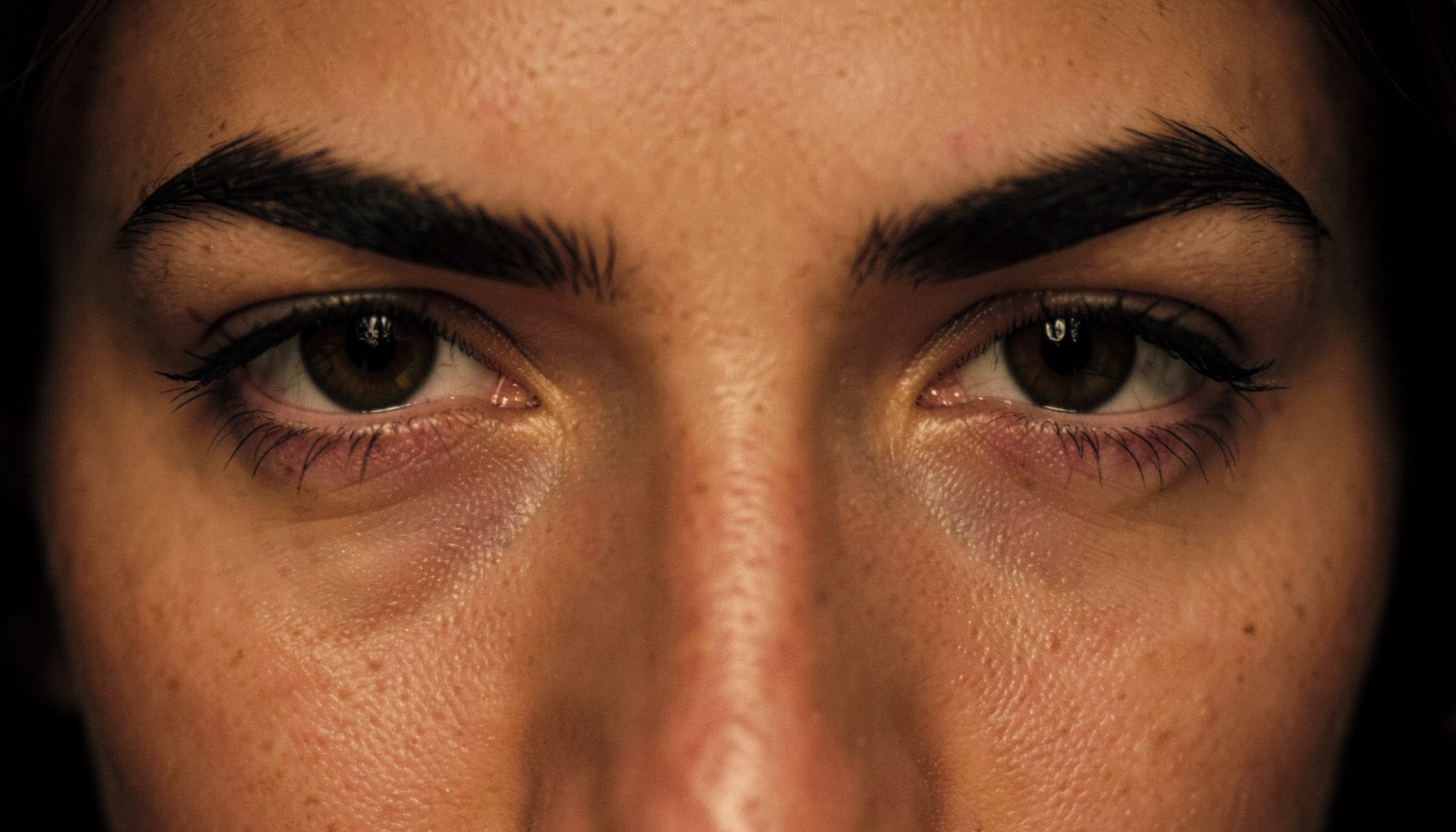
Eye Shape Guide
Understand your eye shape, master makeup techniques, and explore every treatment option — from Botox brow lifts to surgical solutions.
Explore the Site
Eyeshadow placement, blending techniques, and common mistakes to avoid for a more open, lifted look.
Explore →Winged liner, smudge prevention, and techniques that work with hooded lids to make eyes appear larger.
Explore →Non-surgical Botox brow lifts and surgical options including blepharoplasty, explained clearly.
Explore →Five false lash styles suited to hooded eyes, plus curler and mascara guidance for maximum lift.
Explore →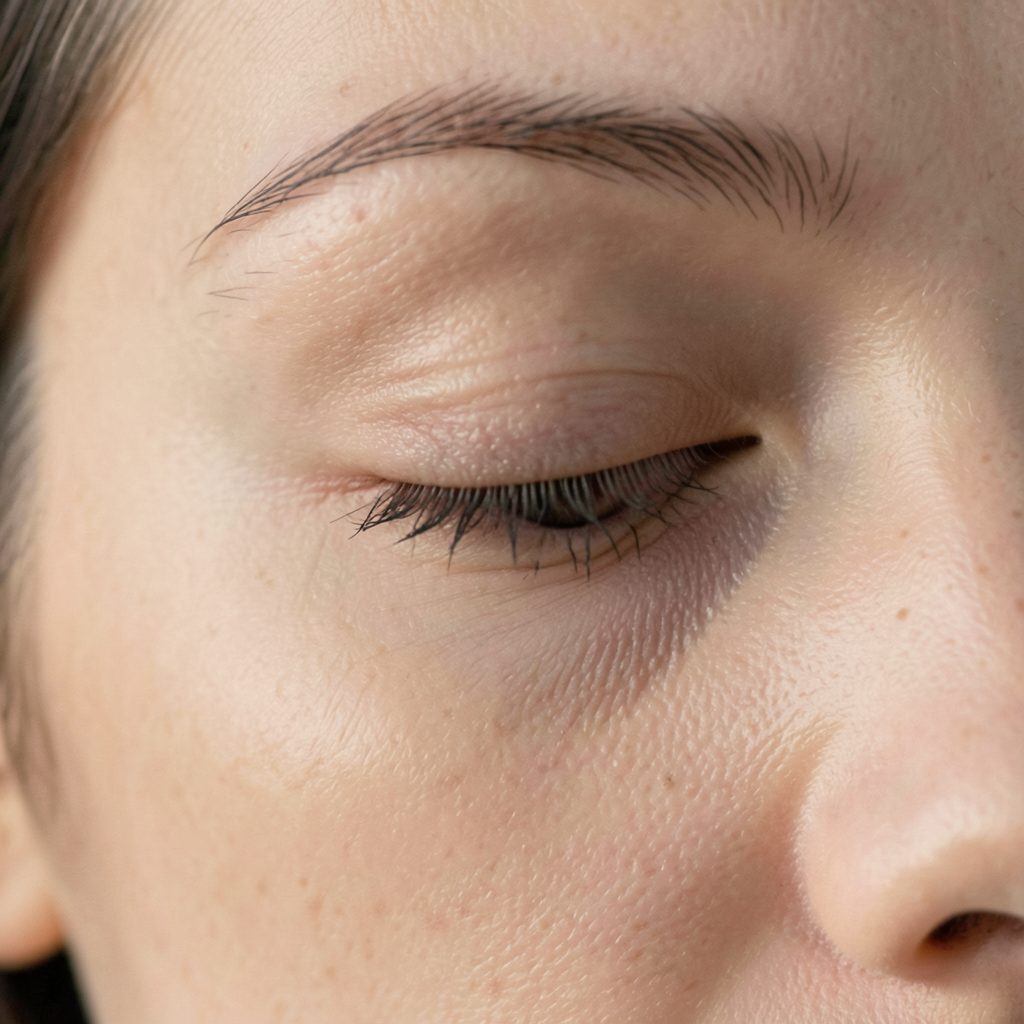
What Are Hooded Eyes?
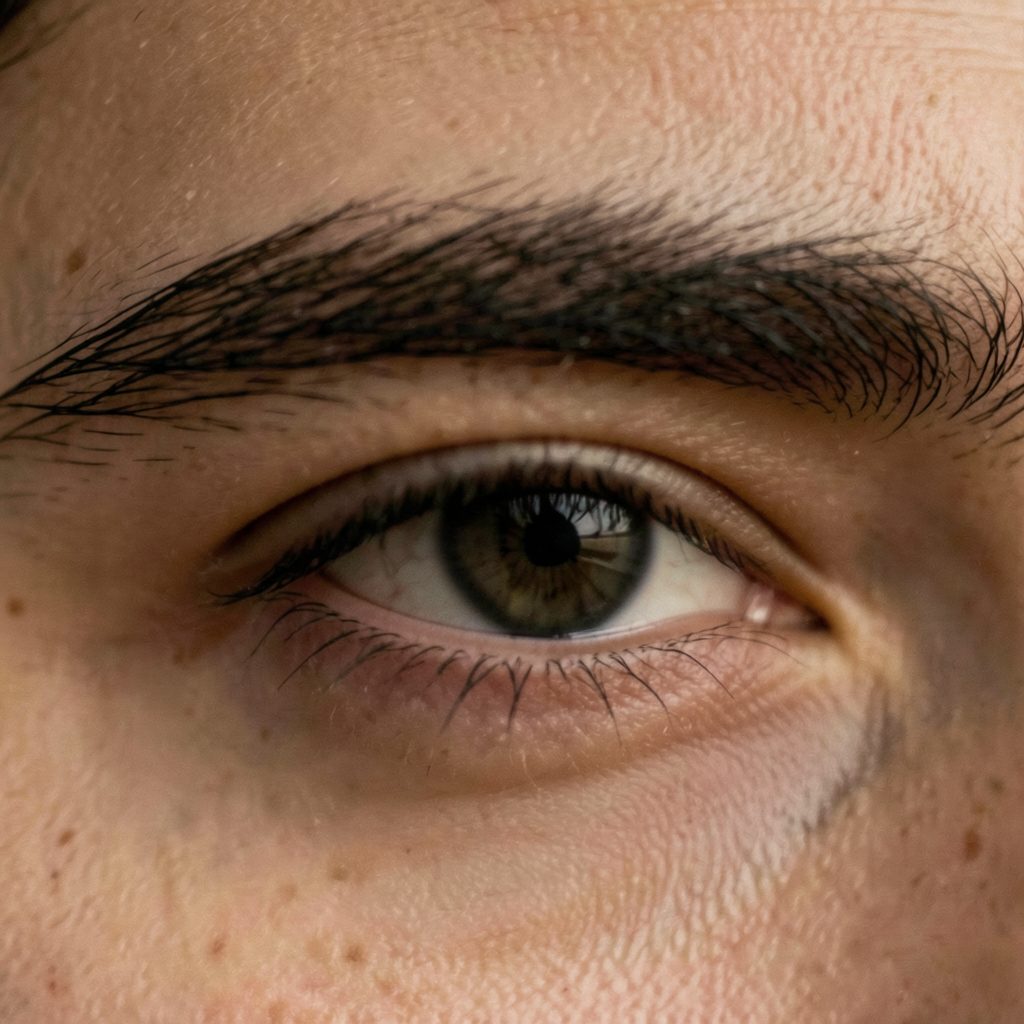
Hooded eyes are a natural eye shape where an excess piece of skin from the brow bone partially or completely covers the eyelid. The result can make eyes appear smaller or more tired than they feel.
This shape can be present from birth due to genetics, or it can develop over time. Known causes include aging, genetic traits, eye rubbing, body fatness, muscle structure, trauma, solar radiation, and sleep apnea.
Brow ptosis is a downward shift of the eyebrow, usually caused by ageing, changes in the forehead muscles, skin laxity, or less commonly nerve and muscle disorders. When the outer or central brow sits lower than it used to, it can press extra skin over the upper eyelid. This may make the eyes look smaller, heavier, or more hooded.
Hooded eyes describe an eye shape in which the upper eyelid crease is partly or fully covered by skin from the brow area or the upper lid itself. Some people are born with this structure, while others develop a more hooded appearance as the brow descends and the skin loses elasticity. The two features can exist together, but they are not the same diagnosis.
Understanding the difference matters when choosing makeup, considering a Botox brow lift, or discussing blepharoplasty. A lower brow may need a different approach from excess eyelid skin, and treating the wrong area can produce little visible change. In Australia, a qualified medical assessment is particularly important because cosmetic injectables and eyelid surgery are regulated healthcare services rather than ordinary beauty treatments.
The term brow ptosis refers to a drooping or lowered eyebrow. It may affect one side or both, and it can be more noticeable at the outer tail, through the middle of the brow, or across the entire forehead. A healthy brow position varies between individuals, so a naturally low brow is not automatically a medical problem.
Ageing is a common factor. The forehead skin and supporting tissues gradually relax, while repeated contraction of the frontalis muscle can contribute to lines and altered brow position. Sun exposure can accelerate collagen breakdown; this is worth considering in Australia, where strong ultraviolet radiation affects skin ageing even during everyday commutes, weekend sport, and time outdoors in places such as Brisbane, Perth, or coastal New South Wales.
Some people compensate for a descending brow by constantly lifting their forehead. This can cause horizontal forehead lines, tired eyes, or a sensation of facial strain. Brow ptosis can also follow trauma, previous surgery, facial nerve problems, or conditions that weaken muscles. Sudden drooping, marked asymmetry, double vision, or a change in pupil size needs prompt medical attention rather than a cosmetic appointment.
A lowered brow pushes or gathers tissue towards the upper eyelid. The result may resemble hooded eyes because the skin above the crease becomes more prominent. In some cases, the upper eyelid itself has excess skin, known as dermatochalasis. In others, the brow is the main source of the overhang, creating what clinicians may call brow-related pseudoptosis.
The distinction is easiest to see when the brow is gently lifted. If the apparent eyelid hood reduces substantially, brow position may be contributing. If a fold remains directly on the eyelid, excess upper-lid skin or the person’s natural eye anatomy may play a larger role. A relaxed photograph, an expression-free face, and an examination by an experienced clinician provide more useful information than raising the eyebrows in front of a mirror.
Genetics also matter. Many Australians have naturally hooded eyes without any brow descent, and some people have a low-set brow that has remained stable since adolescence. If you are unsure whether your appearance reflects hooded eyes, monolids, or a combination of features, this guide to hooded eyes and monolids can help clarify the basic visual differences.
No single home test can diagnose brow ptosis, but several observations can help you describe what you see at a consultation. Compare old photographs with recent ones, paying attention to whether the brow has moved down or whether the eyelid fold has changed independently.
Useful visual clues include:
The position of the brow is only one part of the assessment. A clinician may check eyelid skin, levator muscle function, forehead movement, pupil symmetry, peripheral vision, and the position of the eyelid margin. They may also ask about headaches, previous facial procedures, medications, and any recent neurological symptoms.
Keep these distinctions in mind when comparing possible explanations:
A consultation should focus on function as well as appearance. Drooping that blocks the upper field of vision, causes brow aching, or makes reading and driving uncomfortable may warrant an ophthalmic or oculoplastic assessment. Medicare coverage is not automatic for eyelid procedures in Australia; eligibility depends on documented functional impairment and current clinical rules, while purely cosmetic treatment is generally self-funded.
Makeup can work with a lowered brow or naturally hooded lid by placing definition where it remains visible. A matte transition shade slightly above the natural crease can create depth without disappearing when the eye opens. Keeping the deepest colour close to the lash line usually gives more lift than applying a heavy dark shade across the whole fold.
For eyeliner, a thin line at the lashes often looks cleaner than a thick band that occupies the limited lid space. A small outward flick can be easier to see than a tall wing. Waterproof or tubing formulas may help in Australia’s humid Queensland summers, while a good eyelid primer can reduce transfer during a long Sydney commute or a warm Melbourne event.
Mascara placement also affects the perceived eye shape. Curling the lashes before mascara, concentrating length at the centre or outer corner, and removing clumps can open the eye visually. If the brow is low, very dramatic false lashes may touch the skin above the crease and feel uncomfortable, so lighter individual clusters can be more practical.
Makeup cannot reposition a drooping brow or remove excess skin. It can, however, balance the face and make hooded eyes feel easier to style. For inspiration, the discussion of Blake Lively’s hooded eyes shows how placement, lashes, and soft definition can be adapted to a prominent upper-eye area rather than hidden.
A Botox brow lift uses carefully placed botulinum toxin to relax selected muscles that pull the brow down. The frontalis muscle can then lift the brow to a limited degree, depending on anatomy and muscle balance. Results are temporary, commonly lasting around three to four months, and the effect is subtle rather than equivalent to surgery.
Placement requires precision. Too much weakening of the forehead can make the brow feel heavier, while an uneven dose may create asymmetry. Possible side effects include bruising, headache, temporary eyelid or brow droop, and an unwanted change in facial expression. In Australia, cosmetic injectables should be administered by an appropriately qualified registered health practitioner, with the prescriber and treatment setting meeting current AHPRA and Therapeutic Goods Administration requirements.
A brow lift procedure may be considered when the brow itself is significantly low. Surgical techniques vary from endoscopic lifting to more limited approaches, and each carries risks such as scarring, numbness, hairline changes, asymmetry, bleeding, infection, and recurrence of laxity. A brow lift may be discussed alone or alongside eyelid surgery when both areas contribute to the heavy appearance.
Upper blepharoplasty removes or repositions selected eyelid skin, and sometimes fat or muscle, to improve the upper-lid contour. It is not a universal fix for brow ptosis. Removing too much skin without addressing a low brow can leave the eyes looking unchanged or create tightness. Recovery commonly involves swelling and bruising for several weeks, with final scar maturation taking longer. Follow-up, dry-eye care, and clear instructions about exercise, sun exposure, and contact lenses are important.
The most suitable option depends on the source of the hooding, its severity, your medical history, and whether vision is affected. A cosmetic injector may be appropriate for a modest temporary change, while an ophthalmologist, oculoplastic surgeon, or suitably qualified plastic surgeon may be better placed to assess eyelid function and combined procedures.
Before treatment, ask who will perform it, what qualifications they hold, which product or technique is proposed, and what happens if the result is uneven. Allow time for a proper consultation rather than booking a procedure after a heavily filtered social media image. Australian clinics should provide information about fees, consent, risks, recovery, and follow-up. Private health insurance generally does not cover a procedure performed solely for appearance, though medically indicated surgery may be assessed under different rules.
| Feature | Brow ptosis | Natural hooded eyes | Upper eyelid skin excess |
|---|---|---|---|
| Main area involved | Eyebrow and forehead support | Inherited eye and brow anatomy | Upper eyelid |
| Typical appearance | Brow sits low; outer tail may descend | Crease is partly covered when eyes are open | Fold rests directly over the lid |
| Change over time | Often gradually increases | Usually stable, though ageing can alter it | Often increases with ageing |
| Helpful assessment | Brow lift test and forehead examination | Eye-shape comparison at rest | Eyelid skin and visual-field assessment |
| Possible treatment | Botox or brow lift in selected cases | Makeup adaptation; treatment only if another issue exists | Blepharoplasty in suitable candidates |
A safe plan may involve doing nothing medical, refining your makeup routine, treating the brow conservatively, or addressing the eyelid after a full examination. Seek medical review promptly if drooping appears suddenly, affects one side, interferes with vision, or comes with weakness or neurological symptoms.
If your upper eyes look heavier and you are unsure whether the cause is brow descent, eyelid skin, or your natural hooded shape, arrange an assessment with a qualified Australian practitioner. Bring relaxed photographs, a list of medications, and realistic goals so the discussion can focus on preserving your expression while improving comfort or appearance.
Surgical Option
For those seeking a more lasting result, plastic surgery — including blepharoplasty — is covered as a treatment option for hooded eyes. Surgery addresses the excess skin directly and is considered an alternative to non-surgical approaches like Botox.
The site's surgery guide explains the procedure, what to expect, and how it compares to non-surgical routes, helping readers make informed decisions about their options.
Read the Surgery Guide →Famous Faces
Hooded eyes can enhance facial expressions and contribute to a distinctive, memorable look. These ten well-known figures all share the eye shape.
Jennifer Aniston
Leonardo DiCaprio
Solange Knowles
Taylor Swift
Michelle Williams
Robert Pattinson
Blake Lively
Selena Gomez
Gigi Hadid
Benicio del Toro
Side by Side
False Lash Guide
Varied length spikes create texture and the illusion of depth without weighing down the lid.
Longer outer-corner lashes draw the eye outward and upward, counteracting the hood effect.
A uniform, moderate length that adds definition without overwhelming a hooded lid.
Applied only to the outer half, these open up the eye shape and are easier to manage on hooded lids.
A strong upward curl (D or L curl) lifts lashes away from the hood, keeping them visible throughout the day.
The guide also covers lash curlers, mascara recommendations, and step-by-step instructions for fixing false lashes on hooded eyelids.
Full Lash Guide →Get in Touch
Whether you are just beginning your makeup journey or have been experimenting with different looks for years, we are glad you are here.
General Feedback
Share your thoughts on the site or suggest topics you'd like covered.
Looking for a Specific Tip?
Ask about a particular technique or eye-shape challenge.
Product Questions
Questions about products mentioned across the site.
Human Resources or Business Inquiries
Partnership, collaboration, or business-related correspondence.