01
Makeup Tips
Eyeshadow placement, blending techniques, and common mistakes to avoid for a more open, lifted look.
Explore →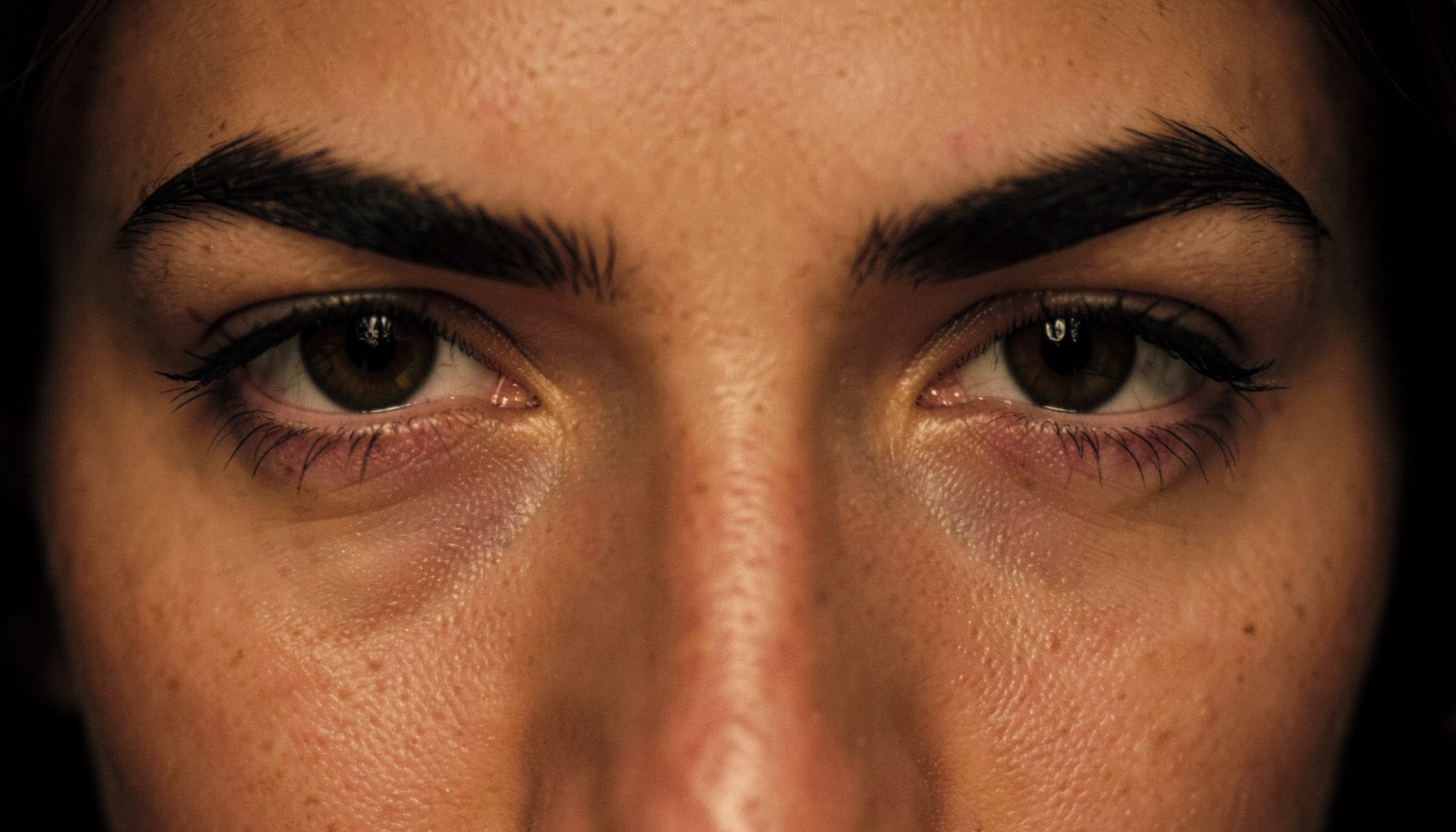
Eye Shape Guide
Understand your eye shape, master makeup techniques, and explore every treatment option — from Botox brow lifts to surgical solutions.
Explore the Site
Eyeshadow placement, blending techniques, and common mistakes to avoid for a more open, lifted look.
Explore →Winged liner, smudge prevention, and techniques that work with hooded lids to make eyes appear larger.
Explore →Non-surgical Botox brow lifts and surgical options including blepharoplasty, explained clearly.
Explore →Five false lash styles suited to hooded eyes, plus curler and mascara guidance for maximum lift.
Explore →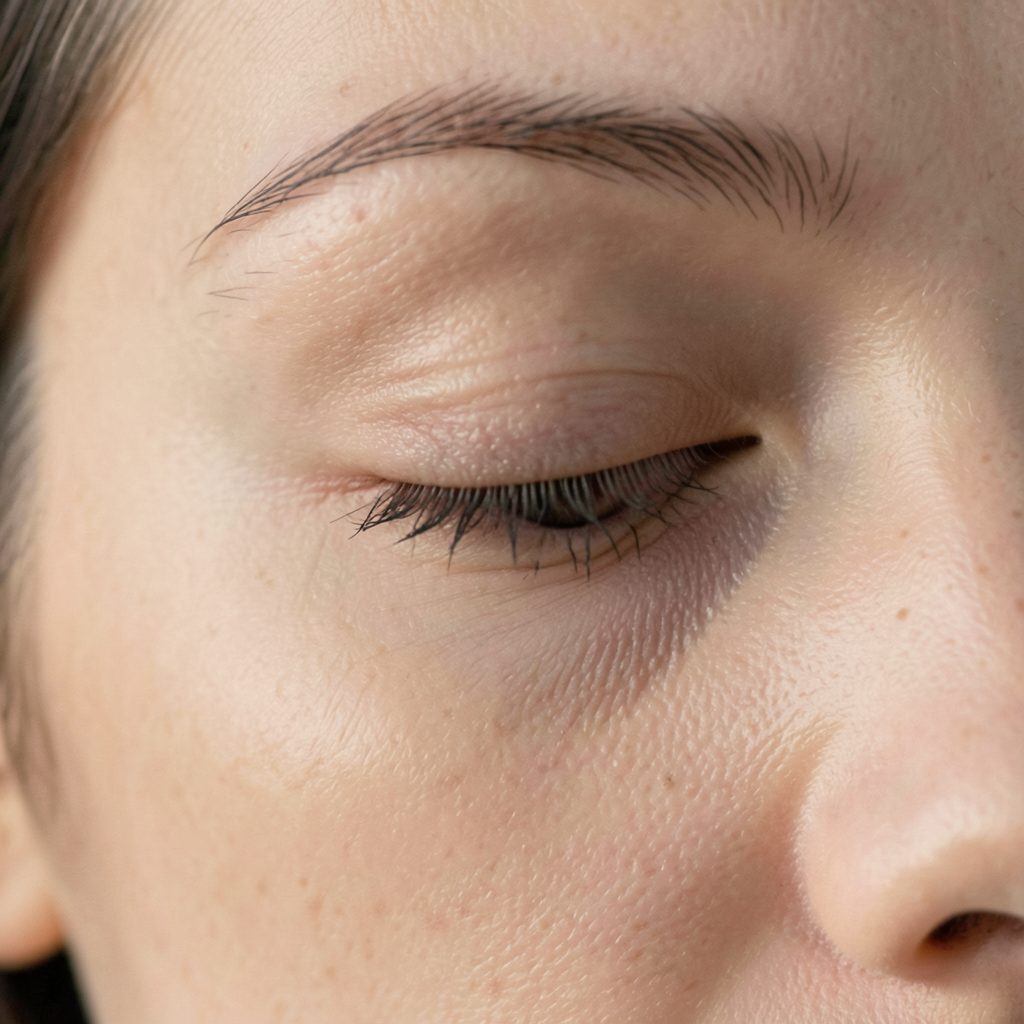
What Are Hooded Eyes?
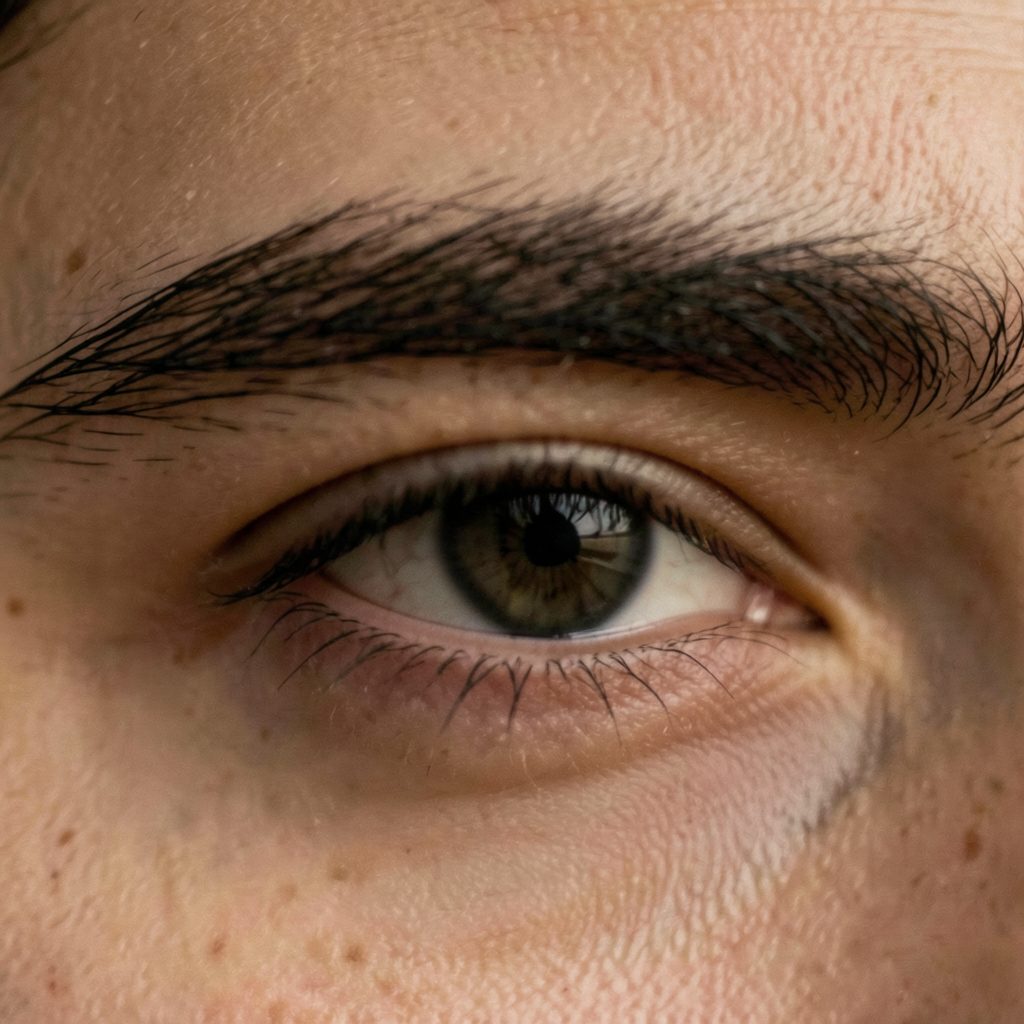
Hooded eyes are a natural eye shape where an excess piece of skin from the brow bone partially or completely covers the eyelid. The result can make eyes appear smaller or more tired than they feel.
This shape can be present from birth due to genetics, or it can develop over time. Known causes include aging, genetic traits, eye rubbing, body fatness, muscle structure, trauma, solar radiation, and sleep apnea.
Hooded eyes describe an upper eyelid where skin, soft tissue or the brow structure partly covers the natural crease. The amount of visible lid space can vary from one person to the next, and it may look different when the eyes are open, relaxed, smiling or photographed from above. Hooding is a normal anatomical feature rather than a flaw, and it appears across every age group and skin tone.
Some people are born with a low or hidden crease, while others notice their eyelids becoming heavier later in life. Ageing, changes in the brow, genetics, skin elasticity and certain medical conditions can all influence the appearance. Understanding the cause helps you choose practical makeup techniques and make more informed decisions about cosmetic treatment.
Inherited facial anatomy is the most common reason a person has hooded eyes from childhood. The shape of the eye socket, the position of the brow bone, the attachment of the upper eyelid muscle and the distribution of skin and fat all contribute to how much lid is visible. A lower-set brow or a deeper fold of skin can make the crease appear partially covered.
Genetics can produce very different eyelid shapes within the same family. One sibling may have a clearly exposed crease, while another has a monolid, tapered fold or more pronounced upper-lid hooding. Features can also become more noticeable during adolescence as the face matures. Cultural and ethnic variation is broad, so there is no single “standard” hooded eye shape.
Natural hooding is usually symmetrical, although small differences between the two sides are common. If the upper lids have looked similar for years and vision is unaffected, the feature is generally an ordinary variation in facial structure. A sudden change, especially on one side, deserves a medical assessment rather than an assumption that it is simply ageing.
The most familiar acquired cause is the gradual loss of skin elasticity. Collagen and elastin decline with age, allowing upper-eyelid skin to extend lower over the crease. The eyebrow may also descend as the forehead soft tissues change. When both occur together, the lid can look heavier even if the eyelid muscle itself remains healthy.
Changes in volume also affect the appearance. Some people lose fat around the brow and temple, while others develop fullness in the upper eyelid. Fluid retention, allergies and rubbing can create temporary puffiness. A poor night’s sleep may make the fold look more prominent for a morning, but it does not permanently reshape the eyelid.
Sun exposure is particularly relevant in Australia, where strong ultraviolet radiation reaches skin during everyday activities, from walking along St Kilda Beach to commuting in Brisbane. Regular broad-spectrum sunscreen, sunglasses and a hat can help protect the delicate periocular skin, although sun protection cannot reverse inherited anatomy or fully stop normal ageing.
Drooping of the eyelid margin itself is different from excess skin. This condition, called ptosis, may reduce the opening of the eye and sometimes interfere with the upper field of vision. A brow that compensates by lifting can cause forehead fatigue or headaches. An optometrist, GP or ophthalmologist can distinguish eyelid hooding from ptosis, nerve problems or another medical cause.
Pregnancy, menopause and other hormonal shifts can alter fluid balance and skin texture. These changes may make existing hooding more obvious without creating a completely new eyelid shape. Weight fluctuation can also change fullness around the eyes, although the effect varies according to a person’s facial structure and age.
Eczema, dermatitis and seasonal allergies may lead to repeated rubbing, swelling or irritation. Hay fever can be especially bothersome during spring in areas such as Adelaide and Canberra, where pollen affects many people. Treating the underlying irritation is more useful than repeatedly pulling or massaging the eyelid skin, which can worsen inflammation.
Contact lens use, eye strain and screen time do not usually cause permanent hooded eyes. They can, however, contribute to dry, tired-looking eyes and frequent blinking. Air conditioning in offices, long drives between suburbs and time spent on screens may make temporary puffiness more noticeable. Gentle cleansing and avoiding heavily fragranced products around the eyes can reduce irritation.
Some medicines and health conditions can cause swelling or changes in eyelid position. Sudden drooping, double vision, unequal pupils, pain, marked redness or a rapidly changing appearance should be assessed promptly. Cosmetic explanations should never be used to dismiss new symptoms, particularly when the change affects one eye.
Makeup works best when it follows the position of the visible eye rather than an idealised crease. Apply a matte transition shade slightly above the fold while the eyes are open and relaxed, so the colour remains visible. Keep deeper shadow close to the lash line and outer corner, then blend upwards in a controlled shape instead of placing dark pigment across the entire hood.
A thin eyeliner line usually preserves more lid space than a thick strip. Tightlining the upper lash line can add definition without covering the mobile lid, while a small lifted outer flick may open the appearance of the eyes. Waterproof or transfer-resistant formulas are useful in humid Queensland and during hot days, but they should still be removed gently before bed.
Mascara can emphasise the visible eye area when it is concentrated at the roots and applied with a lifting motion. Curling the lashes before mascara may help, provided the curler is used carefully and replaced when the pad becomes worn. If lashes press against the hood, a tubing or smudge-resistant formula may be more comfortable than a soft, creamy product.
For step-by-step ideas suited to different amounts of lid space, explore these hooded-eye makeup tips. The same principles can be adjusted for mature skin, glasses, contact lenses and daytime looks. In Australia, a local pharmacy or beauty retailer can often help you compare tubing mascara, eye primers and sensitive-eye products, although patch testing remains sensible for easily irritated skin.
Non-surgical options are sometimes discussed when brow position contributes to a hooded appearance. A small amount of botulinum toxin can relax selected forehead muscles and alter brow position, but the result depends on injection placement, muscle strength and the person’s starting anatomy. It does not remove excess upper-eyelid skin and is not appropriate for every type of hooding. This Botox evidence review explains why outcomes can be subtle or temporary.
Possible side effects include bruising, headache, asymmetry and an unwanted brow or eyelid drop. A qualified Australian medical practitioner should assess the brow, eyelid margin and forehead together rather than promising that injections will “open” every hooded eye. Cosmetic procedures are generally paid for privately in Australia, and Medicare does not usually cover treatment performed solely for appearance.
Upper blepharoplasty removes or repositions selected skin, muscle or fat through an incision in the natural fold. It may improve excess skin and, in some cases, functional obstruction, but it cannot change every part of the underlying eye shape. A specialist should discuss scarring, dry eye, asymmetry, infection, bleeding, incomplete correction and the possibility of revision.
Recovery varies according to the procedure and the individual. Bruising and swelling often peak early, while the final shape can take weeks or months to settle. Before booking, review a realistic week-by-week recovery guide, ask who will perform the procedure and confirm follow-up arrangements. Check that the practitioner is registered with AHPRA, and be wary of high-pressure deals promoted through social media or overseas-style discount clinics.
Whether your hooding is inherited or developed gradually, these habits can make daily decisions easier:
Your eye shape does not need correcting to be attractive or expressive. Learn where your natural fold sits, test techniques in ordinary lighting and choose products that feel comfortable through a full day. If changing eyelid position is affecting vision or confidence, arrange an assessment with an appropriately qualified eye-care or cosmetic medical professional and use that consultation to decide on the safest next step.
Surgical Option
For those seeking a more lasting result, plastic surgery — including blepharoplasty — is covered as a treatment option for hooded eyes. Surgery addresses the excess skin directly and is considered an alternative to non-surgical approaches like Botox.
The site's surgery guide explains the procedure, what to expect, and how it compares to non-surgical routes, helping readers make informed decisions about their options.
Read the Surgery Guide →Famous Faces
Hooded eyes can enhance facial expressions and contribute to a distinctive, memorable look. These ten well-known figures all share the eye shape.
Jennifer Aniston
Leonardo DiCaprio
Solange Knowles
Taylor Swift
Michelle Williams
Robert Pattinson
Blake Lively
Selena Gomez
Gigi Hadid
Benicio del Toro
Side by Side
False Lash Guide
Varied length spikes create texture and the illusion of depth without weighing down the lid.
Longer outer-corner lashes draw the eye outward and upward, counteracting the hood effect.
A uniform, moderate length that adds definition without overwhelming a hooded lid.
Applied only to the outer half, these open up the eye shape and are easier to manage on hooded lids.
A strong upward curl (D or L curl) lifts lashes away from the hood, keeping them visible throughout the day.
The guide also covers lash curlers, mascara recommendations, and step-by-step instructions for fixing false lashes on hooded eyelids.
Full Lash Guide →Get in Touch
Whether you are just beginning your makeup journey or have been experimenting with different looks for years, we are glad you are here.
General Feedback
Share your thoughts on the site or suggest topics you'd like covered.
Looking for a Specific Tip?
Ask about a particular technique or eye-shape challenge.
Product Questions
Questions about products mentioned across the site.
Human Resources or Business Inquiries
Partnership, collaboration, or business-related correspondence.