01
Makeup Tips
Eyeshadow placement, blending techniques, and common mistakes to avoid for a more open, lifted look.
Explore →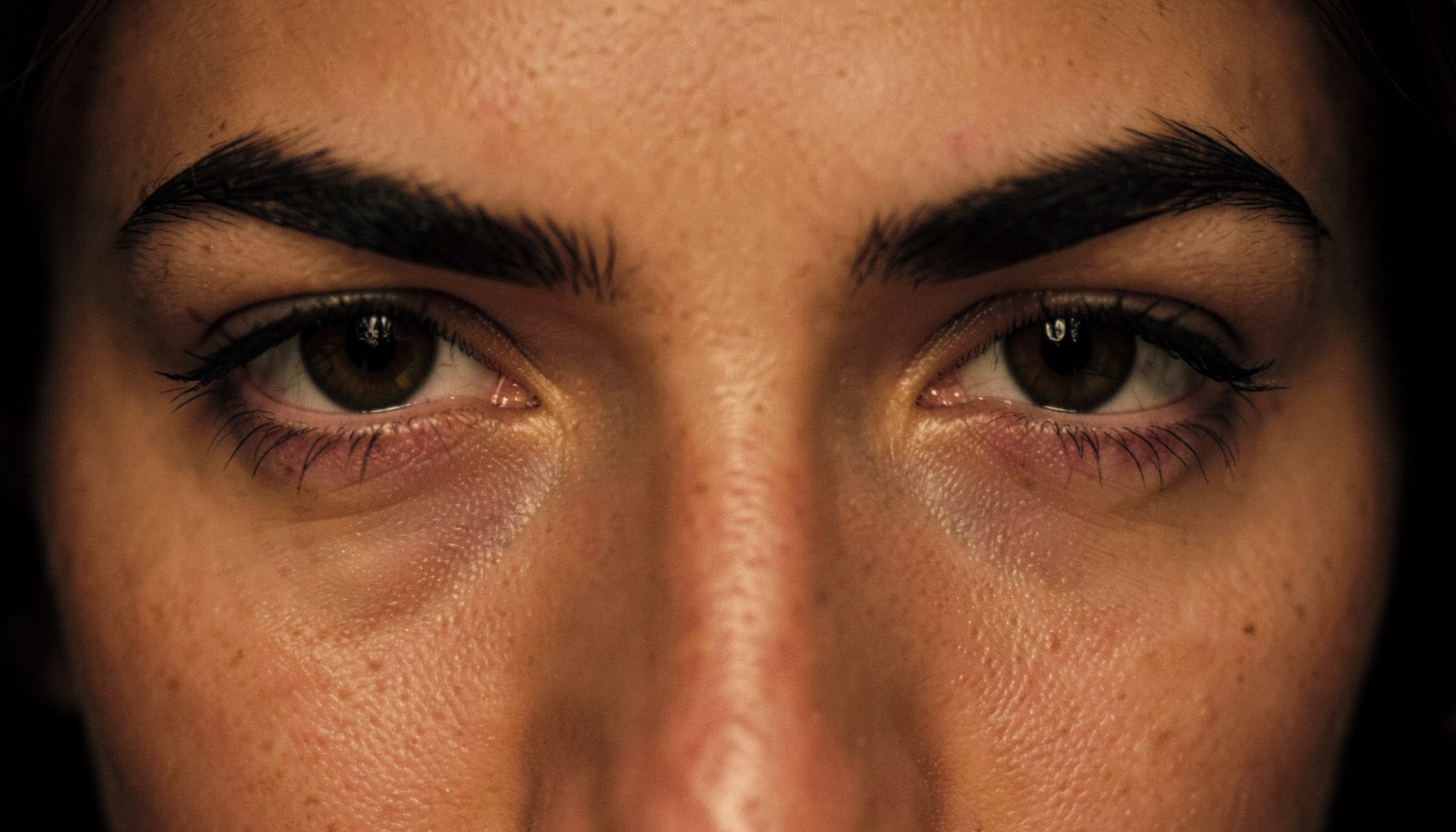
Eye Shape Guide
Understand your eye shape, master makeup techniques, and explore every treatment option — from Botox brow lifts to surgical solutions.
Explore the Site
Eyeshadow placement, blending techniques, and common mistakes to avoid for a more open, lifted look.
Explore →Winged liner, smudge prevention, and techniques that work with hooded lids to make eyes appear larger.
Explore →Non-surgical Botox brow lifts and surgical options including blepharoplasty, explained clearly.
Explore →Five false lash styles suited to hooded eyes, plus curler and mascara guidance for maximum lift.
Explore →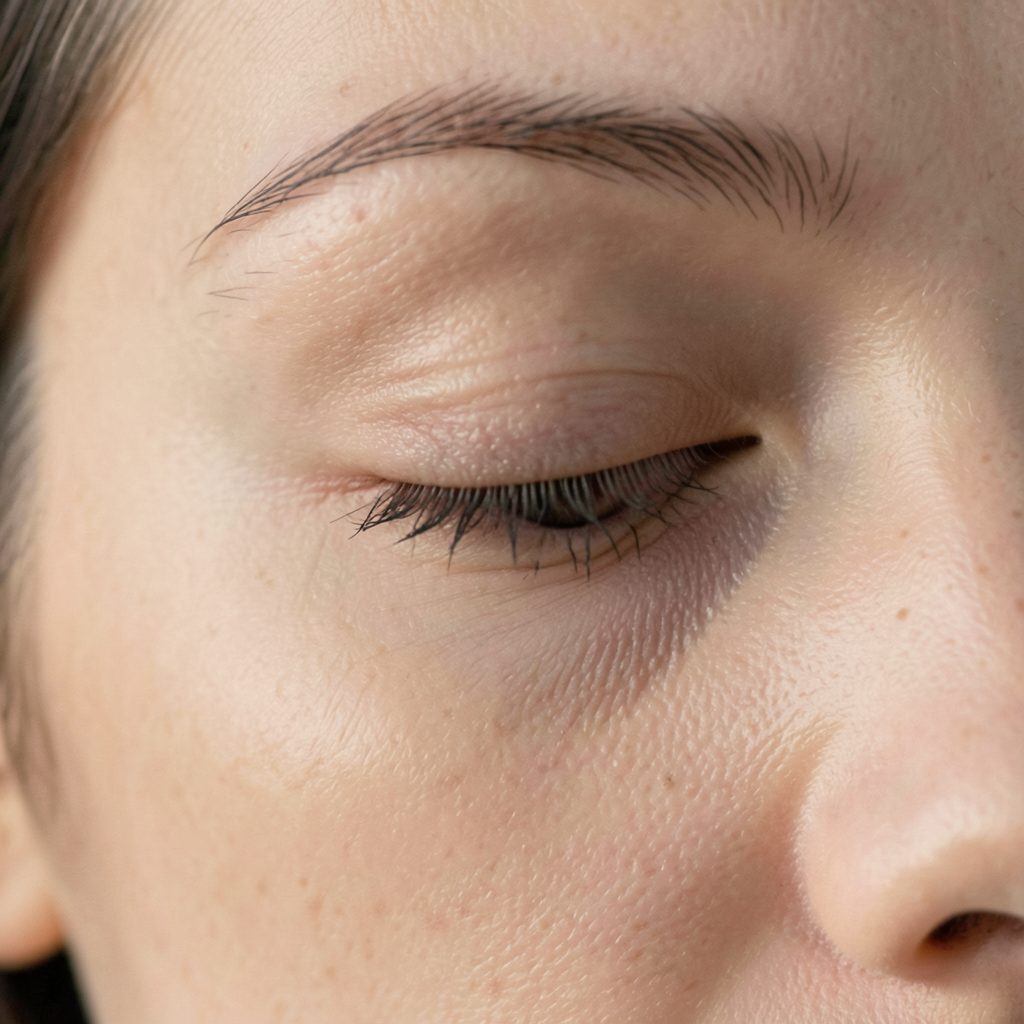
What Are Hooded Eyes?
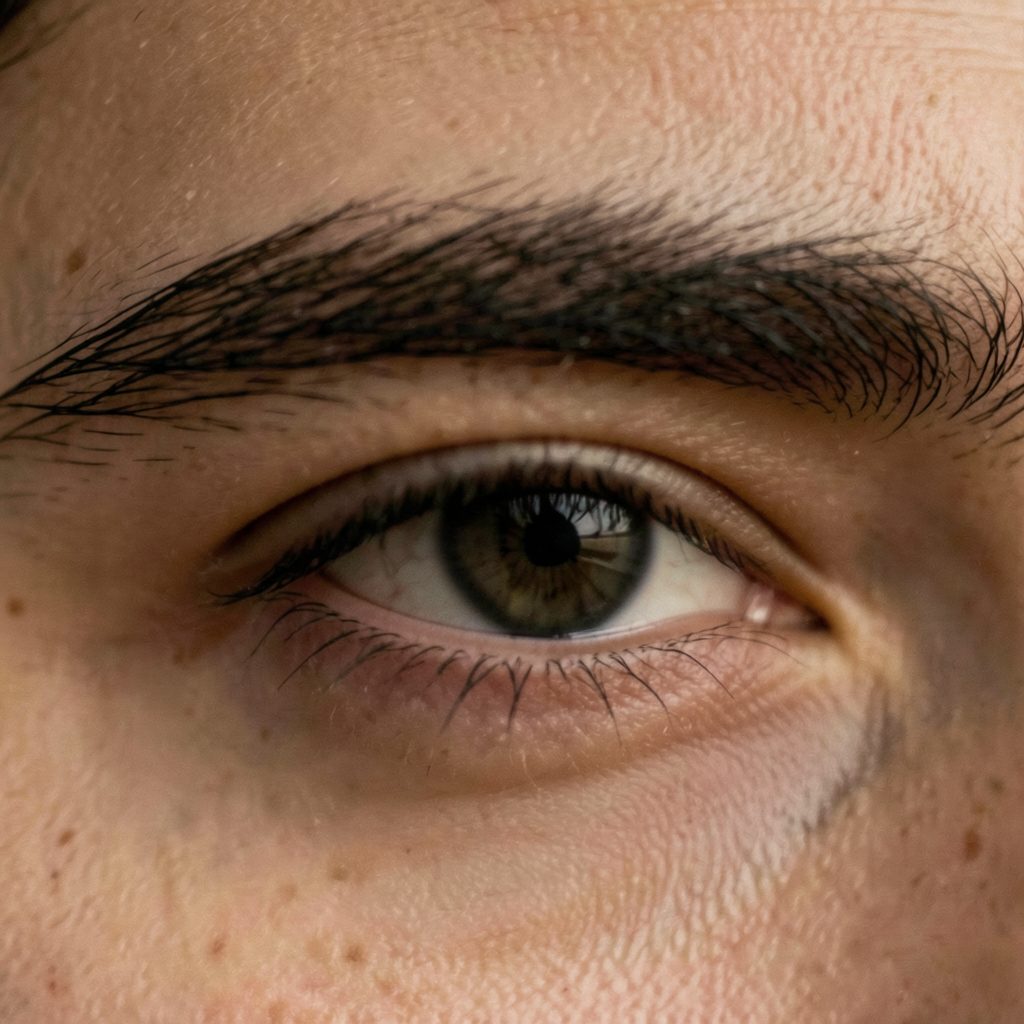
Hooded eyes are a natural eye shape where an excess piece of skin from the brow bone partially or completely covers the eyelid. The result can make eyes appear smaller or more tired than they feel.
This shape can be present from birth due to genetics, or it can develop over time. Known causes include aging, genetic traits, eye rubbing, body fatness, muscle structure, trauma, solar radiation, and sleep apnea.
Blepharoplasty, often called eyelid surgery, can reduce excess skin, reshape the upper eyelid crease, or soften lower-eye bags. The procedure may be performed for cosmetic reasons or to improve a visual field affected by heavy upper-lid skin. Recovery varies according to the technique used, the amount of tissue removed, individual healing, and whether brow surgery or another procedure is performed at the same time.
Most people are surprised by how changeable the first fortnight can be. Swelling may move from the eyelids into the upper cheeks, bruising can change colour before it fades, and one eye may appear different from the other on a particular day. A week-by-week guide is useful, but your surgeon’s instructions take priority because they are based on your operation and medical history.
In Australia, it is sensible to allow extra time away from work if your job involves outdoor heat, dust, heavy lifting, or close contact with customers. A Sydney office worker may return sooner than someone working on a construction site in Perth, while summer glare and ultraviolet exposure in Brisbane or Adelaide can make sunglasses and sun protection especially important during early healing.
Preparation affects the ease of recovery. Your surgeon will review your medical history, allergies, medications, dry-eye symptoms, previous eye procedures, and expectations. Ask specifically whether you are having upper blepharoplasty, lower blepharoplasty, or both, and whether fat will be repositioned or removed. You should also receive instructions about medicines and supplements that can increase bleeding, although nothing should be stopped without medical advice.
Arrange an adult to take you home and stay with you for the first night. Vision may be blurred by ointment, watering, swelling, or the anaesthetic, so driving is unsafe. Prepare clean compresses, prescribed medication, easy meals, extra pillows, and loose clothing that does not need to be pulled over your face. Your surgeon may advise sleeping with your head elevated and using cool, clean compresses for short periods.
Mild tightness, watering, light sensitivity, numbness, and a tired feeling around the eyes are common immediately after surgery. Some people notice temporary double vision or difficulty closing the eyes fully. Severe pain is less typical and should be reported rather than managed by taking extra medication without guidance.
Swelling often becomes most noticeable during the first two or three days. Bruising may spread or look darker before it starts to fade, particularly after lower-lid surgery. The skin can feel firm around the incision, and stitches may cause a pulling sensation. Keeping your head raised, avoiding bending and straining, and following the prescribed cleaning routine can help, but these measures will not make the healing process instant.
This is also the stage when photographs can cause unnecessary concern. Small differences in swelling can make one eye look higher, rounder, or more covered than the other. If you have previously worried about uneven images, why hooded eyes look asymmetrical explains how lighting, camera angle, brow position, and eyelid structure can exaggerate differences that are less obvious in person.
Your follow-up appointment may take place within the first week, depending on the surgeon’s technique and whether removable sutures were used. Do not apply makeup over an incision unless your surgical team has cleared it. Avoid contact lenses until advised, and use glasses if they are more comfortable. Reading and screen use are usually guided by comfort; take frequent breaks if your eyes become dry or strained.
By the second week, bruising is often less obvious, although yellow or green tones can linger. Most people can resume light daily activities, and some return to desk-based work. Swelling may still be visible in the morning or after a busy day. The eyelid crease can look sharper or higher than expected while tissues settle, so early results should not be treated as the final shape.
Exercise restrictions depend on your operation and your surgeon’s protocol. Walking is commonly easier to restart than running, gym workouts, yoga positions with the head down, swimming, or lifting heavy objects. Increased blood pressure and exertion can worsen swelling or bleeding. Follow the specific time limits you were given rather than relying on a generic internet schedule.
Australian conditions deserve practical consideration during this period. Wide-brimmed hats and quality sunglasses can reduce glare when commuting in Melbourne or walking in coastal areas, but sunglasses should not press on tender incisions. Avoid dusty environments, smoke, and unclean pools. If you work outdoors, ask when it is safe to return and how to protect healing skin from strong ultraviolet exposure.
During weeks three and four, many patients look presentable in ordinary social situations, though subtle swelling remains. Scars may appear pink, tight, or slightly raised before gradually softening. Lower-lid surgery can take longer to settle than a straightforward upper-lid procedure, especially when skin, muscle, or fat has been repositioned.
Your surgeon may permit gentle skincare around, rather than directly on, the incision. Do not massage scars or use active products such as retinoids, exfoliating acids, or strong vitamin C formulas until you have been told they are suitable. Sun protection becomes especially important because fresh scars can darken with ultraviolet exposure. A hat, sunglasses, and broad-spectrum sunscreen applied only as directed can support more even scar maturation.
Makeup is generally reintroduced gradually once the surface has healed and your clinician approves it. Begin with clean products and avoid sharing brushes. If you want to understand how placement can be adapted after swelling settles, eyeshadow placement for deep-set eyes offers useful context for working with limited visible lid space without placing pressure on healing tissue.
At five to eight weeks, much of the obvious swelling has usually improved, but the result may still be evolving. One side can settle faster than the other, and the eyelid crease may continue to soften. Numbness or altered sensation near the incision can persist for several months as small nerves recover. A feeling of dryness, grittiness, or increased sensitivity to wind may also take time to resolve.
Your surgeon will assess eyelid position, closure, scar quality, tear production, and symmetry during follow-up. A small amount of residual puffiness does not automatically mean the operation has failed. Revision decisions should rarely be made early because tissues need time to mature. Ask when your surgeon considers the result stable enough for a meaningful assessment.
Seek urgent medical advice for sudden vision loss, severe or increasing pain, marked one-sided swelling, heavy bleeding, pus, fever, increasing redness, inability to close the eye, or a new severe headache. These symptoms can indicate infection, bleeding behind the eye, exposure problems, or another complication requiring prompt assessment. Emergency symptoms should be managed through urgent medical services rather than waiting for a routine appointment.
Many people see a near-final improvement by three months, although scar colour, firmness, numbness, and fine swelling may continue to change for six months or longer. Upper-lid surgery can make the eyes look more open, but it does not remove every effect of hooded or deep-set anatomy. Brow position, forehead movement, orbital structure, and natural asymmetry continue to influence the appearance.
The Australian cosmetic surgery market includes private clinics, hospital-based services, and practices offering different anaesthetic and aftercare arrangements. Confirm who will perform the procedure, where it will take place, who provides anaesthesia, and how complications are handled after hours. Check that the practitioner is registered with the Australian Health Practitioner Regulation Agency and ask about relevant specialist qualifications, such as ophthalmic or plastic surgery training. Cosmetic advertising and informed-consent obligations are governed by professional and national rules, so a polished social-media gallery is not a substitute for a proper consultation.
Blepharoplasty performed for appearance is commonly an out-of-pocket service, while Medicare and private health cover depend on medical necessity, item numbers, policy terms, and documentation. Ask the clinic for a written estimate covering the surgeon, hospital, anaesthetist, pathology if relevant, medicines, follow-up, and possible revision or complication care. Do not assume that a quote includes every fee.
A calm routine is usually more useful than trying to accelerate the process. Keep follow-up appointments, take medicines exactly as prescribed, and contact the clinic when an instruction is unclear. Alcohol, smoking, and vaping may interfere with healing or interact with medication, so discuss them honestly with your medical team. Hydration, regular meals, and adequate sleep support general recovery without promising to eliminate swelling.
Keep these practical priorities in place:
Recovery is easier when expectations are based on healing rather than daily photographs. Early unevenness, tightness, and changing bruises are common, while persistent or worsening symptoms deserve professional review. Cosmetic references can be helpful once the eyes have healed; for example, Blake Lively’s hooded eyes show how makeup can work with natural lid structure rather than attempting to reproduce another person’s anatomy.
Use this timeline to plan leave, transport, exercise, skincare, and social commitments, then adapt it to the advice of your own qualified surgeon. Book a detailed consultation with an appropriately registered Australian practitioner, request a written recovery plan and complete cost breakdown, and seek timely medical care if healing does not follow the expected pattern.
Surgical Option
For those seeking a more lasting result, plastic surgery — including blepharoplasty — is covered as a treatment option for hooded eyes. Surgery addresses the excess skin directly and is considered an alternative to non-surgical approaches like Botox.
The site's surgery guide explains the procedure, what to expect, and how it compares to non-surgical routes, helping readers make informed decisions about their options.
Read the Surgery Guide →Famous Faces
Hooded eyes can enhance facial expressions and contribute to a distinctive, memorable look. These ten well-known figures all share the eye shape.
Jennifer Aniston
Leonardo DiCaprio
Solange Knowles
Taylor Swift
Michelle Williams
Robert Pattinson
Blake Lively
Selena Gomez
Gigi Hadid
Benicio del Toro
Side by Side
False Lash Guide
Varied length spikes create texture and the illusion of depth without weighing down the lid.
Longer outer-corner lashes draw the eye outward and upward, counteracting the hood effect.
A uniform, moderate length that adds definition without overwhelming a hooded lid.
Applied only to the outer half, these open up the eye shape and are easier to manage on hooded lids.
A strong upward curl (D or L curl) lifts lashes away from the hood, keeping them visible throughout the day.
The guide also covers lash curlers, mascara recommendations, and step-by-step instructions for fixing false lashes on hooded eyelids.
Full Lash Guide →Get in Touch
Whether you are just beginning your makeup journey or have been experimenting with different looks for years, we are glad you are here.
General Feedback
Share your thoughts on the site or suggest topics you'd like covered.
Looking for a Specific Tip?
Ask about a particular technique or eye-shape challenge.
Product Questions
Questions about products mentioned across the site.
Human Resources or Business Inquiries
Partnership, collaboration, or business-related correspondence.