01
Makeup Tips
Eyeshadow placement, blending techniques, and common mistakes to avoid for a more open, lifted look.
Explore →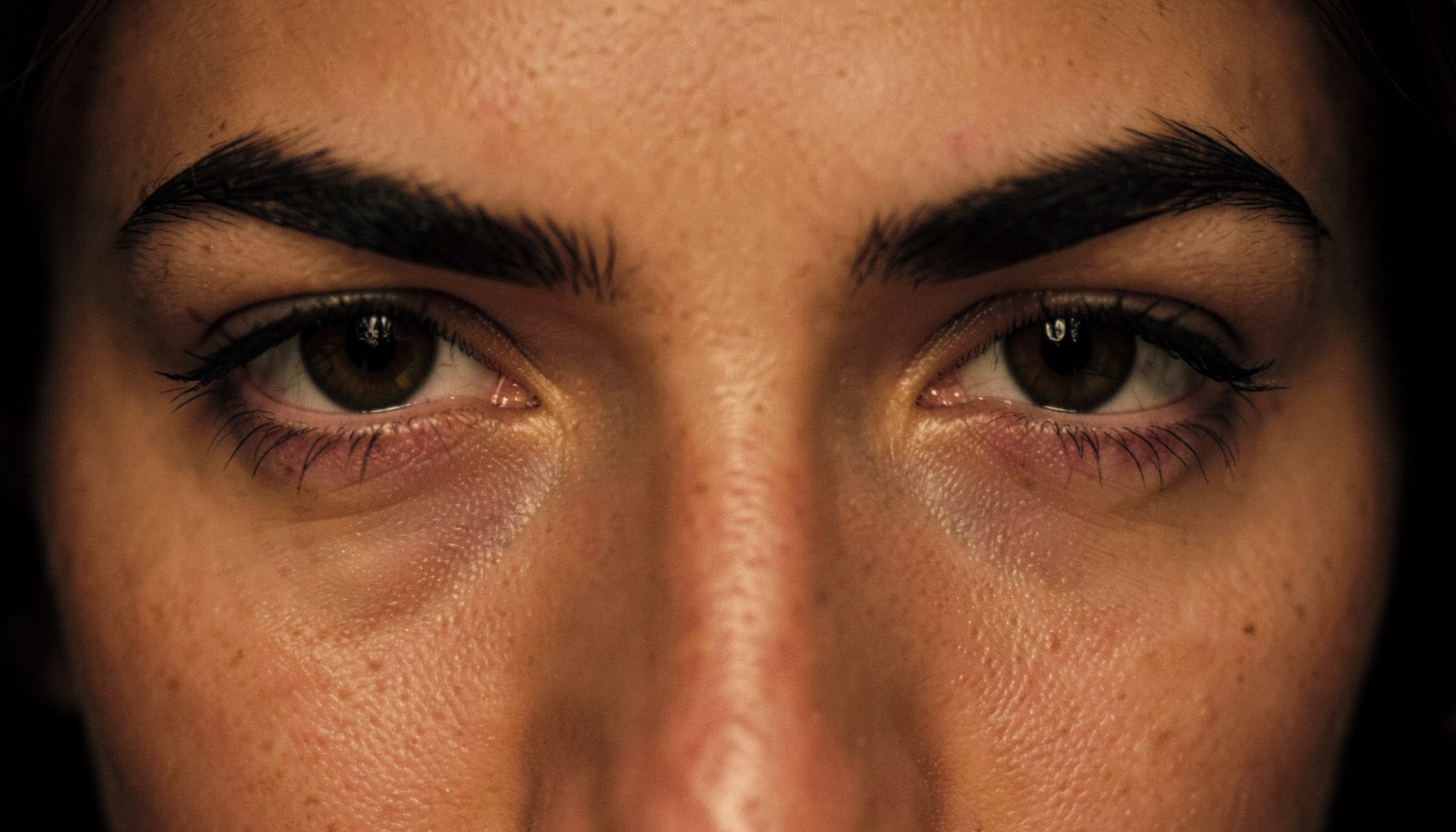
Eye Shape Guide
Understand your eye shape, master makeup techniques, and explore every treatment option — from Botox brow lifts to surgical solutions.
Explore the Site
Eyeshadow placement, blending techniques, and common mistakes to avoid for a more open, lifted look.
Explore →Winged liner, smudge prevention, and techniques that work with hooded lids to make eyes appear larger.
Explore →Non-surgical Botox brow lifts and surgical options including blepharoplasty, explained clearly.
Explore →Five false lash styles suited to hooded eyes, plus curler and mascara guidance for maximum lift.
Explore →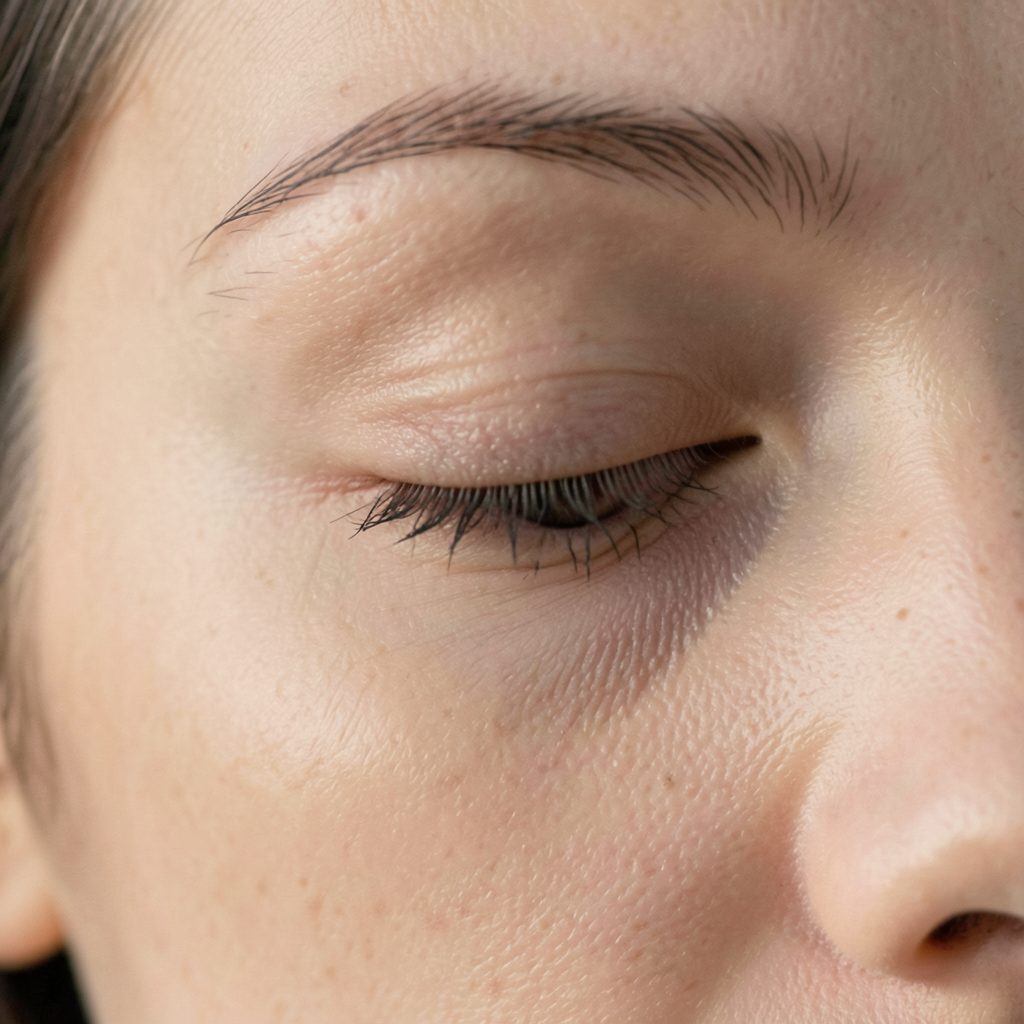
What Are Hooded Eyes?
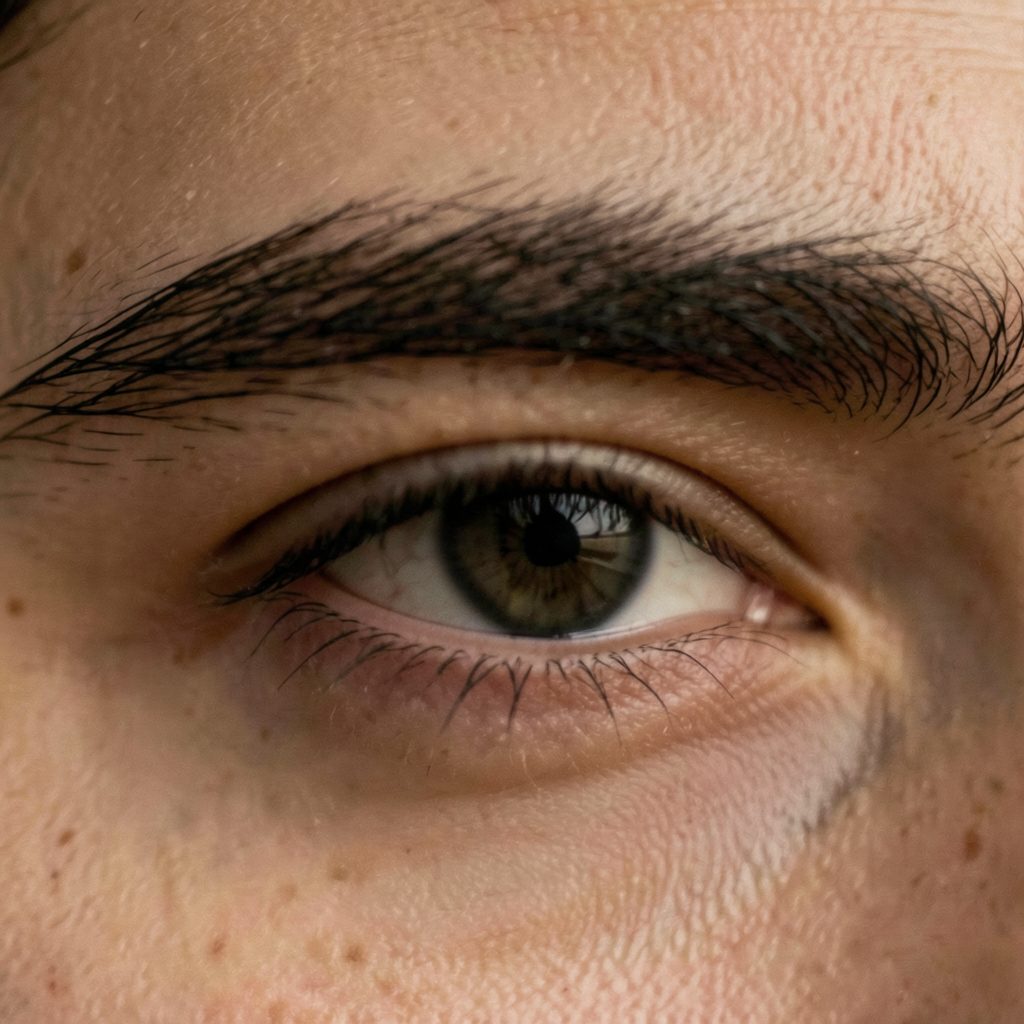
Hooded eyes are a natural eye shape where an excess piece of skin from the brow bone partially or completely covers the eyelid. The result can make eyes appear smaller or more tired than they feel.
This shape can be present from birth due to genetics, or it can develop over time. Known causes include aging, genetic traits, eye rubbing, body fatness, muscle structure, trauma, solar radiation, and sleep apnea.
Hooded eyes are one of the most Googled eye shapes, and for good reason. Many Australians who feel their brow has begun to droop wonder whether a quick injection could replace a surgical solution. Before booking a consult, it helps to understand what Botox can and cannot change about this particular feature.
The appeal of a non-surgical brow lift is straightforward: minimal downtime, no scalpels, results that soften the upper face within a week. Online claims range from cautious to wildly optimistic, so separating marketing from medicine is the first step in making a confident choice about any cosmetic treatment.
Hooded eyes describe a lid configuration where a fold of skin from the brow hangs over the crease, sometimes partially covering the lash line. To clarify the hooded eyes meaning and how it differs from other shapes, the underlying anatomy matters as much as the mirror reflection. A pronounced brow bone, natural fat pads, ageing-related skin laxity, and genetics all influence how much lid is visible at rest.
Australian dermatologists and cosmetic nurses often see two distinct patient groups: younger women in their late twenties and early thirties who genetically have low-set brows, and patients over forty experiencing true age-related descent. Both groups ask the same question for slightly different reasons. The first wants a brighter, more open look without changing their features. The second is hoping Botox can delay or replace a surgical lift.
Botox appears in these conversations because it relaxes specific muscles. When injected into the muscles that pull the brow downward, mainly the orbicularis oculi and parts of the corrugator complex, the unopposed frontalis muscle gently elevates the tail and arch of the brow. Whether that elevation translates to a visible lid change depends entirely on individual anatomy.
A so-called Botox brow lift uses small, carefully placed doses of botulinum toxin type A along the outer brow and sometimes between the eyebrows. Practitioners typically use four to eight units per side for the lateral lift, with additional units placed at the glabella if frown lines are also being treated. The whole appointment usually takes fifteen minutes and costs between AUD $350 and $700 in most capital city clinics, though Sydney's Double Bay and Melbourne's Toorak tend to sit at the higher end.
The mechanism is chemical rather than mechanical. By softening the downward pull, the forehead muscle can briefly do more of the work, lifting the outer brow by one to three millimetres in responsive patients. That sounds modest, but for someone with mild hooding, even two millimetres can reveal more lid space and make eyeshadow sit properly along the crease again.
The effect is not permanent. Results begin to appear within three to five days, peak around two weeks, and gradually fade over three to four months. Australians who socialise outdoors, whether surfing at Bondi or hiking in the Blue Mountains, often schedule appointments in autumn or winter so the settling-in period avoids harsh UV exposure and big events like summer weddings.
Peer-reviewed studies on botulinum toxin for brow elevation are limited but consistent in their conclusions. A 2017 review in the Journal of Cosmetic Dermatology found that targeted lateral injections produce a measurable lift of one to three millimetres, with the most predictable results in patients under fifty with mild to moderate hooding. Earlier work from 2007 showed similar numbers, suggesting the technique has a stable evidence base.
The lift is real but small. Patients with significant skin laxity, heavy brows, or very deep-set eyes often see minimal change, because the issue is excess skin rather than muscle pull. Confirming whether you have true hooded eyes or a different shape such as monolids is part of the assessment, and a practical guide on hooded eyes vs monolids walks through the anatomical differences. Studies also note that over-treatment can cause a "Spock brow" effect, where the outer brow lifts too much while the inner brow stays put. Skilled injectors mitigate this by adjusting units per side and sometimes treating the depressor muscles more than the frontalis.
Australian researchers at the University of Sydney and Monash have published observational data on patient satisfaction, which consistently shows higher happiness among those with realistic expectations. Patients who walk in expecting a dramatic surgical-style change tend to feel disappointed, even when the lift is technically successful. Those who want subtle refinement tend to feel the treatment was worthwhile.
The Therapeutic Goods Administration classifies botulinum toxin as a Schedule 4 prescription-only medicine, meaning a qualified prescriber must authorise every treatment. In practice, that means a doctor, dentist, or nurse practitioner signs off, even if a registered nurse performs the injections. Clinics in Brisbane, Perth, Adelaide, and Hobart all operate under the same national framework, though individual practitioners may have widely different training.
Common side effects are mild and temporary: small bruises at injection points, a brief headache, and occasional heaviness in the forehead for the first week. More serious complications like ptosis (drooping eyelid) occur in roughly one to three percent of treatments, usually when the toxin migrates into the levator muscle. Choosing an experienced injector dramatically reduces this risk.
Australians booking cosmetic work are increasingly asking about complication policies, revision appointments, and whether the clinic stocks hyaluronidase for emergencies. They are also checking AHPRA registration and reading independent reviews rather than relying solely on clinic-curated social media. A reputable clinic welcomes these questions.
A Botox brow lift works best as part of a broader eye-framing strategy. Even a successful lift of two millimetres will not magically erase heavy folds in someone with significant laxity. For those patients, blepharoplasty remains the gold-standard option, though it involves surgery, anaesthesia, and several weeks of recovery. Some Australians combine a surgical lift with preventative Botox a few months later to maintain results.
For readers not ready for injectables, makeup and lash techniques can create a similar visual effect. Curling lashes, applying a thin line close to the lash root, and using matte shades just above the crease can mimic a lifted look. Choosing the best lashes for hooded eyes also helps; a strip lash with a shorter outer corner and longer centre avoids the downward drag that heavy outer lashes can create. These cosmetic tricks can also enhance the modest lift achieved with Botox, layering results without overcommitting to a single procedure.
Whether you choose injectables, surgery, or simply better makeup and lashes, the goal is the same: eyes that feel open and rested. Many readers find that a combined approach delivers natural-looking results in any light, from a Perth arvo at the pub to a Melbourne office morning. Layering a small Botox lift with clever eyeshadow placement and the right lash style gives confidence without overcommitting to a single expensive procedure.
Botox can genuinely lift hooded eyes, but only by a small amount, only in suitable candidates, and only with a skilled injector. Book a consultation with a credentialed Australian practitioner, ask to see before-and-after photos of patients with similar anatomy, and be honest about the result you hope for. Your eyes deserve a plan that matches their actual structure, not a generic promise from a clinic's Instagram grid.
Surgical Option
For those seeking a more lasting result, plastic surgery — including blepharoplasty — is covered as a treatment option for hooded eyes. Surgery addresses the excess skin directly and is considered an alternative to non-surgical approaches like Botox.
The site's surgery guide explains the procedure, what to expect, and how it compares to non-surgical routes, helping readers make informed decisions about their options.
Read the Surgery Guide →Famous Faces
Hooded eyes can enhance facial expressions and contribute to a distinctive, memorable look. These ten well-known figures all share the eye shape.
Jennifer Aniston
Leonardo DiCaprio
Solange Knowles
Taylor Swift
Michelle Williams
Robert Pattinson
Blake Lively
Selena Gomez
Gigi Hadid
Benicio del Toro
Side by Side
False Lash Guide
Varied length spikes create texture and the illusion of depth without weighing down the lid.
Longer outer-corner lashes draw the eye outward and upward, counteracting the hood effect.
A uniform, moderate length that adds definition without overwhelming a hooded lid.
Applied only to the outer half, these open up the eye shape and are easier to manage on hooded lids.
A strong upward curl (D or L curl) lifts lashes away from the hood, keeping them visible throughout the day.
The guide also covers lash curlers, mascara recommendations, and step-by-step instructions for fixing false lashes on hooded eyelids.
Full Lash Guide →Get in Touch
Whether you are just beginning your makeup journey or have been experimenting with different looks for years, we are glad you are here.
General Feedback
Share your thoughts on the site or suggest topics you'd like covered.
Looking for a Specific Tip?
Ask about a particular technique or eye-shape challenge.
Product Questions
Questions about products mentioned across the site.
Human Resources or Business Inquiries
Partnership, collaboration, or business-related correspondence.