01
Makeup Tips
Eyeshadow placement, blending techniques, and common mistakes to avoid for a more open, lifted look.
Explore →
Eye Shape Guide
Understand your eye shape, master makeup techniques, and explore every treatment option — from Botox brow lifts to surgical solutions.
Explore the Site
Eyeshadow placement, blending techniques, and common mistakes to avoid for a more open, lifted look.
Explore →Winged liner, smudge prevention, and techniques that work with hooded lids to make eyes appear larger.
Explore →Non-surgical Botox brow lifts and surgical options including blepharoplasty, explained clearly.
Explore →Five false lash styles suited to hooded eyes, plus curler and mascara guidance for maximum lift.
Explore →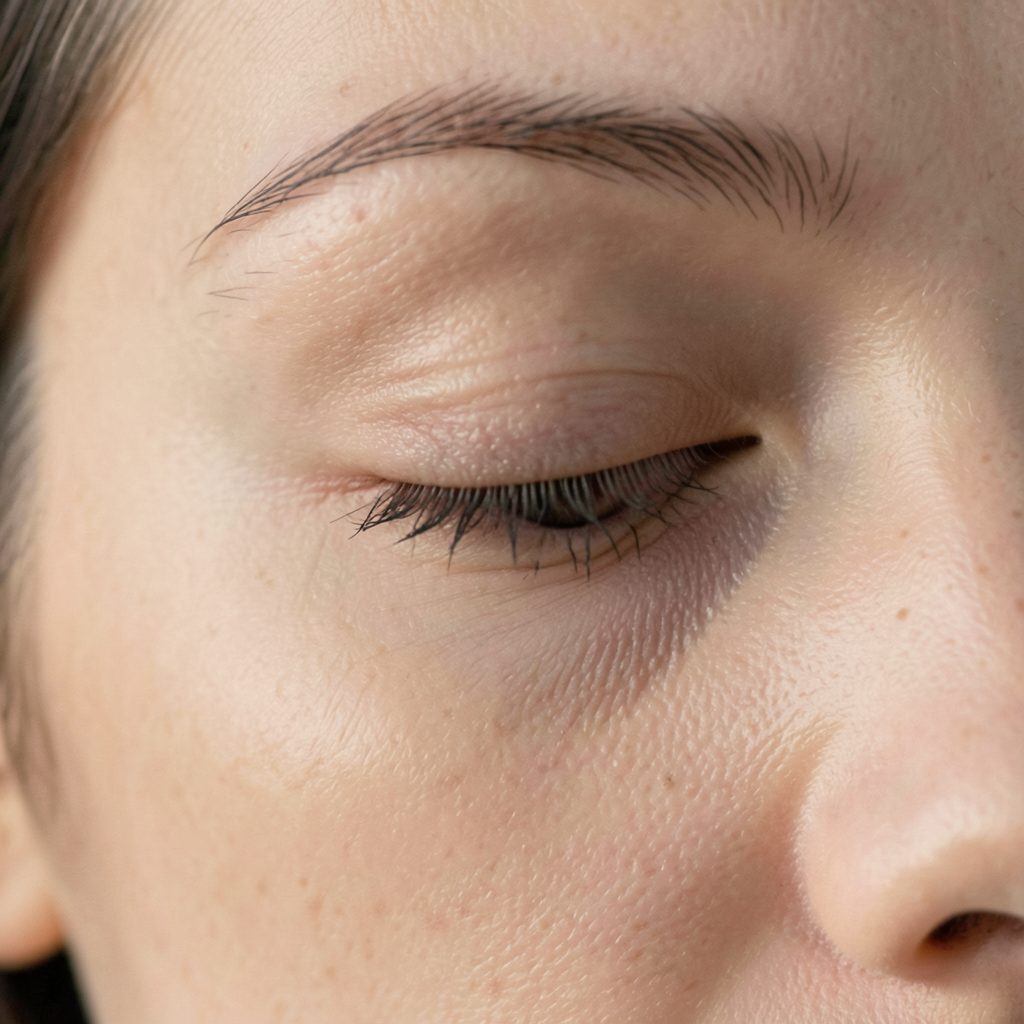
What Are Hooded Eyes?
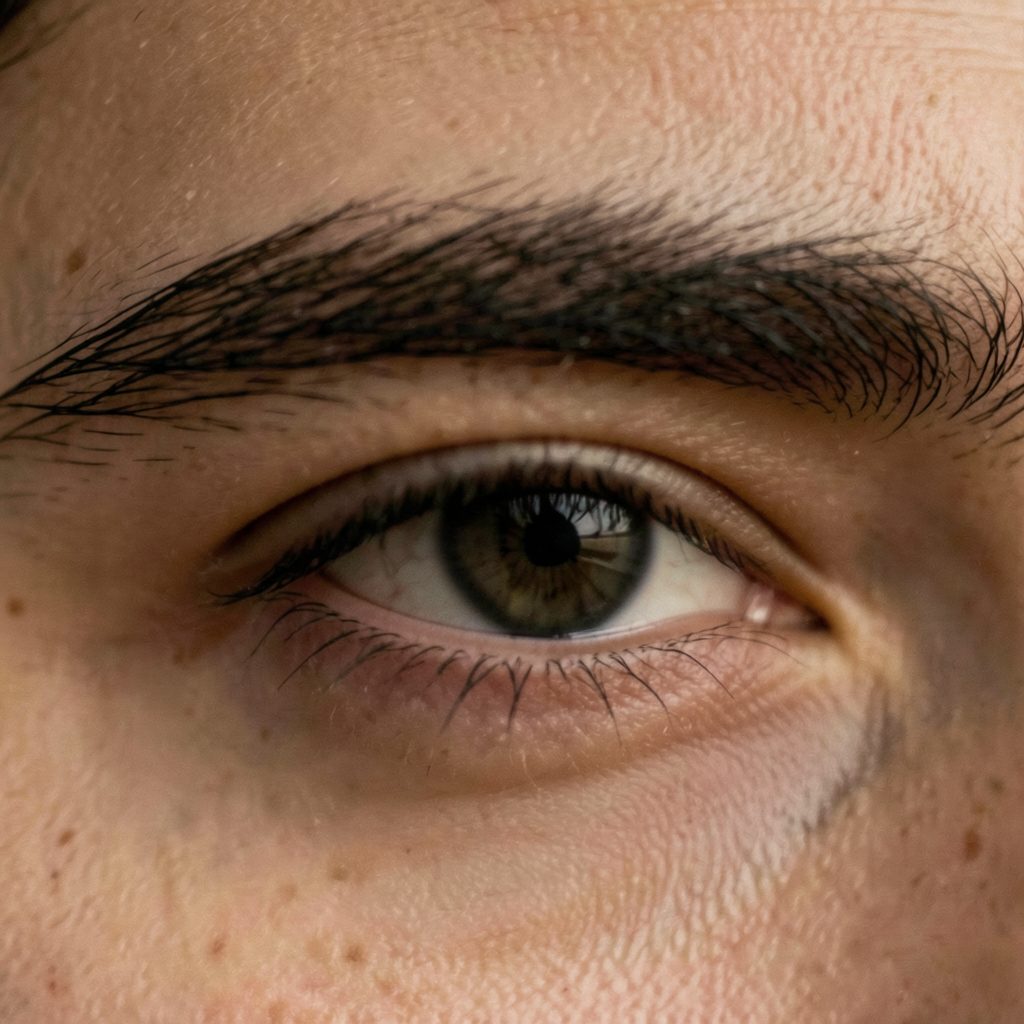
Hooded eyes are a natural eye shape where an excess piece of skin from the brow bone partially or completely covers the eyelid. The result can make eyes appear smaller or more tired than they feel.
This shape can be present from birth due to genetics, or it can develop over time. Known causes include aging, genetic traits, eye rubbing, body fatness, muscle structure, trauma, solar radiation, and sleep apnea.
Deep set hooded eyes sit further back in the brow bone, creating a natural shadow over the mobile lid and shrinking the visible canvas for colour. The crease is deeply recessed, the brow bone prominent, and the lash line hidden from the front. Many Australians first notice this shape when their favourite eyeshadow looks smudged or absent in selfies taken outdoors in Sydney or on the Mornington Peninsula.
The placement strategy has to work with shadow rather than fight it. Anything applied too low vanishes into the hood, while anything on the centre of the lid can look flat under the strong coastal light of Bondi or Brisbane's bayside suburbs. The goal is to bring the colour forward, lift the visual line, and define the lash line without emphasising the recession.
Australians live with high UV exposure, so sunscreen, hats and sunglasses are daily habits. Mineral SPF migrates into fine lines, mirrored lenses leave tan lines, and prolonged squinting deepens the crease over time. Long-wearing powders or waterproof creams help the placement survive a hot afternoon in Melbourne or a humid evening in Cairns.
The advice below focuses on placement rather than colour theory, assuming you already own brushes, primer and a few palettes. Where clinical options come up, you can read the botox overview to understand what the treatment involves.
A deep set hooded eye has a brow bone that projects forward and a globe that sits further back, so the lid is partially enclosed on three sides. From the front, the visible lid space is short and the crease disappears under the overhang. Eyeshadow applied at the actual crease line ends up hidden, which is why so many tutorials leave Australians frustrated when the colour simply does not show.
What does show is the area between the crease and the brow bone, plus the outer V. These two zones become the working canvas. Apply the deepest shade slightly above where you would normally place it, on the skin just visible when your eyes are open. This lifts the colour into the light rather than burying it in shadow.
Many Australian makeup artists teach this as the "above the crease" rule. If you cannot see the colour when looking straight ahead into the mirror, it is too low. Practising in natural north-facing light, like from a kitchen window in Adelaide or Perth, helps you see the placement without harsh overhead spots that flatten dimension.
| Placement zone | Standard hooded | Deep set hooded |
|---|---|---|
| Crease line | Just above natural fold | Higher, above hood line |
| Outer V | Mid socket, angled up | Extended toward brow tail |
| Inner corner | Subtle highlight | Brighter, brings eye forward |
| Lid centre | Often left bare | Light matte or satin |
| Brow bone | Soft sheen | Highest point only |
Hooded lids often have less mobile lid space. A standard hooded eye may show three to five millimetres of lid when open, while a deep set hooded eye can show almost none. Tightlining and lash work become crucial, and this eyeliner guide walks through the angles and textures that complement the strategy below.
Preparation matters more with deep set eyes than with most other shapes because the hood traps oils and rubs against the skin throughout the day. Apply primer only on the mobile lid and the area immediately above the crease. Prying primer into the brow bone tends to make powder look chalky on the prominent bone many Australians have.
Australian summers, especially inland around Dubbo or Mildura, push sweat into the eye area. A thin layer of translucent powder set over the primer on the mobile lid only will keep eyeshadow from creasing into the hood. Leave the brow bone dewy so highlight reflects light back into the socket.
If you wear sunscreen daily, wait at least two minutes after applying SPF before reaching for primer. Sunscreen that has not set can pill and create the muddy effect you are trying to avoid. Mineral sunscreens, common on Australian shelves because of TGA-approved formulations, can leave a white cast that primer tones down without changing placement logic.
Cream eyeshadows grip the lid without much blending room. Stick formulas, popular for travel between Hobart and Darwin, are quick and forgiving. Creams crease faster in humidity, so layer a matching powder shadow on top to lock colour into the hood through long commutes or outdoor lunches.
A three-tone gradient suits deep set hooded eyes better than a flat wash of colour. Start with a matte mid-tone across the visible lid, blended just above the crease. It creates a base that recedes visually and gives deeper shades something to blend into.
The second step is a deeper matte or satin in the outer V. With deep set eyes, this extends higher than on a standard lid, almost to the tail of the brow. Tap the colour in with a small brush, then blend upward into the mid-tone. This creates a lifted, almond-shaped effect that reads as more open in any lighting, from Perth fluorescents to a Bondi sunset.
The third step is a soft shimmer or light matte on the centre of the mobile lid only. The hood covers most of the lid when the eye is open, so the highlight lives on the part you can actually see when looking straight ahead. Avoid placing shimmer too high toward the brow, or it will catch the overhang and look greasy rather than glowing.
Colour choice matters less than people think. Warm bronzes suit most Australian skin tones and read well against bright outdoor light. Cool taupes are sophisticated for evening looks. Avoid stark white highlights on the lid centre for daytime, since the Australian sun reflects harshly off very light pigments and washes the eye area out in photographs.
The inner corner is the most overlooked real estate on a deep set hooded eye. Because the nose bridge casts a natural shadow, a touch of light matte shadow or concealer at the inner corner brings the eye forward and balances the deep outer V. A flat shader brush works better than a fluffy one here, because control matters more than diffusion.
The brow bone highlight should sit on the highest point of the bone, not on the hood itself. Placed on the hood, it slides down into the crease as the day goes on. A soft champagne or pink-toned matte works in daylight, while a fine pearl suits evening or indoor events in cities like Melbourne where lighting is moodier. Skip heavy frost, which reads as dated and emphasises texture on mature lids.
A small step at the centre of the lid, just below the crease line, catches daylight from a window or phone flash. It is subtle, but it is the difference between eyeshadow that disappears and eyeshadow that looks intentional.
The Australian Consumer Law requires cosmetic claims to be truthful, so any product labelled long-wearing should genuinely last through a humid commute. Local brands stocked at Mecca and Sephora Australia have reformulated specifically for our climate. Testing your placement in realistic conditions, such as a walk around the Domain in Sydney or a tram ride through Melbourne, will tell you quickly whether the gradient holds up.
Brushes for deep set hooded eyes need to be smaller than the standard crease brushes palettes recommend. A brush that is too fluffy deposits colour in the hood rather than at the crease line. Pencil brushes, small tapered shaders and flat definer brushes are more useful than big blending brushes.
Blending technique also changes. Rather than circular windscreen-wiper motions, use small tapping and rolling movements that push colour upward into the hood. The hood absorbs some colour through the day, so building slightly higher than you think you need is wise. A clean spoolie can soften the edges once the gradient is placed.
Tightlining, or filling in the upper waterline, complements this placement because it makes the lash line look thicker without adding visible liner above the lashes. With deep set eyes, visible liner migrates into the hood. Tightlining keeps definition close to the eye.
If you wear mascara, curl the lashes before applying and choose waterproof formulas for humid days. Australian humidity can make regular mascara smudge into the hood within hours, undoing careful placement. Curling lifts the lashes away from the lid, exposing more of the eyeshadow.
For everyday wear, a single matte mid-tone through the crease and a slightly deeper outer V is enough. Add mascara and you have a clean look that survives fluorescent office lighting in a Brisbane high-rise or a Fremantle café. Save the shimmer for weekend brunches or outdoor events where it can catch the light.
Evening looks benefit from deeper shades smoked higher into the hood, paired with a smudged pencil liner along the upper lash line. Keep the deepest shade within the area visible when the eye is open so it does not vanish into the recess. A well-placed deep plum, forest or espresso brings forward eye colour in low light.
If you are preparing for an event with photography, do your makeup in the kind of light you will be photographed in. Australian wedding venues range from beachside in Byron Bay to gardens in the Adelaide Hills, and the light differs wildly. Adjust the intensity rather than the placement itself between indoor and outdoor settings.
If no eyeshadow strategy gives you the openness you want, clinical options exist. Cosmetic injectables in Australia are regulated by AHPRA and the TGA, so only qualified practitioners can administer them. A registered clinician will help you decide whether a brow lift with botox, surgical options, or better placement techniques suit your goals.
Recommendations for everyday wear
For readers who want to understand the people behind this resource, our about page explains our approach to hooded eye education. Pair the placement tips above with our related eyeliner and treatment guides to build a routine that works in any Australian setting.
Surgical Option
For those seeking a more lasting result, plastic surgery — including blepharoplasty — is covered as a treatment option for hooded eyes. Surgery addresses the excess skin directly and is considered an alternative to non-surgical approaches like Botox.
The site's surgery guide explains the procedure, what to expect, and how it compares to non-surgical routes, helping readers make informed decisions about their options.
Read the Surgery Guide →Famous Faces
Hooded eyes can enhance facial expressions and contribute to a distinctive, memorable look. These ten well-known figures all share the eye shape.
Jennifer Aniston
Leonardo DiCaprio
Solange Knowles
Taylor Swift
Michelle Williams
Robert Pattinson
Blake Lively
Selena Gomez
Gigi Hadid
Benicio del Toro
Side by Side
False Lash Guide
Varied length spikes create texture and the illusion of depth without weighing down the lid.
Longer outer-corner lashes draw the eye outward and upward, counteracting the hood effect.
A uniform, moderate length that adds definition without overwhelming a hooded lid.
Applied only to the outer half, these open up the eye shape and are easier to manage on hooded lids.
A strong upward curl (D or L curl) lifts lashes away from the hood, keeping them visible throughout the day.
The guide also covers lash curlers, mascara recommendations, and step-by-step instructions for fixing false lashes on hooded eyelids.
Full Lash Guide →Get in Touch
Whether you are just beginning your makeup journey or have been experimenting with different looks for years, we are glad you are here.
General Feedback
Share your thoughts on the site or suggest topics you'd like covered.
Looking for a Specific Tip?
Ask about a particular technique or eye-shape challenge.
Product Questions
Questions about products mentioned across the site.
Human Resources or Business Inquiries
Partnership, collaboration, or business-related correspondence.