01
Makeup Tips
Eyeshadow placement, blending techniques, and common mistakes to avoid for a more open, lifted look.
Explore →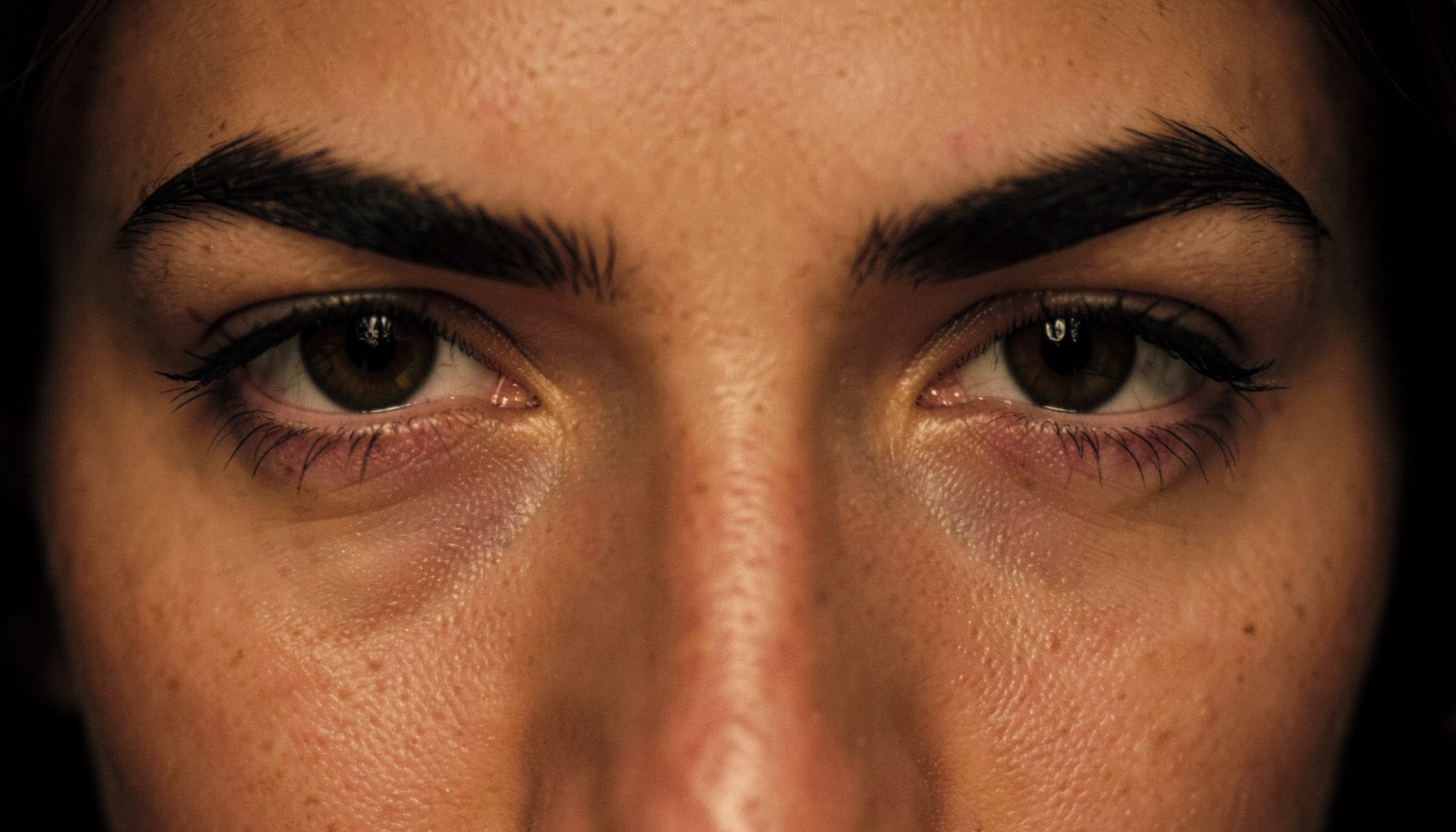
Eye Shape Guide
Understand your eye shape, master makeup techniques, and explore every treatment option — from Botox brow lifts to surgical solutions.
Explore the Site
Eyeshadow placement, blending techniques, and common mistakes to avoid for a more open, lifted look.
Explore →Winged liner, smudge prevention, and techniques that work with hooded lids to make eyes appear larger.
Explore →Non-surgical Botox brow lifts and surgical options including blepharoplasty, explained clearly.
Explore →Five false lash styles suited to hooded eyes, plus curler and mascara guidance for maximum lift.
Explore →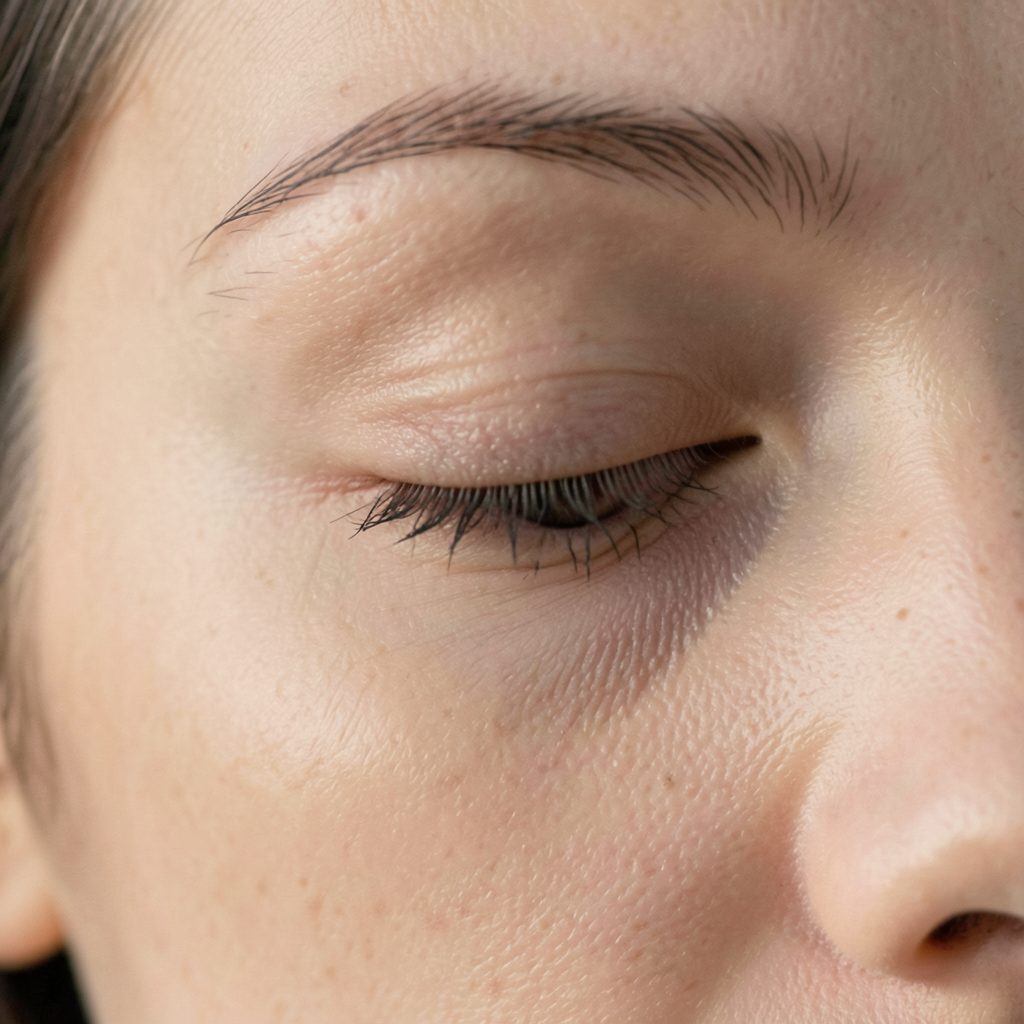
What Are Hooded Eyes?
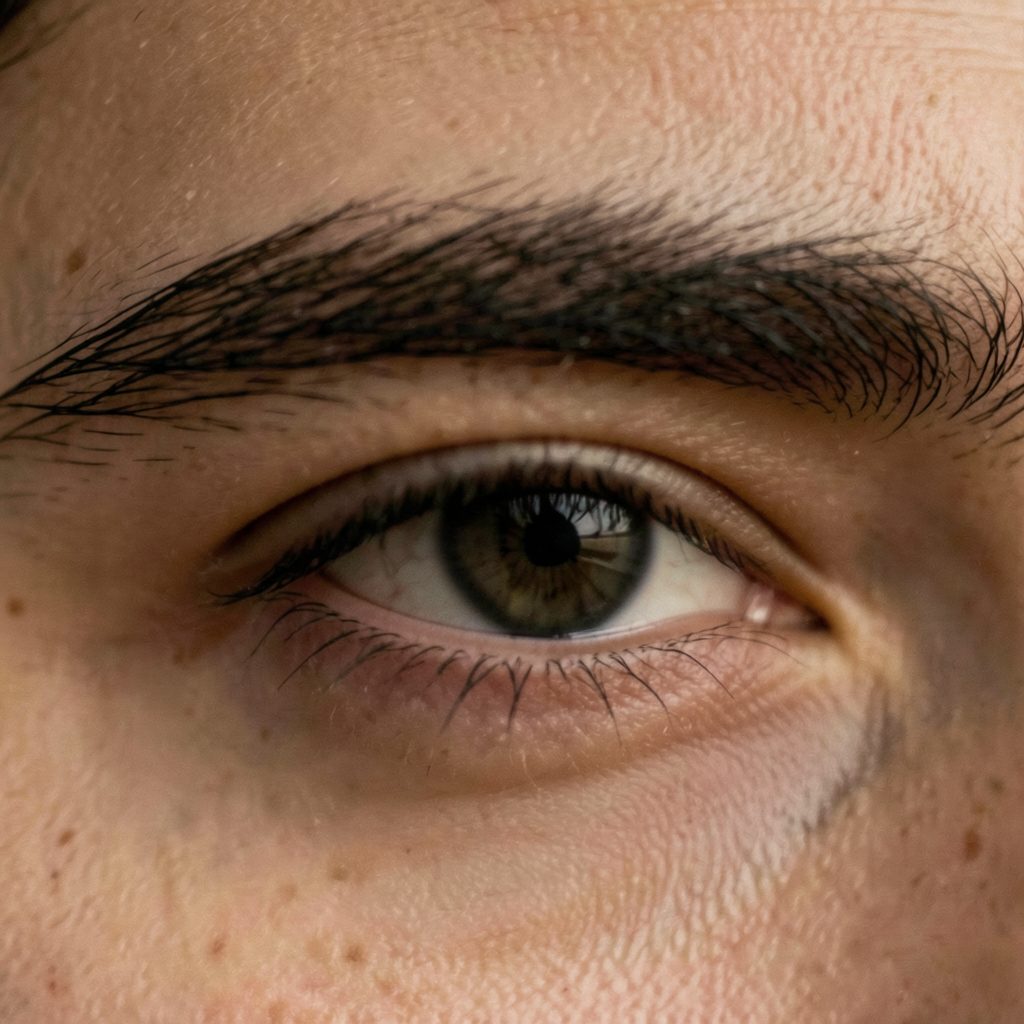
Hooded eyes are a natural eye shape where an excess piece of skin from the brow bone partially or completely covers the eyelid. The result can make eyes appear smaller or more tired than they feel.
This shape can be present from birth due to genetics, or it can develop over time. Known causes include aging, genetic traits, eye rubbing, body fatness, muscle structure, trauma, solar radiation, and sleep apnea.
If you've ever watched your carefully blended eyeshadow slide into a soft brown haze by mid-morning, you're not imagining things. Hooded lids sit differently to a standard eye shape — the fold of skin from the brow bone drapes over the mobile lid, so every blink presses pigment directly into the crease. Australia's climate stack makes the issue worse. Humid mornings in Brisbane, dry heat rolling through Perth, and Melbourne's four-seasons-in-a-day weather all pull moisture out of (or push it into) your eye makeup at different speeds.
The good news is that a well-chosen drugstore eye primer can hold eyeshadow in place from your morning train into an after-work dinner in the CBD. The picks below are widely stocked at Chemist Warehouse and Priceline, hold up through humid commutes and beach weekends, and have been tested by readers whose folds sit well below the brow bone. We're looking at grip, oil control, wear time, and price — the four things that matter most when every blink is grinding against your shadow.
On a hooded eye, the skin between the lash line and the brow is partially or completely covered by a fold descending from the brow bone. The average person blinks roughly 15,000 times a day, and each blink presses that fold onto whatever makeup sits on the lid. Pigment grinds into the crease line, oils migrate downward, and the eyeshadow you applied at 7am looks patchy by your morning coffee in Surry Hills.
Some readers also notice one eye creases far worse than the other, a quirk explored in this guide on hooded eye asymmetry. The fold tends to sit lower on one side, dragging shadow with it. An eye primer counters the friction by creating a thin, slightly tacky barrier that anchors powder, cream, or liquid formulas to the lid. Without one, even the most expensive palette slips within an hour.
The right primer also evens out discolouration and minor texture. Because the hooded fold makes the lid surface more visible from below than straight on, smoothing that canvas means shadow reads true instead of clinging to dry patches or sinking into fine lines around the outer corner.
Most effective drugstore eye primers rely on a few reliable ingredients that have been around long enough to sell under twenty dollars. Silicone elastomers like dimethicone crosspolymer create the silky glide that locks pigment in place, while polymers such as PVP form a light film across the lid. A touch of silica or mica absorbs sweat, useful for outdoor events like a Saturday picnic in Parramatta Park or a coastal walk along the Mornington Peninsula.
Heavy plant oils such as shea butter or coconut oil feel nourishing on the hand but migrate fast across a warm crease. Fragrance-loaded formulas often irritate the thin lid skin, and anything labelled "long-wear" without specifying the mechanism tends to add extra film-former that pills within an hour of application.
The Australian chemist market stocks a mix of international bestsellers and home-grown favourites that have built reputations across Sydney, Melbourne, and Adelaide beauty counters. Stock can change between stores, so it helps to know what each formula does well rather than chasing a brand name.
Here's how five widely available options compare on the metrics that matter most for someone fighting crease: grip level, oil control, humidity wear, and the price you can expect to pay at a major chain.
| Primer | Grip | Oil control | Humidity wear | Approx. AUD |
|---|---|---|---|---|
| Milani Eyeshadow Primer | Strong | Moderate | Good | $18 |
| NYX HD Eye Shadow Base | Medium-strong | Moderate | Fair-good | $14 |
| Wet n Wild PhotoFocus Eye Primer | Strong | High | Good | $15 |
| Rimmel Magnif'eyes | Medium | Moderate | Fair | $12 |
| e.l.f. Lock It Down | Medium | Moderate-high | Good | $11 |
For deeper folds where the crease forms almost against the brow, the strongest-grip options on the list are worth prioritising even if the price sits at the top end. The e.l.f. formula has quietly become a Priceline favourite because it punches above its weight, while Wet n Wild tends to be easier to find in standalone chemist chains outside capital cities. NYX and Rimmel are typically displayed near the mascara stands in larger Sephora and MECCA locations, a sensible backup when the dedicated primer shelf is empty.
Primer only works when it goes on correctly, and hooded lids demand a slightly different approach from the standard swatch-and-go. The goal is a thin, even layer that covers the mobile lid and tapers just under the brow, never piled on thick. A heavy coat actually creases faster than a thin one because there is more product to fold against.
Layering the rest of the eye makeup matters as much as primer choice. For full guidance on pairing primers with mascaras and lash styles, the round-up of best lashes for hooded eyes covers how each primer interacts with different lash products so the whole look holds together.
The biggest variable for an eye primer's performance is rarely the formula — it is the weather. Brisbane's subtropical summers can melt a poorly-set primer in under an hour, while Melbourne's autumn mornings swing from fog to bright sun by lunchtime. Adelaide stays dry but warm through most of the year, and Hobart's cooler air means less oil production but more wind-driven smudging along the waterfront.
The Australian UV index also plays a quiet role. Sunscreen applied around the eye migrates inward throughout the day and can interact with silicone-heavy primer, causing patchiness or a grey cast. Pressing SPF into the orbital bone rather than the lid itself keeps the two products from competing.
Wind matters more than most primers are designed for. A walk along St Kilda beach or a windy ferry ride across Sydney Harbour will pull moisture out of an unprotected lid, accelerating crease and making powder shadow look chalky. A primer with a slightly waxier base holds up better in these conditions, while the silicone-heavy formulas win in still, humid air where slip is what counts.
Primer is the foundation, but the rest of the eye look decides whether that foundation works overtime or stays comfortable. Cream shadows tend to grip primer better than powder on deeply hooded lids, though a thin dusting of translucent powder over the primer lets powder shadows sit properly too. Skipping primer and reaching only for a long-wear liquid shadow is tempting, but these formulas crease worst when the lid fold sits at its deepest point.
For readers still working out whether their eyes qualify as hooded, the breakdown of hooded vs monolids walks through a simple mirror test. The classification matters because primers behave differently on deeply hooded lids compared to monolids, where the fold sits closer to the lash line.
Once primer is set and shadow applied, eyeliner placement is the next decision. A thin line just above the lashes, with no wing extending into the crease zone, keeps the lid visually open. Mascara applied to the upper roots only — not the wet tips that meet the fold directly — finishes the look without depositing product exactly where the crease forms.
Try one of these primers on a low-stakes day — a coffee run through your local Westfield or a quick walk to the shops — and judge how it wears under real Australian conditions before committing it to a long workday in the CBD. Your hooded lids will tell you within four hours whether the formula has earned a permanent spot in your routine, and the chemist shelves in every major Australian city carry enough variety to keep testing until one sticks.
Surgical Option
For those seeking a more lasting result, plastic surgery — including blepharoplasty — is covered as a treatment option for hooded eyes. Surgery addresses the excess skin directly and is considered an alternative to non-surgical approaches like Botox.
The site's surgery guide explains the procedure, what to expect, and how it compares to non-surgical routes, helping readers make informed decisions about their options.
Read the Surgery Guide →Famous Faces
Hooded eyes can enhance facial expressions and contribute to a distinctive, memorable look. These ten well-known figures all share the eye shape.
Jennifer Aniston
Leonardo DiCaprio
Solange Knowles
Taylor Swift
Michelle Williams
Robert Pattinson
Blake Lively
Selena Gomez
Gigi Hadid
Benicio del Toro
Side by Side
False Lash Guide
Varied length spikes create texture and the illusion of depth without weighing down the lid.
Longer outer-corner lashes draw the eye outward and upward, counteracting the hood effect.
A uniform, moderate length that adds definition without overwhelming a hooded lid.
Applied only to the outer half, these open up the eye shape and are easier to manage on hooded lids.
A strong upward curl (D or L curl) lifts lashes away from the hood, keeping them visible throughout the day.
The guide also covers lash curlers, mascara recommendations, and step-by-step instructions for fixing false lashes on hooded eyelids.
Full Lash Guide →Get in Touch
Whether you are just beginning your makeup journey or have been experimenting with different looks for years, we are glad you are here.
General Feedback
Share your thoughts on the site or suggest topics you'd like covered.
Looking for a Specific Tip?
Ask about a particular technique or eye-shape challenge.
Product Questions
Questions about products mentioned across the site.
Human Resources or Business Inquiries
Partnership, collaboration, or business-related correspondence.