01
Makeup Tips
Eyeshadow placement, blending techniques, and common mistakes to avoid for a more open, lifted look.
Explore →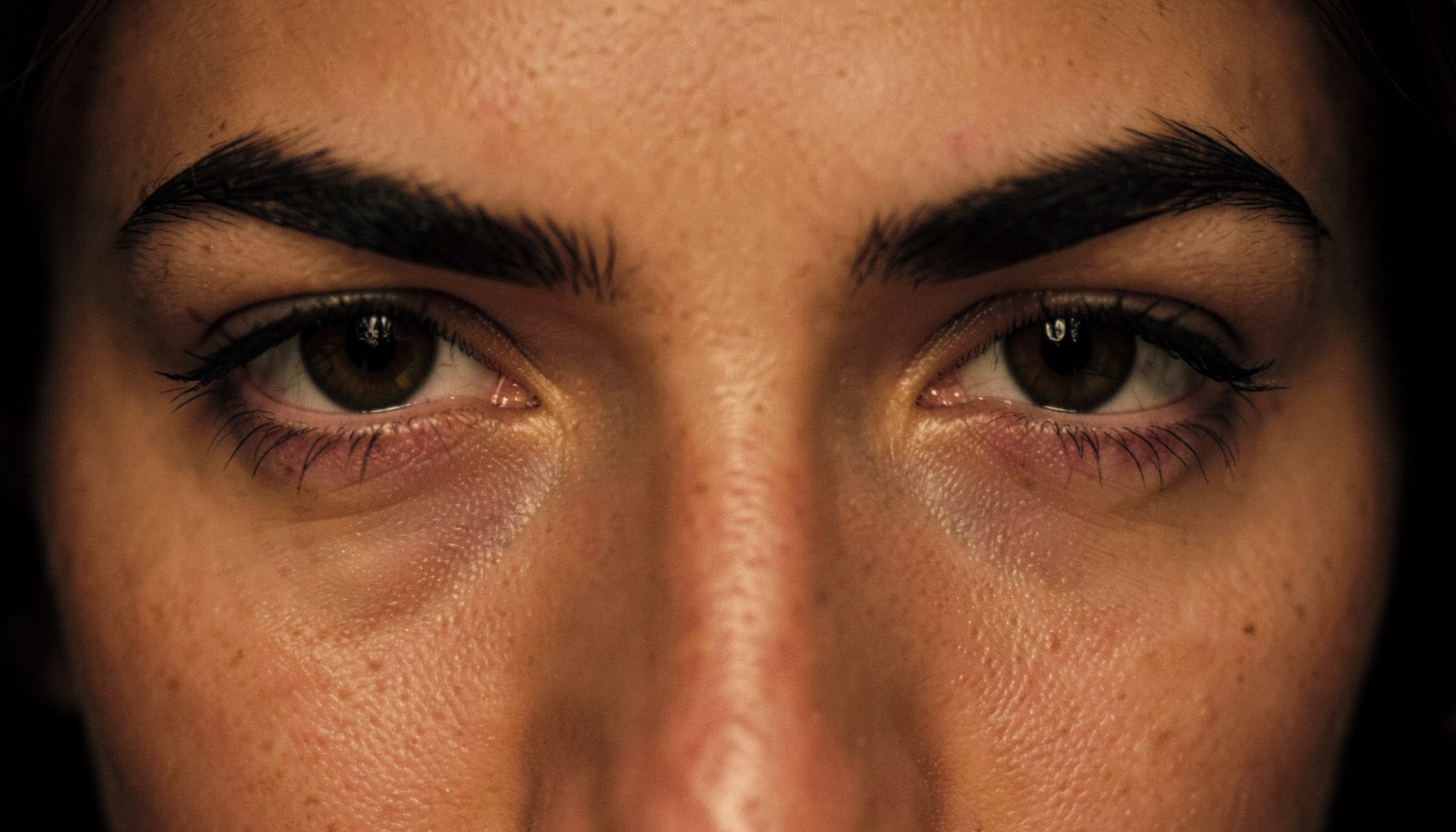
Eye Shape Guide
Understand your eye shape, master makeup techniques, and explore every treatment option — from Botox brow lifts to surgical solutions.
Explore the Site
Eyeshadow placement, blending techniques, and common mistakes to avoid for a more open, lifted look.
Explore →Winged liner, smudge prevention, and techniques that work with hooded lids to make eyes appear larger.
Explore →Non-surgical Botox brow lifts and surgical options including blepharoplasty, explained clearly.
Explore →Five false lash styles suited to hooded eyes, plus curler and mascara guidance for maximum lift.
Explore →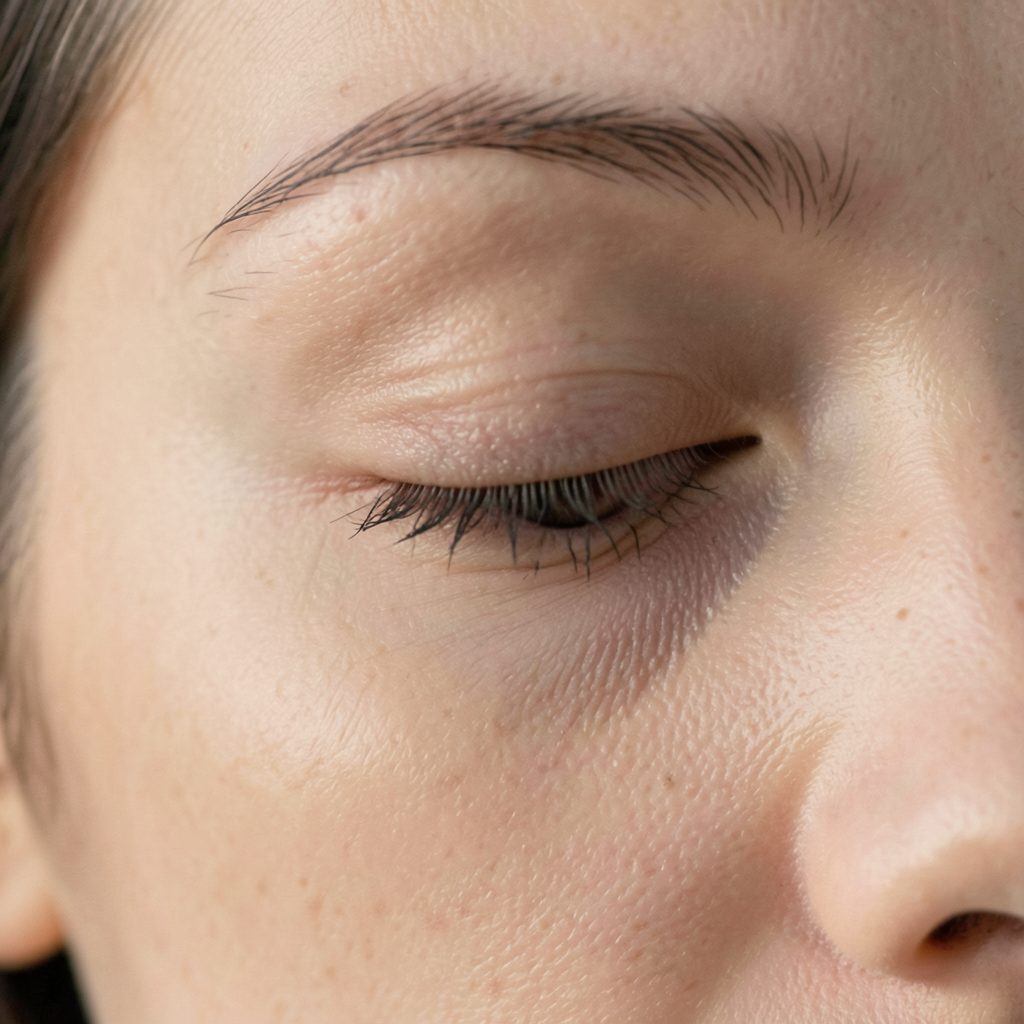
What Are Hooded Eyes?
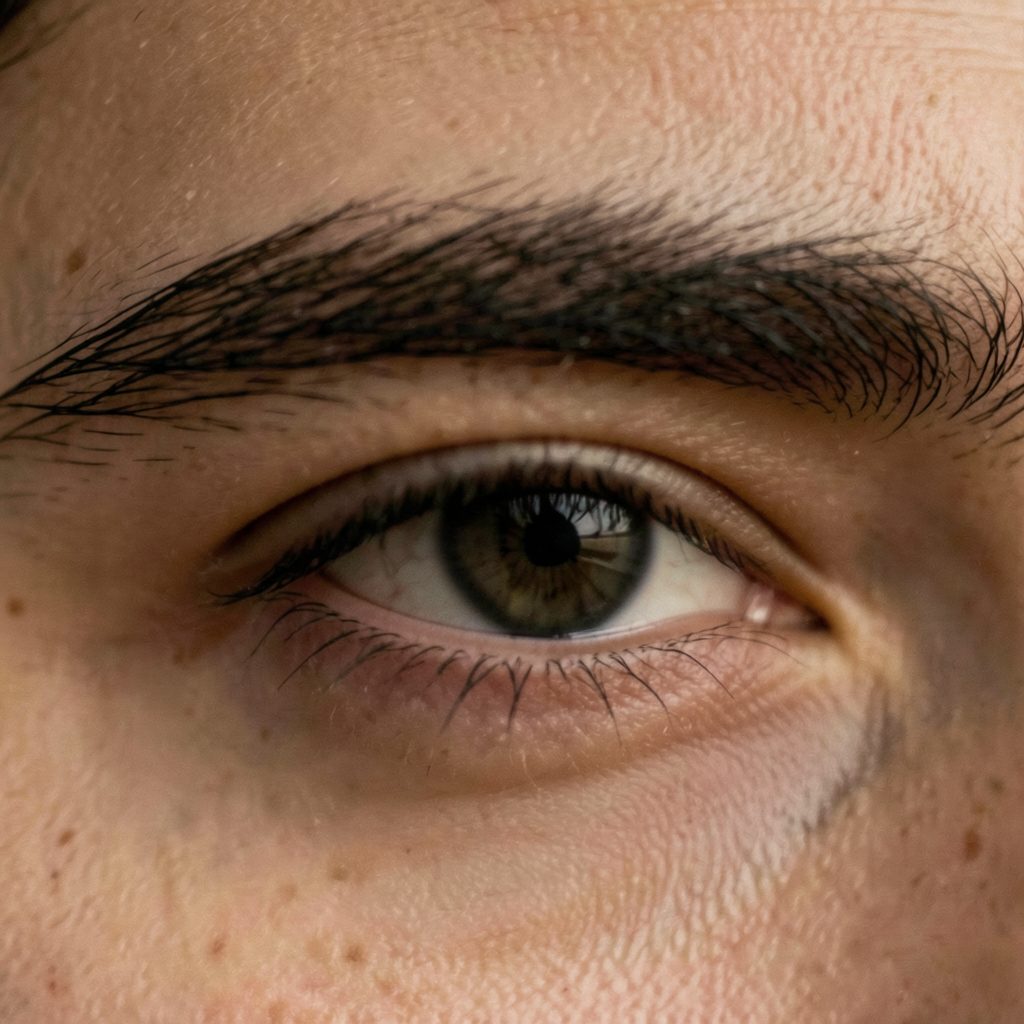
Hooded eyes are a natural eye shape where an excess piece of skin from the brow bone partially or completely covers the eyelid. The result can make eyes appear smaller or more tired than they feel.
This shape can be present from birth due to genetics, or it can develop over time. Known causes include aging, genetic traits, eye rubbing, body fatness, muscle structure, trauma, solar radiation, and sleep apnea.
Hooded eyes describe an upper eyelid where skin or soft tissue rests over part of the mobile eyelid. For some people, this shape is present from childhood and reflects inherited anatomy. For others, the upper lid gradually appears heavier as the brow, skin, muscle and fat compartments change with age.
Age can therefore contribute to a hooded appearance, although it is rarely the only factor. Genetics, sun exposure, facial structure, eyebrow position and natural differences between the two sides of the face all influence how much eyelid is visible. Understanding the cause helps you choose realistic makeup techniques and seek appropriate medical advice if the change is sudden or affects vision.
| Feature | Inherited hooding | Age-related hooding |
|---|---|---|
| Usual timing | Visible from youth | Develops gradually, often in midlife or later |
| Main influences | Brow bone, eyelid fold and family traits | Skin laxity, brow descent, muscle and fat changes |
| Daily variation | Usually fairly stable | Can look heavier when tired, swollen or dehydrated |
| Makeup effect | Placement needs to suit the existing fold | Techniques may need updating as the lid changes |
| Medical concern | Usually cosmetic | May affect peripheral vision if excess skin becomes significant |
A hooded eye has a fold of upper-lid skin that extends over some or all of the crease. The visible lid space may be narrow, especially when the eyes are open. Some people have a low crease, a prominent brow bone or a naturally fuller upper eyelid that creates the same visual effect.
This is a normal anatomical variation rather than a defect. Hooding can occur in every ethnicity and eye colour, and it can be symmetrical or more noticeable on one side. A person may also have deep-set, monolid, downturned or mature eyes alongside hooding, so a single label does not describe every feature.
Photos can make unevenness seem stronger because of lens distortion, lighting, head position and expression. The appearance of asymmetry is often more obvious in a selfie than when the face is viewed in person, particularly when one brow lifts slightly higher than the other.
With time, collagen and elastin production decreases. These proteins help skin resist stretching and return to its previous shape, so their gradual reduction can make the upper eyelid feel thinner, looser or more creased. Repeated facial movement contributes to expression lines, while gravity affects the brow and surrounding tissues.
The brow may sit lower as supporting tissues relax. This can push skin toward the lash line and make a previously visible crease look smaller. Changes in the orbital fat compartments may also alter fullness: some people develop a puffier upper lid, while others lose volume and appear more hollow.
These processes usually happen slowly. A person in their forties may notice that eyeshadow disappears into the fold, eyeliner transfers to the upper lid or mascara touches the skin more easily. This does not necessarily mean the eyelid itself has suddenly become “hooded”; the balance between the brow, skin and crease has changed.
Inherited hooding tends to be recognisable in old photographs and remains relatively consistent over many years. Age-related skin laxity is more likely when the upper lid gradually begins covering an area that was previously visible. Comparing relaxed photographs from different decades can help show whether the appearance is longstanding or new.
Sun exposure is a relevant factor in Australia. Strong ultraviolet radiation can accelerate visible skin ageing, particularly for people who spend time outdoors in Brisbane, Perth, Adelaide or regional areas without consistent sun protection. Sunglasses, a broad-spectrum sunscreen used as directed around the face, hats and shade can help reduce cumulative exposure, although they cannot reverse established laxity.
Puffiness can imitate hooding without representing permanent change. Poor sleep, allergies, alcohol, salty meals and fluid retention may temporarily make the upper lids look heavier. If the difference fluctuates from morning to evening, swelling may be contributing. Persistent or rapidly developing drooping deserves an assessment rather than an assumption that it is ordinary ageing.
Common signs include a lower brow position, extra skin above the crease, fine lines, deeper upper-lid folds and makeup transfer. The eyes may look smaller in photographs because less mobile lid is visible, even when the eyeball and eyelid opening are healthy. These changes often appear progressively on both sides, with one side becoming noticeable first.
Vision can provide an important distinction. If upper-lid skin blocks the outer field of view, causes difficulty reading road signs or makes you raise your eyebrows to see comfortably, the issue may be functional as well as cosmetic. Forehead fatigue or a habitual brow lift can also develop as the face compensates for reduced visual space.
Sudden drooping, double vision, unequal pupils, facial weakness, severe pain or a change isolated to one eyelid requires prompt medical attention. These symptoms are not typical signs of ordinary skin laxity. An optometrist, ophthalmologist or GP can help determine whether the cause is eyelid tissue, nerve function, inflammation or another condition.
As the crease becomes less visible, traditional eyeshadow placement may stop working. Applying a dark shade directly into the natural fold can make the eyes appear deeper without creating visible lift. Instead, use a soft transition shade slightly above the fold while looking straight ahead, then blend upward without taking colour too close to the brow.
Matte or satin textures are often easier to control on textured skin than large particles of glitter. A thin eye primer can reduce creasing, while a small amount of setting powder helps prevent transfer. Australian summer heat can increase smudging, especially during outdoor events, so waterproof mascara and a long-wear pencil may be practical choices.
Eyeliner is usually most effective when kept thin at the inner corner and gradually thickened toward the outer third. A short, lifted outer flick can define the eye without covering the remaining lid space. If a wing disappears when the eye is open, draw it while looking forward rather than copying a style designed for a flatter lid.
Curling the lashes before mascara can open the eye visually. Focus product at the roots, remove excess from the wand and allow each coat to dry enough to reduce contact with the hood. A makeup artist experienced with mature or hooded eyes can demonstrate placement in person, which is often more useful than following a universal diagram.
Non-surgical and surgical options address different causes. A brow lift aims to raise the brow and may reduce the skin resting over the eyelid. Upper blepharoplasty removes or repositions selected skin and, where appropriate, fat or muscle. Neither approach should be chosen solely because a social media image looks appealing; the underlying anatomy and visual function need assessment.
Botulinum toxin can alter the position of selected brow muscles, creating a modest brow lift in suitable patients. Results vary with muscle strength, brow shape and injection pattern, and an excessive dose can cause temporary brow or eyelid drooping. A detailed discussion of Botox brow lift evidence should include likely benefit, duration, alternatives and possible adverse effects.
Blepharoplasty is a procedure with recovery time and surgical risks, including bruising, swelling, dry eye, asymmetry, difficulty closing the eyes, infection, scarring and the need for revision. A qualified specialist should examine the eyelid position, tear film, brow and visual fields before recommending surgery. Photographs alone cannot establish whether a procedure is suitable.
In Australia, elective cosmetic treatment is commonly paid privately and may not be covered by Medicare or private health insurance. Check the practitioner’s registration through AHPRA, ask who will perform the procedure and confirm the total cost, facility, anaesthetic, follow-up and revision policy. Consultations in Sydney, Melbourne, Brisbane and other cities can vary widely in approach and pricing, so credentials matter more than promotional language.
A thoughtful routine can support comfort and help you monitor gradual changes without treating normal anatomy as a problem. Keep skincare products away from the lash line if they sting, remove eye makeup gently and avoid pulling the delicate upper-lid skin. Daily sun protection for the face, together with a hat and sunglasses, is especially relevant under Australia’s high UV conditions.
Use these habits when assessing or adapting your eye makeup and care:
The goal is to work with the structure you have while recognising changes that may benefit from medical review. A makeup adjustment may be all that is needed for a stable, inherited hooded shape. Gradual laxity can call for different techniques, and significant visual obstruction may warrant an ophthalmic assessment.
Age can make hooded eyes more noticeable through skin stretching, brow descent and changing eyelid volume, but it does not define your appearance or dictate treatment. Begin with a clear assessment of what has changed, protect the skin from Australia’s intense UV exposure, and use makeup that suits the open eye. If the change affects vision or you are considering a cosmetic procedure, book an appointment with a registered eye or cosmetic health professional for personalised guidance.
Surgical Option
For those seeking a more lasting result, plastic surgery — including blepharoplasty — is covered as a treatment option for hooded eyes. Surgery addresses the excess skin directly and is considered an alternative to non-surgical approaches like Botox.
The site's surgery guide explains the procedure, what to expect, and how it compares to non-surgical routes, helping readers make informed decisions about their options.
Read the Surgery Guide →Famous Faces
Hooded eyes can enhance facial expressions and contribute to a distinctive, memorable look. These ten well-known figures all share the eye shape.
Jennifer Aniston
Leonardo DiCaprio
Solange Knowles
Taylor Swift
Michelle Williams
Robert Pattinson
Blake Lively
Selena Gomez
Gigi Hadid
Benicio del Toro
Side by Side
False Lash Guide
Varied length spikes create texture and the illusion of depth without weighing down the lid.
Longer outer-corner lashes draw the eye outward and upward, counteracting the hood effect.
A uniform, moderate length that adds definition without overwhelming a hooded lid.
Applied only to the outer half, these open up the eye shape and are easier to manage on hooded lids.
A strong upward curl (D or L curl) lifts lashes away from the hood, keeping them visible throughout the day.
The guide also covers lash curlers, mascara recommendations, and step-by-step instructions for fixing false lashes on hooded eyelids.
Full Lash Guide →Get in Touch
Whether you are just beginning your makeup journey or have been experimenting with different looks for years, we are glad you are here.
General Feedback
Share your thoughts on the site or suggest topics you'd like covered.
Looking for a Specific Tip?
Ask about a particular technique or eye-shape challenge.
Product Questions
Questions about products mentioned across the site.
Human Resources or Business Inquiries
Partnership, collaboration, or business-related correspondence.