01
Makeup Tips
Eyeshadow placement, blending techniques, and common mistakes to avoid for a more open, lifted look.
Explore →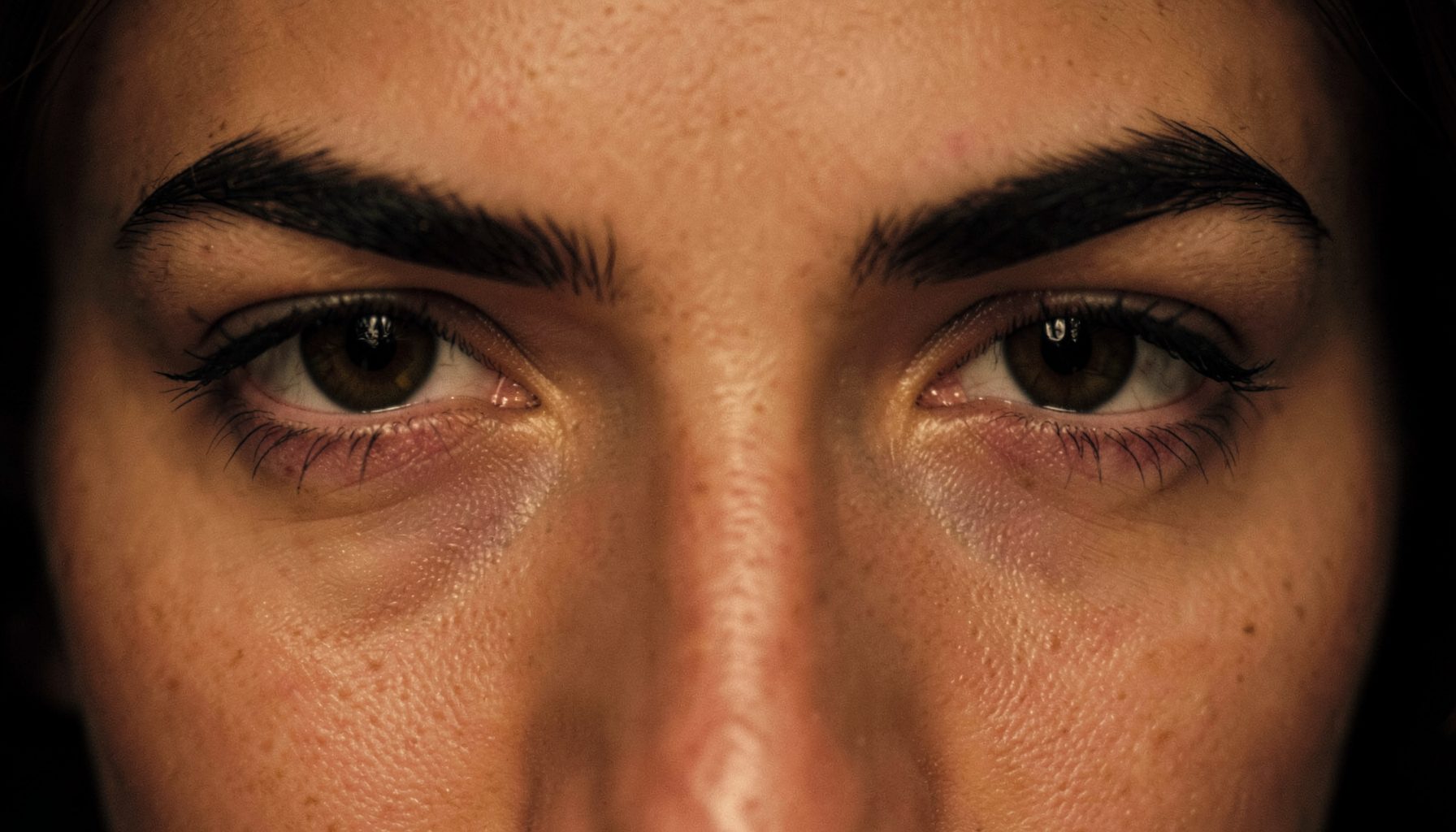
Eye Shape Guide
Understand your eye shape, master makeup techniques, and explore every treatment option — from Botox brow lifts to surgical solutions.
Explore the Site
Eyeshadow placement, blending techniques, and common mistakes to avoid for a more open, lifted look.
Explore →Winged liner, smudge prevention, and techniques that work with hooded lids to make eyes appear larger.
Explore →Non-surgical Botox brow lifts and surgical options including blepharoplasty, explained clearly.
Explore →Five false lash styles suited to hooded eyes, plus curler and mascara guidance for maximum lift.
Explore →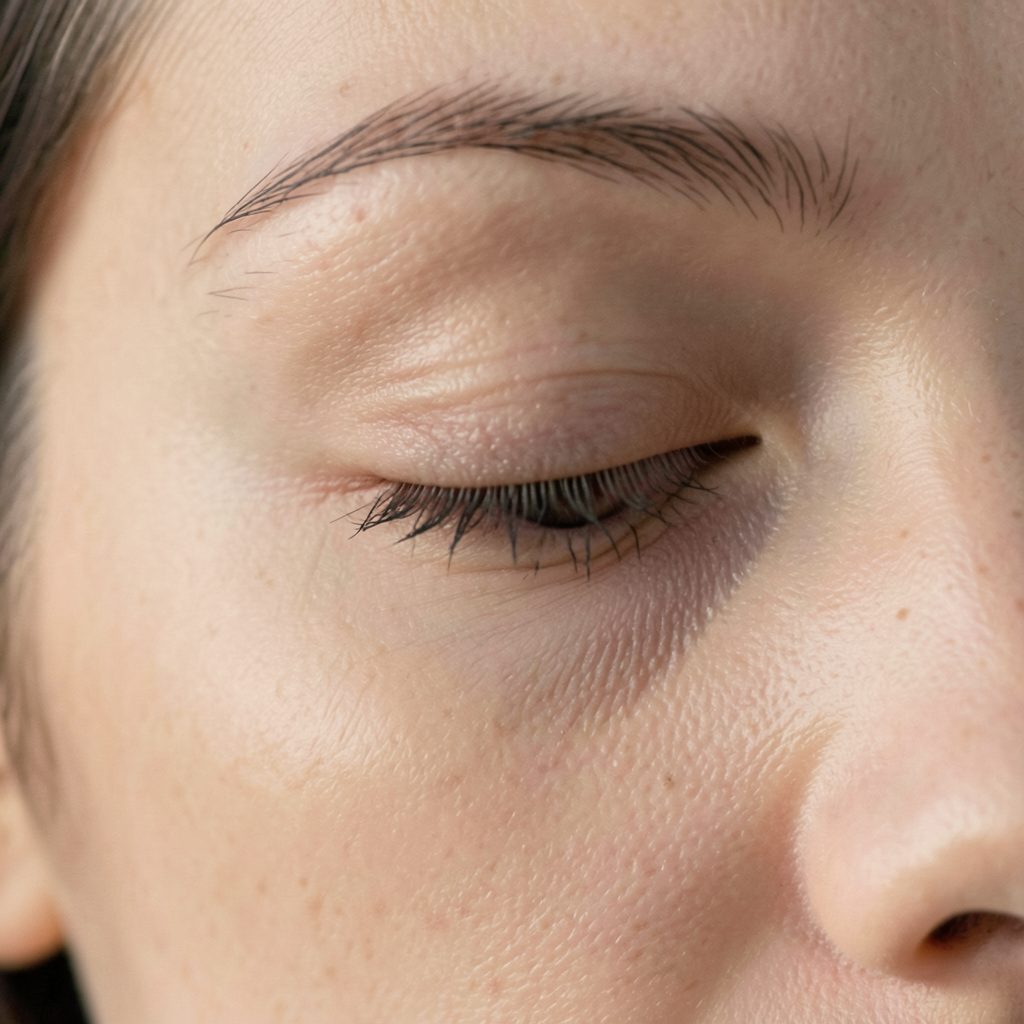
What Are Hooded Eyes?
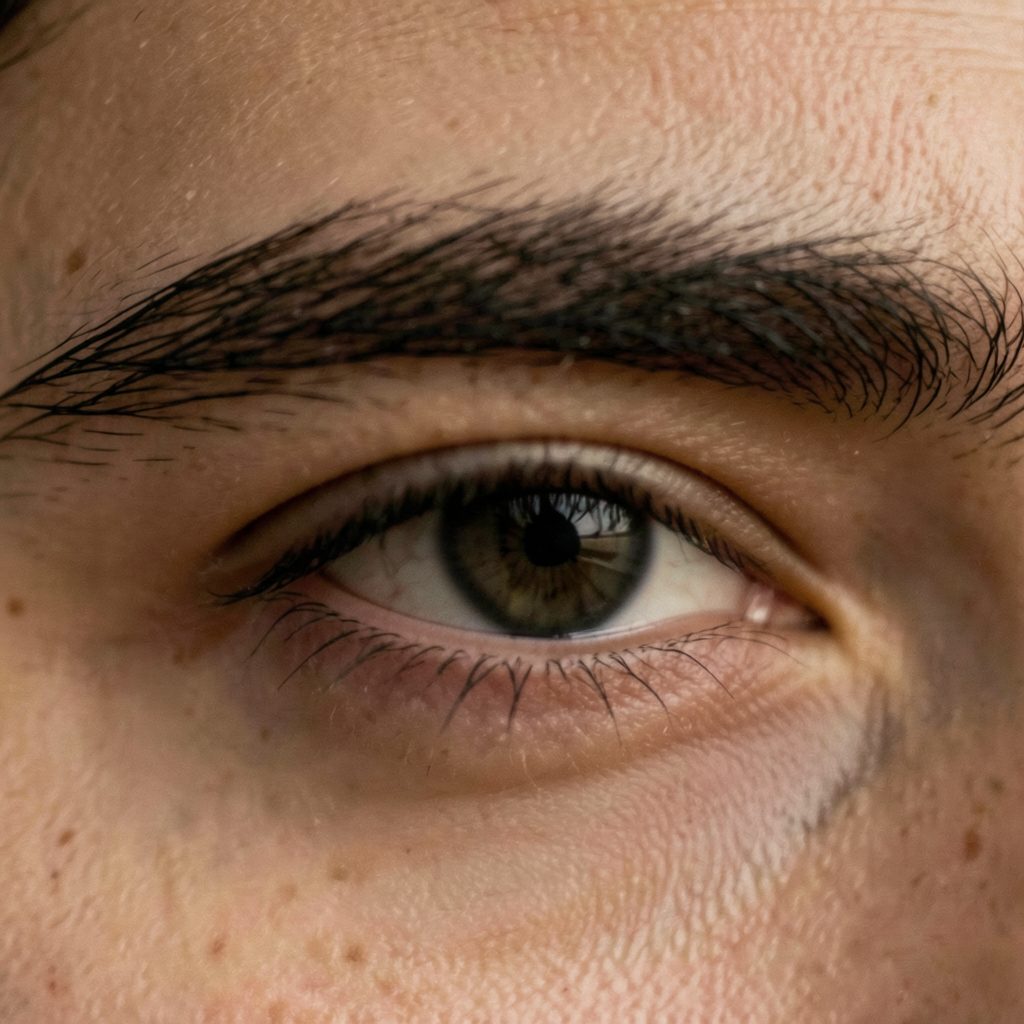
Hooded eyes are a natural eye shape where an excess piece of skin from the brow bone partially or completely covers the eyelid. The result can make eyes appear smaller or more tired than they feel.
This shape can be present from birth due to genetics, or it can develop over time. Known causes include aging, genetic traits, eye rubbing, body fatness, muscle structure, trauma, solar radiation, and sleep apnea.
Hooded eyes happen when the upper eyelid crease sits low, leaving less mobile lid visible when you look ahead. Part of the upper lash line may sit beneath the fold, and the crease can become a narrow band of shadow. The shape may be inherited, develop with ageing, or become clearer as skin, fat and brow position change.
Understanding why hooded eyes can make you look tired comes down to light, proportion and definition. A deep crease traps shadow, a low brow makes the eye look heavy, and puffiness can add to the impression of poor sleep. Makeup and grooming may help, while medical options suit some people whose concern is structural rather than temporary.
You do not need a dramatic crease or a celebrity’s eye shape to make your eyes look awake and balanced. The aim is to use the space you actually have without forcing the lid into another shape. Start with photographs and daylight, experiment gently, and seek medical advice for sudden, uneven or vision-related changes.
The defining feature is limited space between the upper lash line and the fold. When the eye opens, the mobile lid may barely show; when you look down, more lid appears. This differs from a monolid, which may have a visible crease, and from deep-set eyes, where the brow bone creates stronger shadow.
Not every low fold looks the same. Some hooding sits at the outer corner, while other people have heavier central hooding. A descending brow can push the skin forward and deepen the appearance of a crease, so makeup can change the look without changing the underlying anatomy.
Hooding is usually a long-term characteristic, but ageing can make it more obvious. Thinner skin, changes in eyelid fat and reduced support can expose a fold that was once hidden. Swelling, allergies and fatigue can also make it fluctuate throughout the day.
Several small visual cues create the tired effect. The fold blocks light from the visible lid, leaving the eye area shaded. Shadow in the crease can resemble puffiness, while a heavy inner brow creates a tired or worried angle. If the lower lid looks swollen too, the contrast can make the upper eye seem even less open.
Sleep is only one part of the story. In Australian conversation, saying you need more “beauty sleep” is a familiar way to describe looking worn out, but persistent hooding is not automatically a sleep problem. Salt, allergies, dry air, screens and late-night eating can increase morning puffiness, while the structural shadow remains after a full night.
Climate and light matter too. Australia’s strong UV can age the thin eyelid skin, and bright sun exaggerates the contrast between lid and brow. On a clear morning at Bondi Beach, sunglasses or “sunnies” reduce squinting, while daily sunscreen helps limit photo-ageing. Removing makeup gently at night is important for reactive skin.
Compare your eyes with your own photographs rather than an idealised diagram. Even lighting, a straight head and the same expression give the clearest result. A hooded versus non-hooded eyes guide shows the main differences, while celebrity eye-shape examples can inspire style but do not replace an examination.
Upper-lid hooding may be confused with dermatochalasis, which is loose folded skin, or brow ptosis, where the brow has descended. Ptosis describes a drooping upper lid and may affect how far the eye opens. Some apparent hooding also comes from a heavy upper-lid fat pad. Different causes can need different treatment, so precise naming matters.
A general practitioner can assess common causes and refer you when needed. An ophthalmologist is particularly useful for changes in eyelid position, double vision, pain or visual symptoms. Seek prompt care if one lid suddenly droops, the pupil looks different, the eye hurts, or vision changes. Sudden or fluctuating weakness can signal an urgent neurological or muscular problem.
Work with the visible lid rather than drawing attention to the hidden crease. Begin with a light satin or matte base over the mobile lid and the small area that remains visible when the eye opens. Place a slightly deeper shade just above the visible fold and blend upwards. Avoid a heavy matte block directly in the crease, where it can look muddy or disappear from some angles.
Use concealer sparingly on the visible lid and blend it downwards. A champagne or soft beige inner-corner highlight can reflect light without sparkle settling in the fold. For deep-set eyes, keep the centre subtle and define the outer corner. The objective is a clean gradient that remains balanced when your eye is open, not when it is stretched.
For eyeliner, trace close to the upper lash line with a soft pencil or fine liquid liner. Extend a short wing towards the lower brow, not along the crease. Smudged outer-corner pencil adds depth without a hard edge. Below the lashes, use shadow or a pencil, but avoid repeatedly lining the waterline, which can irritate the eye and make it look smaller.
A well-groomed brow gives the eye more room and balances the weight of the hood. Brush the hairs up and out, fill only real gaps, and use a slightly lighter product beneath the arch. Avoid sharply drawn brows that compete with the eye. A flexible brow gel keeps the lower edge soft rather than creating a high, artificial arch.
Choose mascara that separates and lifts rather than creating heavy, spiky volume. Curl the upper lashes from the base, let them dry, then apply two light coats. Lengthening formulas suit many hooded eyes, and warm brown can look softer than jet black. Coat lower lashes lightly and remove any mascara that flakes towards the eye.
For false lashes, trim the band to fit and place the natural hairline against your own lash roots. Never glue the band to the visible crease. Clear-drying adhesive and a cotton bud offer control, while a lash comb separates the hairs after setting. If the lashes feel uncomfortable or the lid is sensitive, simplify rather than forcing a dramatic style.
A Botox brow lift can help when brow movement or a low medial brow contributes to the heavy appearance. Carefully placed injections may soften muscles that pull the inner brow down, creating a subtle lift without adding volume, but they cannot remove excess skin. In Australia, botulinum toxin is a prescription medicine, so use an AHPRA-registered practitioner and confirm the product is TGA-approved. Bruising, headache, eyelid heaviness and double vision are possible.
Blepharoplasty is the surgical option for removing excess upper-lid skin and, depending on assessment, reshaping fat or tightening tissue. It may change genuine hooding more substantially than injections, but it is invasive and needs more recovery. Counselling should consider the lower lid, tear film, eye movement and brow position as well. Learning how eyelid scars heal helps set realistic expectations about the fine scar and pigmentation.
Preparation should be tailored by your surgeon, who may discuss blood tests, medicines, allergies, smoking and an eye examination. Follow clinic instructions about meals, makeup, contact lenses and medicines, and arrange transport if needed. Afterwards, expect swelling, tenderness and temporary blurred vision. Cold compresses, ointment, sunglasses and head support may be included, but the written aftercare plan should come from the treating team.
Ask about infection, asymmetry, persistent dry eye, numbness, scarring, delayed healing and revision. Botox also carries risks such as an uneven brow or heavy eyelid, and neither treatment guarantees a particular result. Cosmetic blepharoplasty is usually self-funded in Australia and quoted in AUD. Medicare support may exist in limited cases involving documented visual impairment, not ordinary appearance. Seek a written quote covering the surgeon, facility, anaesthesia, tests, prescriptions and follow-up.
A reliable routine is easier to maintain than a complicated collection of products. Choose what solves the actual issue: shadow, brow position, lash definition or visible lid space. Give each look a few days, then judge it in daylight and in photographs rather than from one close-up.
Choose one immediate action: photograph your eyes in daylight, mark the visible crease, and try a thin lash-line line with brushed brows for a week. If the concern is persistent skin hooding or a new change in eyelid position, book the appropriate qualified professional and bring your photographs. This creates a clear baseline while keeping your natural shape in view.
Surgical Option
For those seeking a more lasting result, plastic surgery — including blepharoplasty — is covered as a treatment option for hooded eyes. Surgery addresses the excess skin directly and is considered an alternative to non-surgical approaches like Botox.
The site's surgery guide explains the procedure, what to expect, and how it compares to non-surgical routes, helping readers make informed decisions about their options.
Read the Surgery Guide →Famous Faces
Hooded eyes can enhance facial expressions and contribute to a distinctive, memorable look. These ten well-known figures all share the eye shape.
Jennifer Aniston
Leonardo DiCaprio
Solange Knowles
Taylor Swift
Michelle Williams
Robert Pattinson
Blake Lively
Selena Gomez
Gigi Hadid
Benicio del Toro
Side by Side
False Lash Guide
Varied length spikes create texture and the illusion of depth without weighing down the lid.
Longer outer-corner lashes draw the eye outward and upward, counteracting the hood effect.
A uniform, moderate length that adds definition without overwhelming a hooded lid.
Applied only to the outer half, these open up the eye shape and are easier to manage on hooded lids.
A strong upward curl (D or L curl) lifts lashes away from the hood, keeping them visible throughout the day.
The guide also covers lash curlers, mascara recommendations, and step-by-step instructions for fixing false lashes on hooded eyelids.
Full Lash Guide →Get in Touch
Whether you are just beginning your makeup journey or have been experimenting with different looks for years, we are glad you are here.
General Feedback
Share your thoughts on the site or suggest topics you'd like covered.
Looking for a Specific Tip?
Ask about a particular technique or eye-shape challenge.
Product Questions
Questions about products mentioned across the site.
Human Resources or Business Inquiries
Partnership, collaboration, or business-related correspondence.