01
Makeup Tips
Eyeshadow placement, blending techniques, and common mistakes to avoid for a more open, lifted look.
Explore →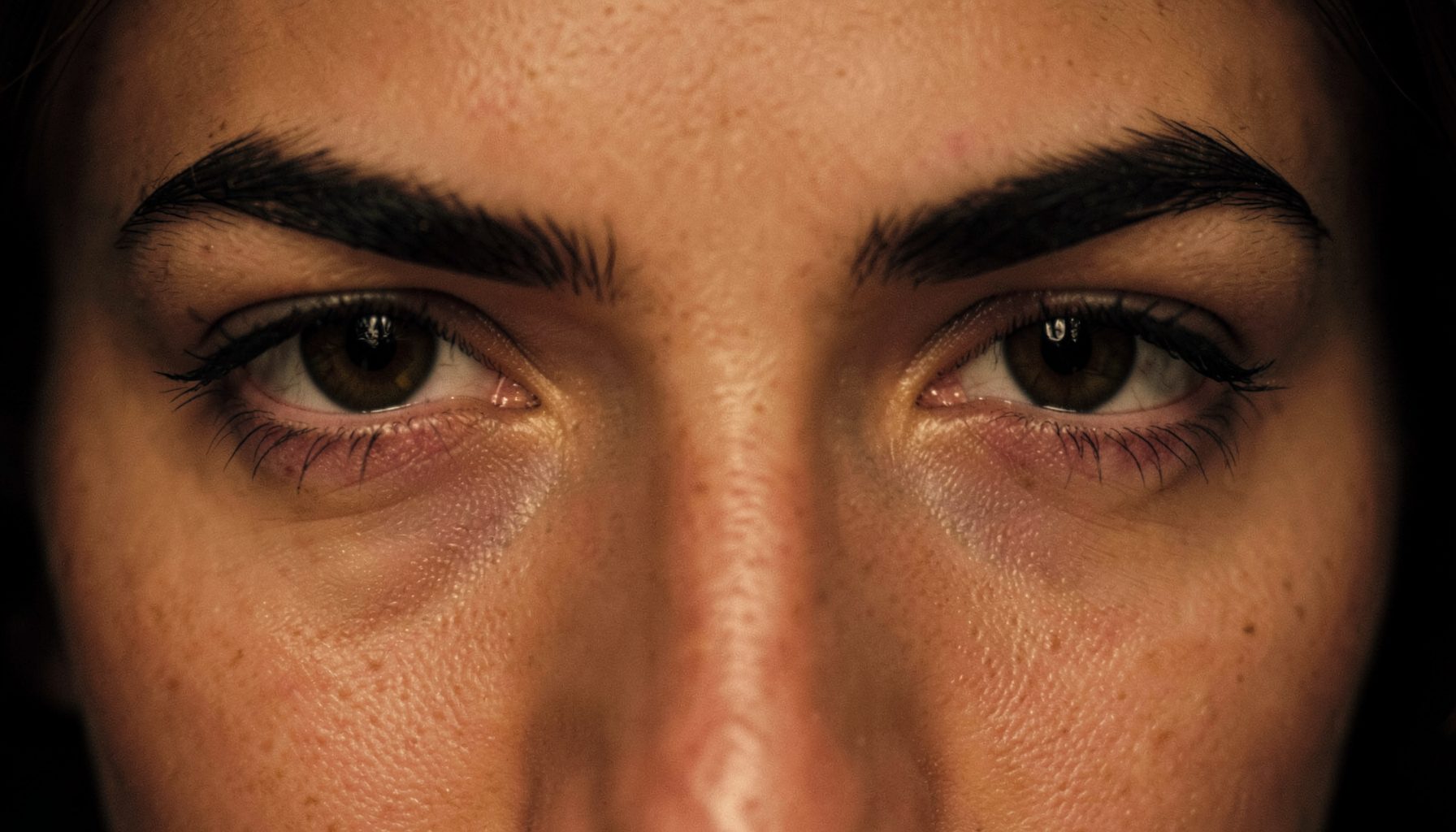
Eye Shape Guide
Understand your eye shape, master makeup techniques, and explore every treatment option — from Botox brow lifts to surgical solutions.
Explore the Site
Eyeshadow placement, blending techniques, and common mistakes to avoid for a more open, lifted look.
Explore →Winged liner, smudge prevention, and techniques that work with hooded lids to make eyes appear larger.
Explore →Non-surgical Botox brow lifts and surgical options including blepharoplasty, explained clearly.
Explore →Five false lash styles suited to hooded eyes, plus curler and mascara guidance for maximum lift.
Explore →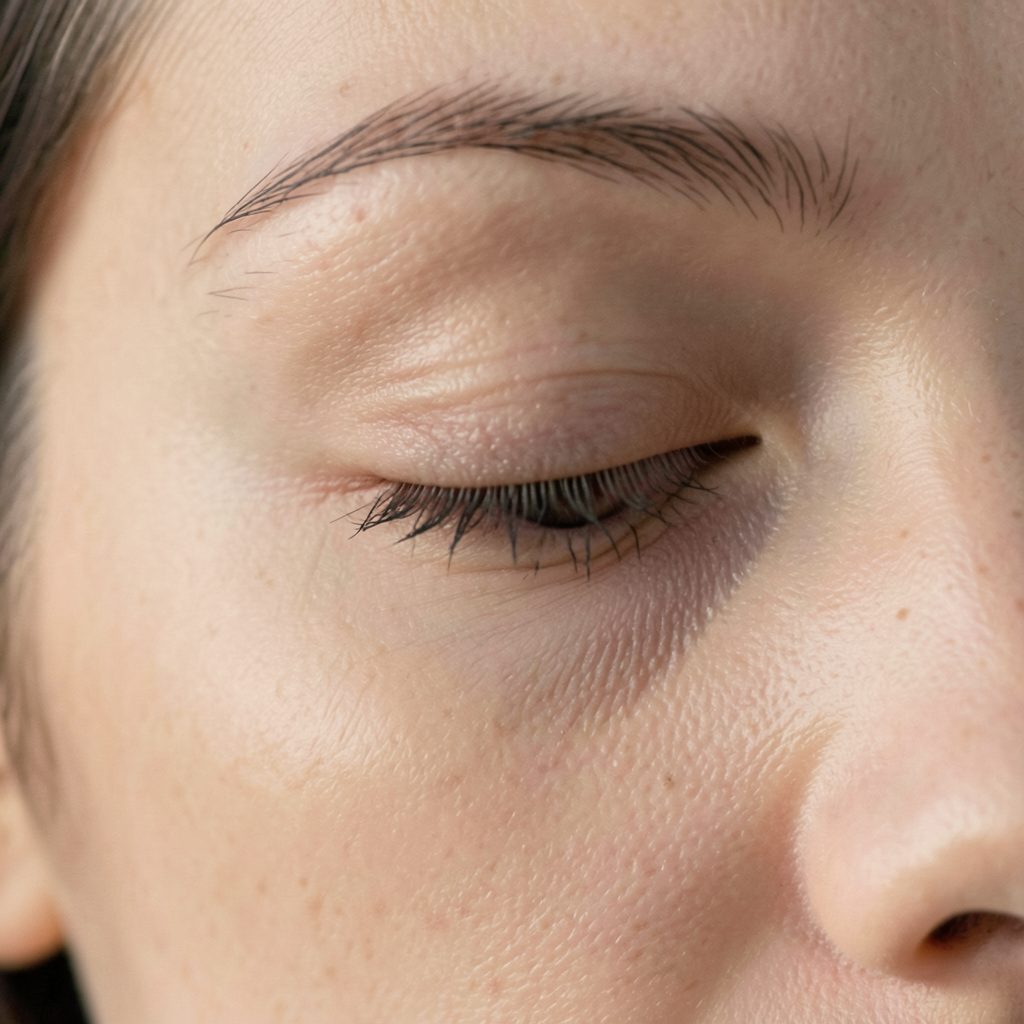
What Are Hooded Eyes?
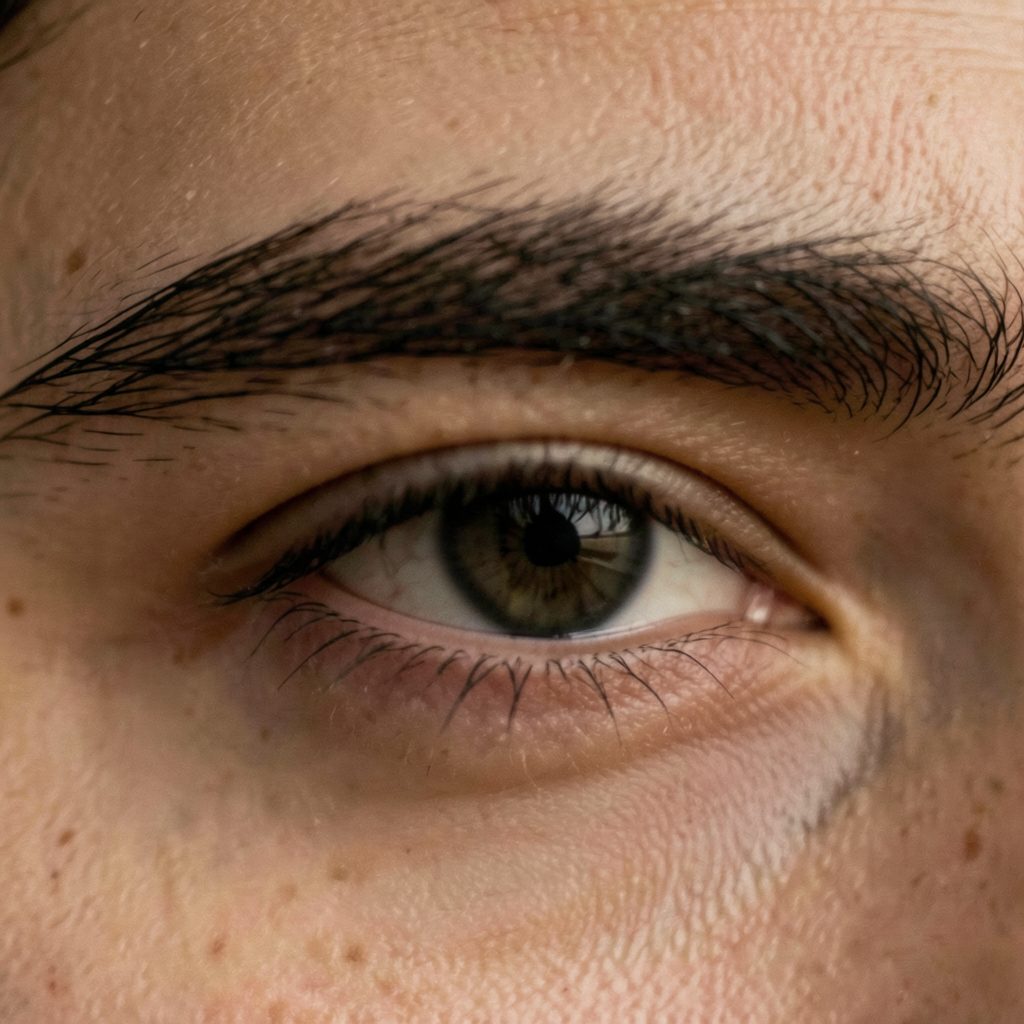
Hooded eyes are a natural eye shape where an excess piece of skin from the brow bone partially or completely covers the eyelid. The result can make eyes appear smaller or more tired than they feel.
This shape can be present from birth due to genetics, or it can develop over time. Known causes include aging, genetic traits, eye rubbing, body fatness, muscle structure, trauma, solar radiation, and sleep apnea.
Hooded eyes occur when the skin of the upper eyelid folds over the crease, leaving less of the lid visible between the brow and lashes. The shape may be inherited, become more noticeable with age-related changes in skin and support, or be accentuated by puffiness and lighting. It does not mean the eye is unhealthy, but the shadow inside the fold can make the eye opening look smaller and the face seem tired or heavy.
That perception explains why hooded eyes can make you look older than you feel. A defined upper crease tends to catch light and show more lid movement, while a deep fold absorbs light and softens the eye’s outline. Age-related shifts in eyelid support, brow position and surrounding volume can intensify the effect, yet plenty of younger people have naturally hooded lids. Expression, under-eye hollows, makeup and the skin shown when you smile or squint also influence the result.
Useful options range from a few minutes of makeup to temporary injections and, for some people, surgery. Results depend on the anatomy of your lid, your priorities and the skill of the person applying or treating it. Start with the least invasive approach that addresses your concern, and treat vision blocked by skin, a genuinely heavy upper lid or ongoing discomfort as health issues rather than cosmetic flaws.
A visible upper crease can make the eye look more open, alert and defined. Understanding the hooded eye anatomy guide can make product advice easier because a hooded lid is different from a heavy brow or a medically drooping eyelid. The fold may still allow the eye to move normally; what changes is the apparent space, contour and amount of light reaching the lid.
Over time, the upper eyelid’s crease can deepen or become less distinct as skin loses elasticity and underlying fat changes position. A descending brow may add apparent hooding without creating the same fold as dermatochalasis, which is excess upper-lid skin. Repeated rubbing, fluid retention, allergies and a tired brow can make the area look heavier too. Structural ageing is one factor, but it rarely acts alone.
Celebrities such as Sandra Bullock and Anne Hathaway are often cited in beauty discussions for naturally soft or hooded lids. Comparing their brows and eye makeup with a more open-looking celebrity eye shows how proportion and styling change the impression. Publicity photographs may also be retouched, so they are useful references rather than medical diagnoses.
Australia’s strong UV exposure is especially relevant because sun damage reduces collagen and elastin around the eyes and can make fine lines and pigmentation more obvious. A broad-spectrum SPF 30+ sunscreen, a wide-brimmed hat and sunglasses offer more protection than makeup alone. Apply sunscreen gently around the orbital area and choose a formula that does not sting your eyes.
City routines and climate add their own effects. Sydney and Melbourne clinic markets are large, yet many people commute in heat, work in air-conditioned offices and spend weekends at the beach. Coastal wind and salt can dry the skin, while humidity and a late night out can leave eyelids puffy. Choose makeup that lasts without relying on harsh drying layers.
If the fold looks worse in the morning, consider sleep, allergy symptoms, salty food, alcohol and contact-lens wear rather than blaming age alone. Persistent swelling, pain or a lid that blocks your lashes needs an eye-health assessment. Taking care of these factors can make every makeup technique look more effective.
Begin with a clean, lightly moisturised lid and use primer only where you need it to hold product. Conceal darkness on the visible lid rather than drawing a sharp beige shape into the fold. If you use an opaque corrector, blend it upward and keep it soft around the inner corner. A lid that looks flat can be more difficult to define than one with subtle shadow.
Place matte brown or taupe transition colour just above the visible fold and deepen the outer corner for lift, while keeping the mobile lid relatively clear. Add restrained shimmer on the brow bone or inner corner rather than directly over the crease. For eyeliner, use a soft pencil or brown liner close to the upper lashes and begin any flick where the lid meets the outer corner. A heavy black block can make the eye appear smaller.
For a ready-made sequence, the simple daytime eye tutorial shows how to combine those steps without creating a sharp crease that the lid quickly covers. Finish with a defined upper lash line and a light touch below the outer lower lashes; adding dark pigment all around the eye can reduce the appearance of space. Check the result in daylight and from your usual viewing angle, not only in a bathroom mirror.
Frame the eye with a softly defined brow that supports the lid without looking heavy. Brush brow colour upward at the front and keep the arch relaxed rather than sharply peaked above a narrow eye. Avoid over-tweezing the upper arch, which can expose skin and make the hood more prominent. If the brows are sparse, a brow pencil or tinted pomade applied in short, hair-like strokes usually looks more natural than a solid block.
Use an eyelash curler at the base, then lift and hold while the lashes are still warm. Brown or soft-black mascara can define without creating a dark fringe against a deep fold, while a waterproof formula is useful through humid coastal weather or a long outdoor event. Separate the lashes with a clean spoolie and stop before they clump into spikes that hide the lid.
Ask a lash technician for lightweight fans that stay close to the natural lashes if extensions are part of your routine; very long or dense sets can overwhelm a small visible opening. Australian shoppers can compare drugstore options at Priceline or Chemist Warehouse with prestige products at Sephora or Myer. Choose colour and hold according to your eye shape and climate, not a trend.
A Botox brow lift can be useful when a mobile brow is contributing to the apparent hooding. By temporarily relaxing selected forehead and glabellar muscles, it may raise the brow enough to show more lid space. It does not remove excess skin or create a permanent crease, and results commonly last around three to four months. Bruising, headache, eyelid heaviness and temporary ptosis are possible; double vision and other serious effects are uncommon.
Radiofrequency and ultrasound devices offer another path, but outcomes depend on the technology, settings and operator. This radiofrequency and ultrasound update explains what to ask about comfort, downtime and results. They may encourage firmer skin or modest lifting, yet response is variable and they do not replace surgery to remove substantial eyelid skin. Redness, swelling or tenderness can occur; burns or nerve injury are possible with poorly performed treatments.
Choose a clinician who regularly works around the brow and upper eyelid, not simply a generic skin-tightening service. Sydney and Melbourne have extensive clinic markets, with qualified providers also in Brisbane, Adelaide and regional centres. Check AHPRA registration, then ask about eye anatomy, sterilisation and emergency procedures. Upper-lid filler carries a risk of serious vascular complications and is not a routine substitute for surgery. Compare prices in Australian dollars, including follow-up and aftercare.
Upper blepharoplasty is a surgical option when excess or poorly positioned upper-lid tissue creates a deep hood or interferes with vision. It can remove skin and sometimes reshape muscle or fat to improve the crease and reveal more of the eye, but it cannot fully change the eye’s shape. Suitability depends on lid support, brow position, eye health and a realistic goal, so a surgeon should assess all three rather than treat the fold in isolation.
Before surgery, expect an eye examination, baseline photographs and a review of medicines and supplements; do not stop prescribed medication on your own. Afterward, follow the surgeon’s instructions on drops, swelling management, contact lenses, makeup and rubbing. Social recovery often takes one to two weeks, although swelling can last longer. Risks include bleeding, infection, scarring, asymmetry, dry eye, corneal exposure, eyelid malposition, ptosis and revision.
If you are comparing routes, use these recommendations before booking a procedure:
Makeup is the quickest way to test whether a softer crease, lifted brow and defined lash line suit you. Choose one look from the guide, photograph the same lighting for several days and adjust before deciding whether it changes how you feel. It is a low-risk starting point and gives you a clearer brief for any professional discussion.
Take that first step today. If the appearance still bothers you after a genuine makeup trial, arrange a qualified consultation in your nearest capital city or regional centre and discuss which approach matches your anatomy and goals. Clear information, realistic expectations and safe aftercare are the basis for a result that looks natural rather than simply different.
Surgical Option
For those seeking a more lasting result, plastic surgery — including blepharoplasty — is covered as a treatment option for hooded eyes. Surgery addresses the excess skin directly and is considered an alternative to non-surgical approaches like Botox.
The site's surgery guide explains the procedure, what to expect, and how it compares to non-surgical routes, helping readers make informed decisions about their options.
Read the Surgery Guide →Famous Faces
Hooded eyes can enhance facial expressions and contribute to a distinctive, memorable look. These ten well-known figures all share the eye shape.
Jennifer Aniston
Leonardo DiCaprio
Solange Knowles
Taylor Swift
Michelle Williams
Robert Pattinson
Blake Lively
Selena Gomez
Gigi Hadid
Benicio del Toro
Side by Side
False Lash Guide
Varied length spikes create texture and the illusion of depth without weighing down the lid.
Longer outer-corner lashes draw the eye outward and upward, counteracting the hood effect.
A uniform, moderate length that adds definition without overwhelming a hooded lid.
Applied only to the outer half, these open up the eye shape and are easier to manage on hooded lids.
A strong upward curl (D or L curl) lifts lashes away from the hood, keeping them visible throughout the day.
The guide also covers lash curlers, mascara recommendations, and step-by-step instructions for fixing false lashes on hooded eyelids.
Full Lash Guide →Get in Touch
Whether you are just beginning your makeup journey or have been experimenting with different looks for years, we are glad you are here.
General Feedback
Share your thoughts on the site or suggest topics you'd like covered.
Looking for a Specific Tip?
Ask about a particular technique or eye-shape challenge.
Product Questions
Questions about products mentioned across the site.
Human Resources or Business Inquiries
Partnership, collaboration, or business-related correspondence.